custom aluminum stamping
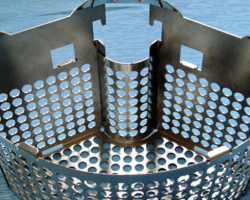
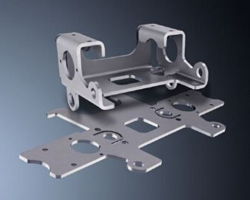
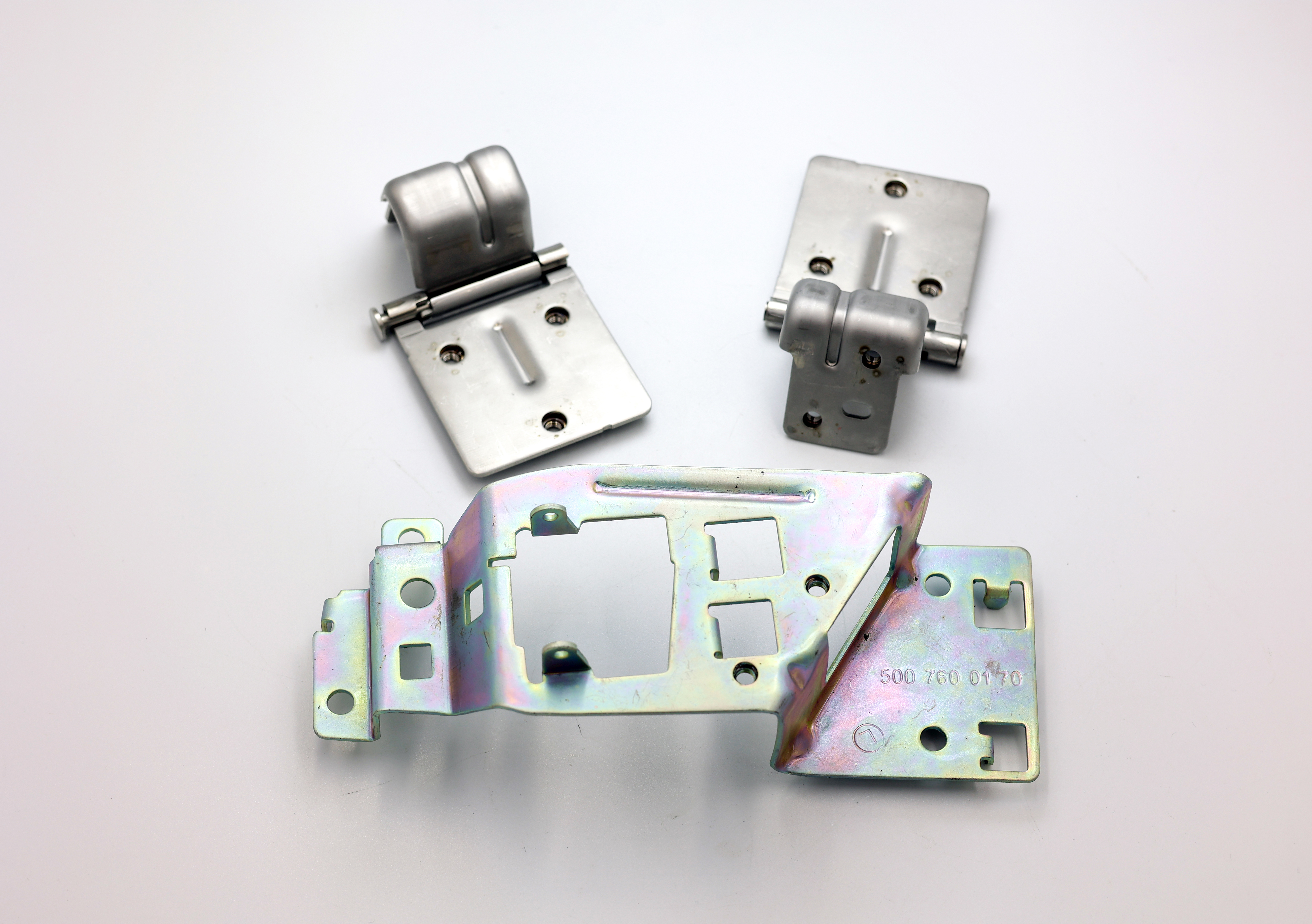
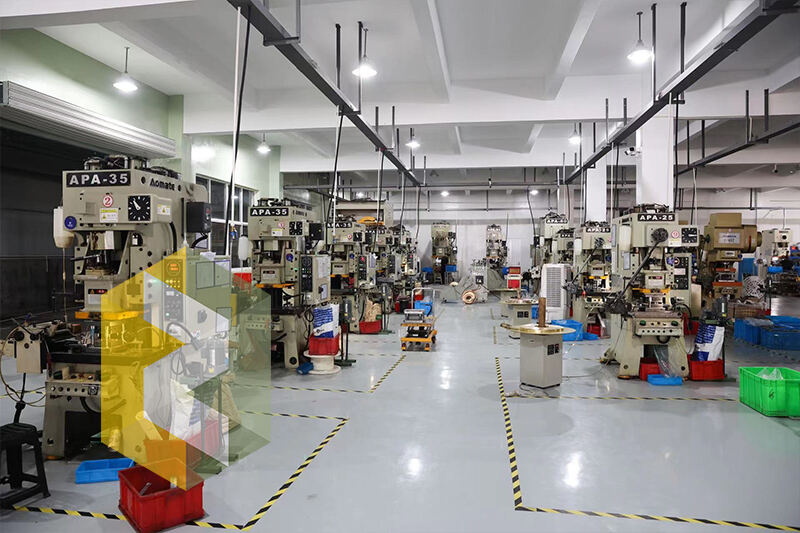
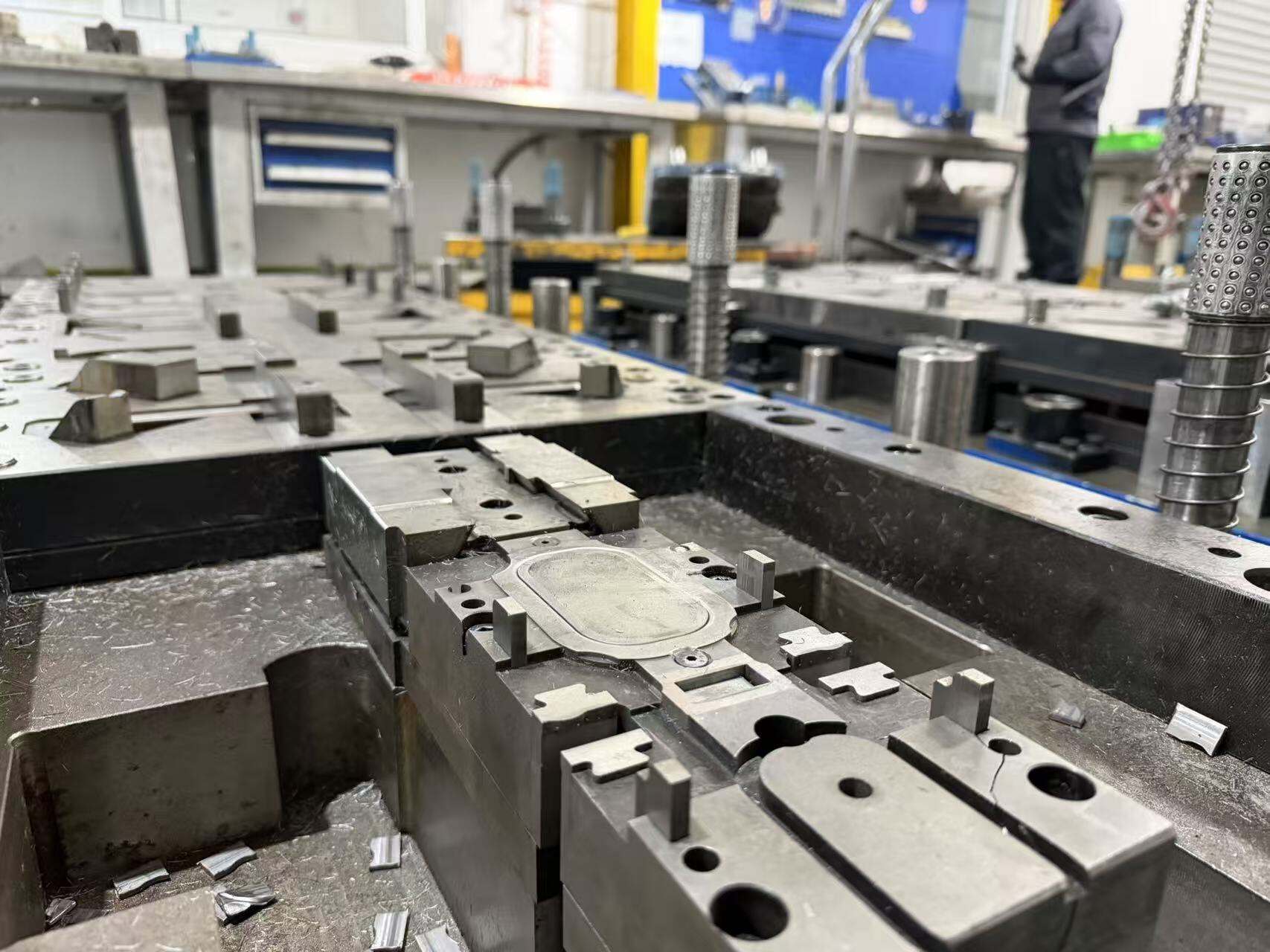
Custom aluminum stamping represents a sophisticated manufacturing process that transforms flat aluminum sheets into precisely shaped components through controlled deformation techniques. This metal forming method utilizes specialized dies and high-pressure equipment to create complex geometries while maintaining dimensional accuracy and structural integrity. The process begins with careful material selection, where engineers choose specific aluminum alloys based on desired mechanical properties and end-use requirements. Advanced stamping operations can produce intricate parts featuring deep draws, flanges, embossed patterns, and multiple bends in single or progressive sequences. Modern custom aluminum stamping facilities employ computer-controlled presses capable of delivering forces ranging from several tons to thousands of tons, enabling production of components from delicate electronic housings to robust automotive panels. The technological foundation relies on precision tooling design, where engineers create custom dies that impart exact specifications onto aluminum blanks. Temperature control systems ensure optimal material flow during forming operations, preventing cracking or excessive thinning in critical areas. Quality management systems incorporate real-time monitoring sensors that track dimensional tolerances, surface finish parameters, and structural soundness throughout production cycles. Custom aluminum stamping serves diverse industrial sectors including automotive manufacturing, aerospace engineering, electronics assembly, construction applications, and consumer goods production. The versatility of this process allows manufacturers to produce everything from lightweight heat sinks and electronic enclosures to decorative architectural elements and functional automotive components. Progressive stamping techniques enable high-volume production runs while maintaining consistent quality standards across thousands of identical parts. The combination of aluminum's inherent properties such as corrosion resistance, electrical conductivity, and favorable strength-to-weight ratios with precise stamping capabilities creates cost-effective solutions for numerous engineering challenges.

 EN
EN