Custom Metal Stamping Components: Precision Manufacturing Solutions for Industrial Applications

All Categories

Get a Free Quote

Our representative will contact you soon.
Email
Mobile/WhatsApp
Name
Company Name
Message
0/1000

custom metal stamping components

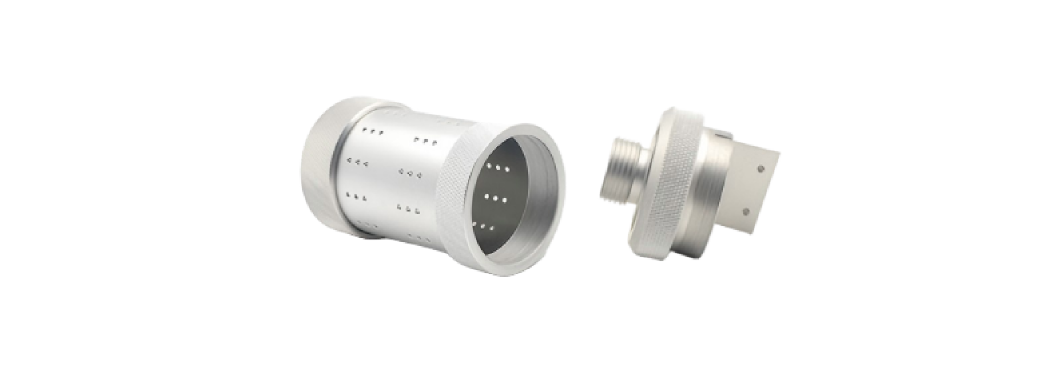
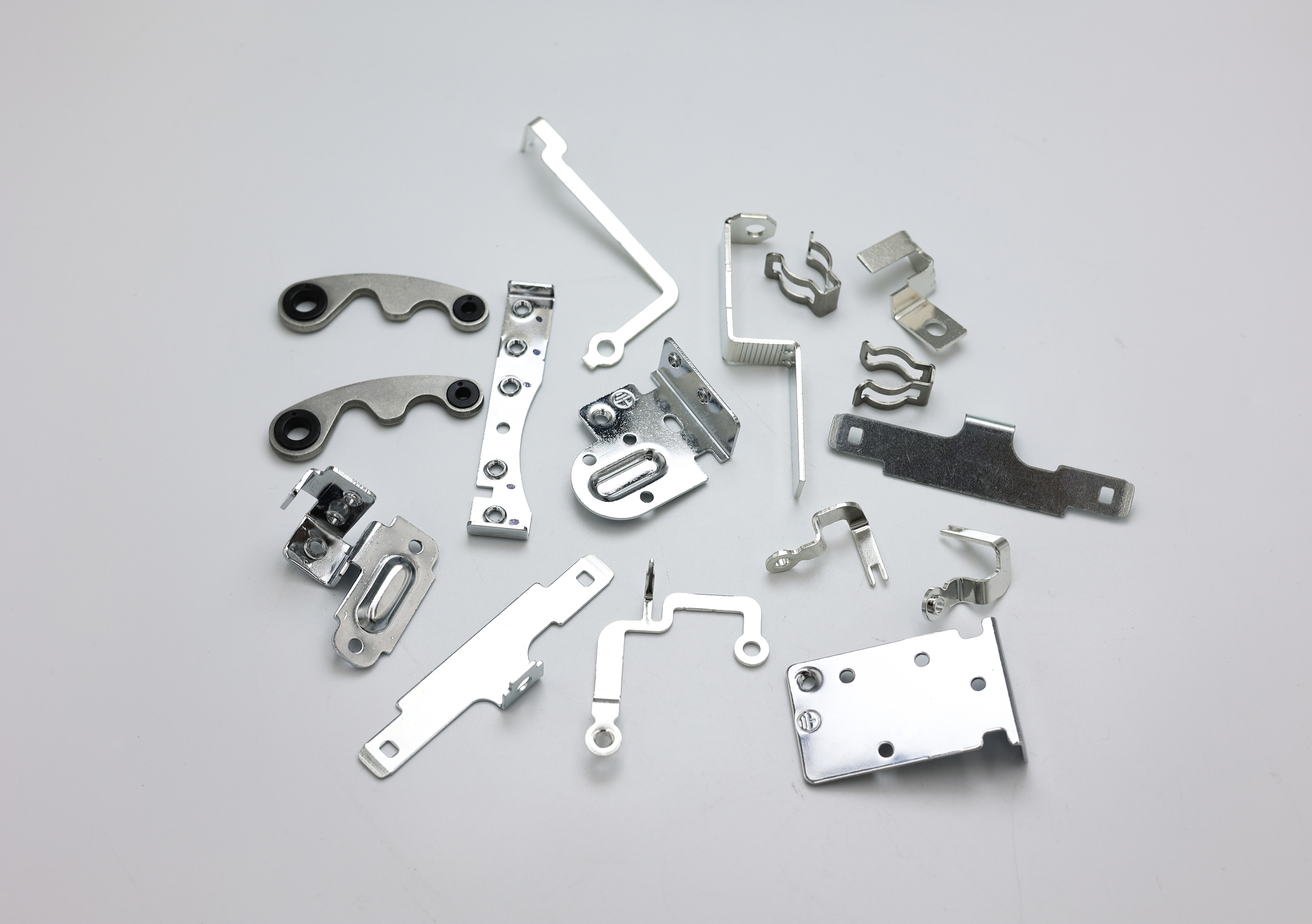
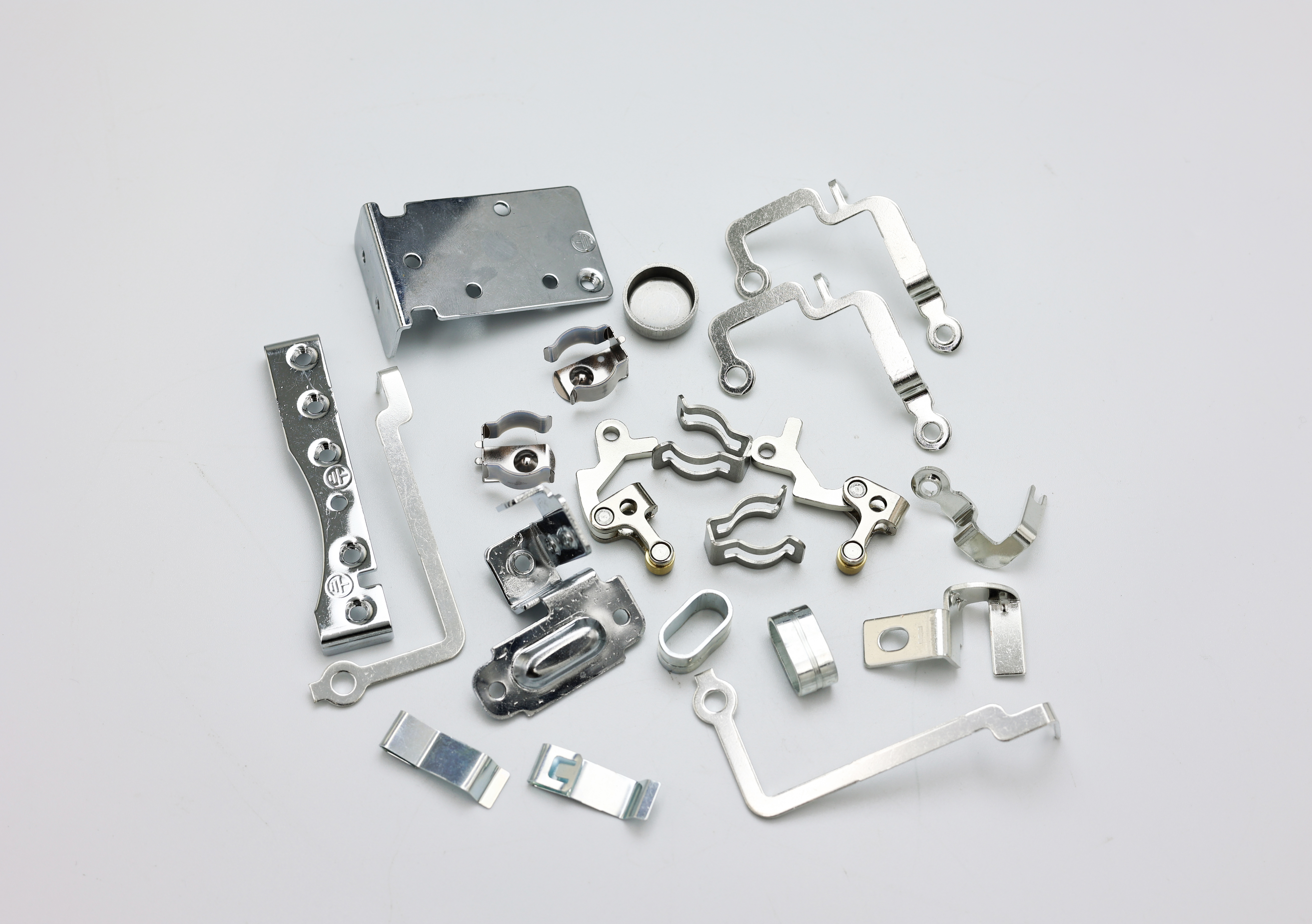
Custom metal stamping components represent a sophisticated manufacturing process that transforms flat metal sheets into precisely shaped, three-dimensional parts through the application of specialized dies and presses. This advanced fabrication technique involves feeding metal blanks through progressive stamping stations where each stage performs specific operations such as cutting, bending, forming, piercing, and embossing. The process utilizes high-tonnage mechanical or hydraulic presses equipped with custom-designed tooling to create components that meet exact specifications and tolerances. Custom metal stamping components serve multiple critical functions across diverse industries, primarily providing structural support, electrical connectivity, mechanical fastening, and aesthetic enhancement in finished products. The technology behind these components incorporates computer-aided design software, precision machining capabilities, and automated quality control systems to ensure consistent dimensional accuracy and surface finish quality. Modern stamping operations can handle various metal materials including steel, aluminum, brass, copper, and specialized alloys, with thickness ranges from ultra-thin foils to heavy-gauge plates. The versatility of custom metal stamping components makes them indispensable in automotive manufacturing, where they form body panels, brackets, and interior hardware. Electronics industries rely on these components for circuit board shields, connector housings, and heat sinks. Appliance manufacturers integrate stamped parts into washing machines, refrigerators, and heating systems. Medical device companies utilize precision-stamped components for surgical instruments, diagnostic equipment, and implantable devices. Aerospace applications demand high-performance custom metal stamping components for aircraft structures, engine components, and avionics housings. The construction industry incorporates these parts into building hardware, HVAC systems, and architectural elements. Agricultural equipment relies on durable stamped components for machinery frames, implements, and protective covers.

New Product Recommendations

Custom metal stamping components deliver exceptional cost-effectiveness compared to alternative manufacturing methods, particularly in high-volume production scenarios where economies of scale significantly reduce per-part costs. The initial tooling investment pays dividends through reduced material waste, faster production cycles, and minimal secondary operations. Manufacturers benefit from the rapid production speeds achievable with automated stamping systems, which can produce thousands of parts per hour while maintaining consistent quality standards. This efficiency translates directly into lower manufacturing costs and shorter lead times for customers. The precision capabilities of modern custom metal stamping components ensure tight tolerances and repeatable dimensions, eliminating the need for extensive post-production machining or finishing operations. Advanced die designs incorporate multiple forming operations in single press strokes, reducing handling time and potential quality issues associated with part transfer between operations. Material utilization rates in stamping operations typically exceed ninety percent, minimizing scrap generation and reducing raw material costs. The process accommodates a wide range of metal thicknesses and material properties, allowing designers to optimize component performance while controlling costs. Custom metal stamping components offer superior strength-to-weight ratios compared to cast or machined alternatives, making them ideal for applications requiring structural integrity without excessive mass. The cold-forming nature of the stamping process work-hardens the metal, increasing strength properties beyond the original material specifications. Surface finish quality from stamping operations often eliminates the need for additional coating or plating processes, reducing both cost and production time. Design flexibility in custom metal stamping components allows engineers to incorporate multiple features such as holes, slots, tabs, and formed details in single operations, reducing assembly complexity and fastener requirements. The scalability of stamping operations enables smooth transitions from prototype quantities to full production volumes without significant process changes or additional equipment investments. Quality control integration throughout the stamping process ensures defect detection and correction before parts reach subsequent manufacturing stages, reducing overall production costs and warranty issues.

Latest News

How To Determine The Chemical Stability Of Materials

10

Mar

How To Determine The Chemical Stability Of Materials

View More
Automotive Armrest Slide Rail Production Factory: The Cradle of Quality and Innovation

10

Mar

Automotive Armrest Slide Rail Production Factory: The Cradle of Quality and Innovation

View More

Get a Free Quote

Our representative will contact you soon.
Email
Mobile/WhatsApp
Name
Company Name
Message
0/1000

custom metal stamping components

Unmatched Precision and Repeatability in Manufacturing

Unmatched Precision and Repeatability in Manufacturing

The precision engineering capabilities of custom metal stamping components set new industry standards for dimensional accuracy and manufacturing consistency across high-volume production runs. Advanced computer-controlled press systems maintain tolerances within thousandths of an inch, ensuring every stamped component meets exact specifications regardless of production quantity. This exceptional precision stems from sophisticated die design methodologies that incorporate finite element analysis, computer-aided engineering simulations, and precision machining techniques to create tooling systems capable of producing identical parts throughout extended production cycles. The repeatability factor becomes crucial when manufacturing complex assemblies where multiple stamped components must interface perfectly with other manufactured parts. Modern stamping facilities utilize servo-driven press systems with programmable motion profiles that control forming speeds, dwell times, and pressure applications with microscopic precision. These systems eliminate the variability inherent in conventional mechanical presses, resulting in consistent part geometry, surface finish, and mechanical properties. Quality assurance protocols integrated into stamping operations include real-time dimensional monitoring, statistical process control, and automated rejection systems that maintain production quality without human intervention. The precision advantages extend beyond dimensional accuracy to include consistent material properties achieved through controlled deformation processes that optimize grain structure and stress distribution throughout the formed component. Custom metal stamping components produced with this level of precision eliminate the need for secondary machining operations, reducing production costs and delivery times while ensuring perfect fit and function in final assemblies. The investment in precision tooling and equipment pays substantial dividends through reduced scrap rates, eliminated rework requirements, and enhanced customer satisfaction resulting from consistently superior product quality.
Exceptional Material Versatility and Engineering Properties

Exceptional Material Versatility and Engineering Properties

Custom metal stamping components demonstrate remarkable adaptability across an extensive range of metallic materials, from lightweight aluminum alloys to high-strength steel grades, enabling engineers to select optimal materials for specific performance requirements while maintaining cost-effective manufacturing processes. The stamping process accommodates materials ranging from soft, highly formable metals like copper and brass to challenging high-strength alloys used in aerospace and automotive applications. This versatility extends to material thickness capabilities, with modern stamping operations handling everything from delicate foils measuring mere thousandths of an inch to robust plates exceeding quarter-inch thickness. The cold-forming nature of the stamping process provides unique metallurgical advantages by work-hardening the metal during deformation, increasing yield strength and fatigue resistance beyond the original material properties. This strain-hardening effect creates components with superior mechanical performance compared to parts produced through casting or machining processes that do not benefit from controlled plastic deformation. Advanced material handling systems in modern stamping facilities ensure proper material preparation, including cleaning, lubrication, and temperature conditioning that optimize formability and surface quality. The ability to process pre-coated materials such as galvanized steel, painted substrates, and specialty-coated alloys allows manufacturers to incorporate corrosion protection and aesthetic finishes directly into the stamping operation, eliminating secondary coating processes and reducing overall production costs. Material optimization capabilities in custom metal stamping components enable the use of tailored blanks with varying thickness distributions, allowing engineers to place material strength precisely where needed while minimizing weight and cost in non-critical areas. The process also accommodates advanced materials including titanium alloys, inconel, and other exotic metals required for specialized applications in medical devices, aerospace components, and high-performance automotive systems.
Superior Production Efficiency and Economic Value

Superior Production Efficiency and Economic Value

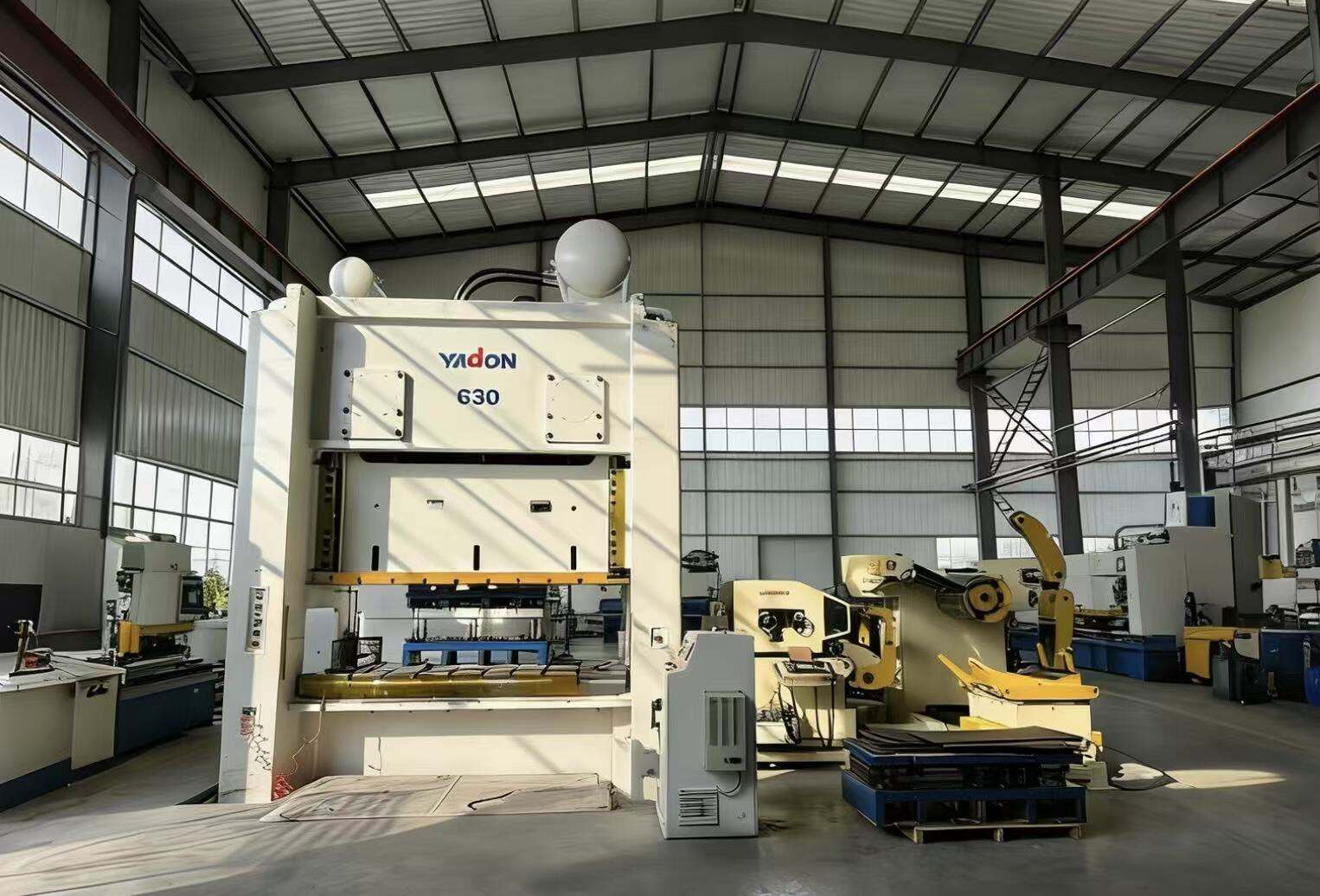
The production efficiency achieved through custom metal stamping components represents a fundamental advantage that transforms manufacturing economics by delivering exceptional throughput rates while maintaining stringent quality standards and minimizing operational costs. Modern progressive stamping systems operate at speeds exceeding 1,000 strokes per minute, producing complex components with multiple formed features in single press operations that would require numerous individual manufacturing steps using alternative production methods. This remarkable efficiency stems from automated material handling systems that feed coil stock through multiple stamping stations, performing cutting, forming, piercing, and finishing operations in coordinated sequences without manual intervention. The integration of servo-driven press technology enables precise control over forming speeds and tonnage application, optimizing cycle times while ensuring consistent part quality throughout extended production runs. Economic benefits multiply through reduced labor requirements, as automated stamping systems operate continuously with minimal supervision, eliminating the skilled machinist labor traditionally required for complex part production. Material utilization efficiency in progressive stamping operations typically exceeds 90 percent, dramatically reducing raw material costs compared to machining processes that generate substantial chip waste. The ability to perform multiple operations simultaneously within the stamping press eliminates inter-operation handling, reducing production time and minimizing opportunities for damage or contamination. Setup flexibility in modern stamping equipment allows rapid changeovers between different part configurations, enabling economical production of diverse product lines without dedicated tooling investments for each component variant. Energy efficiency advantages of hydraulic and mechanical stamping systems compare favorably to alternative manufacturing processes, particularly when producing large quantities of components where the energy cost per part becomes negligible. The scalability of stamping operations provides seamless transitions from prototype development through full production volumes, allowing manufacturers to validate designs and market demand before committing to high-volume tooling investments.

Get a Free Quote

Our representative will contact you soon.
Email
Mobile/WhatsApp
Name
Company Name
Message
0/1000