
 EN
EN
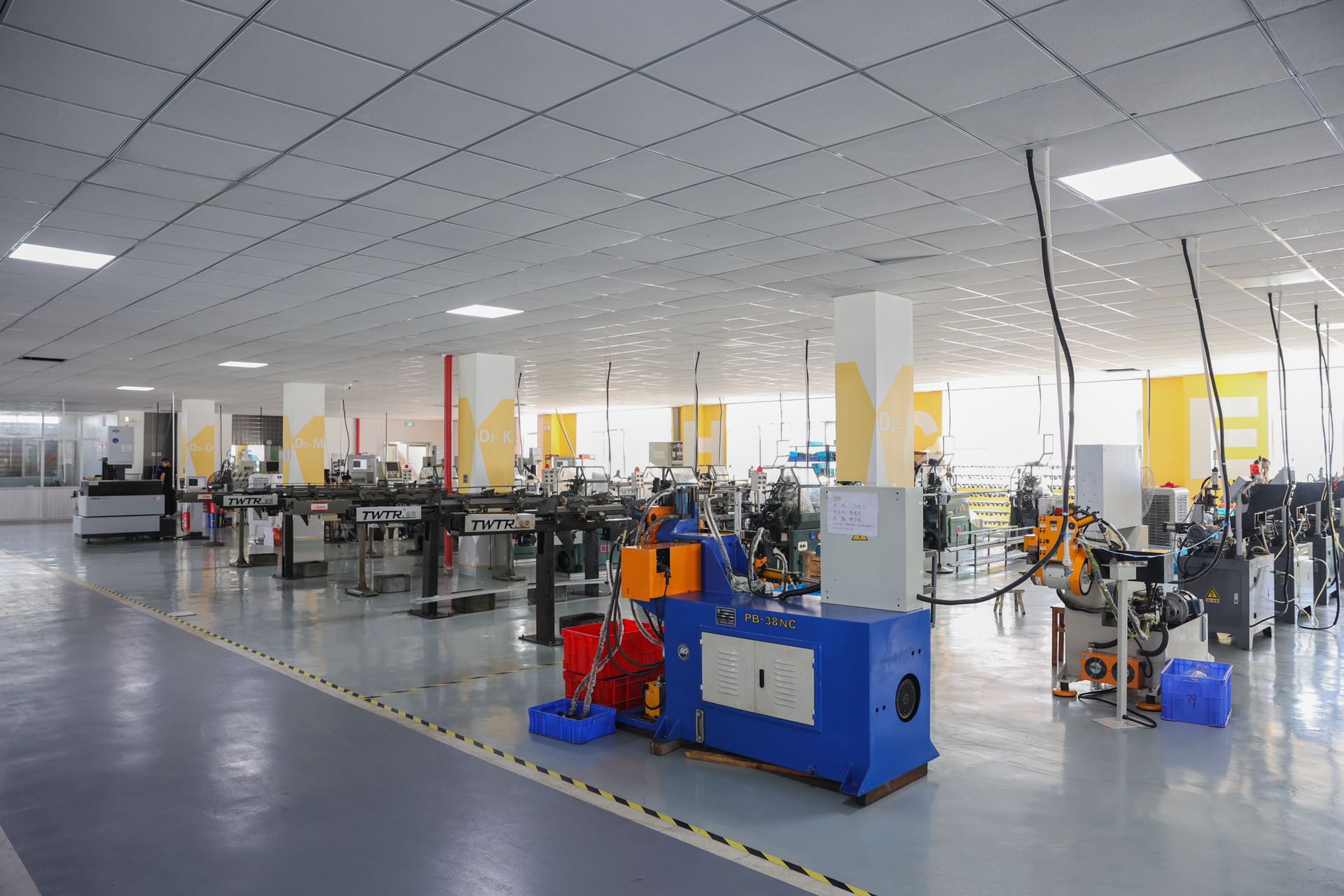
Plastic injection molding has become the dominant manufacturing process for high-volume consumer goods across nearly every industry imaginable. From smartphones and appliances to automotive components and packaging, plastic injection molding drives production efficiency and cost-effectiveness at scales that traditional manufacturing methods simply cannot match. Understanding why plastic injection molding has achieved this status requires examining the technical advantages, economic drivers, and practical capabilities that make it indispensable for modern consumer product manufacturing.

The prevalence of plastic injection molding in consumer goods production reflects decades of technological refinement and proven performance across global supply chains. Companies ranging from Fortune 500 enterprises to specialized manufacturers rely on plastic injection molding to deliver products with consistent quality, rapid turnaround times, and competitive pricing. This article explores the fundamental reasons why plastic injection molding has become the manufacturing standard for high-volume consumer applications.
Cost Efficiency and Economic Scalability
Dramatic Per-Unit Cost Reduction
The economics of plastic injection molding create a powerful incentive for high-volume production. While the initial tooling investment for plastic injection molding can range from tens of thousands to hundreds of thousands of dollars, this cost is amortized across production runs of millions of units. As production volume increases, the per-unit cost of plastic injection molding drops significantly, making it economically superior to alternative manufacturing methods. A consumer goods manufacturer producing five million units annually benefits from plastic injection molding costs that competitors using manual assembly or lower-volume processes simply cannot achieve.
Material Waste Minimization
Plastic injection molding generates minimal material waste compared to subtractive manufacturing processes. The process injects measured quantities of molten plastic into closed molds, meaning nearly all material becomes part of the finished product. Excess plastic waste from plastic injection molding can often be recycled and reground into new production runs, further reducing material costs. This efficiency in plastic injection molding makes it especially attractive for manufacturers managing raw material expenses and sustainability requirements in competitive consumer markets.
Production Speed and Manufacturing Capacity
Rapid Cycle Times Enable High-Volume Output
Cycle times for plastic injection molding typically range from 20 to 120 seconds per part, depending on part complexity and material selection. This speed means a single injection molding machine can produce thousands of parts daily, enabling manufacturers to meet aggressive production schedules and market demands. When consumer goods companies face seasonal demand spikes or unexpected market opportunities, plastic injection molding provides the manufacturing throughput necessary to capitalize on sales windows without costly overtime or capital investments in additional facilities.
Scalable Production Infrastructure
As demand for consumer goods fluctuates, manufacturers can scale plastic injection molding operations by adding or reducing machine deployments without fundamentally altering production logic. Contract manufacturers specializing in plastic injection molding maintain capacity to absorb client orders during peak seasons, then redirect that capacity to other customers during slower periods. This flexibility makes plastic injection molding the default choice for consumer goods companies facing unpredictable market conditions or seasonal product cycles.
Design Flexibility and Product Innovation
Complex Geometry and Multi-Feature Integration
Plastic injection molding enables creation of complex geometries, integrated snap features, undercuts, and internal structures that would require assembly steps or post-processing in alternative manufacturing methods. Product designers leverage this capability to create plastic injection molding parts that combine multiple functional features into single molded components. This consolidation reduces assembly labor, improves product reliability by eliminating mechanical joints, and enables innovative designs that give consumer goods manufacturers competitive differentiation in crowded markets.
Rapid Prototyping and Iteration
Modern plastic injection molding facilities use advanced technologies like 3D printing and CNC machining to create prototype molds in weeks rather than months. This acceleration in plastic injection molding tooling development allows consumer goods companies to test product concepts, validate designs, and iterate based on market feedback with remarkable speed. Companies bringing products to market faster than competitors gain significant advantages, and plastic injection molding provides the manufacturing agility necessary to achieve this goal.
Quality, Consistency, and Regulatory Compliance
Dimensional Precision and Consistency
Modern plastic injection molding equipment maintains tolerances within hundredths of a millimeter across entire production runs. This consistency means consumer goods manufactured through plastic injection molding exhibit reliable performance and appearance throughout their lifecycle. Quality control becomes primarily a matter of monitoring mold conditions and plastic injection molding equipment parameters rather than inspecting individual parts, reducing defect rates and warranty costs substantially.
Compliance with Industry Standards
Medical device manufacturers, automotive suppliers, and food packaging companies all depend on plastic injection molding to meet stringent regulatory requirements. The process enables traceability through documented material batches and machine parameters, supporting compliance with FDA, ISO, and industry-specific standards. Plastic injection molding's ability to produce certified, compliant parts at volume makes it essential for consumer goods operating in regulated industries.
FAQ
Why is plastic injection molding preferred over 3D printing for high-volume consumer goods?
While 3D printing excels at prototyping and low-volume custom production, plastic injection molding delivers per-unit economics that 3D printing cannot match at high volumes. A single injection molding machine produces parts far faster than multiple 3D printers, and tooling costs amortize across large production runs making plastic injection molding dramatically cheaper per unit. For consumer goods manufacturers producing hundreds of thousands or millions of units annually, plastic injection molding remains the only economically viable choice.
Can plastic injection molding accommodate small production runs or limited quantities?
Yes, plastic injection molding can work for smaller production runs, though minimum viable quantities typically range from 10,000 to 50,000 units depending on part complexity and tooling requirements. Below these thresholds, the per-unit cost of plastic injection molding tooling becomes prohibitive compared to alternatives. Many manufacturers use plastic injection molding for established products while employing other methods for new product trials or limited editions.
What materials are compatible with plastic injection molding for consumer goods?
Plastic injection molding accommodates a vast range of materials including polycarbonate, ABS, polyethylene, polypropylene, nylon, and specialized engineering plastics. Material selection depends on application requirements such as temperature resistance, flexibility, transparency, chemical resistance, and regulatory compliance. Manufacturers specify materials for plastic injection molding based on product performance needs and cost constraints, giving designers substantial freedom in achieving desired product characteristics.