
 EN
EN
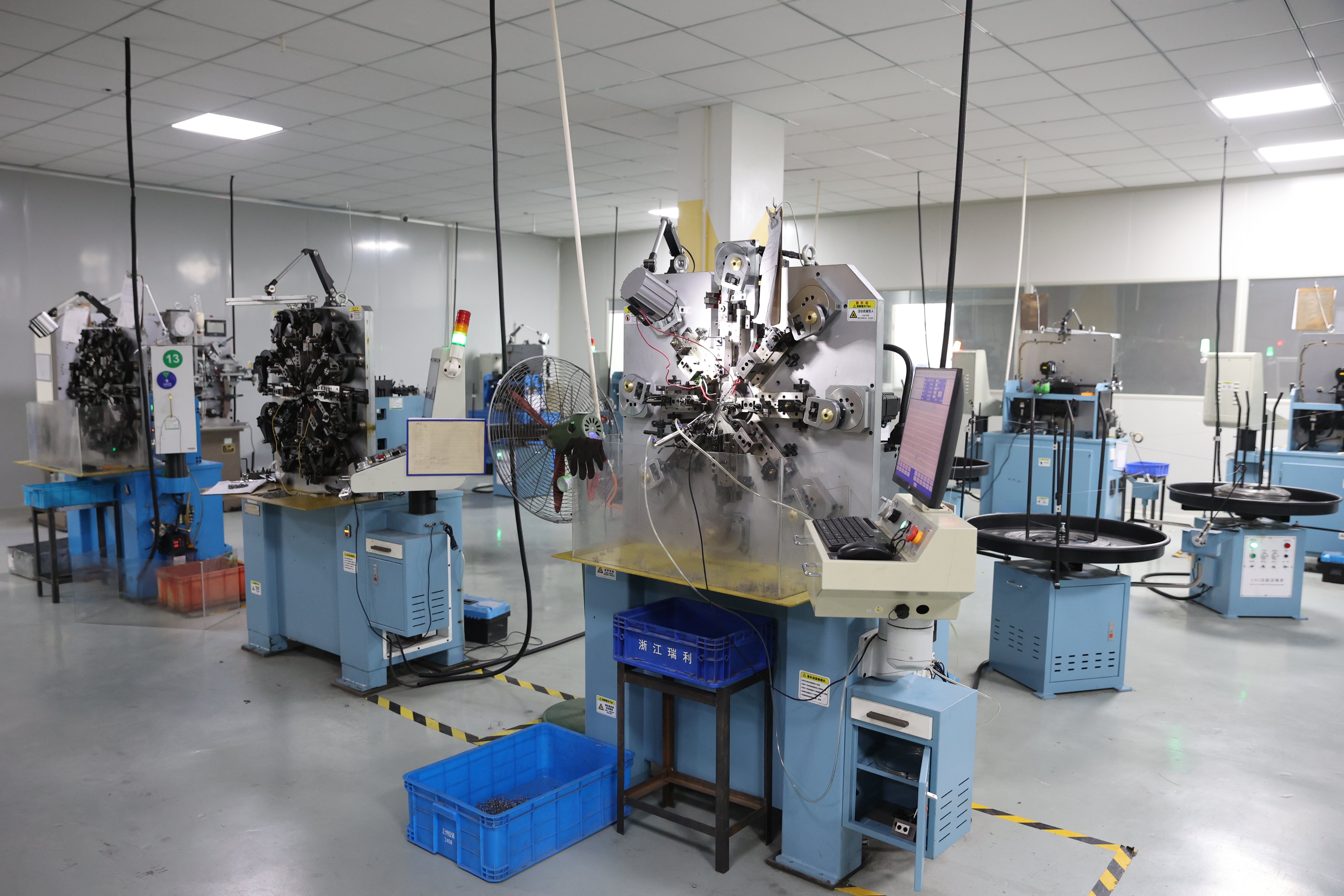
Heavy-duty coil springs are critical components in industrial machinery, automotive systems, and equipment that must withstand extreme loads and repetitive stress cycles. The performance of heavy-duty coil springs depends on numerous design parameters, but one of the most influential factors is wire diameter. Understanding how wire diameter impacts heavy-duty coil springs allows engineers and manufacturers to optimize spring designs for specific applications, ensuring reliability, longevity, and cost-effectiveness. Wire diameter directly influences load capacity, stiffness, fatigue resistance, and overall durability of heavy-duty coil springs.

The relationship between wire diameter and spring performance is not arbitrary; it follows established engineering principles rooted in material science and mechanics. When selecting or designing heavy-duty coil springs for demanding applications, engineers must carefully consider how changes in wire diameter will affect stress distribution, deflection characteristics, and resistance to failure. This decision impacts not only initial manufacturing costs but also maintenance expenses, replacement frequency, and system reliability throughout the equipment's operational life.
Wire Diameter and Load Capacity in Heavy-Duty Coil Springs
How Wire Diameter Determines Maximum Load Rating
The load capacity of heavy-duty coil springs is fundamentally related to wire diameter through a power relationship. As wire diameter increases, the cross-sectional area of the wire grows exponentially, allowing the spring to support proportionally greater loads without permanent deformation. For heavy-duty coil springs, even modest increases in wire diameter can result in significant improvements in maximum load rating. Engineers use this principle to select appropriate wire diameters when designs require higher load capacity, ensuring that heavy-duty coil springs meet or exceed specified performance targets.
The stress experienced by the wire in heavy-duty coil springs decreases as wire diameter increases, assuming the same load and spring geometry. This stress reduction is critical because heavy-duty coil springs operating near their load limits face higher risks of premature failure, crack initiation, and permanent set. By specifying a larger wire diameter, designers can operate heavy-duty coil springs at lower stress levels, extending service life and improving reliability. This principle is especially important in applications where springs experience shock loads or operate in harsh environments where stress concentrations may develop.
Practical Load Calculations for Heavy-Duty Coil Springs
Engineers designing heavy-duty coil springs must account for the fourth-power relationship between wire diameter and bending strength. This means that doubling the wire diameter increases the load-carrying capacity by a factor of sixteen, a dramatic improvement that demonstrates why wire diameter is such a critical design parameter. For heavy-duty coil springs used in compression applications, this relationship allows designers to achieve desired load ratings through careful wire diameter selection. Material properties, coil geometry, and manufacturing tolerances must also be considered, but wire diameter remains the most direct lever for adjusting load capacity.
In practice, heavy-duty coil springs serving high-load applications often require iterative calculations to balance competing requirements. Larger wire diameters provide higher load capacity but increase material costs, add weight, and may require larger installation envelopes. Heavy-duty coil springs must fit within spatial constraints while meeting load and durability specifications. This optimization process ensures that selected wire diameters deliver the necessary performance without unnecessary over-specification or cost inflation.
Stiffness, Deflection, and Spring Rate Characteristics
Understanding Spring Rate in Heavy-Duty Coil Springs
The spring rate, or stiffness, of heavy-duty coil springs increases significantly with wire diameter. Spring rate determines how much the spring deflects under a given load, a characteristic crucial for maintaining proper system operation and performance. Heavy-duty coil springs with larger wire diameters exhibit steeper spring rates, meaning they compress less under load compared to springs with smaller wire diameters. This relationship is essential because many industrial applications require precise deflection characteristics to maintain proper clearances, alignment, or energy absorption performance.
For heavy-duty coil springs in applications requiring controlled energy absorption or shock mitigation, wire diameter selection significantly impacts performance. A spring that deflects too little may fail to absorb sufficient energy, while a spring that deflects excessively may bottoming-out or exceed available space. Heavy-duty coil springs must be designed with wire diameters that produce appropriate spring rates for the specific application. Engineers use the fundamental spring rate equation to calculate how changes in wire diameter will affect deflection, allowing precise tuning of heavy-duty coil springs to match system requirements.
Design Trade-offs in Heavy-Duty Coil Spring Applications
When designing heavy-duty coil springs, engineers often face trade-offs between stiffness and other performance characteristics. Larger wire diameters increase stiffness, which enhances load capacity but reduces deflection capability, potentially limiting energy absorption. Heavy-duty coil springs for damping or vibration isolation applications may require different wire diameters than those designed for simple load support. Understanding these trade-offs ensures that heavy-duty coil springs are optimized for their intended function rather than generic maximum performance.
Applications involving heavy-duty coil springs must consider resonant frequencies, natural frequency matching, and system dynamics. Wire diameter influences these characteristics through its effect on mass and stiffness distribution. Heavy-duty coil springs specified with careful attention to wire diameter ensure that natural frequencies align with design intentions, preventing unwanted vibration amplification or isolation failures. This consideration becomes increasingly important in precision equipment where vibration control directly affects product quality and operational accuracy.
Fatigue Resistance and Long-Term Durability of Heavy-Duty Coil Springs
Stress Concentration and Fatigue Performance
Fatigue failure represents one of the primary failure modes in heavy-duty coil springs operating under cyclic loading conditions. Wire diameter dramatically influences fatigue resistance through its effect on surface stress concentrations and stress gradients within the wire. Larger wire diameters in heavy-duty coil springs distribute stress more gradually across the wire's cross-section, reducing peak stress concentrations and improving fatigue life. This stress distribution effect explains why many heavy-duty coil springs operating in high-cycle applications feature relatively large wire diameters despite not requiring maximum load capacity.
The surface finish and residual stress state of wire in heavy-duty coil springs also interact with diameter to influence fatigue performance. Larger wire diameters may require different manufacturing processes or shot-peening treatments to achieve optimal surface conditions. Heavy-duty coil springs benefit from manufacturing processes that introduce compressive residual stresses, which counteract tensile operating stresses and extend fatigue life. Wire diameter selection must account for manufacturing capabilities and post-processing options available for heavy-duty coil springs in the target application.
Environmental Factors and Wire Diameter Interactions
Heavy-duty coil springs exposed to corrosive environments face accelerated failure rates due to stress concentration at corrosion pits and general material loss. Wire diameter interacts with corrosion characteristics because larger diameters can tolerate greater material loss before mechanical properties degrade unacceptably. Heavy-duty coil springs specified with adequate wire diameter provide a safety margin against corrosion damage, extending service life in challenging environments. Protective coatings or corrosion-resistant materials may also influence optimal wire diameter selection for heavy-duty coil springs facing environmental threats.
Temperature effects on material properties also intersect with wire diameter considerations for heavy-duty coil springs. Elevated temperatures reduce material strength and fatigue resistance, requiring compensating adjustments in wire diameter to maintain performance margins. Heavy-duty coil springs operating in thermal environments must account for temperature-dependent relaxation phenomena that cause permanent stress relief and potential load loss over time. Larger wire diameters help mitigate relaxation effects by maintaining adequate stress levels even after partial stress relief occurs in heavy-duty coil springs.
FAQ
How does wire diameter affect the cost of heavy-duty coil springs?
Wire diameter has a direct relationship with material volume and manufacturing costs in heavy-duty coil springs. Larger wire diameters require more raw material and may necessitate longer manufacturing times, specialized equipment, or alternative processing methods. However, the improved performance of heavy-duty coil springs with optimized wire diameters often justifies the material cost through extended service life and reduced replacement frequency, ultimately providing better value. The total cost analysis for heavy-duty coil springs should consider initial purchase price, installation costs, and lifetime maintenance expenses.
Can wire diameter be changed after heavy-duty coil springs are manufactured?
Wire diameter is set during the manufacturing process of heavy-duty coil springs and cannot be modified after production. This permanent characteristic means that specification of the correct wire diameter during the design phase is critical to avoid costly redesigns or performance compromises. Engineers must carefully analyze application requirements and validate that selected wire diameters will deliver necessary performance throughout the heavy-duty coil springs' operational life. Field modifications to wire diameter would require complete spring replacement, making initial specification accuracy essential.
What standards guide wire diameter selection for heavy-duty coil springs?
Industry standards such as those from the Society of Automotive Engineers (SAE), the American Society of Mechanical Engineers (ASME), and the International Organization for Standardization (ISO) provide guidelines for heavy-duty coil springs design parameters including wire diameter. These standards establish minimum performance requirements, testing procedures, and acceptable material specifications for heavy-duty coil springs across various industries. Custom manufacturers of heavy-duty coil springs typically work with customers to select wire diameters that comply with applicable standards while meeting specific application requirements.