Premium Precision Stamping Parts - Custom Metal Components Manufacturing Solutions

All Categories

Get a Free Quote

Our representative will contact you soon.
Email
Mobile/WhatsApp
Name
Company Name
Message
0/1000

precision stamping parts

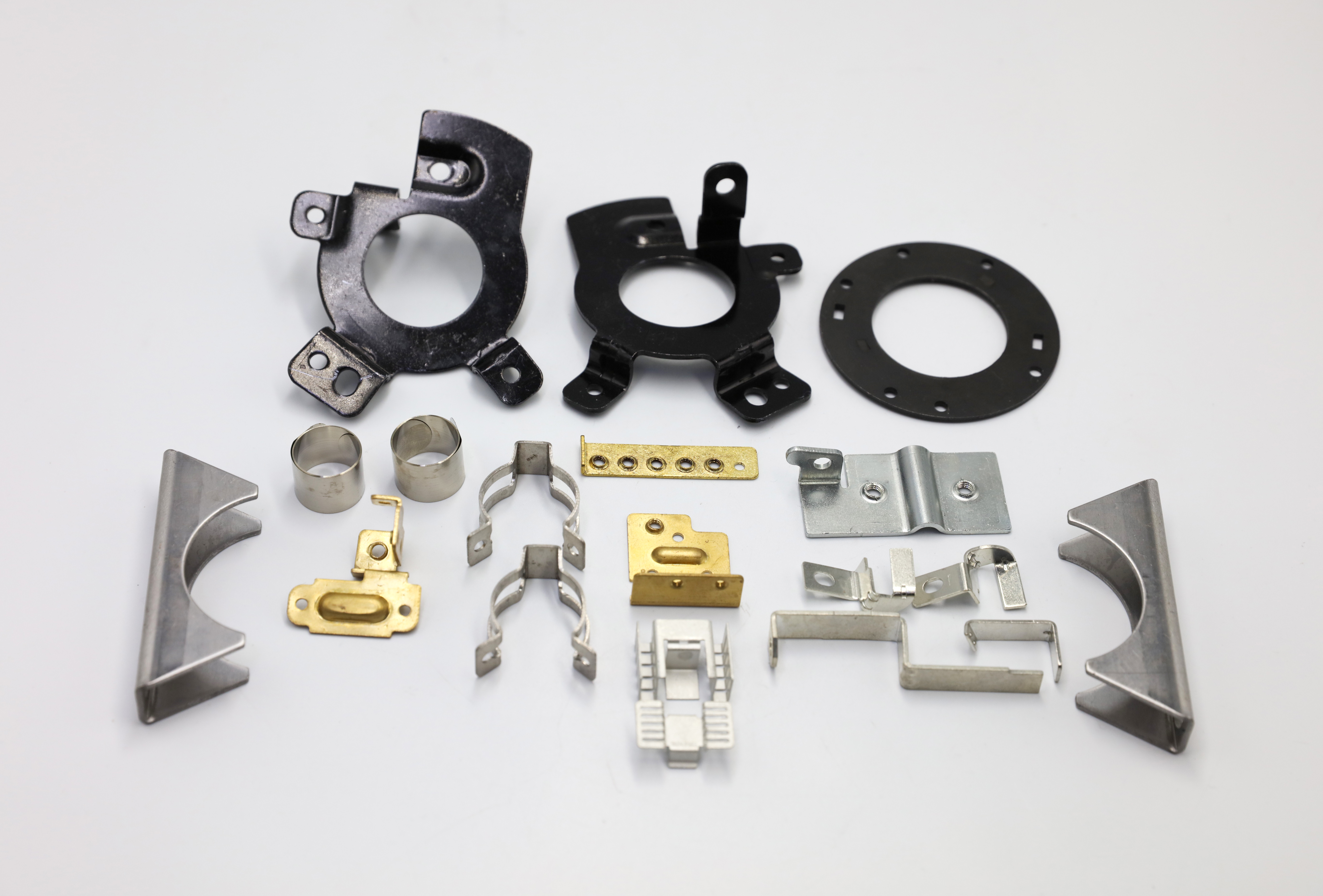
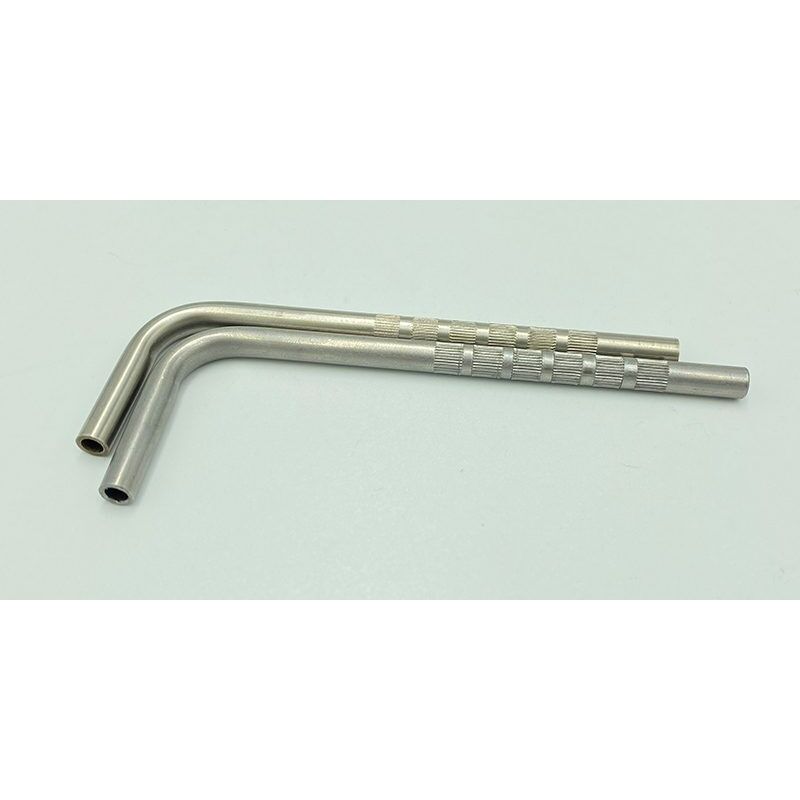
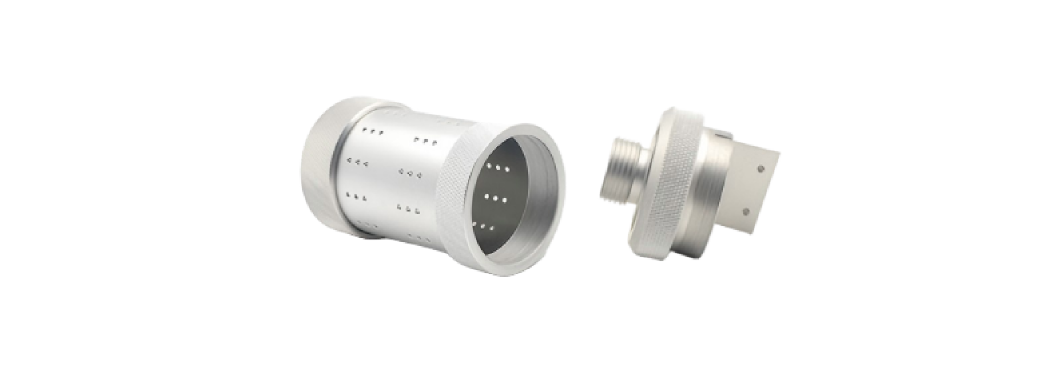
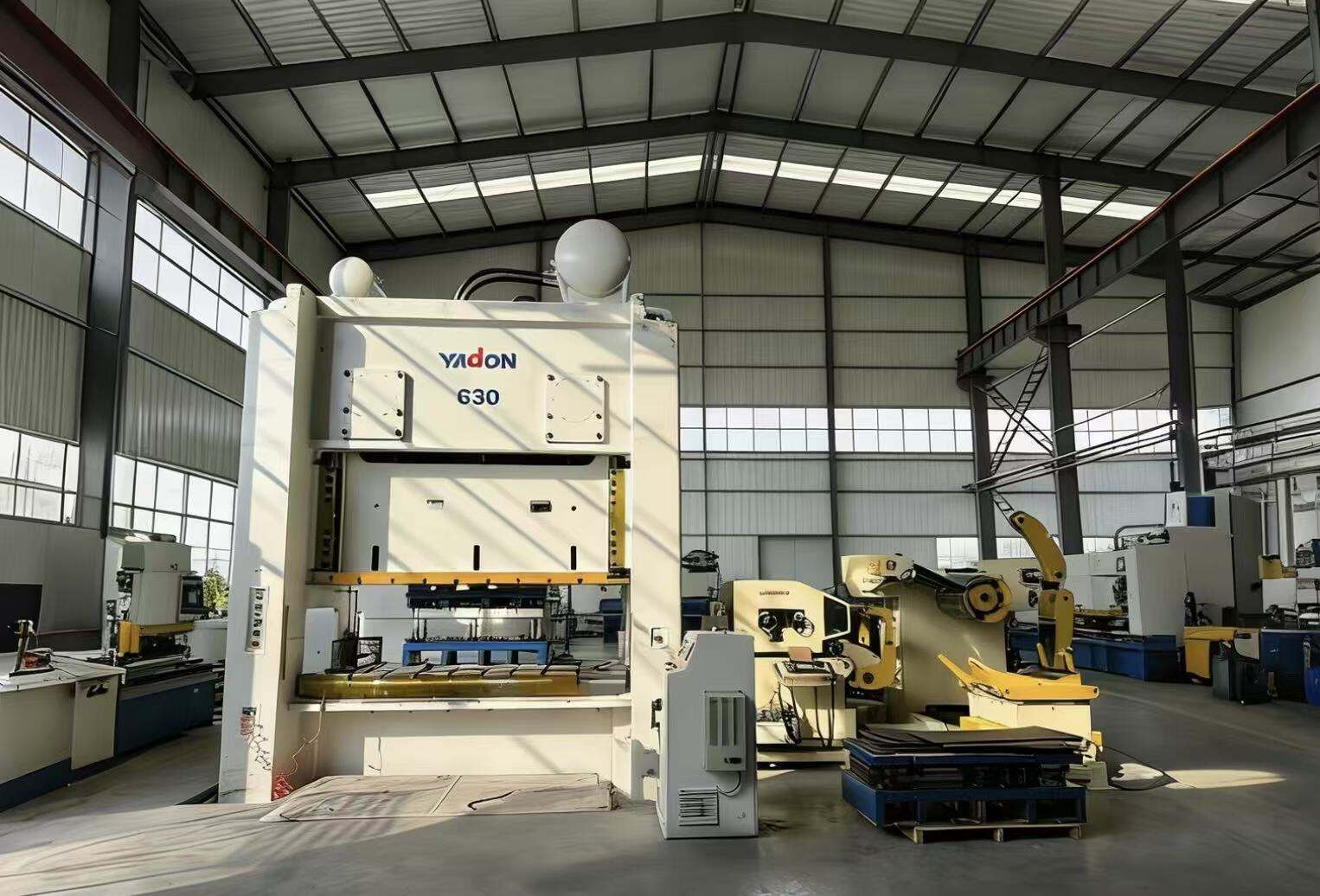
Precision stamping parts represent a cornerstone of modern manufacturing technology, delivering exceptional accuracy and consistency in metal forming processes. These components are created through advanced stamping techniques that utilize specialized tooling and high-performance presses to transform raw metal sheets into precisely engineered parts. The precision stamping process involves feeding metal stock through a series of dies that cut, bend, and form the material into specific shapes with tolerances measured in thousandths of an inch. This manufacturing method combines speed, accuracy, and cost-effectiveness to produce components that meet the stringent requirements of various industries. The technological features of precision stamping parts include superior dimensional accuracy, consistent surface finishes, and the ability to incorporate complex geometries in a single operation. Modern precision stamping facilities employ computer-controlled equipment that monitors every aspect of the production process, ensuring each part meets exact specifications. The process can handle a wide range of materials, including steel, aluminum, brass, copper, and specialized alloys, making it versatile for diverse applications. Quality control systems integrated throughout the manufacturing process include real-time monitoring, statistical process control, and comprehensive inspection protocols. These precision stamping parts find extensive applications across automotive manufacturing, where they serve as brackets, connectors, and structural components. The electronics industry relies heavily on these parts for circuit board components, heat sinks, and enclosures that protect sensitive equipment. Medical device manufacturers utilize precision stamping parts for surgical instruments, implantable components, and diagnostic equipment housings. Aerospace applications include critical components that must withstand extreme conditions while maintaining precise tolerances. The versatility of precision stamping extends to consumer goods, where these parts appear in appliances, furniture hardware, and decorative elements that combine functionality with aesthetic appeal.
New Products

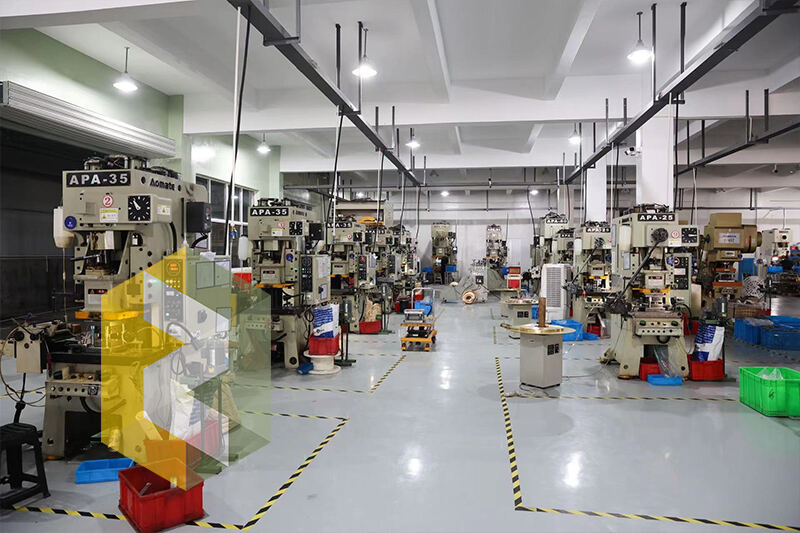
Precision stamping parts offer remarkable cost efficiency compared to alternative manufacturing methods, making them an ideal choice for both high-volume production runs and specialized applications. The automated nature of the stamping process reduces labor costs while maintaining consistent quality, allowing manufacturers to produce large quantities without compromising accuracy. This cost advantage becomes particularly pronounced when producing complex parts that would require multiple machining operations using traditional methods. The speed of production represents another significant advantage, with modern precision stamping equipment capable of producing hundreds or thousands of parts per hour depending on complexity. This rapid production capability enables manufacturers to meet tight delivery schedules and respond quickly to market demands. The dimensional accuracy achieved through precision stamping surpasses many other manufacturing processes, with tolerances achievable within plus or minus 0.001 inches or better. This level of precision eliminates the need for secondary machining operations in many cases, further reducing production time and costs. Material waste reduction stands as a crucial benefit, as precision stamping processes are designed to maximize material utilization through efficient nesting and progressive die designs. The consistent repeatability of precision stamping ensures that every part produced meets identical specifications, reducing quality control concerns and eliminating variations that could affect assembly or performance. Flexibility in design modifications allows engineers to make adjustments without significant tooling changes, accommodating design evolution and improvement initiatives. The ability to incorporate multiple forming operations in a single press stroke reduces handling time and eliminates potential alignment issues that could occur with separate operations. Surface finish quality achieved through precision stamping often meets or exceeds requirements for painted, plated, or coated applications without additional preparation. The structural integrity of precision stamped parts benefits from the work hardening that occurs during the forming process, often resulting in stronger components than those produced through alternative methods. Environmental benefits include reduced energy consumption compared to machining processes and the ability to recycle stamping waste materials efficiently. Long-term reliability of precision stamping parts stems from the controlled manufacturing environment and proven material properties, making them suitable for critical applications where failure is not acceptable.

Practical Tips

How To Determine The Chemical Stability Of Materials

10

Mar

How To Determine The Chemical Stability Of Materials

View More
Automotive Armrest Slide Rail Production Factory: The Cradle of Quality and Innovation

10

Mar

Automotive Armrest Slide Rail Production Factory: The Cradle of Quality and Innovation

View More
Testing Standards For Corrosion Resistance Of Automotive Parts

10

Mar

Testing Standards For Corrosion Resistance Of Automotive Parts

View More

Get a Free Quote

Our representative will contact you soon.
Email
Mobile/WhatsApp
Name
Company Name
Message
0/1000

precision stamping parts

Superior Dimensional Accuracy and Consistency

Superior Dimensional Accuracy and Consistency

The hallmark of precision stamping parts lies in their exceptional dimensional accuracy and unwavering consistency across production runs. This superior accuracy stems from the advanced tooling systems and computer-controlled manufacturing processes that eliminate human error and mechanical variation. Modern precision stamping facilities utilize progressive dies engineered with tolerances measured in ten-thousandths of an inch, ensuring that each part produced maintains identical specifications regardless of production volume. The consistency achieved through precision stamping translates directly into reduced assembly time for manufacturers, as parts fit together perfectly without adjustment or modification. This dimensional stability proves particularly valuable in automated assembly operations where robotic systems require parts that meet exact specifications every time. Quality control systems integrated throughout the precision stamping process include coordinate measuring machines, optical comparators, and statistical process control software that monitors dimensional parameters in real-time. These systems detect variations before they exceed acceptable limits, automatically adjusting process parameters to maintain tight tolerances. The temperature-controlled manufacturing environment further contributes to dimensional stability by eliminating thermal expansion effects that could compromise accuracy. Material properties remain consistent throughout the precision stamping process due to controlled metal flow and uniform work hardening, resulting in parts with predictable mechanical characteristics. The repeatability of precision stamping extends beyond basic dimensions to include complex features such as holes, slots, bends, and formed details that maintain identical positioning and geometry across millions of parts. This consistency eliminates the need for sorting or selective assembly processes, streamlining production workflows and reducing inventory complexity. Documentation systems track dimensional data for every production lot, providing traceability and quality assurance records that meet the most stringent industry requirements. The long-term stability of precision stamped parts ensures that replacement components will maintain identical fit and function years after initial production, supporting aftermarket needs and maintenance programs.
Exceptional Material Utilization and Waste Reduction

Exceptional Material Utilization and Waste Reduction

Precision stamping parts demonstrate outstanding material utilization efficiency, maximizing the value extracted from raw material inputs while minimizing waste generation throughout the manufacturing process. This efficiency stems from sophisticated nesting software and progressive die design techniques that optimize material layout to achieve utilization rates often exceeding 85 percent. The computer-aided design systems used in precision stamping analyze part geometry and material properties to determine the most efficient strip layout, considering factors such as grain direction, material thickness variations, and scrap bridge requirements. Progressive die designs enable multiple forming operations within a single press stroke, eliminating the material waste associated with transferring parts between separate operations. The precision control of material feed systems ensures consistent strip advancement, preventing material waste due to misalignment or feeding errors. Scrap material generated during precision stamping operations maintains high recycling value due to the clean cutting process and known material composition, contributing to sustainable manufacturing practices. The ability to produce net-shape or near-net-shape parts through precision stamping eliminates the material waste associated with secondary machining operations that remove material to achieve final dimensions. Coil processing systems integrated with precision stamping operations optimize material ordering and handling, reducing waste associated with material handling damage and obsolescence. The consistent material thickness achieved through precision stamping processes eliminates the need for material sorting or grading, reducing waste associated with off-specification materials. Quality control measures implemented throughout the precision stamping process identify material defects early in production, preventing the waste of processing time and energy on defective materials. The ability to utilize a wide range of material types and gauges through precision stamping provides flexibility in material selection, enabling manufacturers to choose the most cost-effective options while maintaining performance requirements. Lean manufacturing principles applied to precision stamping operations include just-in-time material delivery, reducing waste associated with excess inventory and material handling. The environmental impact reduction achieved through efficient material utilization supports corporate sustainability initiatives while reducing raw material costs and disposal expenses.
Rapid Production Speed and Scalability

Rapid Production Speed and Scalability

The rapid production capabilities of precision stamping parts manufacturing enable unprecedented scalability and responsiveness to market demands, making it an ideal solution for both prototype development and high-volume production requirements. Modern precision stamping equipment operates at speeds ranging from several hundred to thousands of strokes per minute, depending on part complexity and material thickness, delivering production volumes that far exceed alternative manufacturing methods. This exceptional speed advantage stems from the automated nature of the stamping process, where parts are formed, cut, and ejected in a continuous cycle without manual intervention. The scalability of precision stamping operations allows manufacturers to adjust production volumes quickly in response to demand fluctuations, supporting just-in-time manufacturing strategies and reducing inventory carrying costs. Setup time optimization through quick-change tooling systems and automated die handling equipment minimizes production interruptions, maximizing equipment utilization and throughput. The ability to produce multiple part variations through progressive die designs enables efficient production of part families, reducing changeover time and increasing overall productivity. Integration with automated material handling systems creates seamless production flows from raw material input to finished part packaging, eliminating bottlenecks and reducing labor requirements. Real-time production monitoring systems track output rates, quality metrics, and equipment performance, enabling continuous improvement initiatives and predictive maintenance programs that maximize uptime. The parallel processing capabilities of precision stamping allow multiple parts to be produced simultaneously within a single press stroke, multiplying production efficiency for smaller components. Flexible manufacturing systems incorporating precision stamping can accommodate varying production schedules and part mix requirements, supporting diverse customer needs without dedicated equipment investments. The rapid prototyping capabilities of precision stamping enable quick validation of design concepts and accelerated time-to-market for new products. Production planning software optimized for precision stamping operations considers material availability, tooling requirements, and capacity constraints to maximize throughput while meeting delivery commitments. The ability to integrate precision stamping with downstream assembly operations creates value-added manufacturing solutions that reduce total production time and handling costs while maintaining quality standards throughout the entire process.

Get a Free Quote

Our representative will contact you soon.
Email
Mobile/WhatsApp
Name
Company Name
Message
0/1000