Custom Precision Stamping Parts - Advanced Manufacturing Solutions for High-Quality Metal Components

All Categories

Get a Free Quote

Our representative will contact you soon.
Email
Mobile/WhatsApp
Name
Company Name
Message
0/1000

custom precision stamping parts

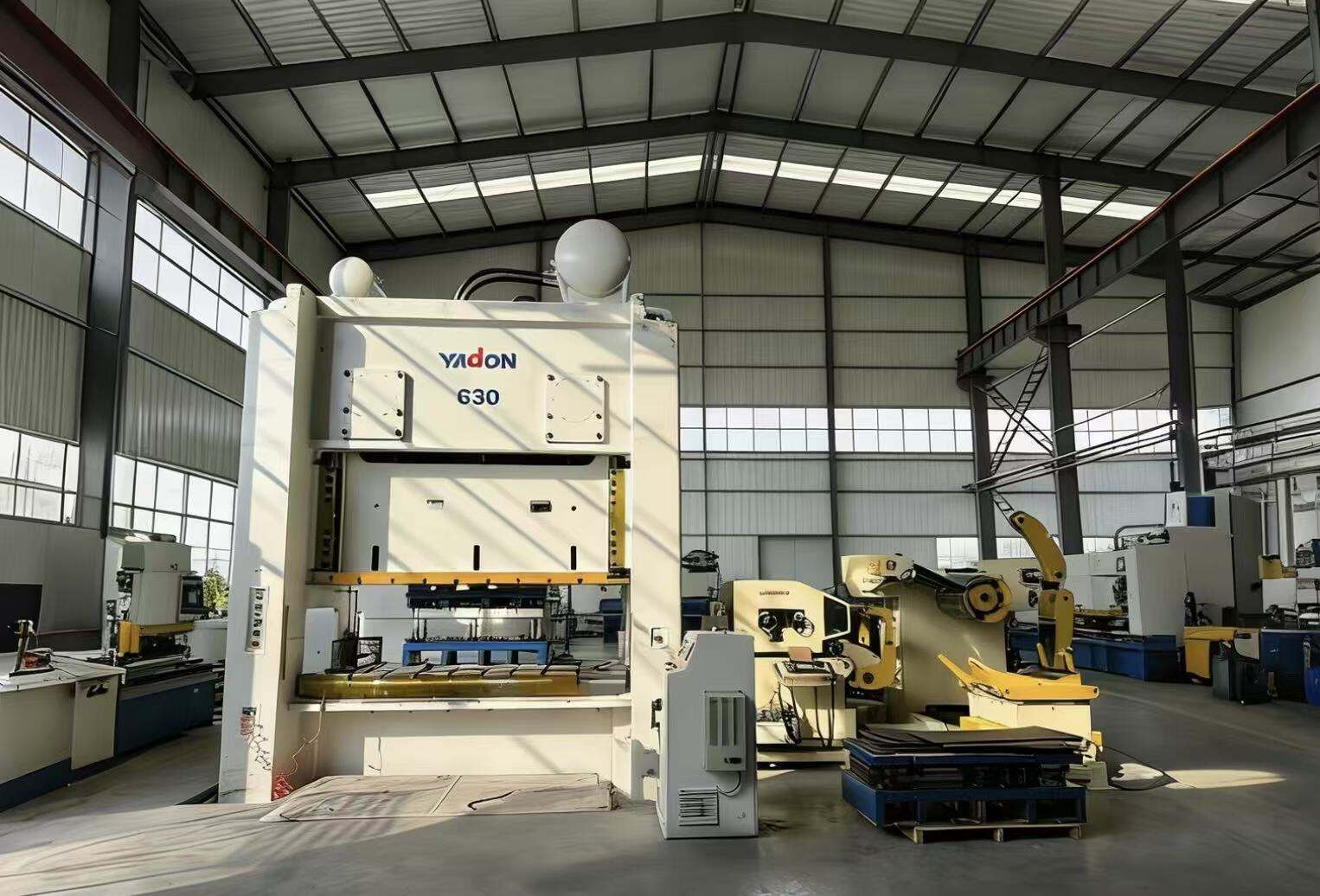
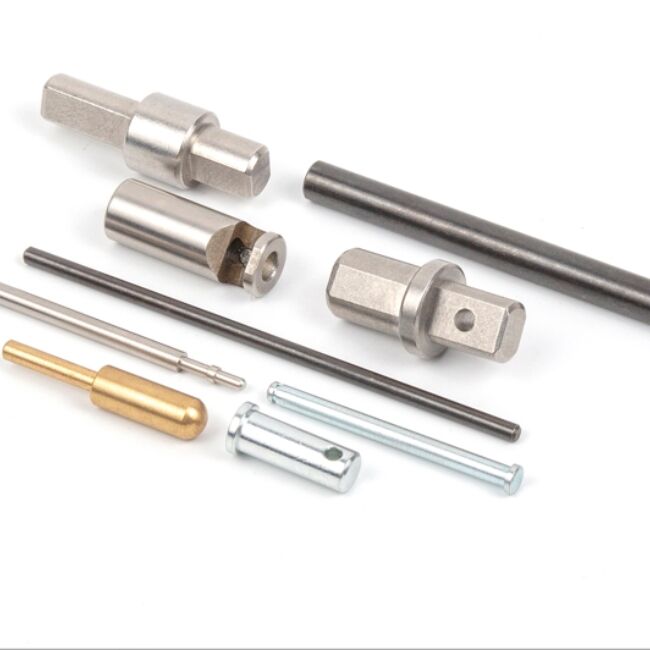
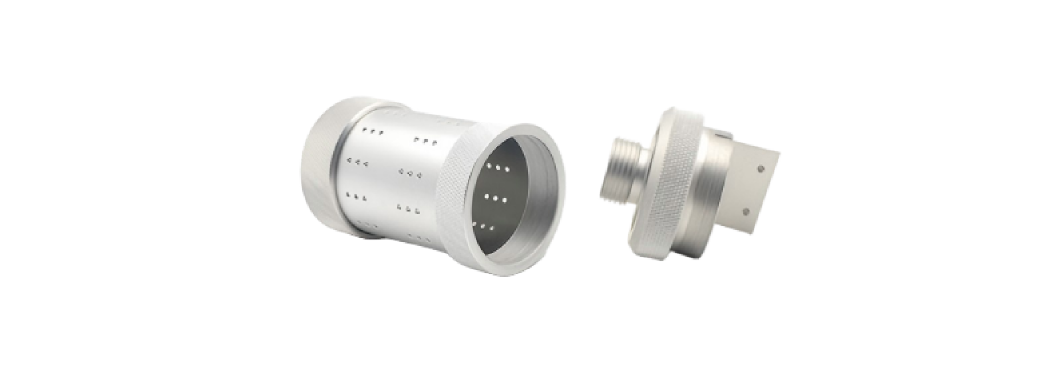
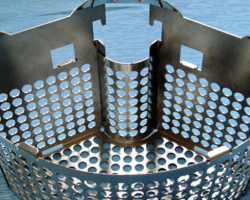
Custom precision stamping parts represent a sophisticated manufacturing solution that delivers exceptional accuracy and consistency for diverse industrial applications. These specialized components are produced through advanced metal forming processes that utilize precisely engineered dies and high-pressure stamping equipment to shape raw materials into exact specifications. The technology combines traditional metalworking principles with modern computer-controlled systems to achieve tolerances as tight as ±0.0005 inches, making custom precision stamping parts essential for industries requiring exceptional dimensional accuracy. The primary function of custom precision stamping parts involves transforming flat metal sheets or coils into complex three-dimensional shapes through controlled deformation processes. This manufacturing method excels at producing intricate geometries, including brackets, clips, connectors, housings, and specialized fasteners that meet stringent quality requirements. The technological features of custom precision stamping parts include progressive die stamping capabilities, which enable multiple forming operations in a single press cycle, significantly reducing production time while maintaining consistent quality. Advanced material handling systems ensure proper part orientation throughout the manufacturing process, while integrated quality control sensors monitor dimensional accuracy in real-time. Modern custom precision stamping parts facilities employ servo-driven presses that provide precise control over forming speeds and pressures, enabling optimal material flow and minimizing waste. The applications for custom precision stamping parts span numerous industries, including automotive, aerospace, electronics, medical devices, telecommunications, and consumer goods manufacturing. In automotive applications, these components serve as critical elements in engine assemblies, transmission systems, and safety mechanisms. Electronics manufacturers rely on custom precision stamping parts for connector pins, circuit board mounting hardware, and electromagnetic shielding components. Medical device applications demand the highest quality standards, where custom precision stamping parts contribute to surgical instruments, implantable devices, and diagnostic equipment. The versatility of custom precision stamping parts allows manufacturers to work with various materials, including stainless steel, aluminum, copper, brass, and specialized alloys, each selected based on specific performance requirements and environmental conditions.
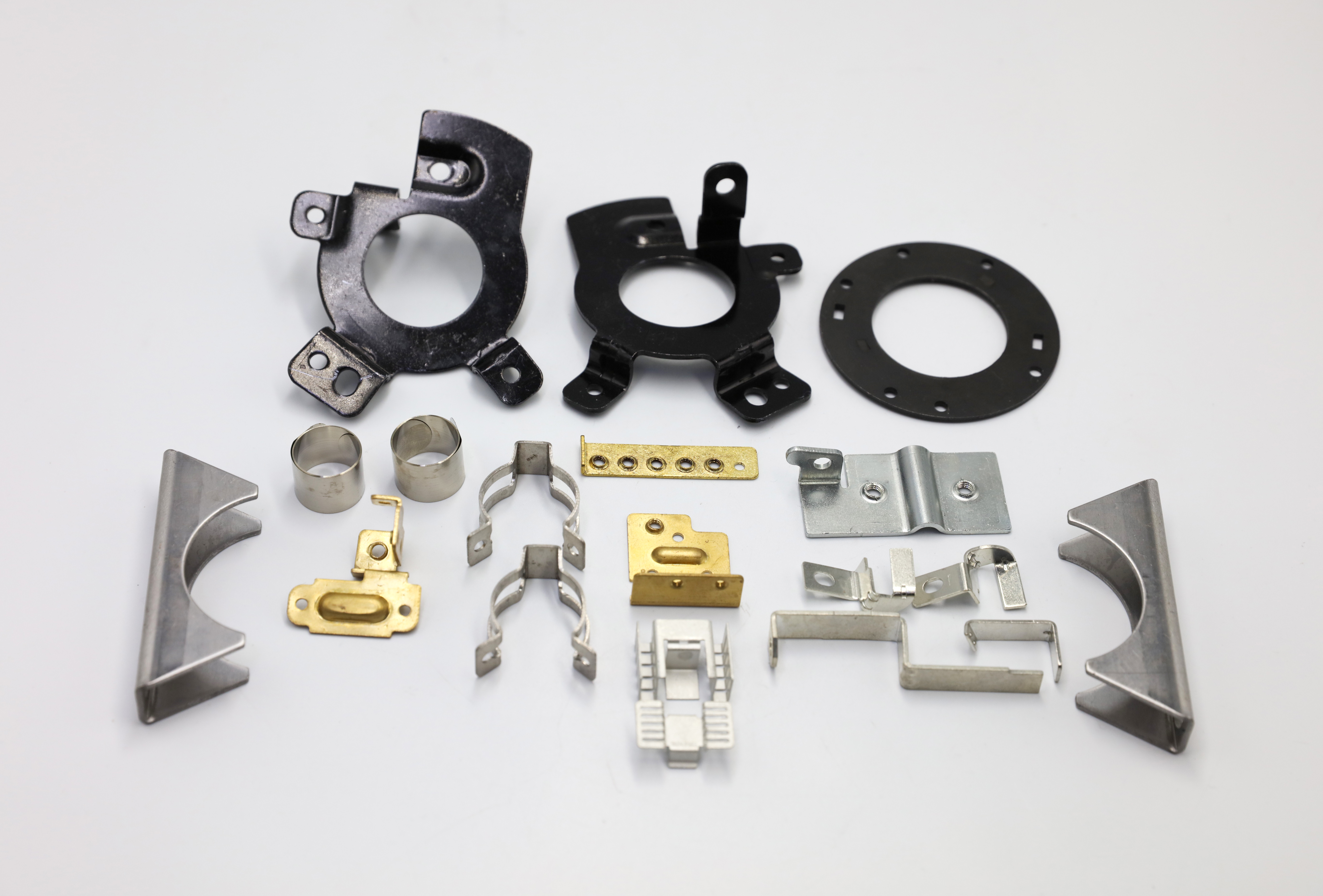
Popular Products

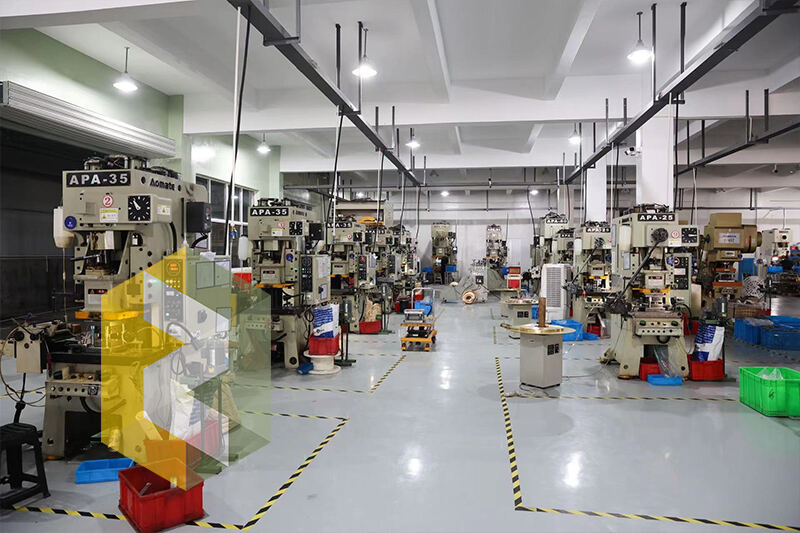
Custom precision stamping parts offer significant cost advantages compared to alternative manufacturing methods, particularly for medium to high-volume production runs. The initial tooling investment quickly pays for itself through reduced per-piece costs, as the stamping process requires minimal manual labor and achieves high production rates. Companies typically experience 30-50% cost savings when switching from machined components to custom precision stamping parts for suitable applications. The speed advantage of custom precision stamping parts cannot be overstated, with modern presses capable of producing thousands of parts per hour while maintaining consistent quality. This rapid production capability enables manufacturers to meet tight delivery schedules and respond quickly to market demands. Quality consistency represents another major advantage of custom precision stamping parts, as the controlled die environment eliminates human variability and ensures every component meets identical specifications. The repeatable nature of the stamping process produces parts with uniform material properties and dimensional characteristics, reducing downstream assembly issues and improving overall product reliability. Custom precision stamping parts provide exceptional design flexibility, allowing engineers to incorporate complex features such as embossed details, formed flanges, and integrated mounting tabs without additional assembly operations. This consolidation capability reduces part count, simplifies inventory management, and eliminates potential failure points between separate components. Material efficiency stands as a key advantage of custom precision stamping parts, with typical material utilization rates exceeding 85% compared to 40-60% for machining operations. This efficiency reduces raw material costs and supports environmental sustainability initiatives. The surface finish quality of custom precision stamping parts often eliminates secondary finishing operations, further reducing production costs and lead times. Custom precision stamping parts also offer superior mechanical properties through work hardening effects that occur during the forming process, resulting in increased strength and durability compared to the original material. The ability to incorporate multiple features in a single stamping operation reduces assembly time and costs while improving part integrity. Quality control advantages include real-time monitoring capabilities that detect dimensional variations immediately, preventing defective parts from reaching customers. Custom precision stamping parts maintain excellent dimensional stability over time, as the cold forming process creates internal stress patterns that resist deformation under normal operating conditions.

Practical Tips

How To Determine The Chemical Stability Of Materials

10

Mar

How To Determine The Chemical Stability Of Materials

View More
Automotive Armrest Slide Rail Production Factory: The Cradle of Quality and Innovation

10

Mar

Automotive Armrest Slide Rail Production Factory: The Cradle of Quality and Innovation

View More
How To Choose Appropriate Automotive Parts According To Testing Standards

10

Mar

How To Choose Appropriate Automotive Parts According To Testing Standards

View More

Get a Free Quote

Our representative will contact you soon.
Email
Mobile/WhatsApp
Name
Company Name
Message
0/1000

custom precision stamping parts

Unmatched Dimensional Accuracy and Repeatability

Unmatched Dimensional Accuracy and Repeatability

Custom precision stamping parts deliver extraordinary dimensional accuracy that consistently meets the most demanding specifications across millions of production cycles. The foundation of this precision lies in the sophisticated tooling systems that incorporate hardened steel dies engineered to tolerances measured in fractions of thousandths of an inch. These precision-crafted dies ensure that every custom precision stamping part produced maintains identical dimensions, regardless of production volume or timeline. The repeatability factor becomes crucial for manufacturers who require interchangeable components in complex assemblies where even minor variations can compromise functionality. Modern stamping facilities utilize computer-controlled servo presses that monitor and adjust forming parameters in real-time, compensating for material variations and environmental factors that could affect dimensional accuracy. This technological advancement enables custom precision stamping parts to achieve tolerances as tight as ±0.0002 inches on critical dimensions, surpassing the capabilities of many alternative manufacturing processes. The dimensional stability of custom precision stamping parts extends beyond initial production, as the cold forming process creates favorable stress patterns within the material structure that resist dimensional changes over time. Quality assurance systems employ coordinate measuring machines and optical inspection equipment to verify that each batch of custom precision stamping parts meets specified tolerances, providing documented evidence of dimensional compliance. This level of precision proves essential for industries such as aerospace and medical devices, where component interchangeability and reliability directly impact safety and performance. The economic benefits of this precision include reduced assembly time, elimination of secondary machining operations, and decreased warranty claims due to dimensional issues. Manufacturers can confidently design products knowing that custom precision stamping parts will consistently fit and function as intended, enabling more aggressive design optimization and weight reduction strategies.
Superior Material Utilization and Environmental Efficiency

Superior Material Utilization and Environmental Efficiency

Custom precision stamping parts demonstrate exceptional material efficiency that significantly reduces waste generation while maximizing the value extracted from raw materials. The stamping process typically achieves material utilization rates between 85-95%, compared to traditional machining operations that often waste 40-60% of the original material as chips and shavings. This efficiency translates directly into cost savings for manufacturers while supporting corporate sustainability initiatives and environmental responsibility goals. The progressive die systems used in custom precision stamping parts production enable optimal nesting of part geometries within the material strip, minimizing scrap generation and maximizing the number of components produced from each coil or sheet. Advanced computer modeling software calculates optimal strip layouts that account for material grain direction, forming requirements, and quality considerations to ensure maximum yield from every pound of raw material. Custom precision stamping parts facilities often implement closed-loop recycling systems that capture and process any unavoidable scrap material, further enhancing overall material efficiency. The environmental benefits extend beyond material conservation, as the stamping process requires significantly less energy per part compared to machining operations. The rapid production cycles associated with custom precision stamping parts reduce overall manufacturing energy consumption while the elimination of cutting fluids and coolants minimizes environmental impact and disposal costs. Material efficiency advantages become particularly pronounced when working with expensive alloys or specialized materials where waste reduction directly impacts project economics. The ability to produce custom precision stamping parts with minimal material waste enables manufacturers to specify higher-grade materials without proportional cost increases, often resulting in improved product performance and durability. Supply chain benefits include reduced raw material inventory requirements and more predictable material costs due to the consistent yield rates achieved with custom precision stamping parts production.
Integrated Design Flexibility and Multi-Functional Capabilities

Integrated Design Flexibility and Multi-Functional Capabilities

Custom precision stamping parts offer unprecedented design flexibility that enables engineers to consolidate multiple functions into single components, dramatically reducing assembly complexity and improving overall system reliability. The stamping process accommodates intricate geometries including complex curves, sharp corners, embossed features, and integrated mounting provisions that would require multiple manufacturing operations using alternative methods. This consolidation capability allows custom precision stamping parts to replace assembly-intensive designs with elegant single-piece solutions that eliminate potential failure points while reducing inventory complexity. Progressive stamping operations can incorporate dozens of forming stages within a single press cycle, enabling the creation of custom precision stamping parts with sophisticated three-dimensional shapes and multiple functional elements. Engineers can specify features such as integral springs, alignment tabs, locking mechanisms, and sealing surfaces directly into the stamping design, eliminating secondary operations and assembly steps. The design flexibility of custom precision stamping parts extends to material selection, with the ability to work with diverse alloys, platings, and coatings to meet specific performance requirements. Multi-material stamping capabilities enable the integration of different alloys within single custom precision stamping parts, optimizing material properties for specific functional zones. Surface treatments can be applied selectively to different areas of the same part, providing corrosion resistance where needed while maintaining electrical conductivity in connection areas. The rapid prototyping capabilities associated with custom precision stamping parts enable iterative design refinement without extensive tooling modifications, accelerating product development cycles. Design optimization tools allow engineers to analyze material flow, stress distribution, and forming feasibility before committing to production tooling, minimizing development risks and ensuring manufacturable designs. Custom precision stamping parts can incorporate features that facilitate automated assembly processes, including self-locating geometries and integrated handling provisions that reduce manual labor requirements and improve assembly accuracy.

Get a Free Quote

Our representative will contact you soon.
Email
Mobile/WhatsApp
Name
Company Name
Message
0/1000