Precision Stamping Die Solutions - Advanced Manufacturing Tools for High-Quality Metal Components

All Categories

Get a Free Quote

Our representative will contact you soon.
Email
Mobile/WhatsApp
Name
Company Name
Message
0/1000

precision stamping die

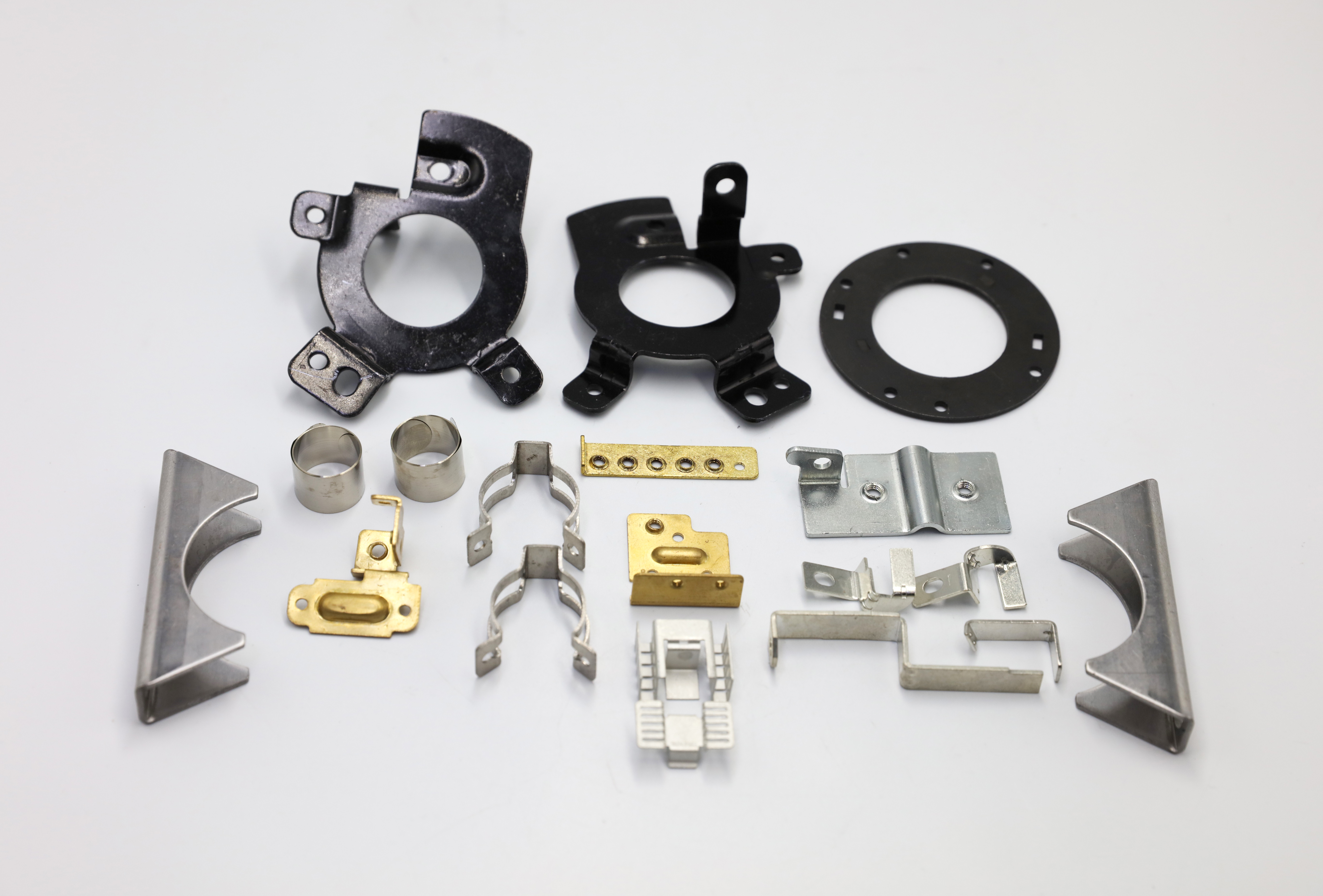
A precision stamping die represents a sophisticated tooling solution engineered to transform raw metal materials into precisely shaped components through controlled deformation processes. This advanced manufacturing tool consists of multiple interconnected components, including punch assemblies, die blocks, stripper plates, and guide systems that work together to achieve exceptional dimensional accuracy and surface quality. The precision stamping die operates by applying controlled force to sheet metal, causing it to flow into predetermined shapes while maintaining tight tolerances typically ranging from ±0.001 to ±0.005 inches. The main functions of a precision stamping die encompass cutting, forming, drawing, and blanking operations that can be performed individually or in combination during a single press stroke. These dies feature hardened tool steel construction with specialized coatings that resist wear and maintain sharp cutting edges throughout extended production runs. Advanced precision stamping die designs incorporate progressive or transfer feeding mechanisms that enable high-volume manufacturing with consistent quality output. The technological features include computer-aided design optimization, precision machining capabilities, and integrated quality control systems that monitor part dimensions in real-time. Heat treatment processes enhance the die's durability and extend operational life significantly beyond conventional tooling alternatives. Applications for precision stamping die technology span across automotive, aerospace, electronics, medical devices, and consumer goods industries where dimensional accuracy and production efficiency are critical success factors. These dies excel in producing complex geometries, intricate features, and multi-level components that would be difficult or impossible to achieve through alternative manufacturing methods. The precision stamping die serves as the foundation for cost-effective mass production while delivering superior part quality and repeatability that meets or exceeds industry standards for dimensional consistency and surface finish requirements.
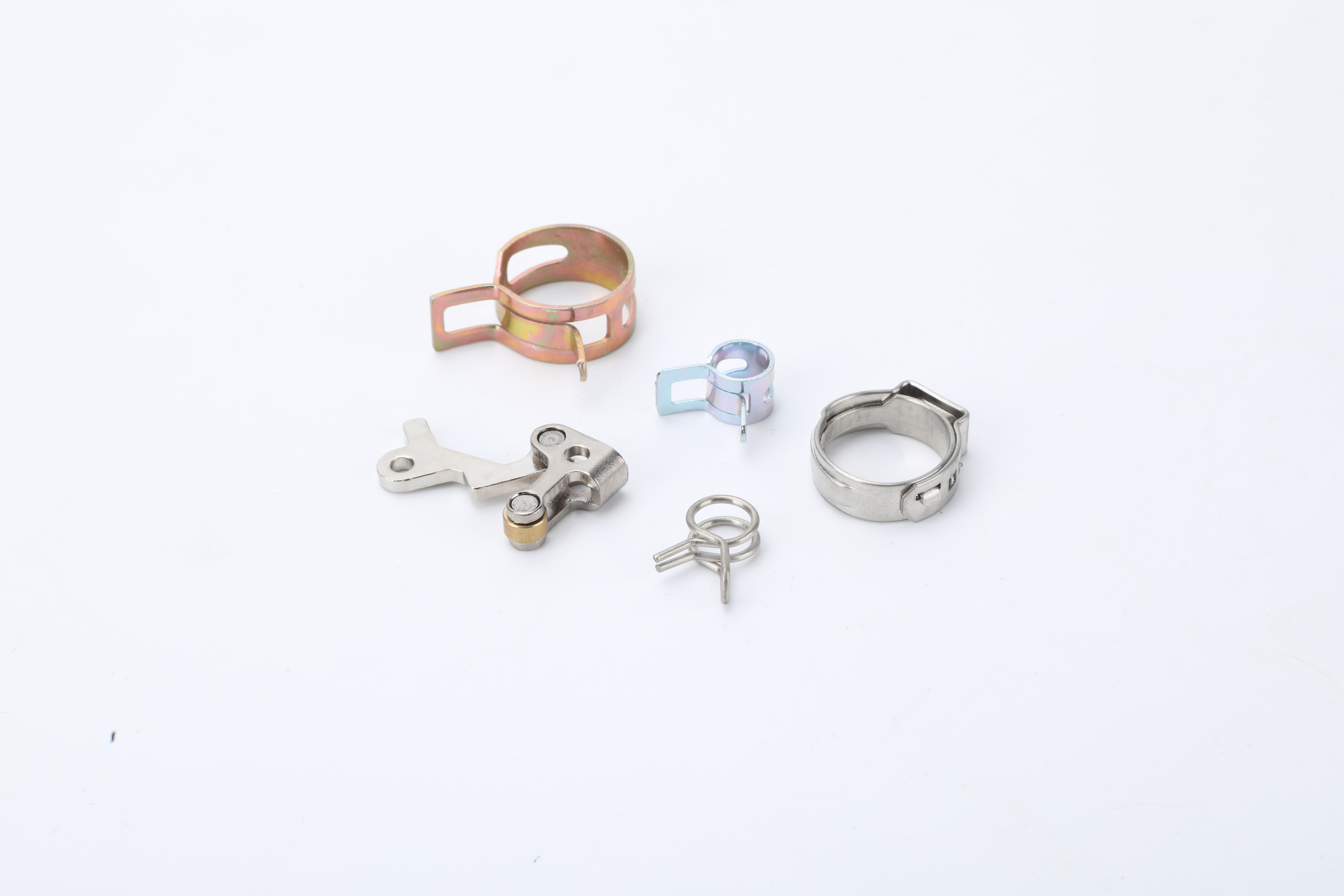
New Product Recommendations

The precision stamping die delivers remarkable cost savings through high-volume production capabilities that reduce per-part manufacturing costs significantly. This efficient tooling solution eliminates secondary operations by producing finished components in single or minimal press strokes, reducing labor requirements and cycle times dramatically. Manufacturers benefit from exceptional dimensional consistency that minimizes quality control issues and reduces waste throughout the production process. The precision stamping die maintains tight tolerances across millions of parts, ensuring reliable performance and reducing downstream assembly problems that could impact product quality. Superior material utilization rates maximize raw material efficiency by minimizing scrap generation through optimized blank layouts and nesting strategies. These dies enable rapid production speeds that can exceed thousands of parts per hour, depending on component complexity and press capabilities. The durability of precision stamping die construction ensures extended operational life with minimal maintenance requirements, reducing downtime and replacement costs over the tool's lifecycle. Advanced surface treatments and specialized coatings protect against wear and corrosion, maintaining cutting edge sharpness and dimensional stability throughout extended production runs. The precision stamping die accommodates various material types including steel, aluminum, copper alloys, and exotic metals, providing flexibility for diverse manufacturing requirements. Quality improvements result from consistent forming conditions that eliminate variations common in manual or semi-automated processes. The precision stamping die reduces inspection requirements through inherent process control, lowering quality assurance costs and accelerating production throughput. Energy efficiency benefits arise from optimized force distribution and reduced cycle times compared to alternative manufacturing methods. Skilled operators can manage multiple precision stamping die operations simultaneously, maximizing labor productivity and reducing per-unit labor costs. The technology supports lights-out manufacturing scenarios where automated systems can operate precision stamping die equipment with minimal human intervention. Environmental benefits include reduced energy consumption, minimized waste generation, and elimination of chemical processing steps often required in alternative manufacturing approaches. These comprehensive advantages position the precision stamping die as an optimal solution for manufacturers seeking to improve profitability while maintaining superior product quality standards.

Latest News

How To Determine The Chemical Stability Of Materials

10

Mar

How To Determine The Chemical Stability Of Materials

View More
How To Choose Appropriate Automotive Parts According To Testing Standards

10

Mar

How To Choose Appropriate Automotive Parts According To Testing Standards

View More

Get a Free Quote

Our representative will contact you soon.
Email
Mobile/WhatsApp
Name
Company Name
Message
0/1000

precision stamping die

Unmatched Dimensional Accuracy and Repeatability

Unmatched Dimensional Accuracy and Repeatability

The precision stamping die delivers extraordinary dimensional accuracy that surpasses conventional manufacturing methods through advanced engineering principles and meticulous construction techniques. This remarkable accuracy stems from precision-ground tool steel components that maintain tolerances within ±0.001 inches across the entire die surface, ensuring every stamped part meets exact specifications regardless of production volume. The die's rigid construction eliminates deflection under load, preventing dimensional variations that commonly plague less sophisticated tooling solutions. Integrated guide systems featuring hardened guide pins and bushings maintain perfect alignment between punch and die components throughout the stamping cycle, eliminating angular deviations that could compromise part geometry. Temperature-controlled manufacturing environments during die construction ensure thermal stability that prevents expansion-related dimensional changes during operation. The precision stamping die incorporates wear-resistant coatings applied through advanced PVD processes that maintain surface integrity and dimensional stability throughout millions of operational cycles. Quality control systems integrated into the die design include real-time monitoring capabilities that detect dimensional variations before they impact production output. Spring-loaded components within the precision stamping die maintain consistent pressure distribution across complex part geometries, ensuring uniform material flow and preventing dimensional inconsistencies. Advanced metallurgy techniques used in die construction provide optimal hardness gradients that resist deformation while maintaining toughness in critical stress zones. The precision stamping die's modular design enables fine adjustments and maintenance without compromising dimensional accuracy, extending operational life while preserving manufacturing precision. Statistical process control data collected from precision stamping die operations demonstrates capability indices exceeding 2.0 for critical dimensions, indicating exceptional process stability and repeatability. This level of dimensional control eliminates costly secondary operations, reduces assembly problems, and ensures consistent product performance across entire production runs, making the precision stamping die an indispensable tool for quality-conscious manufacturers.
Maximum Production Efficiency and Speed

Maximum Production Efficiency and Speed

The precision stamping die revolutionizes manufacturing efficiency by enabling unprecedented production speeds while maintaining superior quality standards throughout high-volume operations. This efficiency advantage results from optimized die geometry that minimizes material flow resistance, reducing required forming forces and enabling faster cycle times compared to conventional tooling approaches. Progressive die configurations within precision stamping die systems perform multiple operations simultaneously, transforming raw material into finished components in a single press stroke that eliminates intermediate handling and processing steps. Advanced stripper mechanisms integrated into the precision stamping die design ensure rapid part ejection without damaging delicate features, maintaining production flow and preventing costly downtime due to part jamming or tooling damage. Automated feeding systems compatible with precision stamping die operations enable continuous material supply without manual intervention, supporting lights-out manufacturing scenarios that maximize equipment utilization rates. The precision stamping die's robust construction withstands high-frequency operation without degradation, maintaining consistent performance across extended production runs that can exceed millions of parts annually. Optimized clearance relationships between punch and die components minimize cutting forces while ensuring clean shear surfaces, reducing press tonnage requirements and enabling faster operational speeds. Heat dissipation features built into precision stamping die designs prevent thermal buildup that could slow production or compromise part quality during intensive manufacturing campaigns. Quick-change capabilities incorporated into modern precision stamping die systems enable rapid tooling changeovers that minimize setup times and maximize productive capacity across multiple part numbers. Predictive maintenance protocols developed specifically for precision stamping die applications identify potential issues before they impact production, preventing unplanned downtime and maintaining consistent throughput rates. Integration with modern press controls allows precision stamping die operations to achieve optimal speed-to-quality ratios through real-time parameter adjustments based on material conditions and part requirements. Statistical analysis of precision stamping die performance data reveals productivity improvements of 40-60% compared to alternative manufacturing methods, demonstrating the significant competitive advantages available to manufacturers who invest in this advanced tooling technology.
Exceptional Versatility and Material Compatibility

Exceptional Versatility and Material Compatibility

The precision stamping die demonstrates remarkable versatility through its ability to process diverse material types and thicknesses while maintaining consistent quality output across varying production requirements. This adaptability stems from sophisticated die design principles that accommodate different material properties, flow characteristics, and forming behaviors without compromising dimensional accuracy or surface finish quality. The precision stamping die successfully processes materials ranging from soft aluminum and copper alloys to high-strength steels and exotic aerospace alloys, providing manufacturers with unprecedented flexibility in product development and material selection. Advanced surface treatments applied to precision stamping die components prevent galling and adhesion when working with challenging materials like stainless steel or titanium alloys that typically cause tooling problems in conventional dies. Adjustable die components within precision stamping die systems enable optimization for specific material properties, allowing fine-tuning of forming forces, clearances, and timing to achieve optimal results across different substrate types. The precision stamping die accommodates material thickness variations through spring-loaded systems that automatically adjust to maintain proper forming conditions, ensuring consistent quality output despite incoming material tolerances. Specialized lubricant delivery systems integrated into precision stamping die designs reduce friction and prevent material pickup on die surfaces, extending tool life while maintaining surface quality across diverse material types. Temperature management features built into precision stamping die construction prevent overheating during intensive forming operations with work-hardening materials, maintaining dimensional stability and preventing premature tool wear. Modular component design within precision stamping die systems enables rapid reconfiguration for different part geometries and material requirements, maximizing return on tooling investment through multi-application capability. Quality validation protocols developed specifically for precision stamping die applications ensure optimal parameter settings for each material type, reducing trial-and-error setup time and minimizing scrap during production transitions. Advanced finite element analysis techniques used in precision stamping die design predict material flow patterns and stress distributions, enabling optimization for specific material properties before tool construction begins. Field testing of precision stamping die systems across multiple industries confirms successful processing of over 200 different material grades and specifications, demonstrating the exceptional versatility that makes this technology indispensable for modern manufacturing operations requiring flexibility and reliability.

Get a Free Quote

Our representative will contact you soon.
Email
Mobile/WhatsApp
Name
Company Name
Message
0/1000