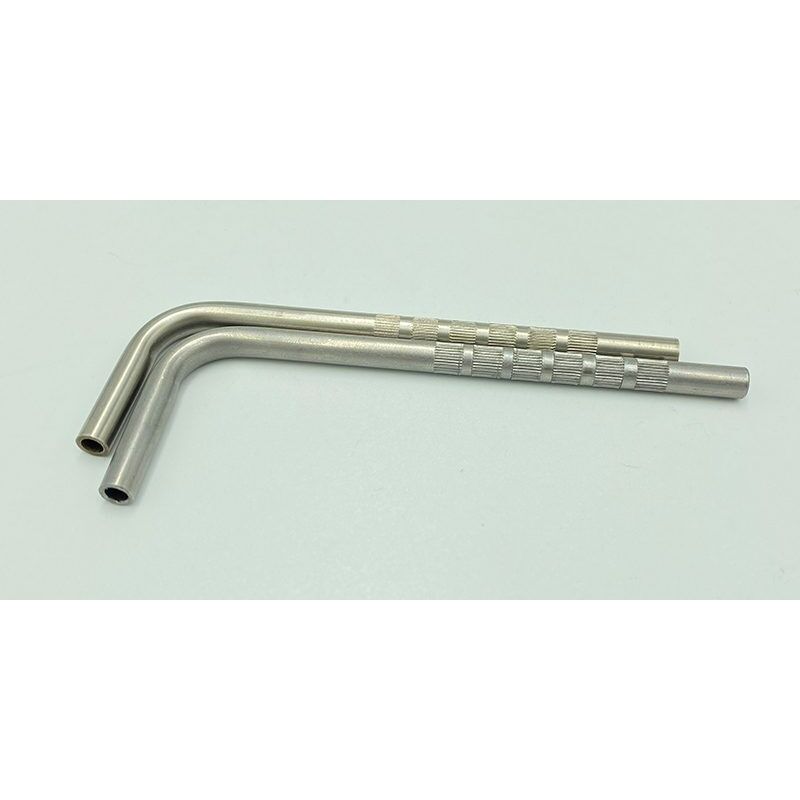
Automotive Precision Stamping Parts - High-Quality Components for Vehicle Manufacturing

All Categories

Get a Free Quote

Our representative will contact you soon.
Email
Mobile/WhatsApp
Name
Company Name
Message
0/1000

automotive precision stamping parts

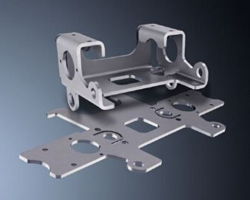
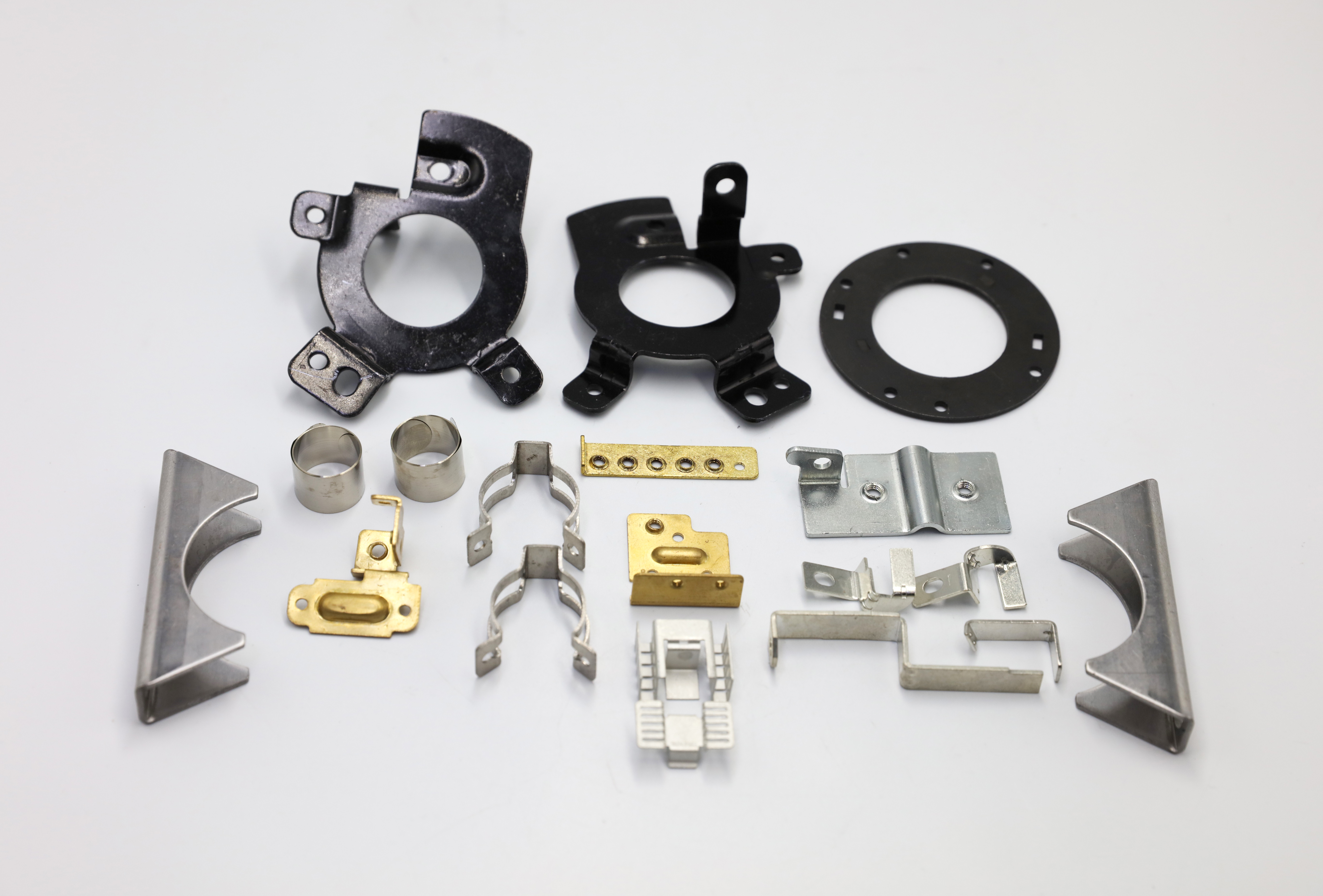
Automotive precision stamping parts represent a cornerstone of modern vehicle manufacturing, delivering essential components that form the backbone of automotive assembly lines worldwide. These specialized parts are created through advanced metal forming processes that transform raw materials into precisely engineered components with exceptional dimensional accuracy and structural integrity. The primary functions of automotive precision stamping parts encompass structural support, protective housing, electrical connectivity, and aesthetic enhancement across various vehicle systems. From body panels and chassis reinforcements to intricate electronic housings and decorative trim pieces, these components serve multiple critical roles in vehicle construction. The technological features of automotive precision stamping parts include superior material utilization, consistent dimensional tolerances, enhanced surface finish quality, and optimized weight distribution characteristics. Manufacturing processes employ state-of-the-art progressive die systems, computer-controlled press operations, and advanced quality control systems to ensure each component meets stringent automotive industry standards. These parts demonstrate exceptional resistance to environmental factors, including temperature fluctuations, moisture exposure, and chemical corrosion, making them ideal for demanding automotive applications. The applications of automotive precision stamping parts span across every vehicle system, including engine components, transmission housings, brake assemblies, suspension elements, exhaust systems, and interior hardware. Modern vehicles typically incorporate hundreds of precision stamped components, each designed to perform specific functions while contributing to overall vehicle performance, safety, and reliability. The integration of automotive precision stamping parts into manufacturing processes enables cost-effective production while maintaining the high quality standards required by automotive manufacturers and consumers alike.
Popular Products

The advantages of automotive precision stamping parts extend far beyond basic manufacturing benefits, offering substantial value propositions that directly impact production efficiency, cost management, and product quality for automotive manufacturers. These components provide exceptional dimensional consistency that eliminates costly rework and assembly complications during vehicle production. Manufacturing facilities experience significantly reduced material waste through optimized blank layouts and efficient nesting patterns, resulting in direct cost savings that benefit both manufacturers and end consumers. The high-speed production capabilities of automotive precision stamping parts enable manufacturers to meet demanding production schedules while maintaining consistent quality standards across large volume runs. Quality control becomes more manageable with these components due to their predictable characteristics and minimal variation between parts, reducing inspection time and associated labor costs. Automotive precision stamping parts offer superior strength-to-weight ratios compared to alternative manufacturing methods, contributing to vehicle weight reduction goals that improve fuel efficiency and performance metrics. The versatility of stamping processes allows for complex geometries and integrated features that would require multiple operations using traditional machining methods, streamlining production workflows and reducing assembly complexity. Surface finish quality achieved through precision stamping processes often eliminates the need for secondary finishing operations, saving both time and additional processing costs. These parts demonstrate excellent forming properties that enable manufacturers to create components with tight bend radii, deep draws, and intricate details without compromising structural integrity. The durability characteristics of automotive precision stamping parts ensure long service life under demanding operating conditions, reducing warranty claims and maintenance requirements for vehicle owners. Cost predictability becomes achievable through standardized tooling and established production parameters, allowing manufacturers to accurately forecast production expenses and maintain competitive pricing strategies. Integration capabilities with automated assembly systems make automotive precision stamping parts ideal for modern manufacturing environments that prioritize efficiency and consistency. The scalability of production processes ensures that manufacturers can adjust output levels to meet market demands without significant infrastructure modifications or quality compromises.

Practical Tips

Automotive Armrest Slide Rail Production Factory: The Cradle of Quality and Innovation

10

Mar

Automotive Armrest Slide Rail Production Factory: The Cradle of Quality and Innovation

View More
Testing Standards For Corrosion Resistance Of Automotive Parts

10

Mar

Testing Standards For Corrosion Resistance Of Automotive Parts

View More

Get a Free Quote

Our representative will contact you soon.
Email
Mobile/WhatsApp
Name
Company Name
Message
0/1000

automotive precision stamping parts

Advanced Manufacturing Technology Integration

Advanced Manufacturing Technology Integration

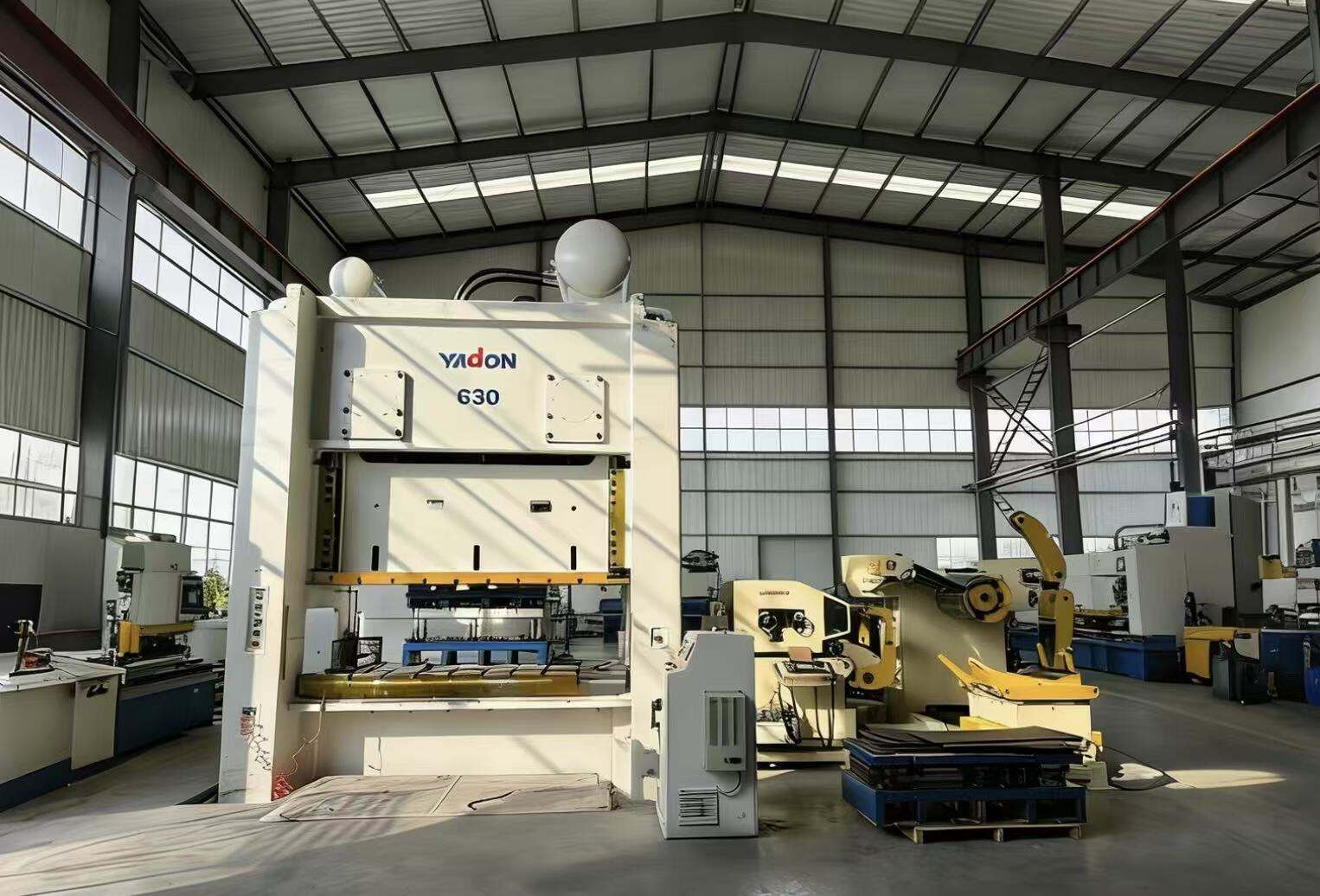
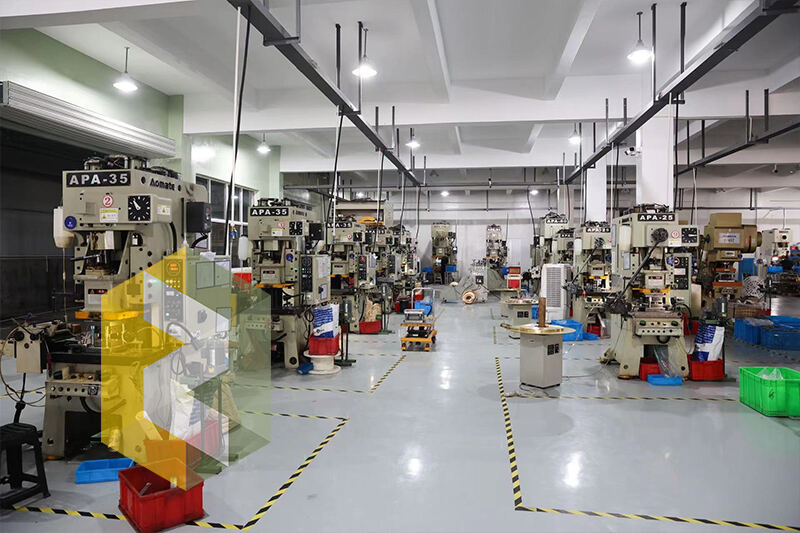
The integration of advanced manufacturing technology in automotive precision stamping parts production represents a revolutionary approach that transforms traditional metalworking into sophisticated engineering processes. Modern stamping facilities utilize computer-controlled progressive die systems that coordinate multiple forming operations with microscopic precision, ensuring each automotive precision stamping part meets exact specifications consistently. These technological systems incorporate real-time monitoring capabilities that track critical parameters such as material flow, forming forces, and dimensional accuracy throughout the production cycle. The implementation of servo-driven press systems provides unprecedented control over forming speeds, dwell times, and force application, enabling the production of complex automotive precision stamping parts with challenging geometries and tight tolerances. Advanced material handling systems work in conjunction with stamping equipment to maintain optimal production flow while minimizing handling damage and contamination risks. Quality assurance technologies integrated into production lines include laser measurement systems, coordinate measuring machines, and statistical process control software that continuously monitor part dimensions and surface characteristics. The utilization of finite element analysis software during tool design phases enables engineers to predict material behavior and optimize forming processes before physical production begins, reducing development time and tooling costs. Predictive maintenance systems monitor equipment performance and wear patterns, scheduling maintenance activities to prevent unexpected downdowns that could disrupt automotive precision stamping parts production schedules. The incorporation of artificial intelligence and machine learning algorithms helps optimize production parameters automatically, adjusting variables in real-time to maintain consistent quality while maximizing throughput efficiency. These technological advancements enable automotive precision stamping parts manufacturers to achieve previously impossible levels of precision and repeatability, meeting the increasingly stringent requirements of modern automotive applications while maintaining cost-effective production methods.
Superior Material Performance and Durability

Superior Material Performance and Durability

The superior material performance and durability characteristics of automotive precision stamping parts establish them as the preferred choice for critical automotive applications where reliability and longevity are paramount concerns. These components benefit from carefully selected high-grade steel alloys and specialized materials that undergo rigorous testing to ensure optimal performance under demanding automotive operating conditions. The stamping process itself enhances material properties through controlled work hardening that increases strength and fatigue resistance beyond what is achievable with base materials alone. Automotive precision stamping parts demonstrate exceptional resistance to environmental factors including temperature cycling, humidity exposure, salt spray corrosion, and chemical contamination commonly encountered in automotive service environments. The grain structure refinement that occurs during precision stamping processes improves mechanical properties uniformly throughout the component, eliminating weak zones that could lead to premature failure. Surface treatments and coating applications specifically designed for automotive precision stamping parts provide additional protection against wear, corrosion, and aesthetic degradation while maintaining dimensional stability over extended service periods. Stress distribution characteristics are optimized through careful design of forming operations, ensuring that residual stresses enhance rather than compromise component performance. The dimensional stability of automotive precision stamping parts remains consistent across wide temperature ranges, preventing interference fits and maintaining proper assembly relationships throughout vehicle service life. Fatigue resistance properties exceed industry standards through careful attention to surface finish quality and the elimination of stress concentration features during the forming process. Impact resistance characteristics make automotive precision stamping parts suitable for safety-critical applications where sudden loading conditions may occur during vehicle operation or collision events. The consistent material properties achieved through precision stamping processes enable automotive engineers to design with confidence, knowing that component performance will meet specifications throughout the intended service life without unexpected variations or premature degradation issues.
Cost-Effective Production and Economic Benefits

Cost-Effective Production and Economic Benefits

The cost-effective production capabilities and economic benefits associated with automotive precision stamping parts create substantial competitive advantages for manufacturers while delivering value to consumers through improved affordability and reliability. High-volume production efficiencies inherent in stamping processes enable automotive precision stamping parts to be manufactured at significantly lower per-unit costs compared to alternative production methods such as machining, casting, or fabrication. Tooling investments, while substantial initially, are amortized across large production runs, making automotive precision stamping parts extremely cost-effective for medium to high-volume applications. Material utilization rates in stamping operations typically exceed ninety percent, minimizing waste and reducing raw material costs that contribute to overall component affordability. Labor requirements for automotive precision stamping parts production are substantially lower than traditional manufacturing methods due to high levels of automation and rapid production cycles. Setup times between different part configurations are minimized through progressive die designs and quick-change tooling systems, maximizing productive time and reducing overhead costs. Quality consistency achieved through stamping processes reduces inspection requirements and eliminates costly rework operations that can significantly impact production budgets. Inventory management becomes more efficient with automotive precision stamping parts due to predictable production schedules and consistent lead times that enable just-in-time delivery strategies. Secondary operations such as machining, welding, or assembly are often eliminated through integrated forming features, reducing total manufacturing costs and simplifying supply chain management. Energy consumption per part in stamping operations is typically lower than competing processes, contributing to reduced operating costs and environmental sustainability goals. The scalability of production facilities allows manufacturers to adjust capacity efficiently in response to market demands without proportional increases in fixed costs. Maintenance costs for stamping equipment are predictable and generally lower than complex machining centers, contributing to overall cost effectiveness. These economic advantages enable automotive precision stamping parts manufacturers to offer competitive pricing while maintaining healthy profit margins, creating win-win scenarios for both suppliers and customers in the automotive industry.

Get a Free Quote

Our representative will contact you soon.
Email
Mobile/WhatsApp
Name
Company Name
Message
0/1000