Precision Metal Stamping Services - Advanced Manufacturing Solutions for Complex Components

All Categories

Get a Free Quote

Our representative will contact you soon.
Email
Mobile/WhatsApp
Name
Company Name
Message
0/1000

precision metal stamping

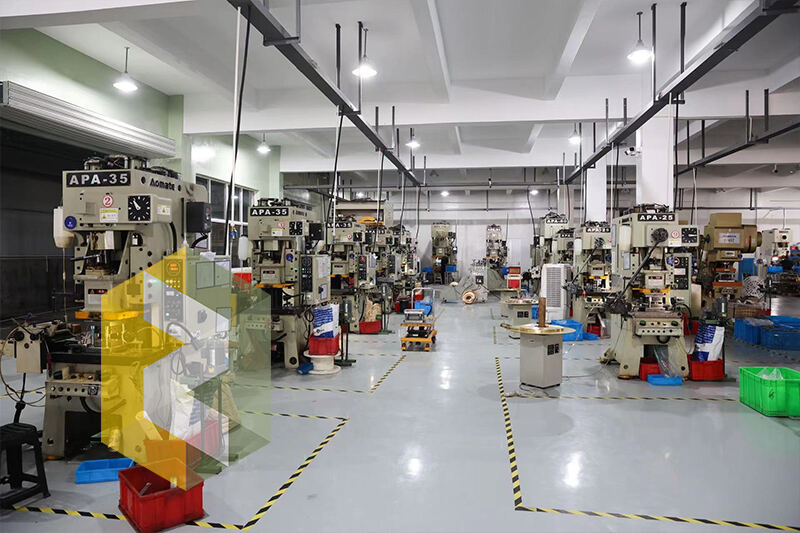
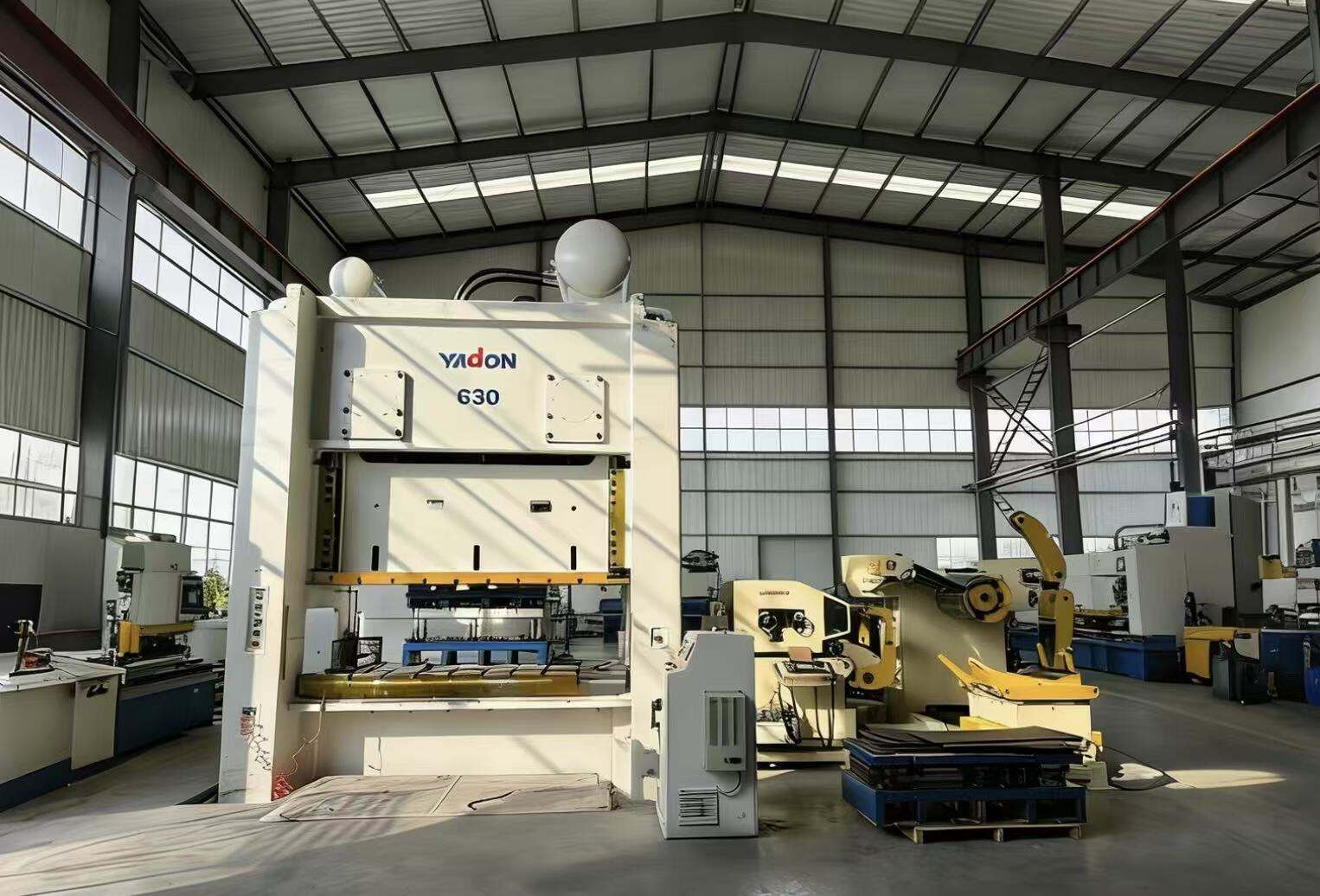
Precision metal stamping represents a sophisticated manufacturing process that transforms flat metal sheets into complex three-dimensional components through carefully controlled mechanical force. This advanced technique utilizes specialized dies and presses to create intricate parts with exceptional accuracy and consistency. The precision metal stamping process begins with detailed engineering analysis, where manufacturers design custom tooling to achieve specific dimensional requirements and surface finishes. During operation, high-tonnage presses apply tremendous force to sheet metal, causing it to flow into precisely machined die cavities that define the final component geometry. The technological features of precision metal stamping include computer-controlled press operations, progressive die systems, and advanced material handling equipment. Progressive dies enable multiple forming operations within a single press stroke, significantly improving production efficiency while maintaining dimensional accuracy. Modern precision metal stamping facilities employ servo-driven presses that provide variable speed control and programmable motion profiles, allowing manufacturers to optimize forming parameters for different materials and part geometries. Quality control systems integrate laser measurement technology and statistical process control to ensure each stamped component meets stringent specifications. The applications for precision metal stamping span numerous industries, including automotive, aerospace, electronics, medical devices, and consumer appliances. Automotive manufacturers rely on precision metal stamping to produce body panels, structural components, and engine parts that require exact dimensional tolerances. Electronics companies utilize this process to create connector housings, heat sinks, and chassis components with precise mounting features. Medical device manufacturers depend on precision metal stamping for surgical instruments, implant components, and diagnostic equipment housings that demand biocompatible materials and exceptional surface quality. The process accommodates various metal alloys, including stainless steel, aluminum, copper, and specialized high-strength materials, enabling manufacturers to select optimal materials for specific performance requirements while maintaining cost-effectiveness and production scalability.
New Products

Precision metal stamping delivers exceptional cost efficiency compared to alternative manufacturing methods, particularly for high-volume production runs. This process eliminates the need for expensive machining operations and reduces material waste through optimized nesting patterns and progressive die designs. Manufacturers achieve significant labor cost savings because precision metal stamping requires minimal human intervention once production begins, with automated systems handling material feeding, part ejection, and quality inspection processes. The speed advantages of precision metal stamping are remarkable, with modern presses capable of producing hundreds of parts per minute while maintaining consistent quality standards. This rapid production capability enables manufacturers to meet tight delivery schedules and respond quickly to market demand fluctuations. Quality consistency represents another major advantage, as precision metal stamping produces identical parts with repeatable dimensional accuracy across entire production runs. The process eliminates human error and variability associated with manual manufacturing methods, ensuring each component meets exact specifications without additional finishing operations. Material utilization efficiency reaches exceptional levels through precision metal stamping, with optimized die layouts minimizing scrap generation and maximizing yield from raw material sheets. This efficiency translates directly into cost savings and environmental benefits through reduced material consumption. Flexibility in design complexity allows precision metal stamping to create intricate geometries, including deep draws, complex bends, and multiple forming operations within single production cycles. Manufacturers can incorporate features such as embossed patterns, mounting tabs, and precision holes without additional processing steps. The scalability of precision metal stamping accommodates production volumes ranging from prototype quantities to millions of parts annually, making it suitable for diverse manufacturing requirements. Setup changeovers between different part configurations occur rapidly through quick-change tooling systems, enabling efficient production of multiple component variants. Surface finish quality emerges directly from the stamping process, often eliminating secondary finishing operations and reducing overall production time. The process maintains excellent dimensional stability across temperature variations and extended production runs, ensuring consistent part performance in demanding applications. Integration capabilities with automated assembly systems allow seamless incorporation of stamped components into larger manufacturing workflows, further enhancing overall production efficiency and reducing handling costs.

Latest News

How To Choose Appropriate Automotive Parts According To Testing Standards

10

Mar

How To Choose Appropriate Automotive Parts According To Testing Standards

View More
Testing Standards For Corrosion Resistance Of Automotive Parts

10

Mar

Testing Standards For Corrosion Resistance Of Automotive Parts

View More

Get a Free Quote

Our representative will contact you soon.
Email
Mobile/WhatsApp
Name
Company Name
Message
0/1000

precision metal stamping

Unmatched Dimensional Accuracy and Repeatability

Unmatched Dimensional Accuracy and Repeatability

Precision metal stamping achieves extraordinary dimensional accuracy through advanced die design and computer-controlled press operation, delivering tolerances as tight as ±0.001 inches across complex geometries. This exceptional accuracy stems from rigid tooling construction using hardened tool steels and carbide inserts that maintain dimensional stability through millions of production cycles. Modern precision metal stamping operations employ closed-loop feedback systems that continuously monitor press position, tonnage, and forming velocity to ensure consistent part formation. The repeatability of precision metal stamping surpasses traditional machining methods because each part undergoes identical forming conditions within the controlled die environment. Statistical process control systems track dimensional variations in real-time, automatically adjusting process parameters to maintain target specifications and prevent drift from optimal conditions. Progressive die designs enable multiple forming operations with cumulative accuracy, where each station builds upon previous operations while maintaining precise relationships between features. The tooling design process utilizes finite element analysis to predict material flow and springback behavior, allowing engineers to compensate for material properties and achieve final dimensions that match design intent. Temperature control systems maintain consistent die temperatures throughout production runs, eliminating thermal expansion effects that could compromise dimensional accuracy. Precision metal stamping accommodates complex part geometries with multiple bend angles, deep drawn features, and intricate cutout patterns while preserving dimensional relationships between all features. Quality assurance protocols include coordinate measuring machine verification and automated optical inspection systems that verify dimensional compliance on every part or statistically significant sample sizes. The process capability indices for precision metal stamping typically exceed 1.67, indicating robust process control and minimal variation around target dimensions. Material selection plays a crucial role in dimensional accuracy, with grain structure and mechanical properties carefully matched to forming requirements. Post-forming dimensional stability remains excellent because precision metal stamping work-hardens materials in controlled patterns that resist subsequent deformation under service loads. This dimensional precision translates into improved product performance, reduced assembly time, and elimination of secondary machining operations that would otherwise be required to achieve equivalent accuracy levels.
Superior Material Utilization and Environmental Efficiency

Superior Material Utilization and Environmental Efficiency

Precision metal stamping maximizes material utilization through sophisticated nesting algorithms and progressive die layouts that minimize waste generation while optimizing production efficiency. Advanced computer-aided design software analyzes part geometry and calculates optimal material layouts that achieve utilization rates exceeding 85 percent, significantly reducing raw material consumption compared to machining processes that generate substantial chip waste. The strip layout optimization process considers material grain direction, mechanical properties, and forming requirements to ensure optimal part performance while minimizing scrap production. Progressive die systems enable multiple parts to be produced simultaneously from single material strips, with interconnecting webs that maintain material stability during forming operations and maximize yield from each sheet. Precision metal stamping generates clean-edged scrap that retains high recycling value, contributing to circular economy principles and reducing environmental impact. The forming process itself adds value through work hardening effects that improve material strength and durability without requiring additional heat treatment operations that consume energy and generate emissions. Material thickness optimization becomes possible through precision metal stamping because the controlled deformation process can create varying wall thicknesses within single parts, reducing overall material usage while maintaining structural integrity in critical areas. Coil processing systems enable continuous material feeding that eliminates handling waste and reduces material handling costs compared to individual sheet processing methods. The cold forming nature of precision metal stamping preserves material properties and eliminates the energy consumption associated with heating and cooling cycles required in casting or forging operations. Inventory efficiency improves because raw materials arrive in coil form that requires less storage space and handling equipment compared to pre-cut blanks or casting stock. Quality control integration prevents defective parts from consuming additional downstream processing resources, with immediate feedback systems stopping production when out-of-specification conditions occur. End-of-life considerations benefit from precision metal stamping because formed parts maintain material purity and mechanical properties that facilitate recycling into new products. The process enables lightweighting strategies through optimized material distribution and structural design that reduces product weight without compromising performance requirements. Supply chain efficiency increases through reduced transportation costs for raw materials and finished products due to optimized material usage and part consolidation capabilities inherent in precision metal stamping operations.
Exceptional Production Speed and Manufacturing Flexibility

Exceptional Production Speed and Manufacturing Flexibility

Precision metal stamping achieves remarkable production speeds through high-efficiency press operations and automated material handling systems that enable cycle times measured in seconds rather than minutes. Modern servo-driven presses provide variable speed control that optimizes forming velocity for different materials and part complexities, with rapid acceleration and deceleration capabilities that maximize productivity while maintaining forming quality. The continuous production capability of precision metal stamping eliminates the setup and positioning time required between individual parts in machining operations, enabling sustained high-volume output with minimal interruption. Progressive die systems perform multiple forming operations simultaneously, with each press stroke completing complex parts that would require numerous individual machining setups. Quick-change tooling systems facilitate rapid changeovers between different part configurations, often completing die changes in less than thirty minutes and enabling efficient production of multiple component variants within single production shifts. Automated material feeding systems maintain continuous operation by eliminating manual material handling and positioning requirements, with coil feeding equipment that provides consistent material delivery at optimal forming temperatures. The scalability of precision metal stamping accommodates production volume fluctuations through adjustable press speeds and multi-shift operations that can increase or decrease output to match demand patterns. Integration capabilities with downstream assembly operations enable seamless production flow from raw material to finished products, eliminating intermediate handling and storage requirements that slow traditional manufacturing processes. Prototype development benefits from rapid tooling options that enable production of sample parts within days rather than weeks required for complex machining setups. Design flexibility allows precision metal stamping to accommodate engineering changes through die modifications that implement design improvements without complete tooling replacement. Multi-station progressive dies can incorporate additional operations such as tapping, piercing, and forming that eliminate secondary processing requirements and reduce overall production time. Quality inspection integration occurs during production rather than as separate operations, with in-die sensors and automated measurement systems providing real-time feedback without stopping production flow. The parallel processing capability of precision metal stamping enables simultaneous production of multiple part variants using different die sets within single facilities, maximizing equipment utilization and reducing capital investment requirements. Maintenance optimization through predictive monitoring systems minimizes unplanned downtime and ensures consistent production availability to meet delivery commitments and customer requirements.

Get a Free Quote

Our representative will contact you soon.
Email
Mobile/WhatsApp
Name
Company Name
Message
0/1000