pag-stamp ng metal na tumpak
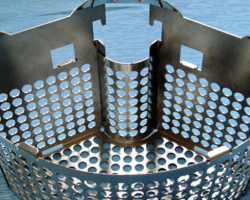
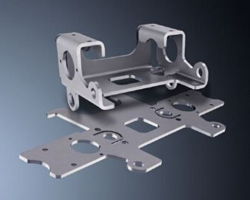
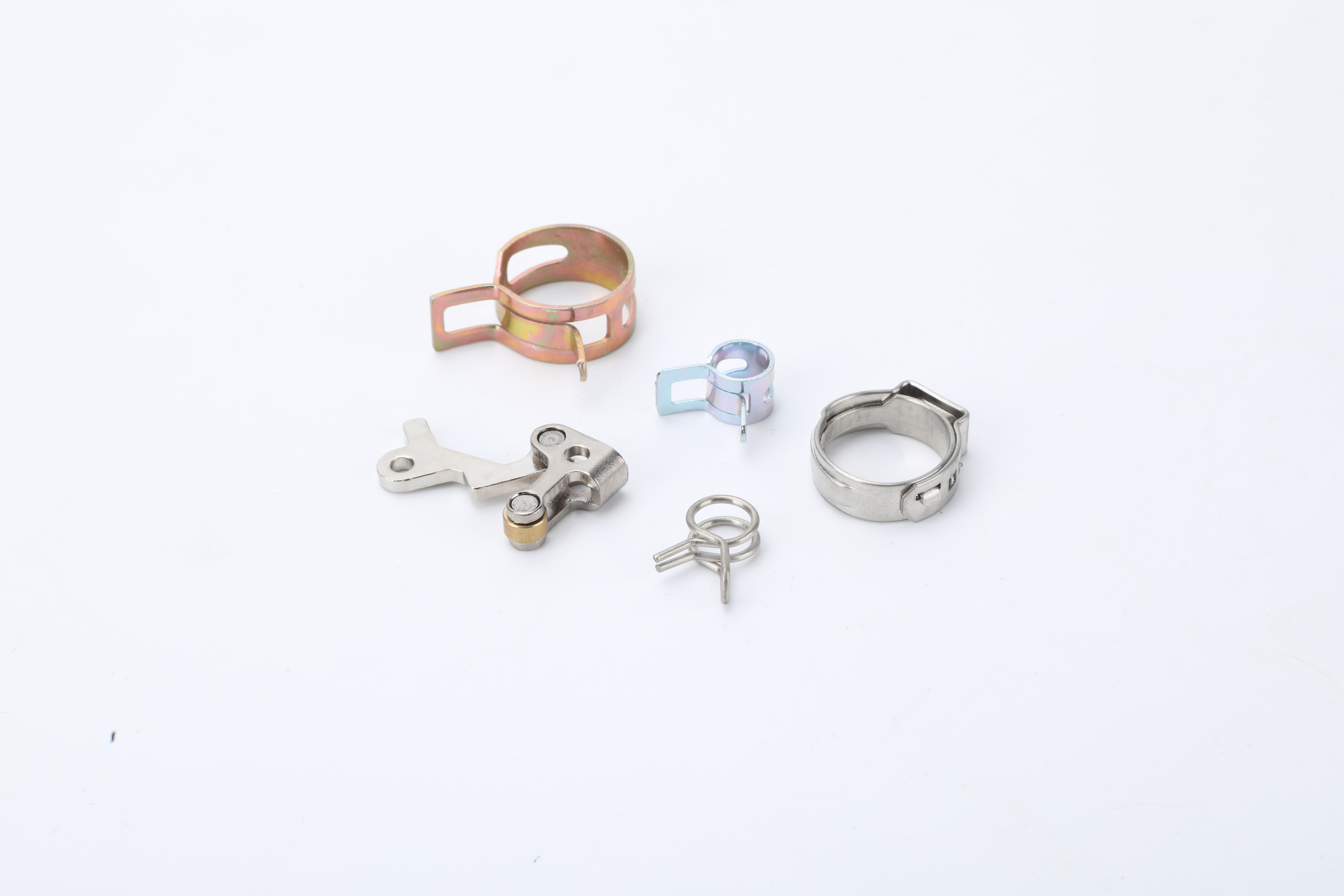
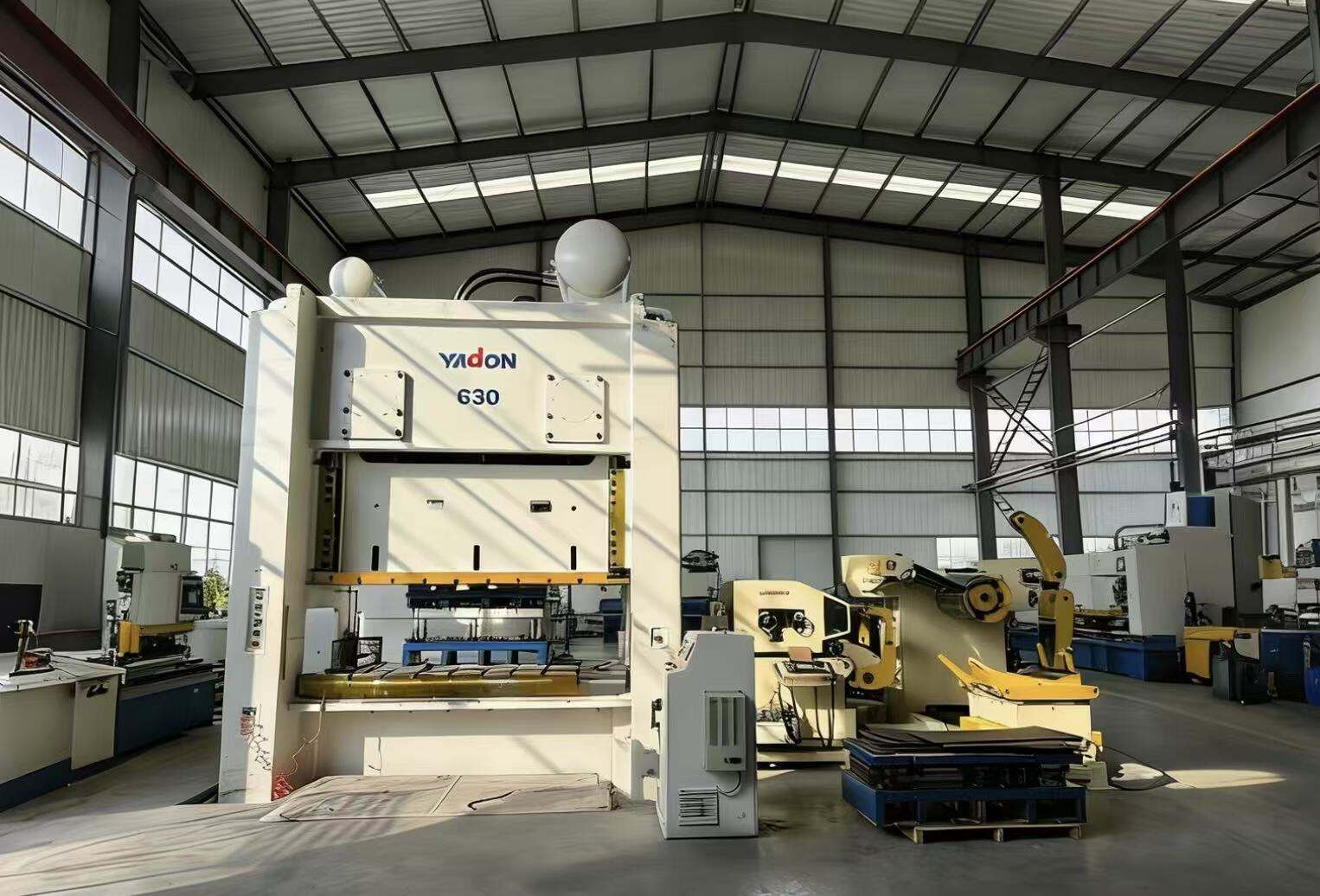
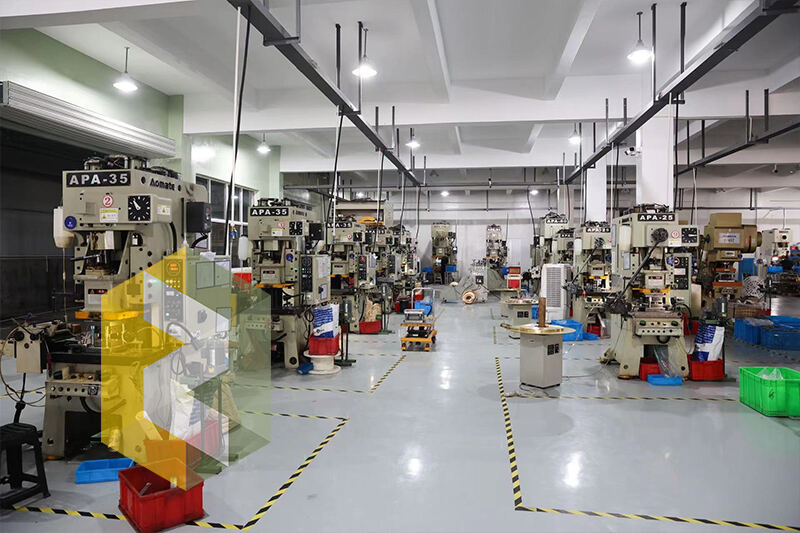
Ang precision metal stamping ay kumakatawan sa isang sopistikadong proseso ng pagmamanupaktura na nagpapalit sa mga patag na sheet ng metal upang mabuo ang mga kumplikadong bahagi sa tatlong dimensyon sa pamamagitan ng maingat na kontroladong mekanikal na puwersa. Ang napakahusay na teknik na ito ay gumagamit ng espesyal na mga die at press upang makabuo ng mga kumplikadong bahagi na may napakatumpak at pare-parehong kalidad. Ang proseso ng precision metal stamping ay nagsisimula sa detalyadong pagsusuri sa engineering, kung saan dinisenyo ng mga tagagawa ang pasadyang tooling upang matugunan ang tiyak na mga kinakailangan sa sukat at surface finish. Sa panahon ng operasyon, ang mga mataas na toneladang press ay naglalapat ng napakalaking puwersa sa sheet metal, na nagdudulot ng daloy nito papasok sa mga die cavity na may eksaktong paggawa, na tumutukoy sa huling hugis ng bahagi. Ang mga teknolohikal na katangian ng precision metal stamping ay kasama ang computer-controlled na operasyon ng press, ang progressive die systems, at ang advanced na kagamitan para sa paghawak ng materyales. Ang progressive dies ay nagpapahintulot sa maramihang operasyon ng pagbuo sa loob lamang ng isang press stroke, na nagpapataas nang malaki ng kahusayan sa produksyon habang pinapanatili ang tumpak na sukat. Ang mga modernong pasilidad ng precision metal stamping ay gumagamit ng servo-driven na press na nagbibigay ng variable speed control at programmable motion profiles, na nagpapahintulot sa mga tagagawa na i-optimize ang mga parameter ng pagbuo para sa iba’t ibang materyales at hugis ng bahagi. Ang mga sistema ng quality control ay sumasali sa laser measurement technology at statistical process control upang matiyak na ang bawat stamped component ay sumusunod sa mahigpit na mga teknikal na pamantayan. Ang mga aplikasyon ng precision metal stamping ay sakop ang maraming industriya, kabilang ang automotive, aerospace, electronics, medical devices, at consumer appliances. Ang mga tagagawa ng sasakyan ay umaasa sa precision metal stamping upang makagawa ng mga body panel, structural components, at engine parts na nangangailangan ng eksaktong dimensional tolerances. Ang mga kumpanya sa electronics ay gumagamit ng prosesong ito upang makabuo ng connector housings, heat sinks, at chassis components na may tumpak na mga feature para sa pag-mount. Ang mga tagagawa ng medical device ay umaasa sa precision metal stamping para sa mga surgical instruments, implant components, at housing ng diagnostic equipment na nangangailangan ng biocompatible na materyales at napakahusay na kalidad ng surface. Ang proseso ay sumasaklaw sa iba’t ibang metal alloys, kabilang ang stainless steel, aluminum, copper, at mga espesyal na high-strength na materyales, na nagpapahintulot sa mga tagagawa na pumili ng pinakamainam na materyales para sa partikular na mga pangangailangan sa performance habang pinananatili ang cost-effectiveness at scalability ng produksyon.

 EN
EN