Excellens Utilizatio Materialis et Reductio Sordium
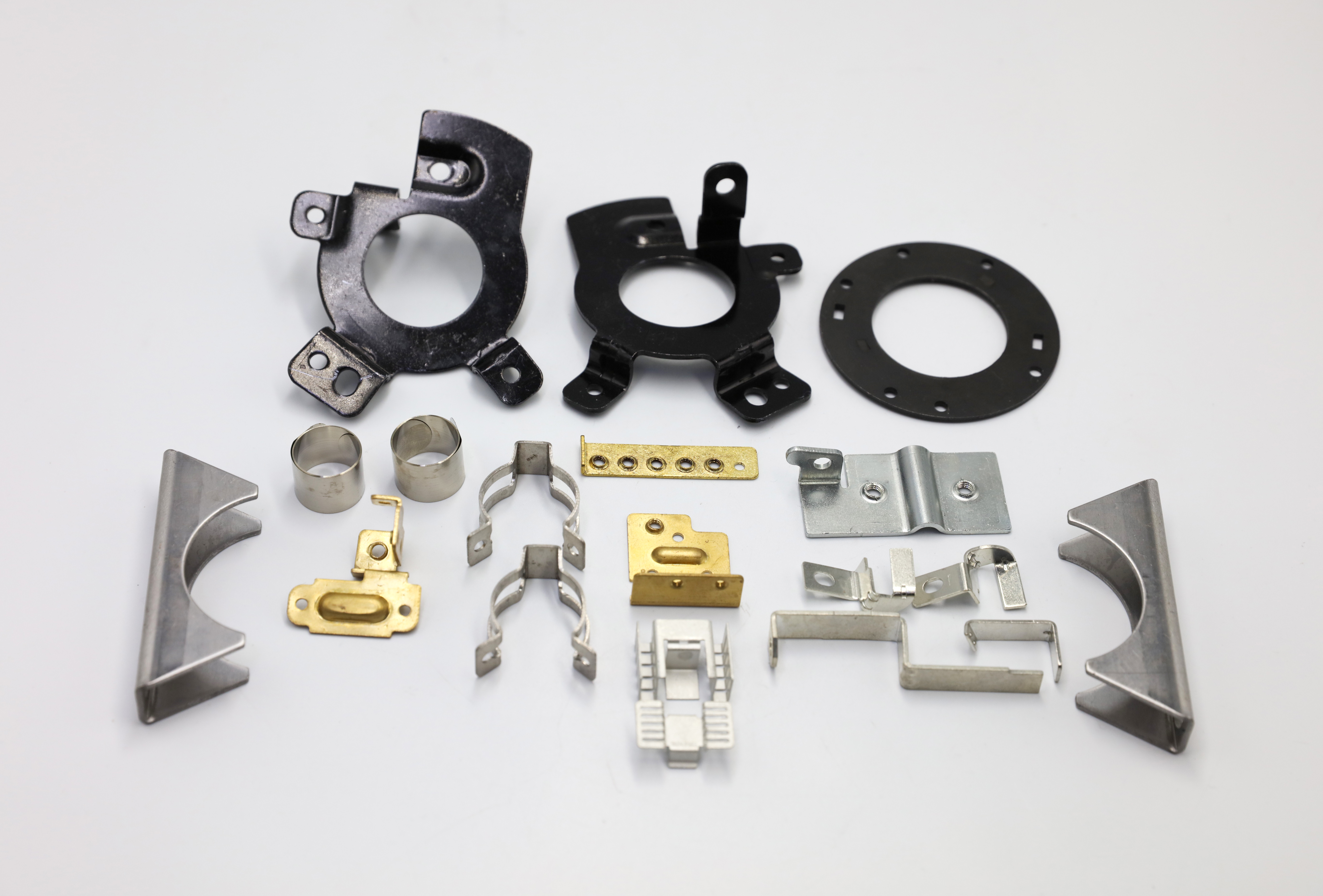
Partes per cunctationem exactam confectae praestant egregiam efficaciam in utilisatione materiae, maximamque valorem ex materiis primis extractum, dum minima generatio residui per totum processum fabricandi efficitur. Haec efficacia ex subtili software conglobandi et ex technicis progresivae formae designandae oritur, quae dispositionem materiae optime constituunt, ut saepe plus quam octoginta quinque percentum materiae utantur. Systemata computatralia ad designandum, quae in cunctatione exacta utuntur, geometriam partium et proprietates materiae analysant, ut optimam dispositionem fasciculi determinent, considerantes factores ut directionem granulorum, variationes crassitudinis materiae, et necessitates pontis residui. Formae progressivae permittunt plures operationes formativas intra unum pressionis ictum, eliminantes residuum materiae quod ex transpositione partium inter operationes separatas oritur. Praecisum controllem systematum alimentationis materiae constans progressus fasciculi certificat, ut evitetur residuum materiae propter dislocationem vel errores alimentationis. Residuum materiae, quod in operationibus cunctationis exactae generatur, altam retinet valorem recycleri propter puram sectionem et cognitam compositionem materiae, quod ad sustinenda fabricandi principia contribuit. Facultas partium ad formam finalem (net-shape) aut ad formam fere finalem (near-net-shape) per cunctationem exactam producendarum eliminat residuum materiae quod ex operationibus secundariis machinalibus oritur, quae materiam ad dimensiores finales consequendas amputant. Systemata tractationis fasciculorum, quae cum operationibus cunctationis exactae integrantur, ordinem et tractationem materiae optime disponunt, ut diminuatur residuum propter damna in tractatione materiae et obsolescentiam. Crassitudo materiae constans, quae per processus cunctationis exactae attingitur, necessitatem sortitionis aut gradationis materiae tollit, ut residuum propter materias extra specificatae normas minuatur. Mensurae curae qualitatis, quae per totum processum cunctationis exactae implementantur, defectus materiae primum in productione detegunt, ut evitetur consumptio temporis et energiae in materia defectuosa. Facultas utendi latissimo genere materiae et crassitudinum per cunctationem exactam flexibilitatem in electione materiae praebet, ut fabricatores optima optiona pretii efficaciaque eligere possint, dum requisita functionis serventur. Principia fabricandi levis (lean), quae in operationibus cunctationis exactae applicatur, includunt advenire materiae tempore opportuno (just-in-time), ut residuum propter nimiam copiam et tractationem materiae minuatur. Reductio impactus ambientalis, quae per efficacem utilisationem materiae consequitur, initiativis corporis de sustentabilitate favet, dum simul pretia materiae primae et expensae ablationis minuuntur.


 EN
EN