metal tension springs
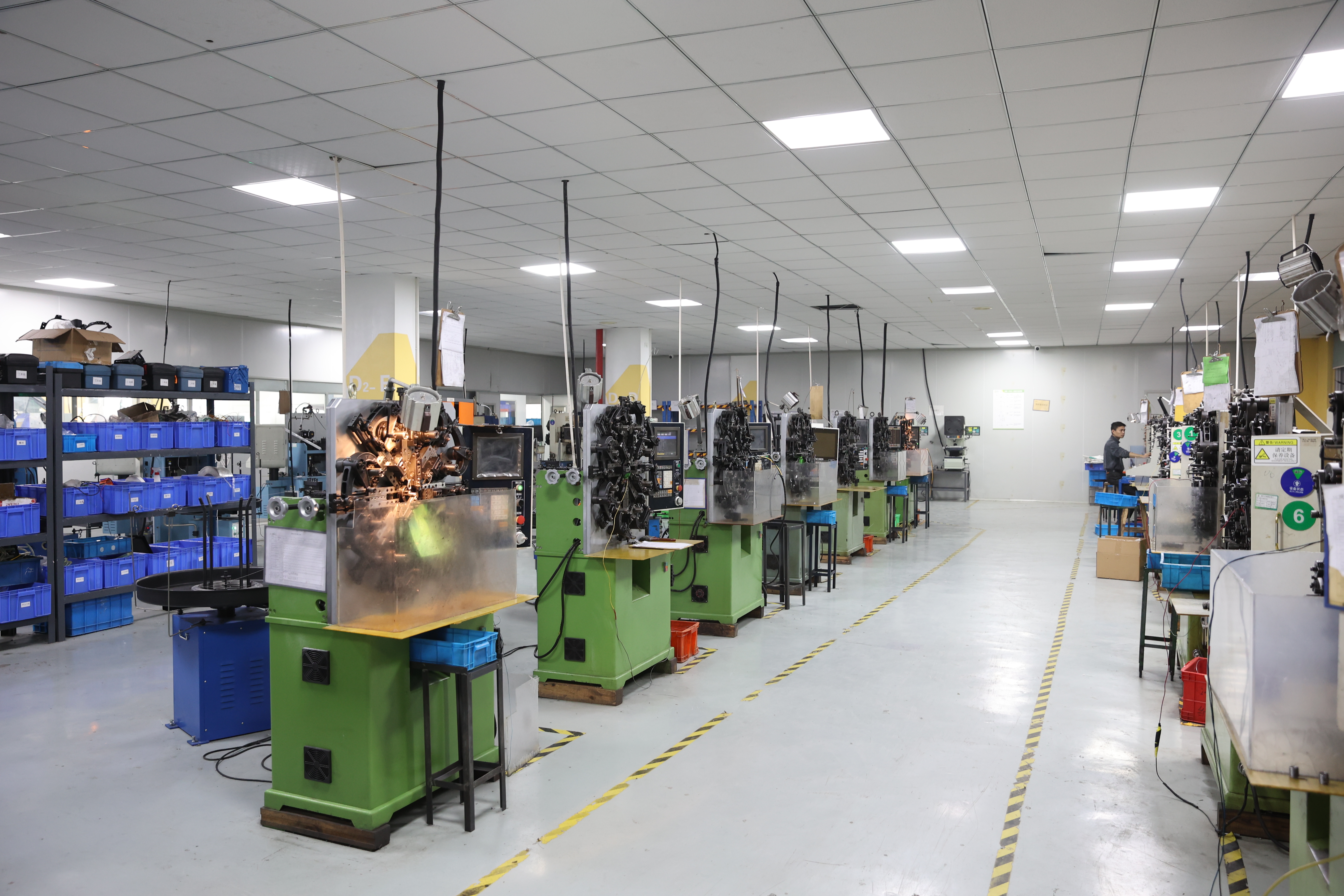
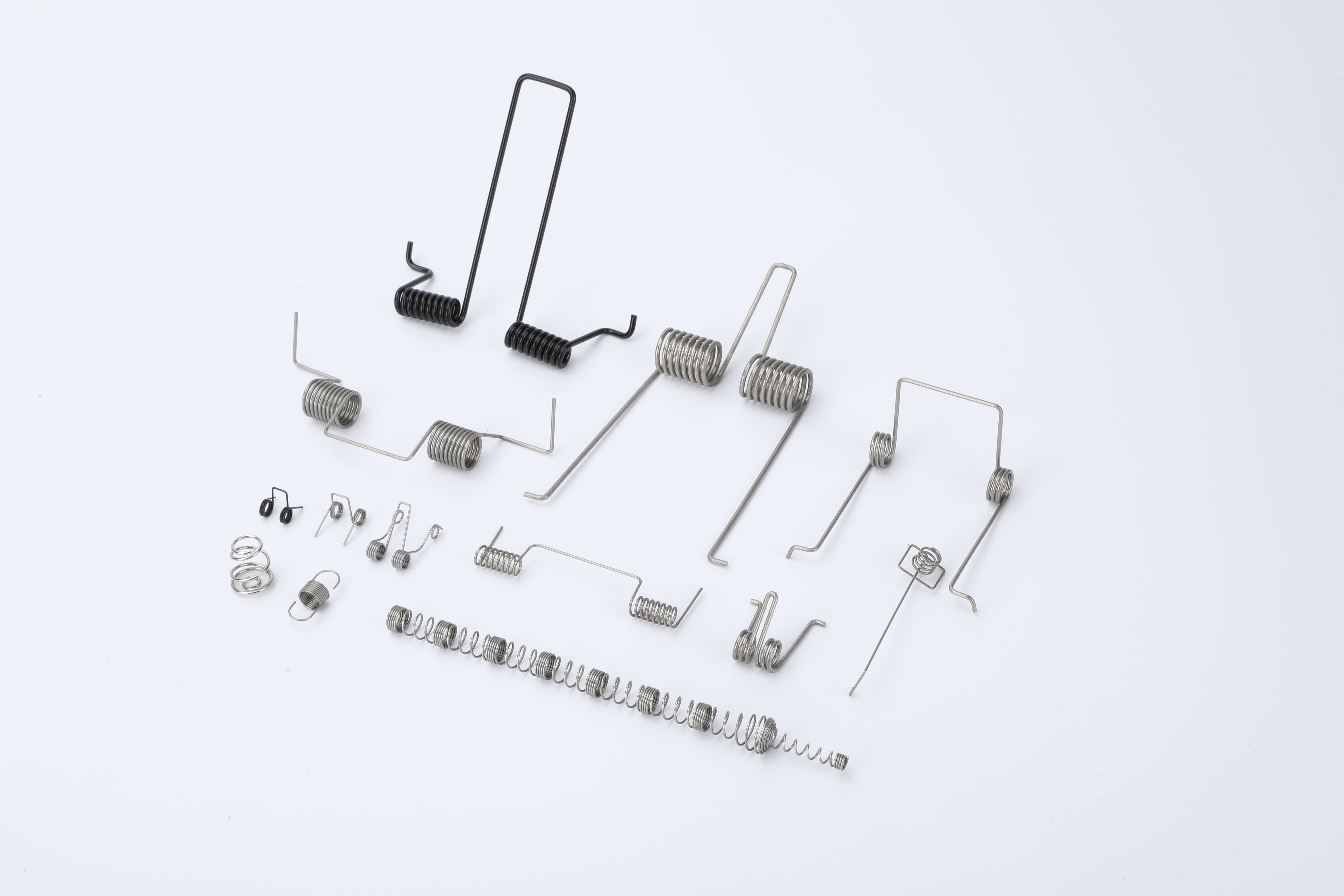
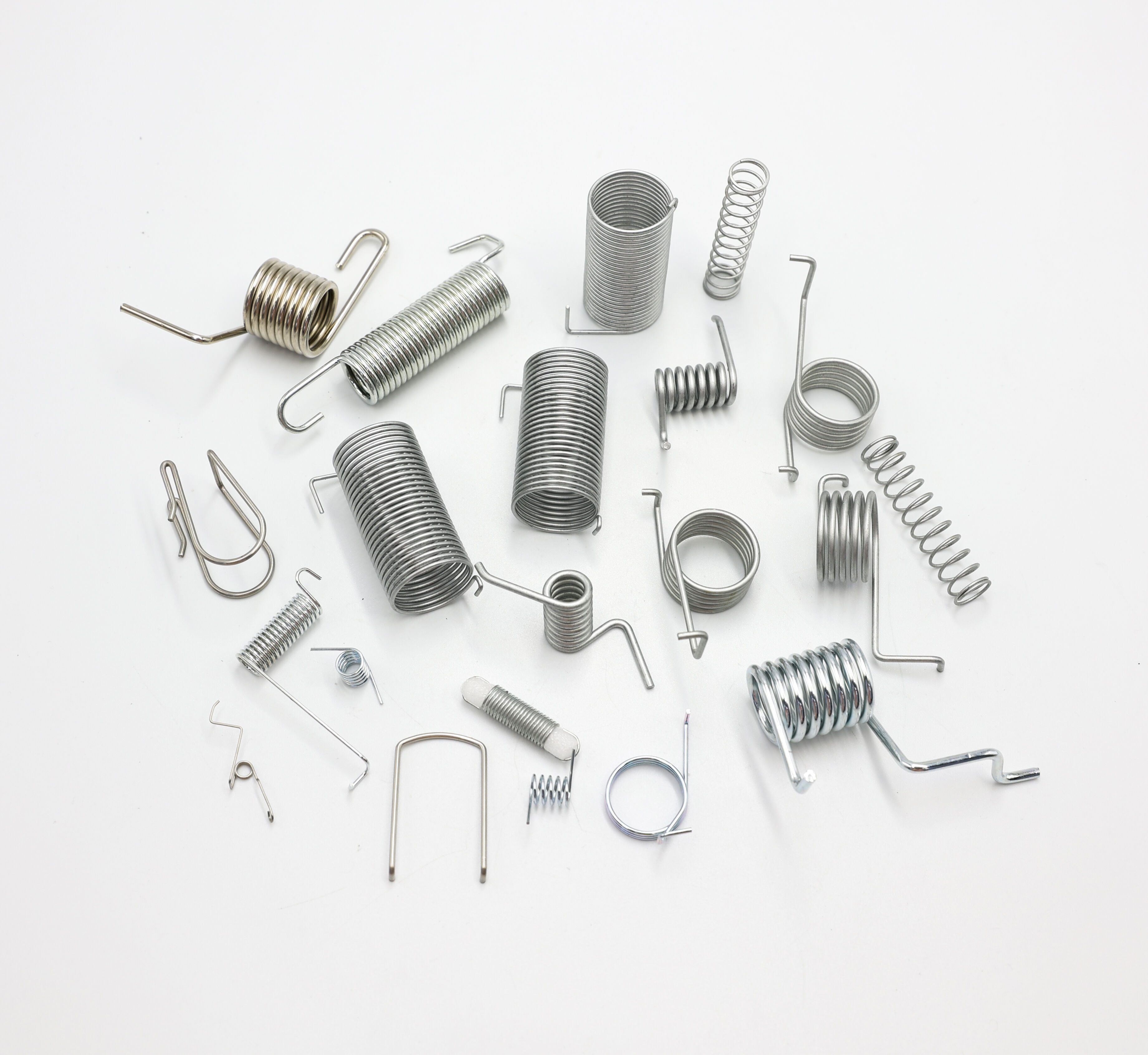
Metal tension springs represent essential mechanical components that store and release energy through elastic deformation when subjected to pulling forces. These precision-engineered devices consist of tightly wound helical coils manufactured from high-grade steel, stainless steel, or specialized alloys. The primary function of metal tension springs involves providing controlled resistance against stretching forces while maintaining their ability to return to original dimensions once the load is removed. Their technological features include precise coil spacing, consistent wire diameter, and carefully calculated spring rates that determine load-bearing capacity. Manufacturing processes involve cold-winding techniques that enhance material strength and durability. Metal tension springs operate based on Hooke's Law, where the force required to extend the spring remains proportional to the distance stretched. The hook or loop end configurations facilitate secure attachment points for various applications. These components demonstrate exceptional fatigue resistance, enabling millions of compression and extension cycles without material failure. Surface treatments such as zinc plating, powder coating, or passivation improve corrosion resistance and extend operational life. Quality control measures ensure consistent performance through dimensional verification, load testing, and material certification. Applications span numerous industries including automotive suspension systems, industrial machinery, garage door mechanisms, trampolines, exercise equipment, and aerospace components. Agricultural machinery relies on metal tension springs for seed planting mechanisms and harvesting equipment. Medical devices incorporate these springs in surgical instruments and rehabilitation equipment. The versatility of metal tension springs makes them indispensable in applications requiring reliable force transmission, shock absorption, and mechanical energy storage. Their ability to provide consistent performance across temperature variations and environmental conditions establishes them as preferred solutions for demanding engineering applications where precision and reliability remain paramount considerations for system functionality and safety.


 EN
EN