High-Performance Flat Metal Springs - Compact, Durable & Cost-Effective Solutions

All Categories

Get a Free Quote

Our representative will contact you soon.
Email
Mobile/WhatsApp
Name
Company Name
Message
0/1000

flat metal springs

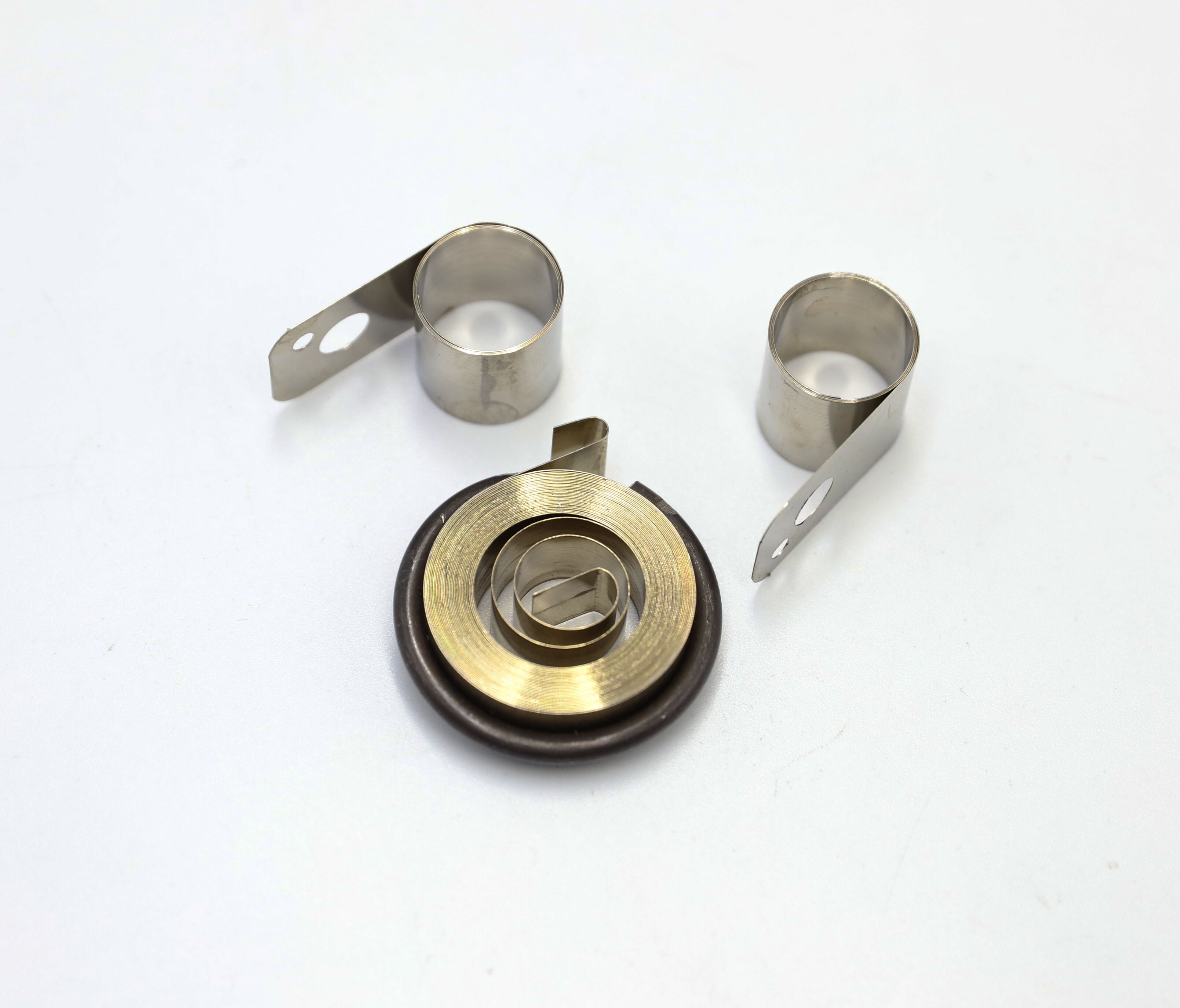
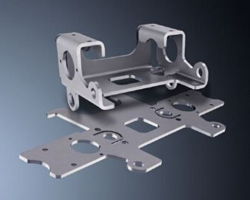
Flat metal springs represent a crucial component in modern engineering and manufacturing, serving as essential elements that provide controlled force and motion in countless applications. These precision-engineered components are manufactured from high-quality metal materials, typically stainless steel, carbon steel, or specialized alloys, designed to deliver consistent performance under varying load conditions. Unlike traditional coil springs, flat metal springs utilize the inherent elasticity of thin metal strips or sheets to generate spring force through deflection and bending mechanisms. The fundamental principle behind flat metal springs involves the material's ability to store and release energy when subjected to external forces, making them indispensable in applications requiring precise force control, space efficiency, and reliable mechanical performance. These springs are characterized by their compact design, which allows engineers to integrate them into tight spaces where conventional spring systems would be impractical or impossible to implement. The manufacturing process of flat metal springs involves precision cutting, forming, and heat treatment procedures that ensure optimal mechanical properties and dimensional accuracy. Advanced manufacturing techniques enable the production of flat metal springs with complex geometries, varying thickness profiles, and customized force characteristics tailored to specific application requirements. The technological features of flat metal springs include excellent fatigue resistance, consistent force output, minimal space requirements, and the ability to operate effectively across wide temperature ranges. These springs maintain their mechanical properties even after millions of cycles, making them ideal for high-frequency applications. The design flexibility inherent in flat metal springs allows engineers to create components that can provide linear or progressive force curves, depending on the specific requirements of the application. Modern flat metal springs incorporate advanced metallurgical techniques that enhance their durability, corrosion resistance, and overall performance characteristics, ensuring reliable operation in demanding industrial environments.
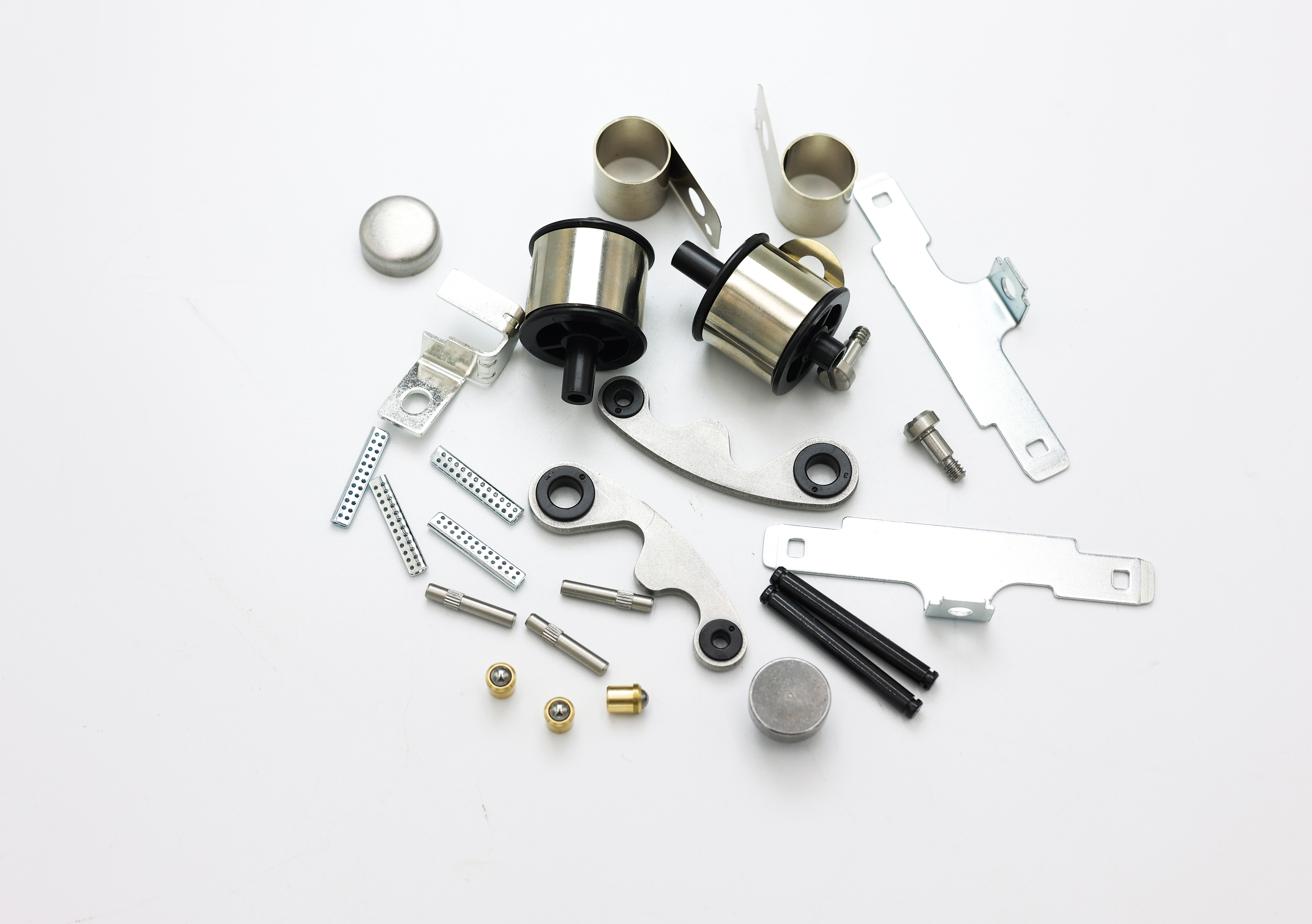
New Products

Flat metal springs offer numerous compelling advantages that make them the preferred choice for engineers and designers across various industries. The primary benefit lies in their exceptional space efficiency, as these springs require significantly less installation space compared to traditional coil springs while delivering comparable or superior performance. This compact design characteristic enables manufacturers to create more streamlined products and optimize space utilization in complex assemblies. The consistent force delivery of flat metal springs ensures predictable performance throughout their operational life, providing engineers with reliable design parameters and reducing the need for frequent adjustments or replacements. This consistency translates into improved product quality and enhanced user experience across applications. Manufacturing flat metal springs involves cost-effective production processes that result in lower per-unit costs, especially in high-volume applications. The simplified manufacturing procedures reduce production time and minimize material waste, making these springs an economically attractive solution for budget-conscious projects. Durability represents another significant advantage, as flat metal springs demonstrate exceptional resistance to fatigue and wear, even under continuous high-cycle operations. This longevity reduces maintenance requirements and extends product lifespan, providing substantial cost savings over the component's operational life. The versatility of flat metal springs allows them to accommodate various loading conditions and environmental factors, making them suitable for applications ranging from delicate electronic devices to heavy-duty industrial machinery. Temperature stability is a crucial advantage, as these springs maintain their mechanical properties across wide temperature ranges, ensuring reliable performance in extreme environmental conditions. Installation simplicity is another key benefit, as flat metal springs typically require fewer mounting components and simpler assembly procedures compared to alternative spring systems. This ease of installation reduces assembly time and minimizes the risk of installation errors. The low maintenance requirements of flat metal springs contribute to reduced operational costs and improved system reliability. These springs operate quietly and smoothly, making them ideal for applications where noise reduction is important. The ability to customize flat metal springs for specific applications provides engineers with design flexibility that enables optimal performance tailored to unique requirements. Corrosion resistance, particularly in stainless steel variants, ensures long-term performance in harsh environments and reduces the need for protective coatings or frequent replacements.

Latest News

How To Determine The Chemical Stability Of Materials

10

Mar

How To Determine The Chemical Stability Of Materials

View More
Testing Standards For Corrosion Resistance Of Automotive Parts

10

Mar

Testing Standards For Corrosion Resistance Of Automotive Parts

View More

Get a Free Quote

Our representative will contact you soon.
Email
Mobile/WhatsApp
Name
Company Name
Message
0/1000

flat metal springs

Superior Space Efficiency and Design Flexibility

Superior Space Efficiency and Design Flexibility

The outstanding space efficiency of flat metal springs represents one of their most valuable characteristics, enabling engineers to design compact and streamlined products without compromising performance. These springs occupy minimal vertical and horizontal space, making them ideal for applications where space constraints are critical factors in the design process. The thin profile of flat metal springs allows them to fit into narrow gaps and tight spaces where traditional coil springs would be impossible to accommodate. This space-saving characteristic is particularly beneficial in modern electronic devices, automotive components, and precision instruments where miniaturization is essential. The design flexibility inherent in flat metal springs allows engineers to create custom solutions that meet specific force requirements while maintaining compact dimensions. Engineers can modify the spring geometry, material thickness, and length to achieve desired force characteristics without increasing the overall footprint of the component. This adaptability enables the creation of progressive or linear force curves depending on application needs. The ability to stack multiple flat metal springs provides additional design options for achieving higher forces or creating complex force profiles while maintaining compact dimensions. The flat configuration allows for easy integration with electronic circuits, mechanical assemblies, and aesthetic design requirements. Manufacturing processes for flat metal springs can accommodate complex shapes and configurations, including curved profiles, variable thickness sections, and integrated mounting features. This manufacturing flexibility enables engineers to optimize the spring design for specific applications while minimizing the need for additional components or complex assembly procedures. The space efficiency of flat metal springs also contributes to weight reduction in finished products, which is particularly important in aerospace, automotive, and portable device applications. The compact design reduces material usage and shipping costs while maintaining high performance standards. Integration capabilities of flat metal springs allow them to serve multiple functions within a single component, further enhancing space efficiency and reducing overall system complexity.
Exceptional Durability and Fatigue Resistance

Exceptional Durability and Fatigue Resistance

The exceptional durability and fatigue resistance of flat metal springs make them outstanding choices for high-cycle applications and demanding operational environments. These springs are engineered to withstand millions of operating cycles without significant degradation in performance, ensuring long-term reliability and consistent force output throughout their service life. The fatigue resistance of flat metal springs stems from advanced metallurgical processes and carefully controlled manufacturing procedures that optimize the material's grain structure and eliminate stress concentrations. The uniform stress distribution across the spring material prevents the development of failure points that commonly affect other spring designs. Heat treatment processes used in manufacturing flat metal springs enhance their mechanical properties, including yield strength, tensile strength, and fatigue resistance. These treatments create optimal microstructures that resist crack initiation and propagation, even under repetitive loading conditions. The surface finish quality of flat metal springs contributes significantly to their durability by minimizing stress concentrators and improving resistance to environmental factors. Advanced surface treatments, including shot peening and specialized coatings, further enhance fatigue resistance and extend operational life. The material selection for flat metal springs involves high-quality alloys that provide excellent mechanical properties and resistance to various forms of degradation. Stainless steel variants offer superior corrosion resistance, while specialized alloys provide enhanced temperature stability and chemical resistance. Quality control measures during manufacturing ensure consistent material properties and dimensional accuracy, contributing to predictable fatigue performance. The design principles used in flat metal springs minimize stress concentrations and optimize load distribution, preventing premature failure modes. Testing procedures for flat metal springs include accelerated fatigue testing that simulates years of operational service in compressed timeframes, ensuring reliable performance predictions. The durability of flat metal springs translates into reduced maintenance costs and fewer replacement requirements, providing significant economic benefits over the component's operational life. Environmental resistance features protect flat metal springs from corrosion, oxidation, and chemical attack, maintaining their mechanical properties in challenging conditions.
Cost-Effective Manufacturing and Installation

Cost-Effective Manufacturing and Installation

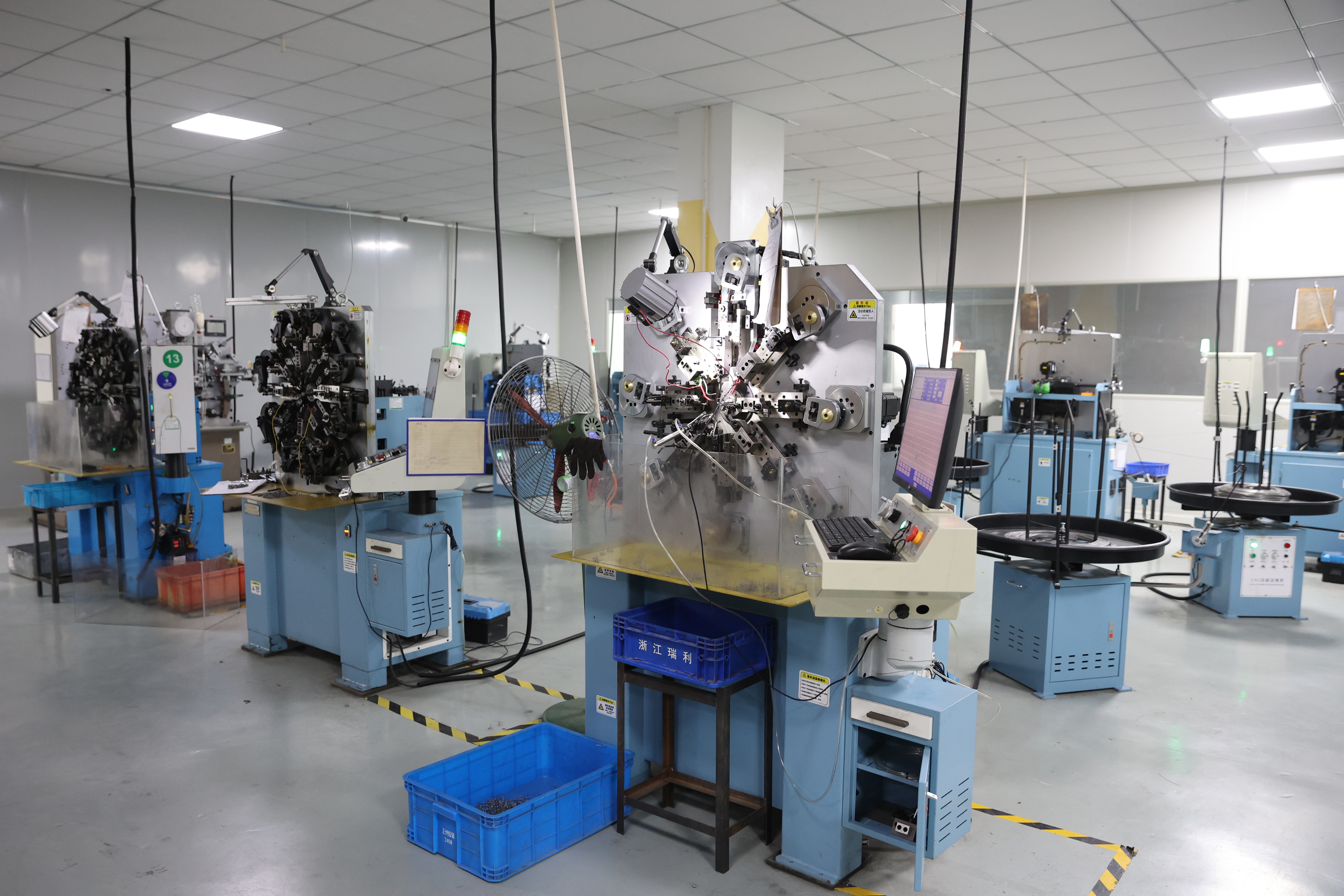
The cost-effective manufacturing and installation characteristics of flat metal springs provide significant economic advantages for both manufacturers and end users, making them attractive solutions for budget-conscious projects without compromising quality or performance. The manufacturing processes for flat metal springs utilize efficient production techniques that minimize material waste and reduce processing time, resulting in lower per-unit costs compared to many alternative spring systems. Automated manufacturing equipment can produce flat metal springs with high precision and consistency while maintaining fast production rates, enabling cost-effective high-volume production runs. The raw material efficiency of flat metal springs is superior to many other spring types, as the manufacturing process optimizes material usage and minimizes scrap generation. Standard manufacturing equipment can produce a wide variety of flat metal spring configurations without requiring extensive tooling changes or specialized machinery, reducing setup costs and enabling flexible production scheduling. The simplified geometry of flat metal springs allows for efficient quality control procedures that ensure consistent performance while minimizing inspection time and costs. Packaging and shipping advantages of flat metal springs include their compact dimensions and stackable configuration, which reduce transportation costs and storage space requirements. Installation procedures for flat metal springs are typically straightforward and require fewer specialized tools or training compared to more complex spring systems, reducing labor costs and installation time. The mounting requirements for flat metal springs are generally simpler than alternative systems, often requiring fewer fasteners and mounting components, which reduces both material costs and assembly complexity. Maintenance requirements for flat metal springs are minimal due to their robust design and durability characteristics, resulting in lower long-term operational costs. The standardization possibilities of flat metal springs enable manufacturers to utilize common designs across multiple applications, reducing inventory costs and simplifying supply chain management. Testing and validation procedures for flat metal springs are well-established and cost-effective, enabling rapid product development and certification processes. The reliability of flat metal springs reduces warranty costs and customer service requirements, providing additional economic benefits to manufacturers. Volume discounts available for flat metal springs make them even more cost-effective for large-scale applications and OEM manufacturers.

Get a Free Quote

Our representative will contact you soon.
Email
Mobile/WhatsApp
Name
Company Name
Message
0/1000