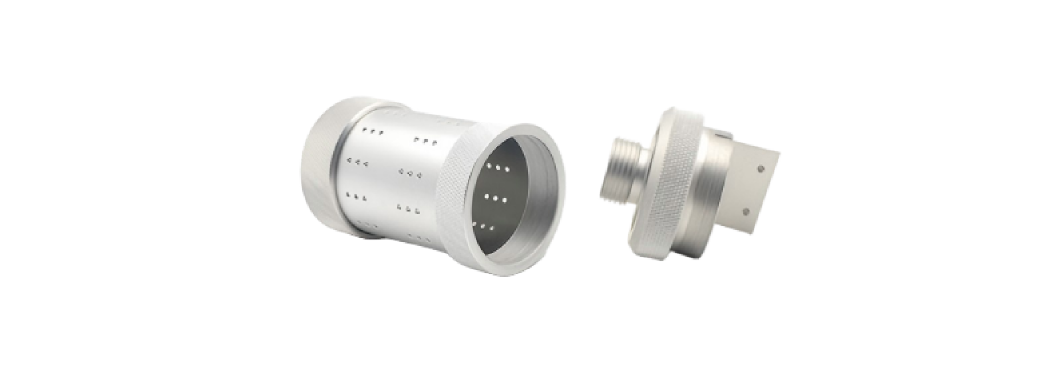
metal compression springs
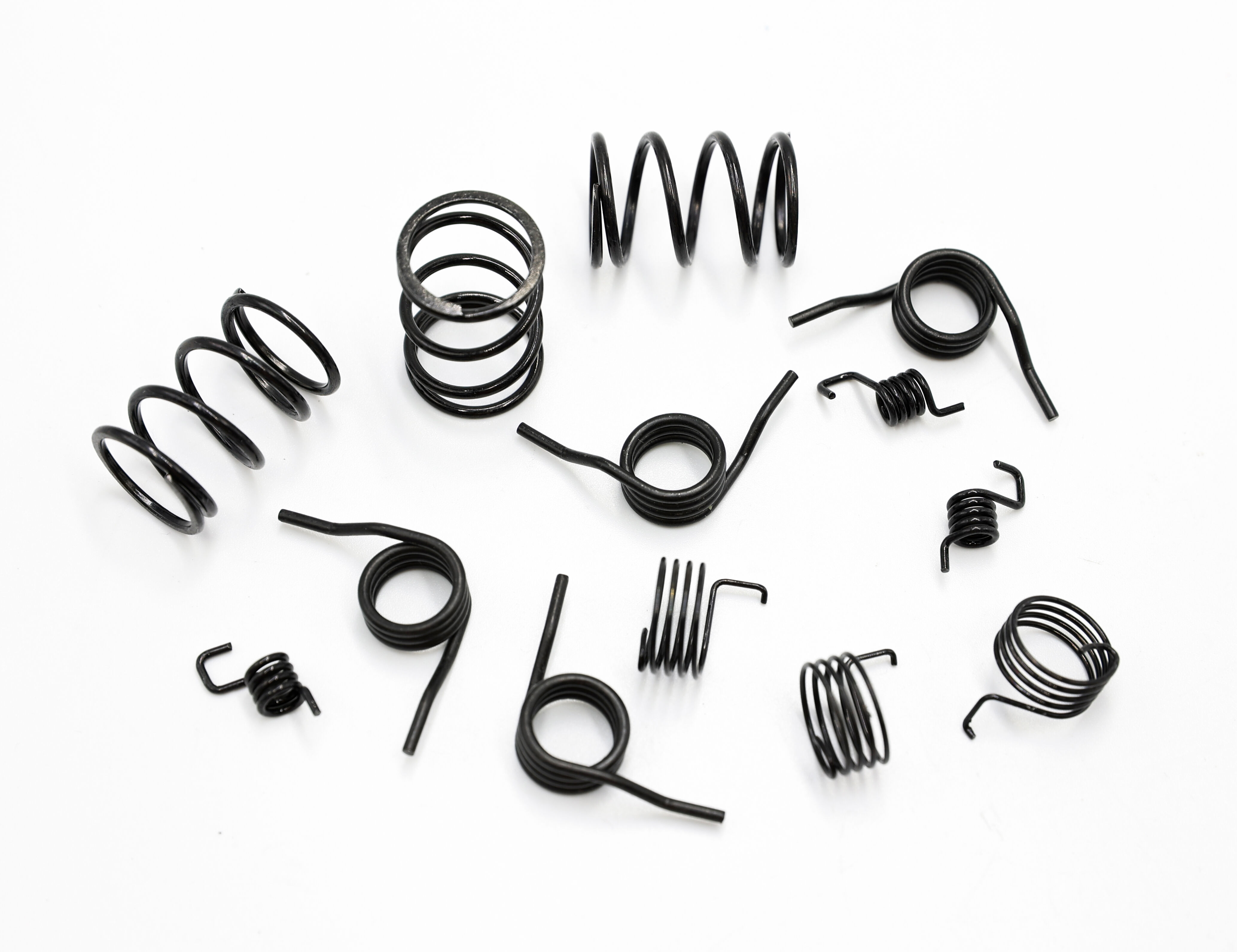
Metal compression springs represent essential mechanical components engineered to absorb and store energy when subjected to compressive forces. These versatile springs operate by compressing under load and returning to their original length when the force is removed, making them fundamental elements in countless industrial and commercial applications. The primary function of metal compression springs centers on providing controlled resistance to compression while maintaining consistent performance over extended operational periods. These springs effectively absorb shock, reduce vibration, and maintain tension between moving components across diverse mechanical systems. Technologically, metal compression springs feature sophisticated design characteristics that optimize their performance capabilities. The coil geometry, wire diameter, and pitch spacing are precisely calculated to achieve specific load-bearing requirements and deflection rates. Advanced manufacturing processes ensure uniform coil winding and consistent spring constants throughout the entire product lifecycle. Material selection plays a crucial role, with options including carbon steel, stainless steel, and specialized alloys chosen based on environmental conditions and performance demands. Heat treatment processes enhance durability and fatigue resistance, while surface treatments provide corrosion protection. Applications for metal compression springs span numerous industries and sectors. Automotive systems extensively utilize these springs in suspension components, valve assemblies, and clutch mechanisms. Industrial machinery incorporates compression springs in assembly lines, pneumatic systems, and safety devices. Consumer electronics rely on these components for button mechanisms, battery contacts, and vibration dampening. Medical devices, aerospace equipment, and construction machinery also depend on compression springs for reliable operation. The versatility of metal compression springs stems from their ability to provide consistent force characteristics across varying temperature ranges and operating conditions, making them indispensable components in modern engineering applications.

 EN
EN