High-Quality Small Metal Springs - Precision Engineered Components for Industrial Applications

All Categories

Get a Free Quote

Our representative will contact you soon.
Email
Mobile/WhatsApp
Name
Company Name
Message
0/1000

small metal springs

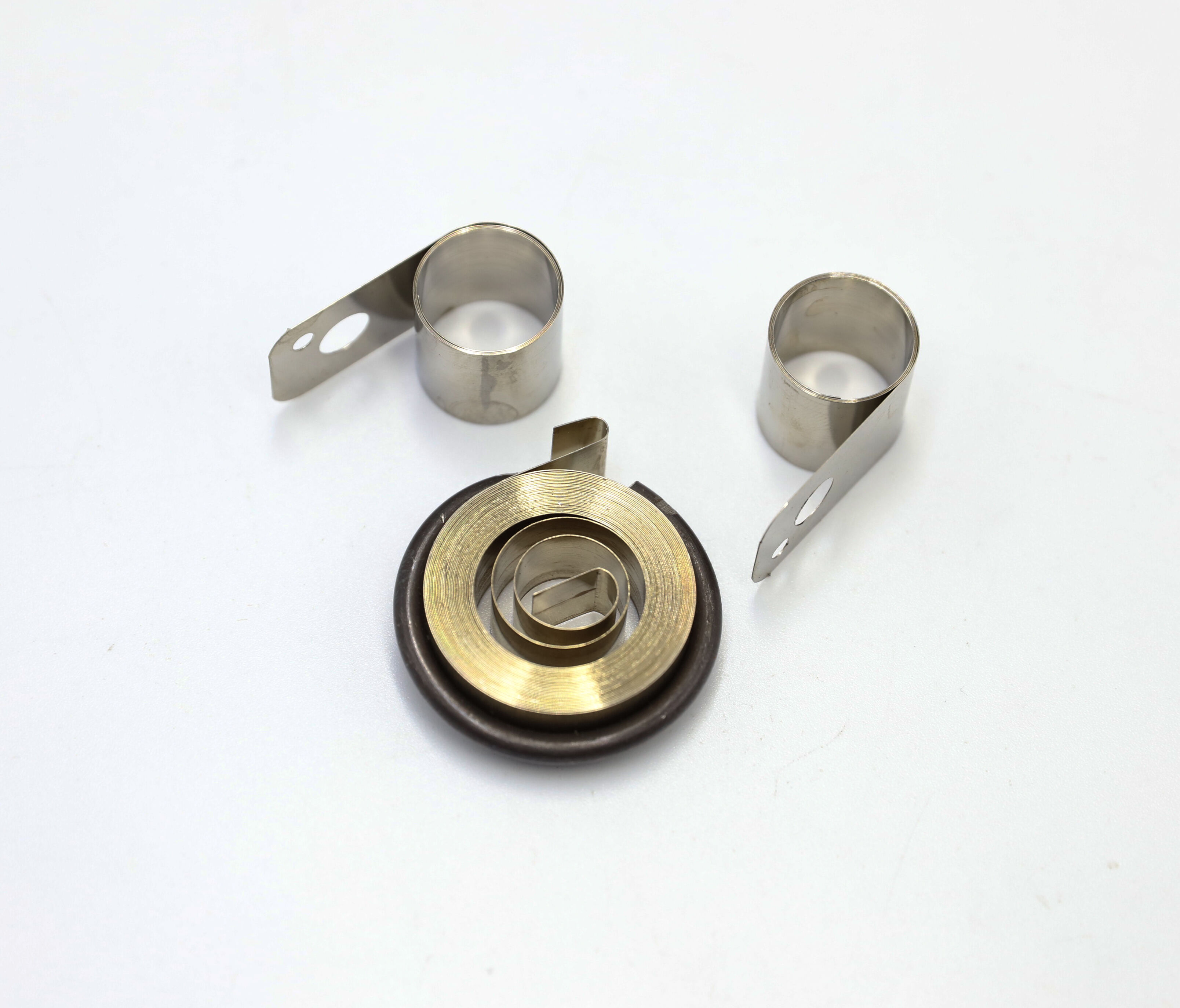
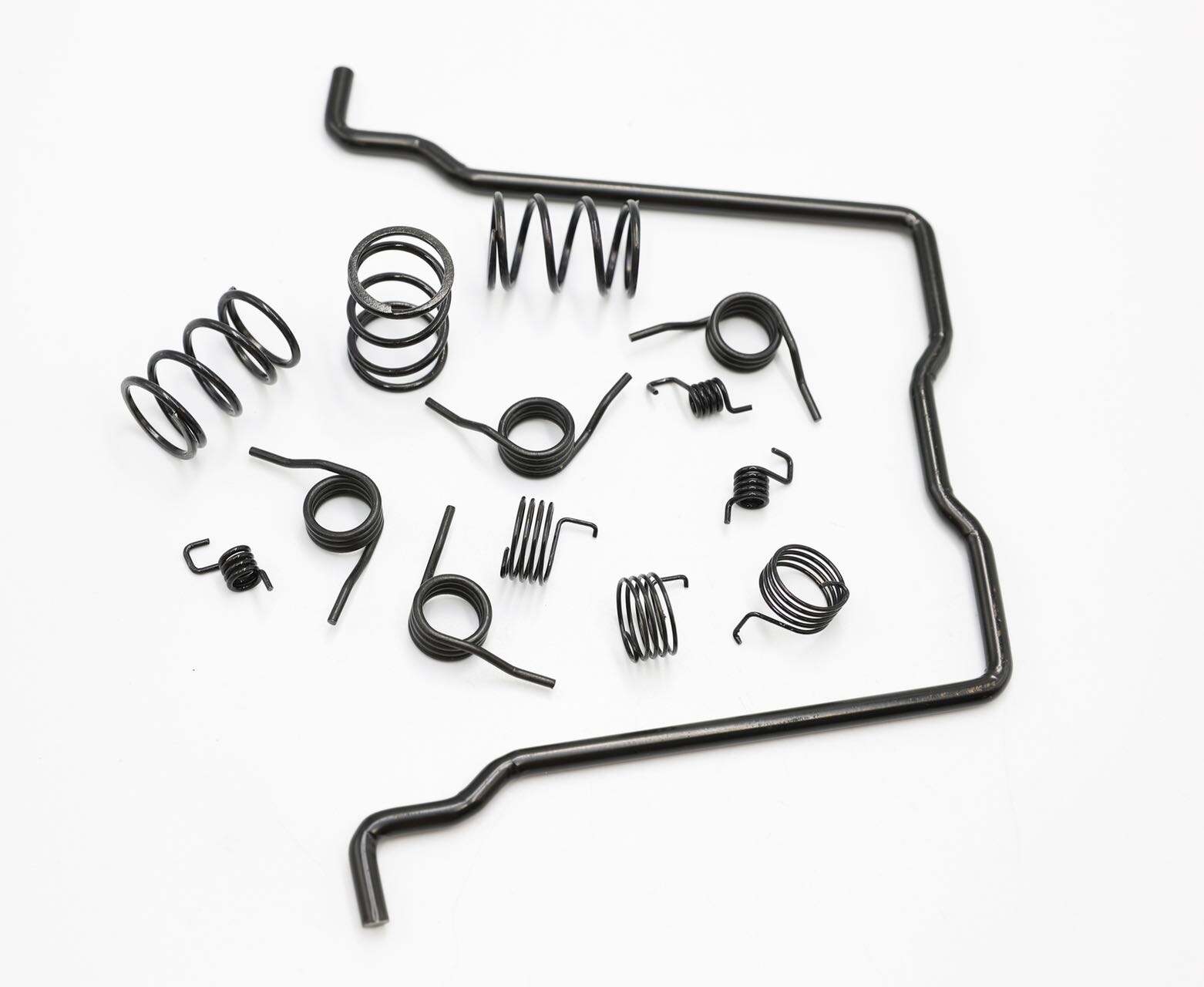
Small metal springs represent fundamental mechanical components that store and release energy through elastic deformation. These precision-engineered devices convert applied force into potential energy, which they subsequently release when the force is removed. Manufacturing processes for small metal springs involve specialized techniques including cold forming, heat treatment, and precision grinding to achieve exact specifications. The most common materials used include high-carbon steel, stainless steel, phosphor bronze, and various alloy compositions that provide specific characteristics for different operating environments. Small metal springs function through the principle of Hooke's Law, where the force required to compress or extend the spring is directly proportional to the distance of displacement. This predictable behavior makes them invaluable in countless mechanical applications. The technological features of small metal springs encompass precise wire diameter control, consistent coil spacing, and carefully calibrated spring rates. Advanced manufacturing techniques ensure dimensional accuracy within tight tolerances, typically measured in thousandths of an inch. Surface treatments such as passivation, plating, or coating enhance corrosion resistance and extend operational lifespan. Applications for small metal springs span numerous industries including automotive, electronics, medical devices, consumer appliances, and precision instruments. In automotive applications, they provide suspension support, valve control, and clutch mechanisms. Electronic devices rely on small metal springs for battery contacts, switch mechanisms, and connector retention systems. Medical equipment utilizes these components in surgical instruments, drug delivery systems, and diagnostic equipment. The aerospace industry depends on small metal springs for critical safety systems, control mechanisms, and instrumentation. Their reliability, durability, and consistent performance characteristics make small metal springs essential components in modern manufacturing and engineering applications across diverse sectors.
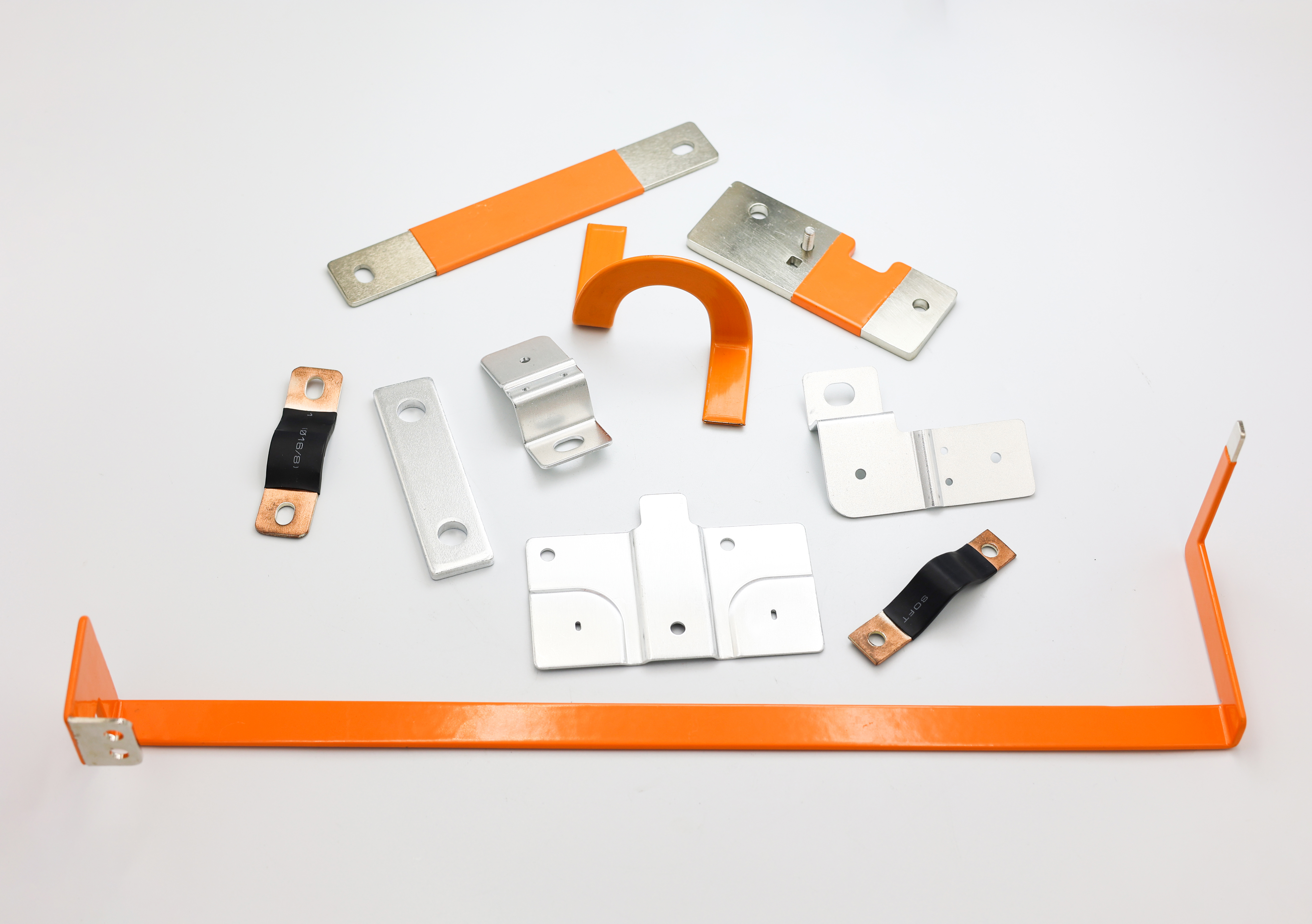
New Product Recommendations

Small metal springs deliver exceptional reliability that manufacturers depend on for consistent performance across millions of operating cycles. This reliability stems from carefully controlled metallurgy and precision manufacturing processes that eliminate weak points and ensure uniform stress distribution throughout the component. Users benefit from reduced maintenance costs and minimal downtime because these springs maintain their performance characteristics over extended periods. The compact design of small metal springs provides significant space-saving advantages in modern applications where miniaturization is crucial. Engineers can integrate these components into tight spaces without compromising functionality, enabling more efficient product designs and lighter overall assemblies. This space efficiency translates directly into cost savings during production and improved product portability for end users. Manufacturing flexibility represents another key advantage, as small metal springs can be customized to meet specific load requirements, dimensional constraints, and environmental conditions. This adaptability allows designers to optimize performance for particular applications rather than settling for generic solutions that may not deliver optimal results. Customers receive components that perfectly match their requirements, improving overall system performance and reducing the need for design compromises. Cost-effectiveness makes small metal springs attractive to budget-conscious manufacturers and designers. The relatively simple manufacturing process and readily available raw materials keep production costs low while maintaining high quality standards. Volume production capabilities enable significant economies of scale, making these components affordable even for large-scale manufacturing operations. The long service life of properly designed small metal springs further enhances their cost-effectiveness by reducing replacement frequency and associated labor costs. Environmental resistance is another significant advantage, particularly when small metal springs are manufactured from stainless steel or other corrosion-resistant alloys. These materials withstand harsh operating conditions including temperature extremes, chemical exposure, and moisture without degrading performance or compromising safety. This durability ensures consistent operation in challenging environments where component failure could have serious consequences. Installation simplicity reduces assembly time and labor costs while minimizing the potential for installation errors that could affect performance. Most small metal springs require no special tools or complex procedures for installation, making them ideal for high-volume manufacturing operations where speed and consistency are essential. The predictable behavior of small metal springs enables accurate performance modeling and system optimization during the design phase, reducing development time and testing requirements while improving final product reliability.

Tips And Tricks

How To Determine The Chemical Stability Of Materials

10

Mar

How To Determine The Chemical Stability Of Materials

View More
Automotive Armrest Slide Rail Production Factory: The Cradle of Quality and Innovation

10

Mar

Automotive Armrest Slide Rail Production Factory: The Cradle of Quality and Innovation

View More
Testing Standards For Corrosion Resistance Of Automotive Parts

10

Mar

Testing Standards For Corrosion Resistance Of Automotive Parts

View More

Get a Free Quote

Our representative will contact you soon.
Email
Mobile/WhatsApp
Name
Company Name
Message
0/1000

small metal springs

Precision Engineering Excellence

Precision Engineering Excellence

Small metal springs showcase remarkable precision engineering that sets them apart from conventional mechanical components. The manufacturing process begins with carefully selected raw materials that undergo rigorous quality testing to ensure consistent chemical composition and mechanical properties. Wire drawing operations achieve precise diameter control within extremely tight tolerances, typically plus or minus 0.0005 inches, which directly impacts the final spring's performance characteristics. Advanced coiling machinery utilizes computer-controlled systems that maintain exact pitch spacing, coil diameter, and overall length specifications throughout the production run. This precision extends to the heat treatment processes where small metal springs undergo carefully controlled temperature cycles that optimize their elastic properties while maintaining dimensional stability. The grinding operations that finish the spring ends ensure perfectly flat surfaces that distribute loads evenly and prevent premature failure due to stress concentrations. Quality control measures include 100 percent dimensional inspection using coordinate measuring machines and statistical process control methods that identify variations before they affect product performance. The precision achieved in small metal springs manufacturing enables predictable load-deflection characteristics that engineers can confidently incorporate into their design calculations. This reliability eliminates guesswork and reduces the need for extensive testing during product development phases. Customers benefit from consistent performance across large production quantities, ensuring that their products maintain uniform operation regardless of manufacturing lot variations. The precision engineering approach also enables the production of small metal springs with complex geometries and specialized features such as variable pitch coils, conical shapes, or custom end configurations. These advanced designs provide enhanced functionality while maintaining the fundamental reliability that makes small metal springs essential components in critical applications. The investment in precision manufacturing equipment and processes ultimately delivers superior value to customers through improved product performance, reduced warranty costs, and enhanced reputation for quality and reliability.
Exceptional Material Versatility

Exceptional Material Versatility

Small metal springs demonstrate outstanding material versatility that accommodates diverse application requirements across numerous industries and operating environments. The selection of appropriate materials begins with understanding the specific performance demands including load requirements, environmental conditions, temperature ranges, and chemical compatibility factors that will influence long-term reliability. High-carbon steel remains the most popular choice for small metal springs due to its excellent elastic properties, high strength-to-weight ratio, and cost-effectiveness in standard applications. This material provides reliable performance in temperatures ranging from minus 40 to plus 250 degrees Fahrenheit while maintaining consistent spring characteristics throughout its service life. Stainless steel alloys offer superior corrosion resistance for small metal springs operating in harsh environments where moisture, chemicals, or extreme temperatures could compromise carbon steel performance. The austenitic stainless steel grades provide excellent ductility and work-hardening characteristics that enhance fatigue resistance in dynamic applications. Specialized alloys such as Inconel and Hastelloy enable small metal springs to function in extreme environments including high-temperature applications up to 1200 degrees Fahrenheit and highly corrosive chemical processing environments. These premium materials command higher costs but deliver exceptional performance where standard materials would fail rapidly. Phosphor bronze and beryllium copper alloys provide excellent electrical conductivity combined with spring characteristics, making them ideal for small metal springs in electronic applications where electrical contact integrity is crucial. The material selection process considers factors such as magnetic properties, with non-magnetic stainless steel grades specified for applications where magnetic interference must be minimized. Surface treatments and coatings further enhance material versatility by providing additional protection against corrosion, wear, and environmental degradation. Options include zinc plating, cadmium plating, passivation treatments, and specialized coatings that extend service life while maintaining dimensional accuracy. The ability to select optimal materials for specific applications ensures that small metal springs deliver maximum performance and reliability while meeting cost objectives and regulatory requirements such as RoHS compliance for electronic applications.
Unlimited Application Adaptability

Unlimited Application Adaptability

Small metal springs exhibit remarkable application adaptability that makes them indispensable components across virtually every industry sector, from precision medical devices to heavy industrial machinery. This adaptability stems from their fundamental ability to store and release mechanical energy in a controlled, predictable manner while occupying minimal space and requiring no external power source. In the automotive industry, small metal springs perform critical functions in fuel injection systems where they maintain precise valve timing and pressure control under extreme temperature and vibration conditions. These applications demand springs that can cycle millions of times without degradation while maintaining exact force specifications that directly impact engine performance and emissions compliance. The electronics sector relies heavily on small metal springs for battery contact systems, keyboard mechanisms, and connector retention applications where consistent electrical contact and mechanical reliability are essential. These springs must maintain their properties despite exposure to temperature cycling, humidity variations, and potential chemical contamination from manufacturing processes. Medical device applications represent some of the most demanding uses for small metal springs, where biocompatibility, sterilization resistance, and absolute reliability are non-negotiable requirements. Surgical instruments depend on small metal springs for precise force application and tactile feedback that surgeons rely on for successful procedures. Drug delivery systems utilize these components to provide controlled release mechanisms that must function reliably throughout extended storage periods and deliver accurate dosing when activated. Aerospace applications push small metal springs to their performance limits with requirements for zero-failure operation in extreme temperature ranges, vacuum conditions, and high-vibration environments. These applications often require specialized materials and manufacturing processes that meet stringent certification requirements while maintaining the fundamental reliability that makes small metal springs suitable for safety-critical systems. Consumer appliance manufacturers appreciate the versatility of small metal springs in applications ranging from washing machine suspension systems to coffee maker brewing mechanisms. The ability to customize force characteristics, dimensions, and materials enables optimal performance in each specific application while maintaining cost-effectiveness for high-volume production. This unlimited adaptability ensures that small metal springs continue to find new applications as technology advances and design requirements evolve.

Get a Free Quote

Our representative will contact you soon.
Email
Mobile/WhatsApp
Name
Company Name
Message
0/1000