Premium CNC Milled Parts - Precision Manufacturing Solutions for Every Industry

All Categories

Get a Free Quote

Our representative will contact you soon.
Email
Mobile/WhatsApp
Name
Company Name
Message
0/1000

cnc milled parts

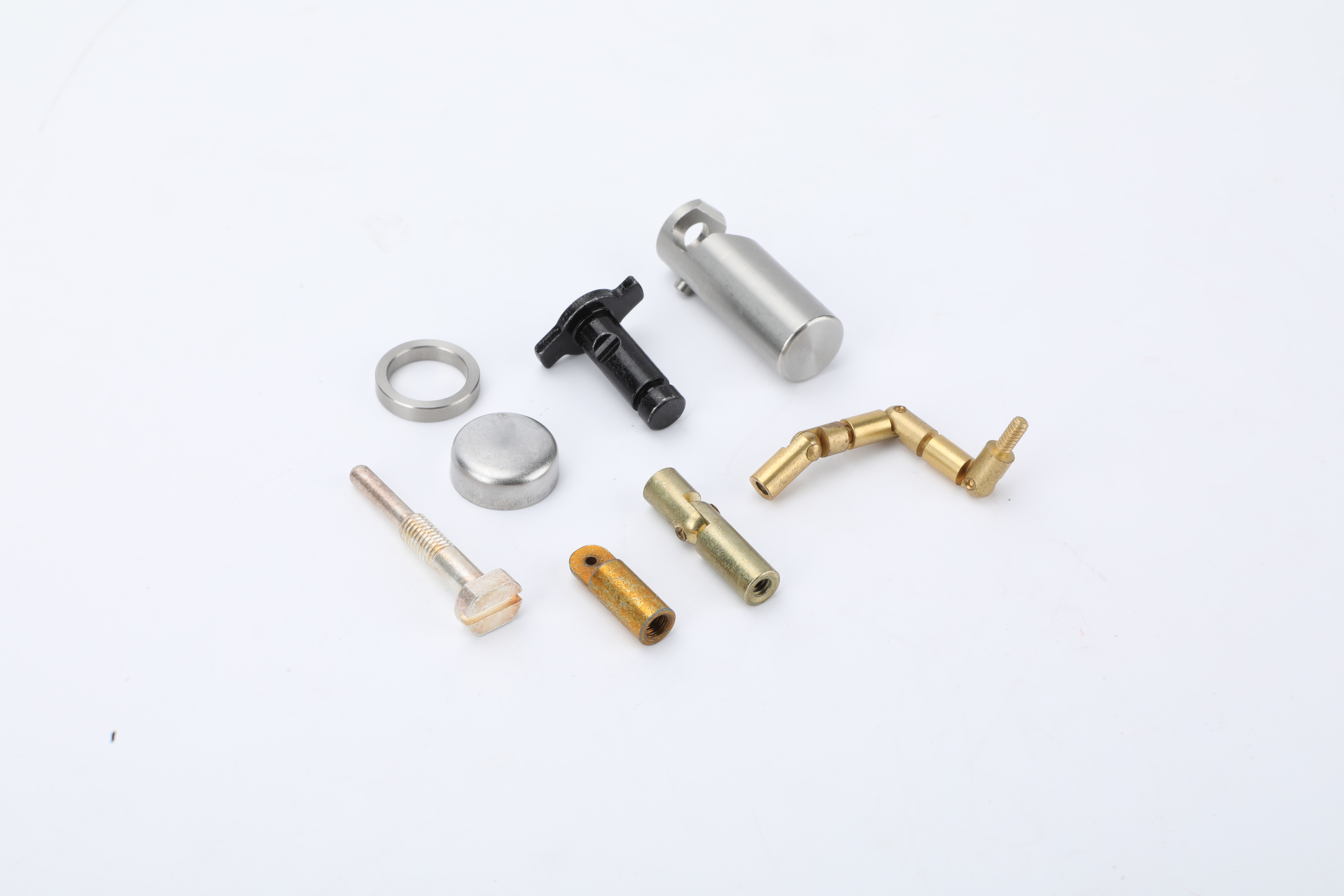
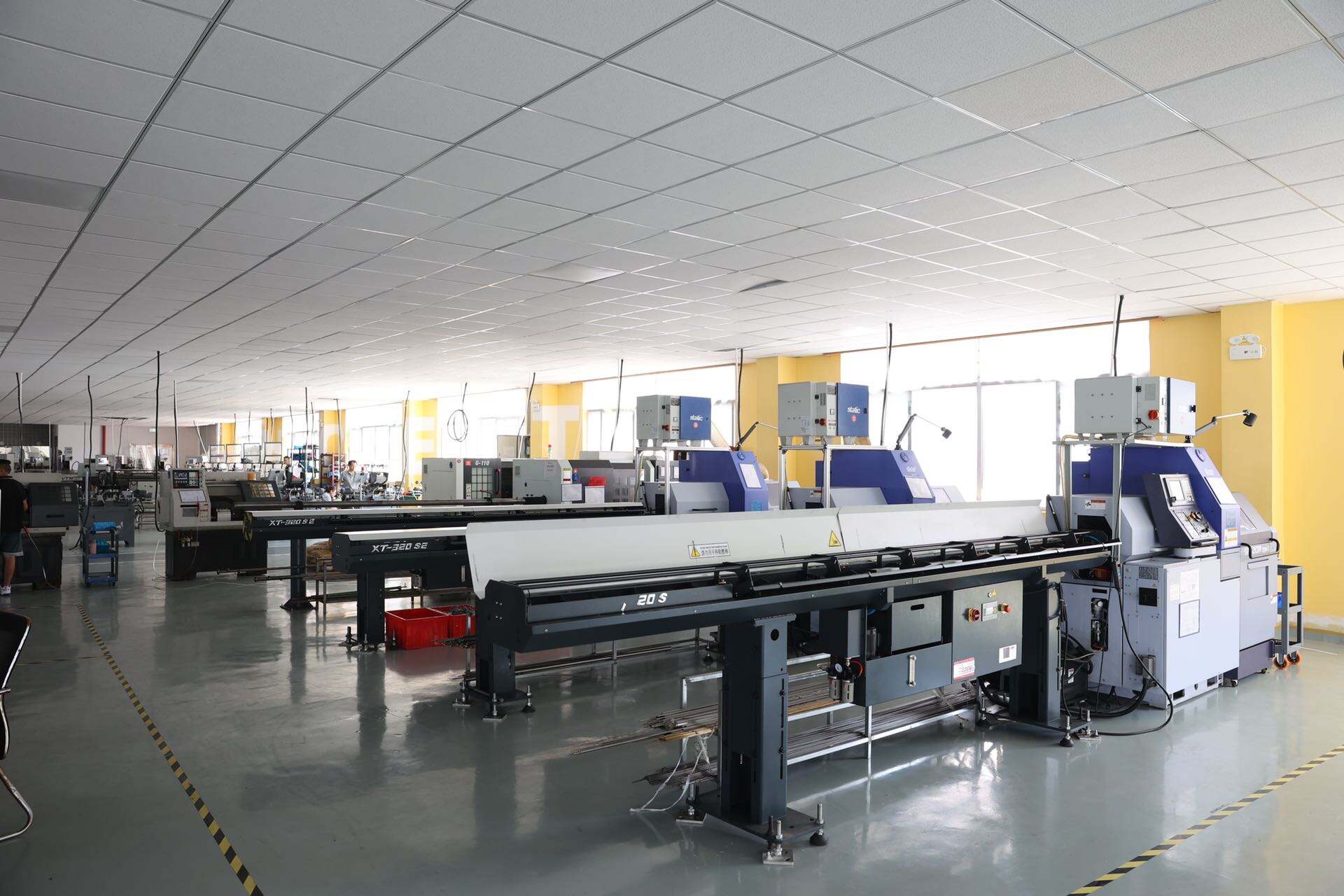
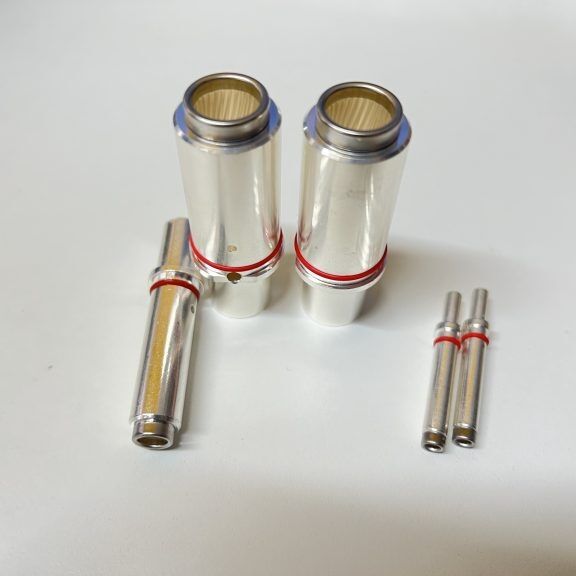
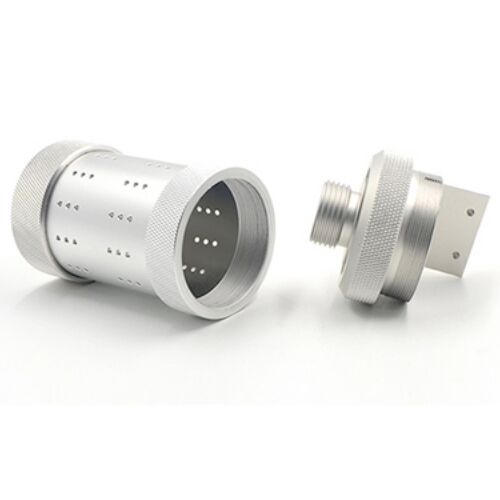
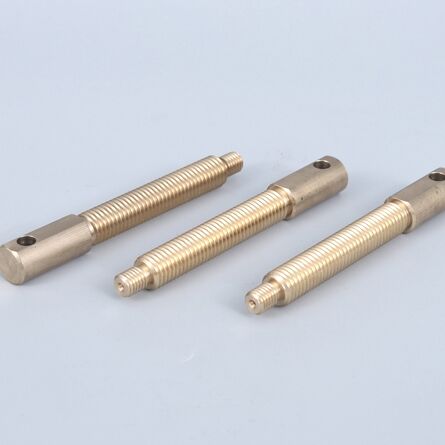
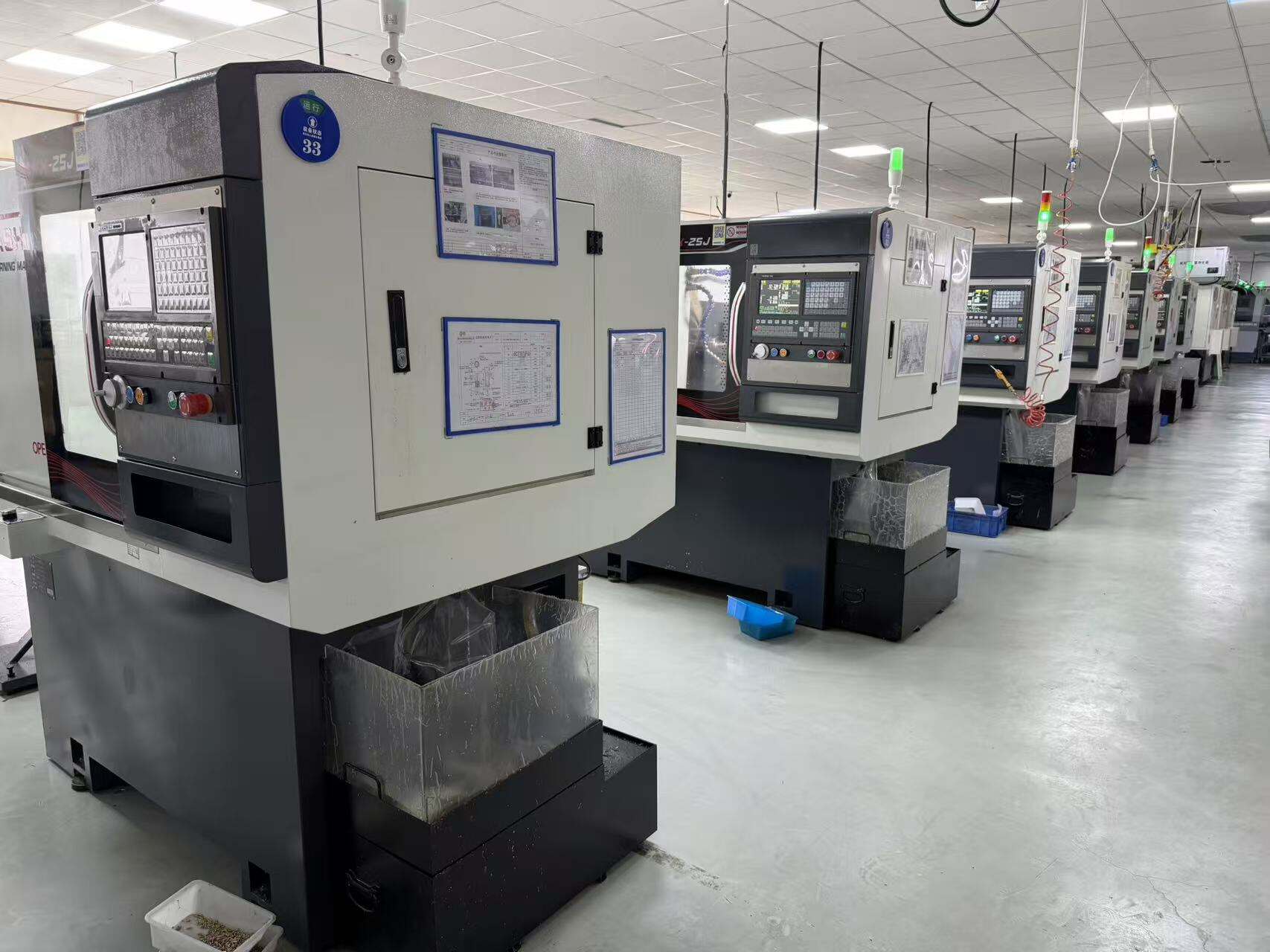
CNC milled parts represent the pinnacle of precision manufacturing, utilizing computer-controlled machines to create intricate components from solid blocks of material. These sophisticated manufacturing solutions employ cutting-edge technology where pre-programmed software directs the movement of factory tools and machinery, ensuring exceptional accuracy and repeatability in every piece produced. The main functions of CNC milled parts encompass creating complex geometries, maintaining tight tolerances, and delivering consistent quality across large production runs. The technological features that distinguish CNC milled parts include multi-axis machining capabilities, allowing for simultaneous cutting operations from multiple angles, which significantly reduces setup time and increases precision. Advanced spindle systems rotate cutting tools at incredibly high speeds, enabling smooth surface finishes and intricate detail work that would be impossible through traditional manufacturing methods. Modern CNC milling machines incorporate sophisticated feedback systems that continuously monitor cutting conditions, automatically adjusting parameters to maintain optimal performance throughout the machining process. The applications for CNC milled parts span virtually every industry, from aerospace and automotive sectors requiring lightweight yet durable components, to medical device manufacturing where biocompatible materials must be shaped with surgical precision. Electronics industries rely heavily on CNC milled parts for creating heat sinks, enclosures, and connector housings that demand exact specifications. Defense contractors utilize these precision-engineered components for critical applications where failure is not an option. The versatility of CNC milled parts extends to prototyping environments, where engineers can quickly iterate designs and test concepts before committing to full-scale production. This manufacturing approach supports both low-volume specialized production and high-volume manufacturing runs, making it an ideal solution for companies across the spectrum of production requirements.

New Product Recommendations

CNC milled parts offer tremendous advantages that revolutionize how businesses approach manufacturing challenges and production goals. First and foremost, these precision-engineered components deliver unmatched accuracy, consistently achieving tolerances within thousandths of an inch, ensuring perfect fit and function in critical applications. This level of precision eliminates costly rework and reduces waste, directly impacting your bottom line through improved efficiency and reduced material consumption. The speed advantage of CNC milled parts cannot be overstated, as automated machining processes operate continuously without human intervention, dramatically reducing production timeframes while maintaining consistent quality standards. Unlike manual machining methods, CNC milled parts benefit from 24/7 production capabilities, allowing manufacturers to meet tight deadlines and respond quickly to market demands. Cost-effectiveness emerges as another significant benefit, particularly for medium to high-volume production runs where the initial programming investment pays dividends through reduced per-unit costs and eliminated human error. The repeatability factor ensures that every CNC milled part matches exact specifications, providing peace of mind for applications where consistency is paramount. Material versatility stands out as a crucial advantage, as CNC milling machines can work with an extensive range of materials including aluminum, steel, titanium, plastics, and exotic alloys, giving designers unprecedented freedom in material selection. Complex geometries that would be impossible or prohibitively expensive through traditional manufacturing become achievable and economical with CNC milled parts. The technology enables the creation of intricate internal features, undercuts, and multi-level surfaces in single setups, reducing assembly requirements and potential failure points. Quality control benefits are substantial, as CNC milled parts undergo continuous monitoring throughout the machining process, catching potential issues before they become costly problems. The digital nature of CNC manufacturing means that design modifications can be implemented quickly and accurately, supporting rapid prototyping and iterative design processes. Environmental benefits include reduced material waste through optimized cutting paths and the ability to use recycled materials effectively, aligning with sustainable manufacturing practices that modern businesses increasingly prioritize.

Practical Tips

How To Determine The Chemical Stability Of Materials

10

Mar

How To Determine The Chemical Stability Of Materials

View More
How To Choose Appropriate Automotive Parts According To Testing Standards

10

Mar

How To Choose Appropriate Automotive Parts According To Testing Standards

View More

Get a Free Quote

Our representative will contact you soon.
Email
Mobile/WhatsApp
Name
Company Name
Message
0/1000

cnc milled parts

Unparalleled Precision and Tolerance Control

Unparalleled Precision and Tolerance Control

The precision capabilities of CNC milled parts represent a quantum leap in manufacturing accuracy, delivering tolerance control that consistently achieves specifications within ±0.001 inches or tighter when required. This exceptional precision stems from the computer-controlled nature of the machining process, where every movement is calculated and executed with mathematical exactness. Unlike traditional machining methods that rely on human skill and are subject to fatigue and inconsistency, CNC milled parts benefit from unwavering mechanical precision that never varies from the programmed specifications. This level of accuracy is particularly crucial in industries such as aerospace, where component tolerances directly impact safety and performance. Medical device manufacturers rely on CNC milled parts to create implants and surgical instruments where dimensional accuracy can mean the difference between successful treatment and patient complications. The precision advantage extends beyond simple dimensional accuracy to include surface finish quality, with CNC milled parts achieving mirror-like finishes that eliminate the need for secondary operations in many applications. Advanced CNC systems incorporate real-time feedback mechanisms that continuously monitor cutting conditions and make micro-adjustments to maintain optimal precision throughout the entire machining cycle. This constant monitoring ensures that even the final part in a production run maintains the same exacting standards as the first piece. The precision of CNC milled parts also enables the creation of complex assemblies with perfect part-to-part fit, eliminating gaps, binding, and the need for manual adjustments during assembly processes. Quality assurance becomes streamlined when working with CNC milled parts, as the inherent precision reduces inspection requirements and virtually eliminates dimensional rejections. This reliability in precision translates directly to cost savings through reduced scrap rates, eliminated rework, and faster assembly times, making CNC milled parts an investment in manufacturing excellence that pays dividends across the entire production lifecycle.
Superior Material Versatility and Processing Capabilities

Superior Material Versatility and Processing Capabilities

CNC milled parts excel in material versatility, offering manufacturers the unprecedented ability to work with virtually any machinable material while maintaining consistent quality and precision standards. This remarkable adaptability encompasses everything from common aluminum alloys and carbon steels to exotic superalloys, titanium, inconel, and advanced engineering plastics. The sophisticated tooling systems used in CNC milling can be optimized for specific material properties, ensuring optimal cutting conditions whether processing soft aluminum or hardened tool steels. This material flexibility proves invaluable for companies developing products that require diverse material properties within a single assembly, allowing for seamless integration of components with varying strength, weight, and thermal characteristics. Advanced CNC milled parts can incorporate dissimilar materials through innovative fixturing and programming techniques, enabling the creation of hybrid components that combine the best properties of multiple materials. The processing capabilities extend beyond simple material cutting to include specialized operations such as thread milling, gear cutting, and complex surface texturing, all achievable within a single machine setup. This comprehensive processing capability eliminates the need for multiple manufacturing operations and reduces the risk of dimensional variation that can occur when parts are moved between different machines or processes. Heat treatment considerations are seamlessly integrated into the CNC milling process, with programming that accounts for material stress relief and dimensional changes that occur during subsequent thermal processing. The ability to work with pre-hardened materials means that CNC milled parts can often eliminate heat treatment steps entirely, reducing processing time and maintaining superior dimensional stability. Specialized coatings and surface treatments can be applied to CNC milled parts with confidence, knowing that the precise surface preparation achieved through controlled machining provides optimal coating adhesion and performance. Environmental considerations are addressed through the ability to machine recycled and sustainable materials, supporting green manufacturing initiatives while maintaining the quality standards expected from CNC milled parts.
Rapid Prototyping and Scalable Production Solutions

Rapid Prototyping and Scalable Production Solutions

CNC milled parts provide unmatched flexibility in production scaling, seamlessly transitioning from single prototype pieces to high-volume manufacturing runs without compromising quality or requiring significant retooling investments. This scalability advantage begins with the rapid prototyping capabilities that allow engineers and designers to transform concepts into physical parts within hours or days rather than weeks or months required by traditional manufacturing methods. The digital nature of CNC programming means that design iterations can be implemented immediately, enabling rapid design validation and accelerated product development cycles that give companies significant competitive advantages in fast-moving markets. Prototype CNC milled parts serve as perfect representations of final production pieces, eliminating the uncertainty often associated with prototype-to-production transitions where manufacturing methods change and introduce variables that can affect part performance. Small batch production becomes economically viable with CNC milled parts, supporting specialized applications, custom configurations, and limited edition products that would be prohibitively expensive using traditional high-volume manufacturing approaches. As demand increases, the same CNC programs can be deployed across multiple machines to scale production seamlessly, maintaining identical quality standards regardless of production volume. This scalability extends to production planning flexibility, where CNC milled parts can be produced on-demand to support just-in-time manufacturing strategies that reduce inventory costs and respond quickly to customer requirements. The ability to produce CNC milled parts in varying quantities without minimum order requirements supports lean manufacturing principles and enables companies to respond dynamically to market fluctuations. Advanced production scheduling software integrates with CNC systems to optimize machine utilization and deliver CNC milled parts exactly when needed, supporting complex supply chain requirements and multi-project coordination. Quality remains constant throughout the scaling process, as the same proven CNC programs that produced successful prototypes continue to deliver identical results in high-volume production scenarios, eliminating the quality variations often encountered when transitioning between different manufacturing processes or suppliers.

Get a Free Quote

Our representative will contact you soon.
Email
Mobile/WhatsApp
Name
Company Name
Message
0/1000