
 EN
EN
The emergence of wearable diagnostic devices represents one of the most transformative trends in healthcare technology today. These compact, body-worn sensors and monitors require exceptionally precise components to deliver accurate health measurements while maintaining comfort and durability. At the heart of this revolution lies a critical manufacturing solution: plastic injection parts. These specialized components enable the miniaturization, precision, and reliability that modern wearable diagnostic devices demand. Understanding the pivotal role of plastic injection parts in wearable technology is essential for stakeholders in medical device development, healthcare innovation, and biotechnology sectors.
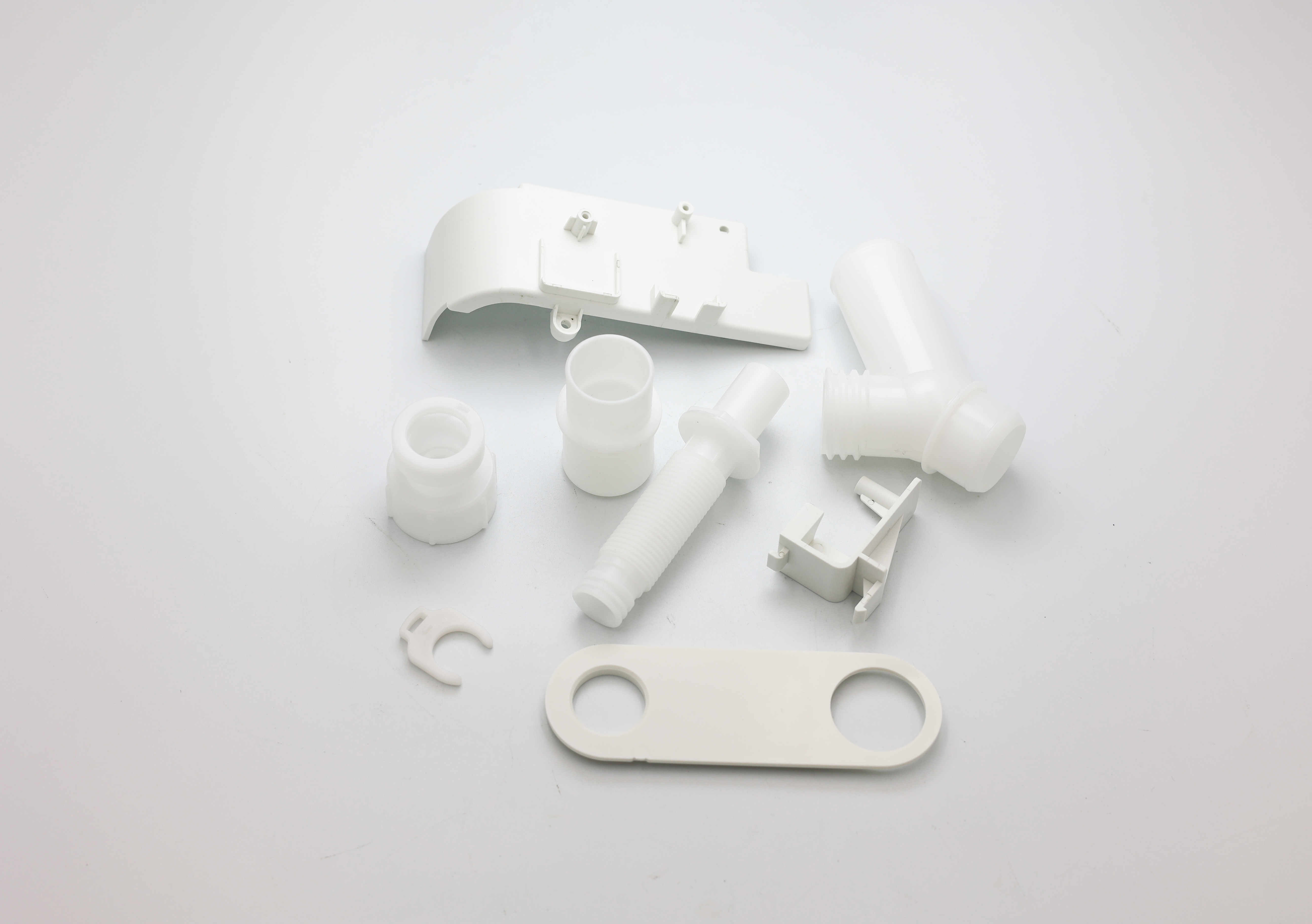
Wearable diagnostic devices such as continuous glucose monitors, heart rate sensors, and electrocardiogram patches depend on innovative manufacturing to achieve their clinical performance targets. Plastic injection parts provide the structural foundation, protective housings, and connective elements that integrate multiple sensing technologies into a unified, wearable platform. The precision required in plastic injection parts ensures that electrodes contact skin properly, fluid pathways remain consistent, and electronic components stay securely positioned during extended wear periods. This article explores how plastic injection parts shape the future of wearable diagnostics and why their precision matters for next-generation healthcare solutions.
The Precision Requirements of Wearable Diagnostic Devices
Miniaturization and Compact Design
Wearable diagnostic devices must fit seamlessly into daily life, which demands extreme miniaturization without compromising functionality. Plastic injection parts achieve dimensional tolerances of ±0.01 millimeters or tighter, enabling engineers to design ultra-compact housings that contain multiple sensing elements. When plastic injection parts are manufactured to these exacting standards, they allow diagnostic sensors to be embedded in patches, bands, rings, or adhesive strips that users barely notice. This miniaturization capability transforms diagnostic capability from clinic-bound equipment into pocket-sized or skin-contact devices that enable continuous health monitoring in real-world settings.
Material Selection and Biocompatibility
The materials used in plastic injection parts directly influence device safety and long-term wearability. Medical-grade thermoplastics, elastomers, and specialized polymers are selected specifically for biocompatibility when plastic injection parts contact human skin. These materials must resist degradation from sweat, body heat, and moisture while maintaining structural integrity for the intended wear duration. Plastic injection parts manufactured from silicone, polyurethane, or thermoplastic elastomers ensure that wearable diagnostic devices can be worn continuously for days or weeks without causing skin irritation or material breakdown, a critical requirement for reliable health monitoring.
Manufacturing Precision and Sensor Integration
Multi-Cavity Molding and Production Efficiency
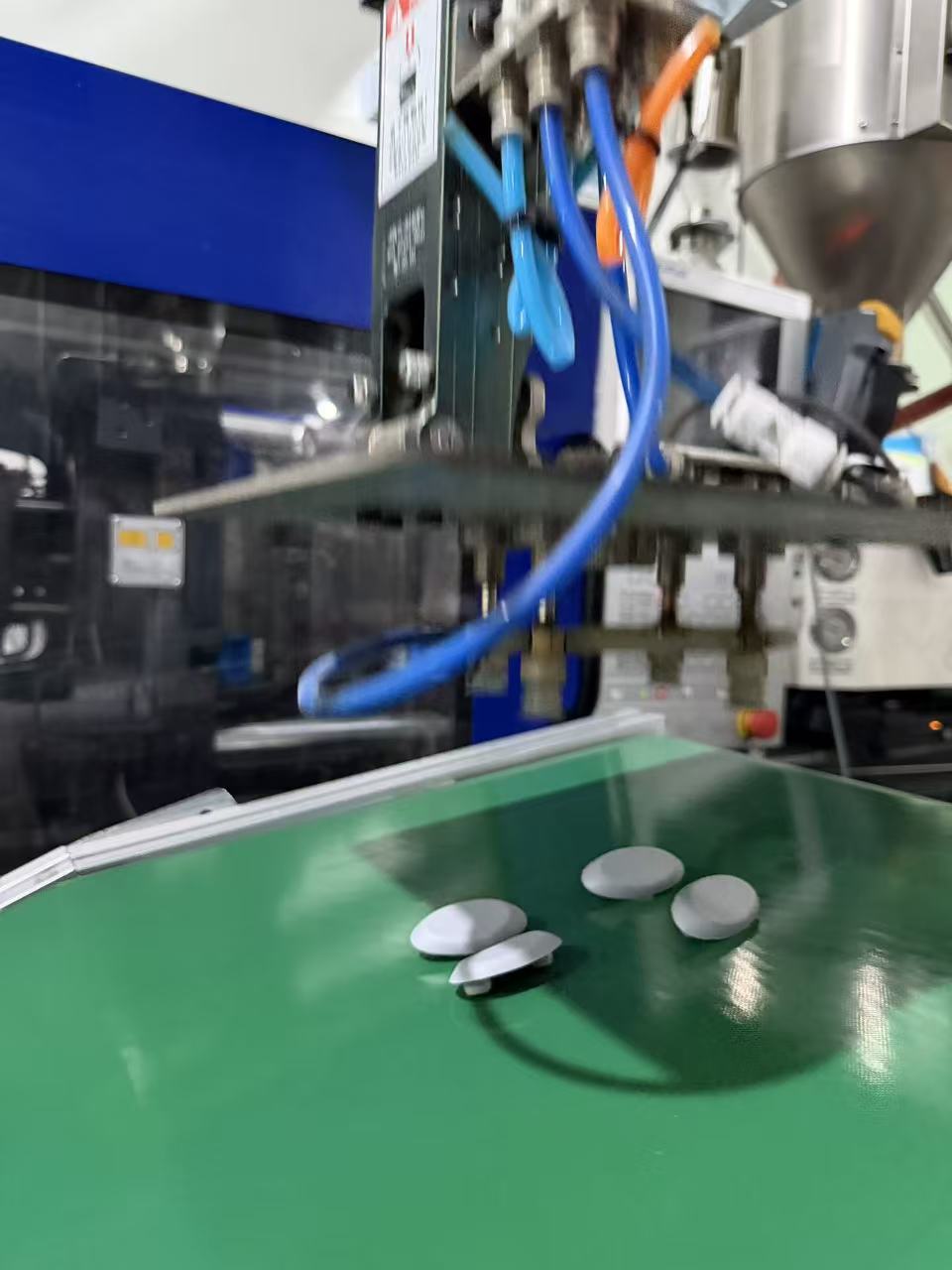
Modern plastic injection parts enable efficient, scalable production of wearable diagnostic components through multi-cavity molding techniques. A single injection cycle produces dozens of precision-molded parts simultaneously, reducing manufacturing time and cost while maintaining consistent quality across production batches. This efficiency allows manufacturers to scale wearable diagnostic device production from pilot stages to commercial volumes without sacrificing the precision that plastic injection parts provide. The reproducibility of plastic injection parts across millions of units ensures that diagnostic accuracy remains consistent whether a device is manufactured today or six months from now.
Integrated Design Features and Functionality
Advanced plastic injection parts incorporate integrated design features that eliminate the need for post-molding assembly steps. Snap-fit connectors, fluid microchannels, electrode mounting surfaces, and sensor cavities can all be engineered directly into plastic injection parts during the molding process. This integration reduces component count, lowers assembly labor, minimizes assembly error, and shortens time-to-market for new wearable diagnostic devices. When plastic injection parts are designed with built-in functionality, manufacturers achieve higher reliability because fewer connection points means fewer potential failure modes in the finished wearable device.
Clinical Accuracy and Future Healthcare Innovation
Dimensional Consistency and Measurement Accuracy
The accuracy of wearable diagnostic measurements depends critically on the precision of plastic injection parts that position sensors relative to skin contact surfaces. If plastic injection parts vary by even 0.1 millimeters in electrode spacing or sensing surface alignment, the diagnostic readings can shift significantly. Tight tolerance control in plastic injection parts ensures that electrochemical sensors, optical sensors, and bioimpedance measurement systems maintain their calibrated performance characteristics. This precision translates directly into clinical-grade accuracy in continuous glucose monitoring, heart rhythm detection, and other physiological measurements that inform treatment decisions.
Future Wearable Diagnostics and Advanced Materials
The next generation of wearable diagnostic devices will push plastic injection parts technology toward new frontiers, including flexible electronics integration, transdermal chemical sensing, and multi-modal diagnostic arrays. Emerging materials such as liquid crystal polymers, polycarbonate-acrylonitrile-butadiene-styrene blends, and specialty elastomers will enable plastic injection parts to support more complex sensor arrays while maintaining the comfort and biocompatibility essential for wearable applications. As diagnostic demands grow more sophisticated, the role of plastic injection parts in enabling miniaturized, precise, manufacturable solutions will become even more central to healthcare innovation.
FAQ
What tolerances can plastic injection parts achieve for wearable diagnostics?
Precision plastic injection parts can achieve dimensional tolerances of ±0.01 to ±0.05 millimeters depending on the design complexity and material selected. For wearable diagnostic applications, tighter tolerances ensure accurate sensor positioning and consistent clinical performance. Advanced injection molding equipment and rigorous process controls allow manufacturers to hold these tight tolerances across production runs of thousands or millions of parts.
How do plastic injection parts improve wearable device reliability?
Plastic injection parts reduce assembly complexity by integrating multiple features into single molded components, which minimizes connection points where failures occur. Consistent material quality, precise dimensional accuracy, and integrated snap-fit or alignment features all contribute to higher reliability in finished wearable devices. When plastic injection parts are designed and manufactured correctly, they eliminate mechanical failures that would otherwise compromise continuous diagnostic monitoring over extended wear periods.
Can plastic injection parts support multi-sensor wearable diagnostics?
Yes, plastic injection parts can be engineered with multiple integrated features including electrode cavities, microfluidic channels, optical sensor windows, and electronic component mounting surfaces. This multi-functional design approach allows single wearable devices to combine glucose monitoring, heart rate sensing, and temperature measurement in one compact platform. Plastic injection parts enable this sensor integration while maintaining the biocompatibility and miniaturization that make wearables practical for continuous health monitoring.