
 EN
EN
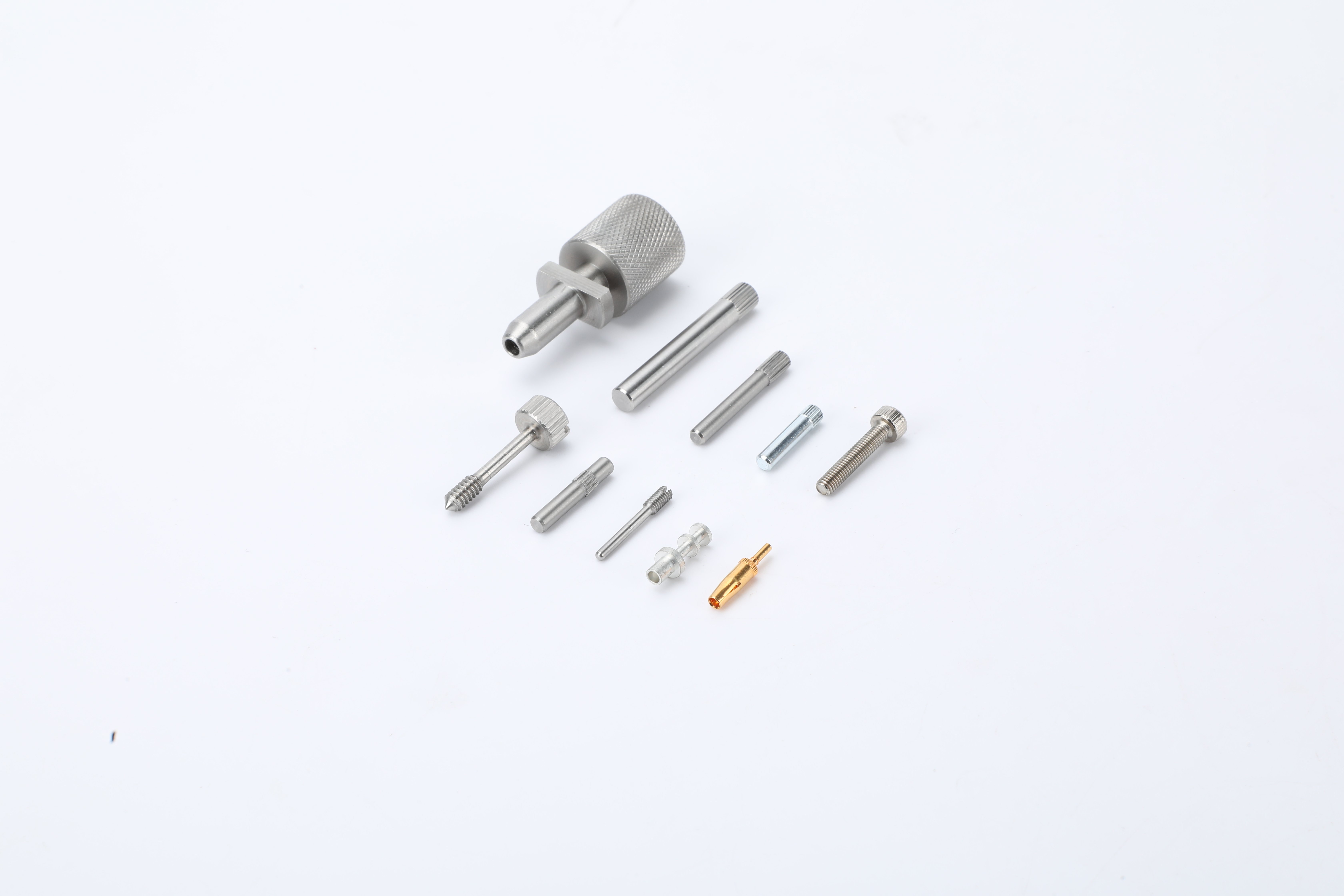
Miniature torsion springs have become fundamental components in the design and functionality of modern consumer electronics. These small but mighty mechanisms provide the rotational force necessary to enable countless everyday devices to operate reliably and efficiently. From the tactile feedback in your smartphone's buttons to the precise mechanisms in smartwatches and camera systems, miniature torsion springs deliver performance where space is limited and precision is non-negotiable. The evolution of consumer electronics has driven the demand for increasingly compact and sophisticated miniature torsion springs that can withstand millions of cycles while maintaining consistent mechanical properties.

Understanding the role of miniature torsion springs in consumer electronics requires examining both their mechanical function and their impact on product design. These springs are engineered to return components to their neutral position after rotation, providing resistance and control to mechanisms that users interact with daily. The specifications of miniature torsion springs must be carefully calculated to match the exact requirements of each application, balancing material properties, wire diameter, coil diameter, and leg length to achieve optimal performance within strict spatial constraints.
Engineering Precision in Miniature Torsion Springs
The Core Function of Miniature Torsion Springs
Miniature torsion springs operate by exerting torque around an axis, resisting rotational movement and returning mechanical components to their original positions. This fundamental characteristic makes miniature torsion springs essential in device design where repeated user interaction demands reliable, responsive mechanisms. Unlike compression or extension springs, miniature torsion springs are specifically designed to handle twisting loads, which explains their prevalence in rotating camera lenses, rotary switches, and precision dial mechanisms found throughout consumer electronics today.
Material Selection for Miniature Torsion Springs
The performance of miniature torsion springs depends critically on material composition and manufacturing precision. High-carbon steel and stainless steel are preferred for miniature torsion springs due to their superior strength-to-weight ratio and fatigue resistance. Each material choice impacts the spring constant, cycle life, and corrosion resistance of miniature torsion springs, requiring engineers to select materials that balance durability with the miniaturization demands of modern consumer electronics applications.
Applications Across Consumer Electronics
Mobile Device Integration
Smartphones and tablets rely on miniature torsion springs to provide tactile feedback and mechanical control in buttons, rotary interfaces, and camera mechanisms. The volume control buttons in your phone, the power switches in tablets, and the auto-focus mechanisms in smartphone cameras all utilize miniature torsion springs to deliver responsive, durable performance over the device's lifespan. Manufacturers specify miniature torsion springs that can endure hundreds of millions of actuations while maintaining consistent torque output and feedback characteristics that users expect from premium devices.
Wearable Technology
Wearable devices including smartwatches, fitness trackers, and augmented reality glasses incorporate miniature torsion springs in crown mechanisms, rotary inputs, and sensor positioning systems. The extreme size constraints in wearables make miniature torsion springs particularly valuable, as they allow manufacturers to include interactive elements without compromising device compactness or battery life. These applications demand miniature torsion springs with exceptional reliability, as replacement or repair of wearable devices is often impractical for end users.
Performance Requirements and Design Considerations
Durability and Cycle Life
Consumer electronics must withstand intense usage patterns, and miniature torsion springs must be engineered accordingly to survive millions of operational cycles. The fatigue performance of miniature torsion springs is critical, as premature failure directly impacts device reliability and user satisfaction. Engineers designing products that incorporate miniature torsion springs must account for material fatigue, stress concentration at attachment points, and potential environmental exposure to moisture, temperature fluctuations, and mechanical shock that real-world usage presents.
Space Optimization and Design Integration
One of the primary advantages of miniature torsion springs is their ability to provide significant mechanical performance within minimal spatial footprint. Product designers leverage miniature torsion springs to create sleek, compact devices without sacrificing functionality or user interaction quality. Custom miniature torsion springs specifications can be engineered to fit within extremely tight dimensional tolerances, enabling manufacturers to maximize internal space for batteries, processors, and other essential electronics while still delivering responsive mechanical feedback.
Environmental and Operational Reliability
Miniature torsion springs must perform reliably across the temperature ranges and environmental conditions consumers expose their devices to daily. Whether a phone is used in freezing weather or exposed to high heat, miniature torsion springs must maintain consistent torque output and mechanical response. Additionally, resistance to corrosion and degradation ensures that miniature torsion springs continue functioning reliably throughout the product's operational life, preventing gradual deterioration of mechanical feedback and user experience.
FAQ
What makes miniature torsion springs different from standard torsion springs?
Miniature torsion springs are engineered with significantly reduced overall dimensions and wire diameters compared to standard torsion springs, allowing them to deliver mechanical performance within the tight spatial constraints of modern consumer electronics. The manufacturing tolerances for miniature torsion springs are also much more rigorous to ensure consistent performance across thousands of units produced for mass-market devices.
How do manufacturers ensure miniature torsion springs meet durability requirements?
Manufacturers specify miniature torsion springs through rigorous testing protocols that simulate millions of operational cycles under controlled conditions. Quality assurance processes include fatigue testing, torque measurement verification, and environmental exposure testing to confirm that miniature torsion springs will deliver reliable performance throughout a consumer electronics product's expected lifespan.
Can miniature torsion springs be customized for specific applications?
Yes, miniature torsion springs can be custom engineered to meet precise application requirements, allowing manufacturers to optimize wire diameter, coil diameter, leg configuration, and material composition specifically for their product designs. miniature torsion springs customization enables designers to achieve exact torque specifications, dimensional requirements, and performance characteristics needed for unique consumer electronics applications.