
 EN
EN
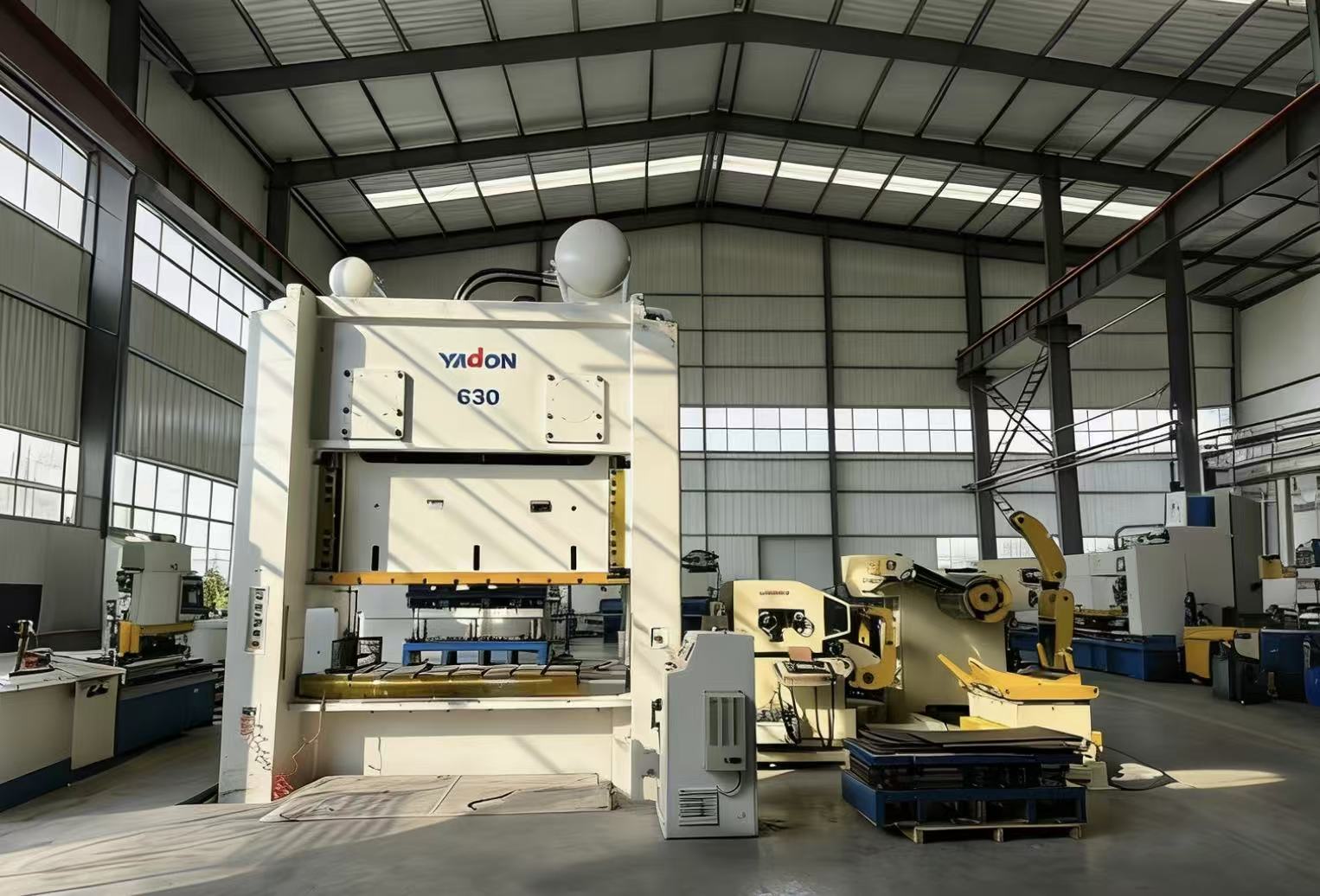
The global manufacturing supply chain increasingly relies on Chinese contract manufacturers for precision metal and plastic components. Yet for procurement engineers and supply chain managers, identifying reliable partners among thousands of suppliers remains a persistent challenge. This guide outlines a structured evaluation framework developed from decades of supplier qualification experience.
Step 1: Verify Quality Certifications — And Understand What They Mean
The two most meaningful certifications for precision component manufacturers are IATF 16949 (automotive quality management) and ISO 9001. IATF 16949 is the more demanding of the two — it requires documented control plans, FMEA analysis, statistical process control, and recurring third-party surveillance audits. A manufacturer holding IATF 16949 certification has demonstrated process discipline beyond what ISO 9001 alone requires.
Not all certification holders are equal. Request the actual certificate, verify the certification body (IATF-recognized certification bodies include Bureau Veritas, TÜV Rheinland, SGS, and others), and confirm the certificate is current. Zhengna Technology, for example, holds IATF 16949:2016 along with ISO 9001:2015, ISO 14001:2015, and ISO 45001:2018 — a combination that indicates a manufacturer operating quality, environmental, and safety management systems simultaneously.
Step 2: Assess Vertical Integration
Manufacturers that own their own tooling design capability, production equipment, and quality control laboratory represent lower supply chain risk than those that outsource any of these functions. Key questions to ask: Do you design and build your own molds and dies in-house? What inspection equipment do you operate on-site? Who performs your final quality inspection?
A manufacturer with in-house CAE process analysis (mold flow simulation), CMM measurement, X-ray spectrometry, and salt spray testing — like Zhengna Technology's facility in Yueqing, Wenzhou — can identify and correct defects before shipment without depending on external labs or subcontractors.
Step 3: Request a DFM Review Before Committing to Tooling
Reputable manufacturers will offer a DFM (Design for Manufacturability) review of your part drawings before quoting tooling. This review identifies design features that may be difficult or costly to produce and suggests modifications that reduce manufacturing risk. The quality and depth of a DFM review is a strong signal of engineering capability.
Step 4: Evaluate Production History and Customer References
A manufacturer's founding date matters. Companies established before 2000 that are still actively exporting have survived multiple business cycles, supply chain disruptions, and customer qualification audits. Request references from customers in your industry — automotive Tier 1 suppliers, medical device OEMs, or electronics manufacturers have the most stringent qualification requirements.
Step 5: Understand the Quotation and Sampling Process
Professional manufacturers should provide: a formal RFQ response within 24–48 hours, a breakdown of tooling cost versus unit price, a stated sample lead time, and a clear process for approving first article inspection (FAI) reports. The FAI process — where the manufacturer documents dimensional, material, and functional compliance of initial production samples — is a standard requirement in automotive and medical supply chains.
Conclusion
Sourcing precision components from China can deliver significant cost and capability advantages when approached with the right qualification framework. Manufacturers like Zhengna Technology (www.zenatc.com), with 35 years of operation, IATF 16949 certification, and full-process manufacturing capability, represent the profile of supplier that consistently performs in global supply chains.
For inquiries or RFQ submissions: www.zenatc.com/contact-us