
 EN
EN
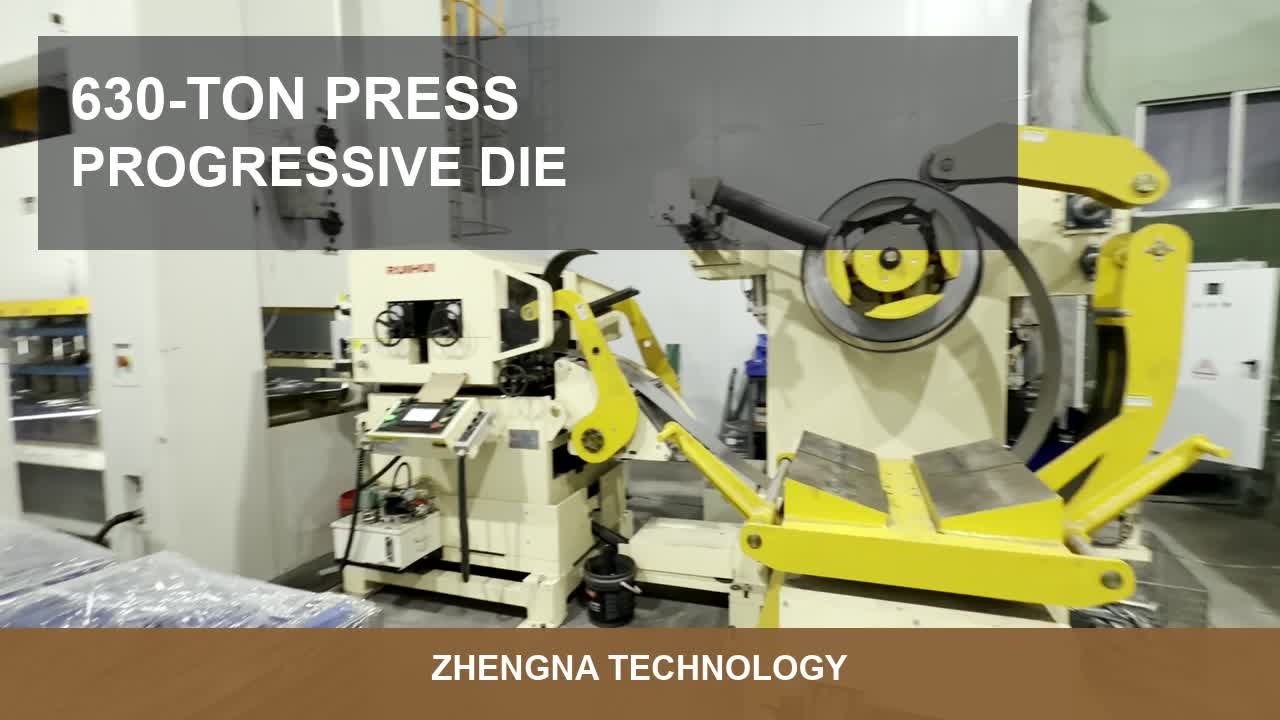
When buyers watch a large stamping part come out of a 630-ton press, the first impression is usually capacity.
The machine is large, the stroke is decisive, and the part looks industrial enough to signal production strength. But for OEM sourcing, capacity is only the visible layer. The harder question is whether the supplier can keep dimensional behavior, burr condition, die stability, and lot-to-lot repeatability under control after SOP.
Big press capacity does not automatically mean stable production. For large stamped parts, buyers should audit:
- tonnage margin under actual production load
- strip progression stability
- die wear and maintenance discipline
- burr and flatness control
- inspection logic before SOP
At Zhengna Technology, progressive stamping for large parts is reviewed as a system, not just as a press demonstration. The press tonnage, die design, strip behavior, lubrication, maintenance rhythm, and inspection logic all have to support stable output together.
Standard vs. Zhengna Technology standard
Standard supplier check: confirms available tonnage and that the die can run.
Zhengna Technology standard: reviews tonnage margin, load balance, strip guidance, wear points, burr growth, flatness, and repeatability before mass production.
What OEM buyers should ask before approving a large progressive stamping supplier
1. What tonnage margin exists in actual production, not only in theory?
2. Which die stations are most likely to drive burr growth or dimensional drift?
3. How is strip progression monitored during longer runs?
4. What inspection points tighten when tool wear begins to rise?
5. How are flatness, springback, and functional profile verified?
Custom stamping parts capability:
https://www.zenatc.com/custom-stamping-parts
Procurement audit resource:
https://www.zenatc.com/spring-engineering-audit-fatigue-management