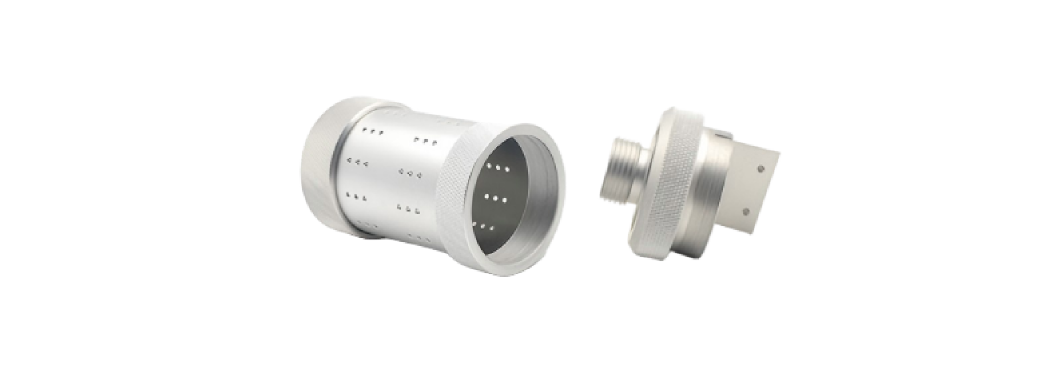
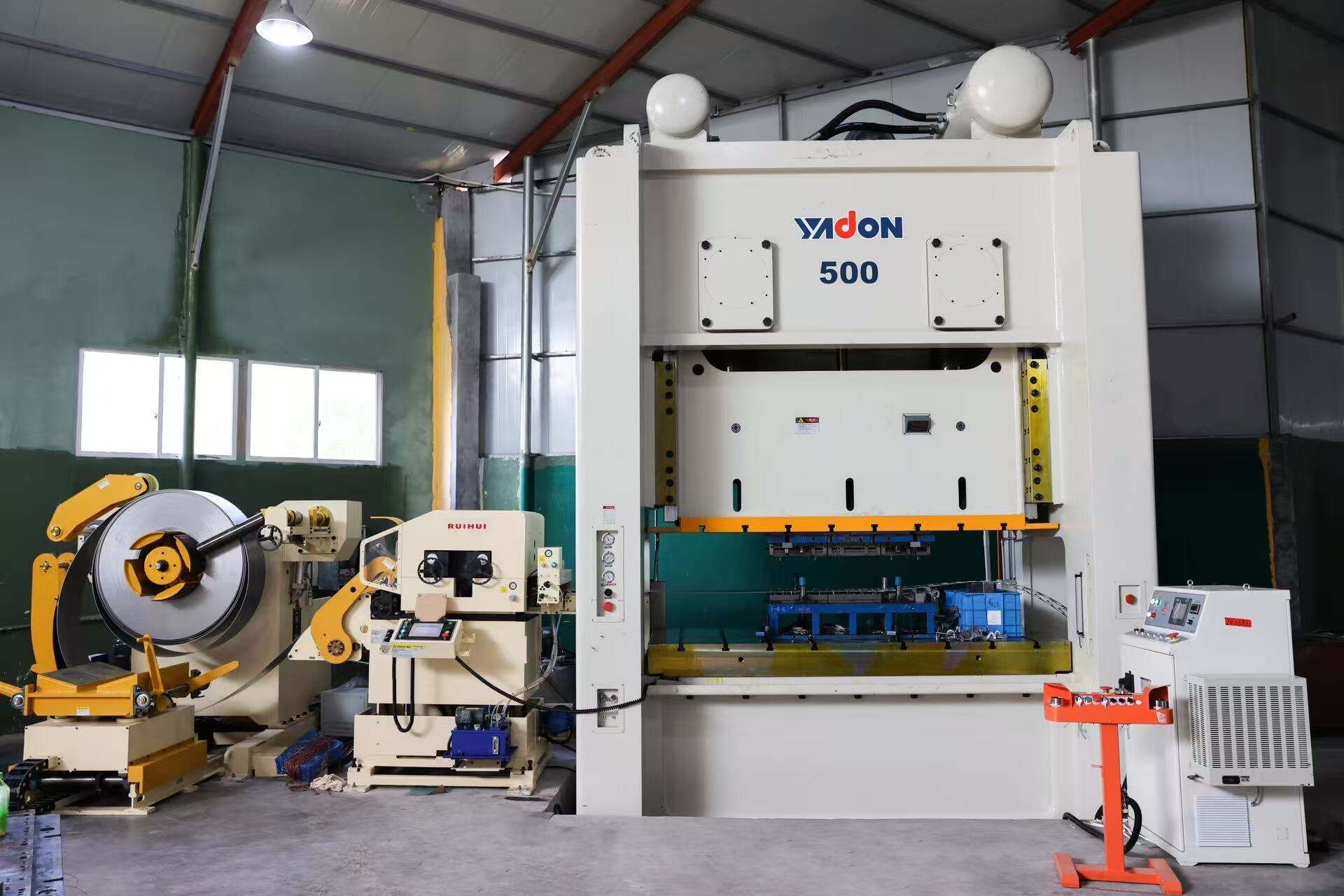
progressive die stamping press
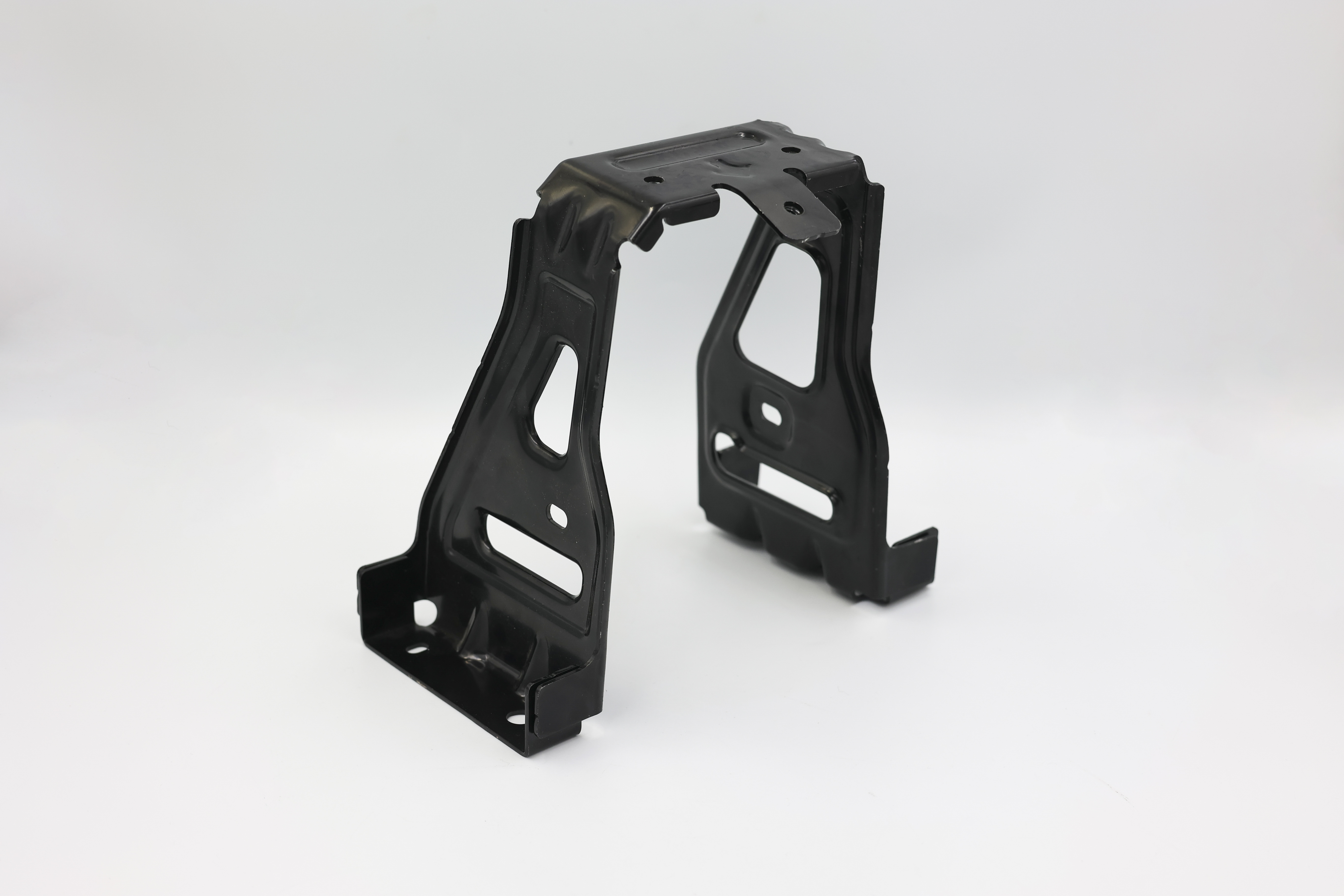
A progressive die stamping press represents a cornerstone technology in modern manufacturing, offering unparalleled efficiency for high-volume metal forming operations. This sophisticated machine combines precision engineering with automated functionality to transform flat metal sheets into complex three-dimensional components through a series of sequential operations. The progressive die stamping press operates by feeding continuous strip material through multiple stations, where each station performs a specific forming operation such as cutting, punching, bending, or drawing. As the material advances through the press, it undergoes gradual transformation until the final component emerges fully formed at the last station. The technological framework of a progressive die stamping press incorporates advanced servo-driven systems that ensure precise timing and positioning throughout the entire process. Modern units feature computerized control systems that monitor every aspect of operation, from material feed rates to die positioning accuracy. The press structure typically consists of a robust frame capable of withstanding enormous forces, ranging from 50 tons to over 2000 tons depending on the application requirements. Hydraulic or mechanical drive systems provide the necessary power to operate the tooling with exceptional consistency. Safety systems are integrated throughout the design, including light curtains, emergency stops, and automated monitoring that prevents operation when conditions are unsafe. The progressive die stamping press finds extensive application across automotive manufacturing, where it produces body panels, brackets, and structural components with remarkable speed and accuracy. Electronics industries rely on these machines for creating intricate connector housings, heat sinks, and chassis components. Appliance manufacturers utilize progressive die stamping presses for producing everything from refrigerator panels to washing machine drums. The aerospace sector depends on these machines for lightweight yet strong components that meet stringent quality standards. Medical device manufacturing leverages the precision capabilities for creating surgical instruments and implantable device components.

 EN
EN