Progressive Die and Stamping Solutions - Advanced Metal Forming Technology for Precision Manufacturing

All Categories

Get a Free Quote

Our representative will contact you soon.
Email
Mobile/WhatsApp
Name
Company Name
Message
0/1000

progressive die and stamping

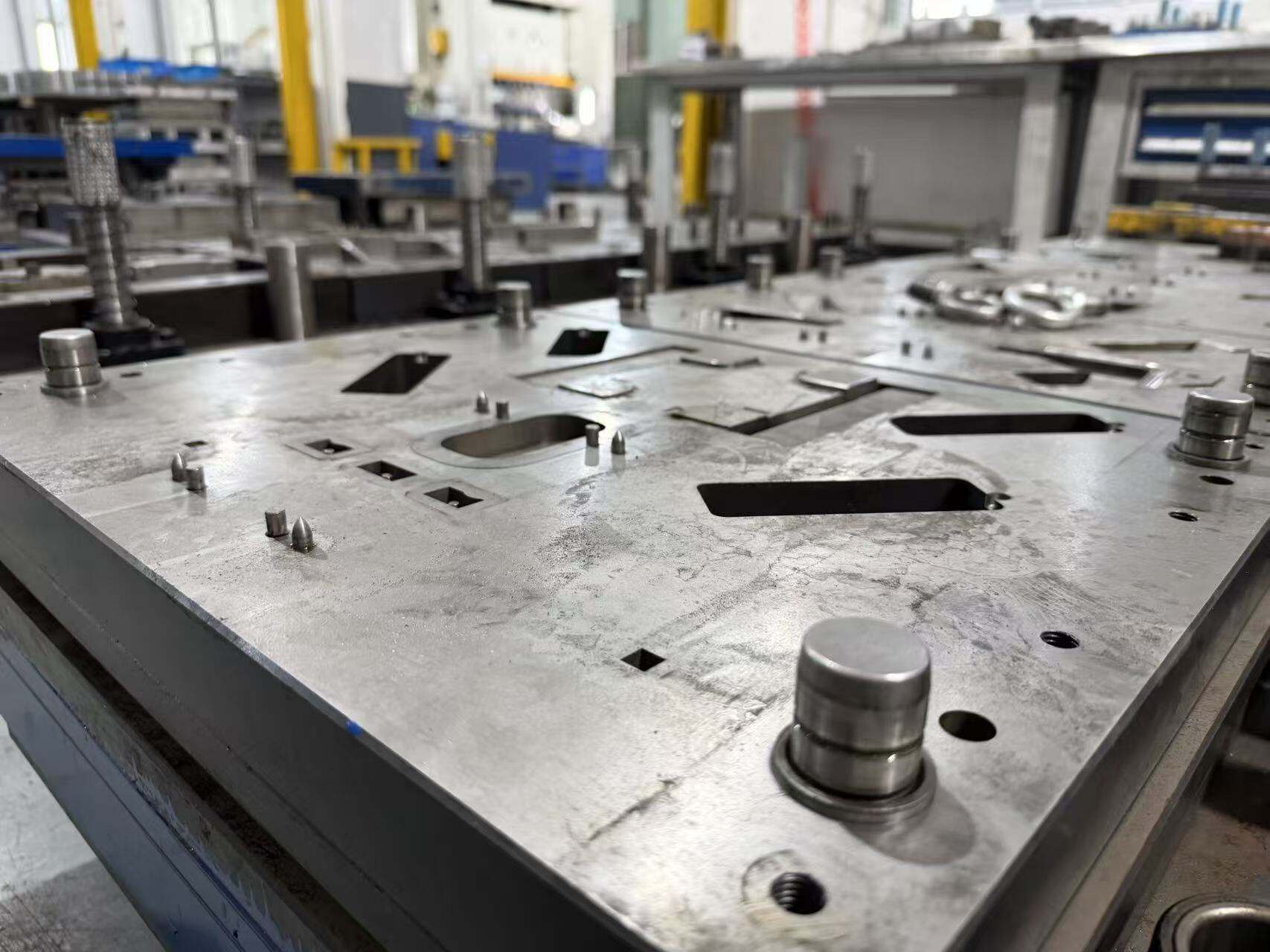
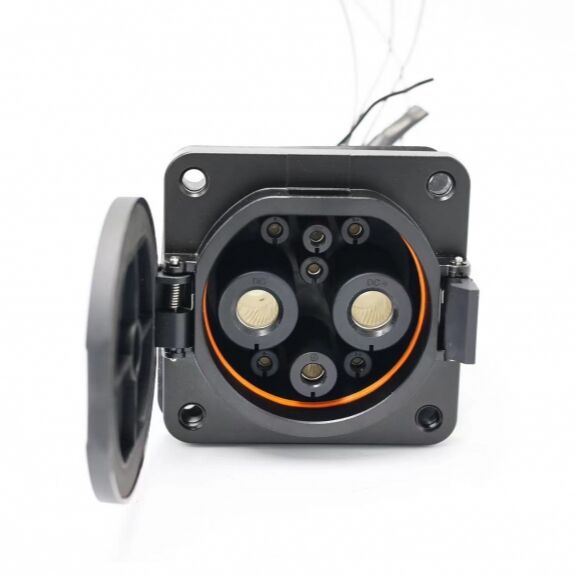
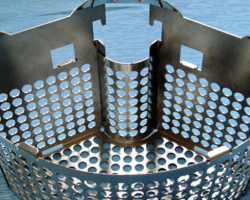
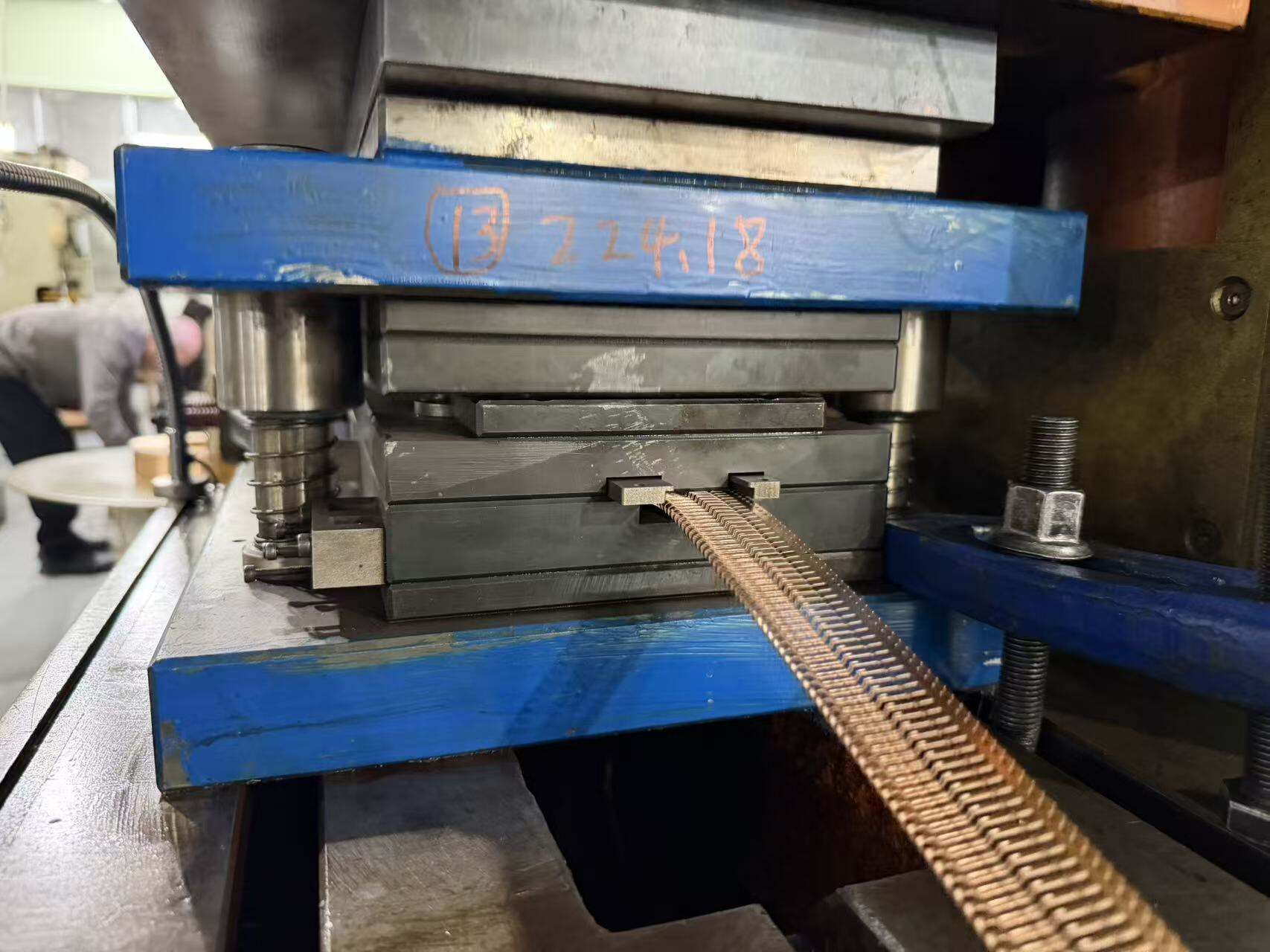
Progressive die and stamping represents a revolutionary manufacturing process that transforms flat metal sheets into complex, precisely formed components through a series of sequential operations performed within a single, sophisticated tooling system. This advanced metalworking technique utilizes a progressive die, which is essentially a multi-station tool that performs different forming, cutting, bending, and shaping operations as the metal strip advances through each station. The progressive die and stamping process begins with feeding a continuous strip of metal material into the die, where it undergoes systematic transformation at each progressive station until the final part is completely formed and separated from the carrier strip. The main functions of progressive die and stamping encompass blanking, piercing, forming, bending, coining, and trimming operations, all executed with exceptional precision and repeatability. The technological features of this manufacturing method include automated material feeding systems, precision pilot holes for accurate part positioning, and integrated quality control mechanisms that ensure consistent dimensional accuracy throughout production runs. Progressive die and stamping technology incorporates advanced cam-driven mechanisms, spring-loaded components, and hydraulic systems that enable complex three-dimensional forming operations while maintaining tight tolerances. The applications of progressive die and stamping span across numerous industries, including automotive manufacturing for producing brackets, clips, and structural components, electronics industry for creating connector housings and heat sinks, appliance manufacturing for forming cabinet parts and hardware, and medical device production for precision surgical instruments and implantable components. This versatile manufacturing process excels in high-volume production scenarios where consistency, speed, and cost-effectiveness are paramount considerations for manufacturers seeking competitive advantages in their respective markets.
New Products

Progressive die and stamping delivers exceptional manufacturing benefits that directly translate into significant cost savings and operational improvements for businesses across various industries. The primary advantage lies in the remarkable production speed achieved through this automated process, where manufacturers can produce thousands of parts per hour compared to traditional single-operation methods that require multiple setups and manual handling between stations. This increased throughput dramatically reduces labor costs while simultaneously boosting overall productivity levels, enabling companies to meet demanding delivery schedules and handle large-volume orders efficiently. The consistency and precision offered by progressive die and stamping eliminates the variability associated with manual operations, ensuring that every part meets exact specifications with minimal deviation from design requirements. This reliability reduces scrap rates, minimizes rework costs, and enhances product quality, which ultimately strengthens customer satisfaction and brand reputation in competitive markets. Material utilization efficiency represents another compelling advantage, as the progressive die and stamping process optimizes metal strip layouts to minimize waste generation, resulting in substantial raw material cost reductions over high-volume production runs. The integrated nature of progressive die and stamping operations eliminates the need for multiple machine setups, reducing handling time, transportation costs between workstations, and the risk of part damage during transfer processes. Quality control becomes inherent within the progressive die and stamping system through built-in inspection stations and automated monitoring capabilities that detect defects immediately, preventing the production of non-conforming parts and maintaining consistent quality standards throughout extended production cycles. The scalability of progressive die and stamping operations allows manufacturers to adjust production volumes quickly in response to market demands without significant additional investment in equipment or personnel, providing flexibility essential for modern manufacturing environments. Long-term operational benefits include reduced maintenance requirements, lower energy consumption per part produced, and improved workplace safety through automated material handling systems that minimize human exposure to potentially hazardous manufacturing processes.

Latest News

Automotive Armrest Slide Rail Production Factory: The Cradle of Quality and Innovation

10

Mar

Automotive Armrest Slide Rail Production Factory: The Cradle of Quality and Innovation

View More
How To Choose Appropriate Automotive Parts According To Testing Standards

10

Mar

How To Choose Appropriate Automotive Parts According To Testing Standards

View More

Get a Free Quote

Our representative will contact you soon.
Email
Mobile/WhatsApp
Name
Company Name
Message
0/1000

progressive die and stamping

Exceptional Production Efficiency and Speed Optimization

Exceptional Production Efficiency and Speed Optimization

Progressive die and stamping achieves unparalleled production efficiency through its revolutionary multi-station design that performs multiple manufacturing operations simultaneously within a single press stroke, fundamentally transforming how manufacturers approach high-volume component production. This sophisticated system eliminates the traditional bottlenecks associated with sequential manufacturing processes by integrating blanking, forming, piercing, bending, and finishing operations into one continuous, automated workflow that maximizes machine utilization and minimizes production cycle times. The efficiency gains realized through progressive die and stamping are particularly pronounced in applications requiring complex geometries or multiple features, where conventional methods would necessitate numerous separate operations, each requiring individual setups, tooling changes, and material handling procedures. Modern progressive die and stamping systems incorporate advanced automation technologies, including servo-driven feed mechanisms, programmable logic controllers, and real-time monitoring systems that optimize feed rates, stroke timing, and force application to achieve maximum throughput while maintaining dimensional accuracy and surface finish quality. The continuous material flow characteristic of progressive die and stamping eliminates time-consuming part transfers between workstations, reduces work-in-process inventory requirements, and minimizes the risk of part contamination or damage during handling operations. Production planning becomes significantly more predictable and manageable when utilizing progressive die and stamping technology, as manufacturers can accurately calculate cycle times, establish realistic delivery schedules, and optimize resource allocation based on known process capabilities and historical performance data. The speed optimization inherent in progressive die and stamping extends beyond mere cycle time reduction to encompass comprehensive operational improvements, including faster setup procedures through standardized tooling interfaces, reduced changeover times between different part numbers, and streamlined quality assurance processes that integrate seamlessly with production workflows to maintain consistent output quality without sacrificing production speed or efficiency levels.
Superior Precision and Dimensional Consistency Control

Superior Precision and Dimensional Consistency Control

Progressive die and stamping delivers exceptional precision and dimensional consistency that surpasses conventional manufacturing methods through its inherent design principles and advanced control systems that maintain tight tolerances across extended production runs. The precision capabilities of progressive die and stamping stem from the fixed relationship between all forming stations within the die assembly, ensuring that each part undergoes identical processing conditions and experiences consistent material flow patterns that eliminate the variability typically introduced by manual handling or multiple machine setups. Advanced pilot systems integrated within progressive die and stamping tooling provide precise part positioning at each station, utilizing strategically placed pilot holes or pins that guide the material strip through its transformation journey while maintaining exact dimensional relationships between features formed at different stations. The dimensional consistency achieved through progressive die and stamping proves especially valuable in applications requiring tight assembly tolerances, such as electronic connectors, automotive fasteners, and medical device components where even minor dimensional variations can compromise product functionality or safety requirements. Sophisticated measurement and monitoring systems incorporated into modern progressive die and stamping operations provide real-time feedback on critical dimensions, enabling immediate process adjustments to maintain specifications and prevent the production of non-conforming parts that could result in costly quality issues or customer complaints. The thermal stability characteristics of progressive die and stamping tooling contribute significantly to dimensional consistency, as the massive tool construction and controlled operating environment minimize temperature-induced dimensional variations that commonly affect lighter tooling systems or processes involving multiple heating and cooling cycles. Statistical process control implementation becomes highly effective within progressive die and stamping operations due to the inherent repeatability of the process, allowing manufacturers to establish robust quality control protocols, predict maintenance requirements, and optimize process parameters based on comprehensive historical data analysis that supports continuous improvement initiatives and long-term cost reduction strategies.
Comprehensive Cost-Effectiveness and Economic Value Creation

Comprehensive Cost-Effectiveness and Economic Value Creation

Progressive die and stamping represents an exceptional investment in manufacturing cost-effectiveness that generates substantial economic value through multiple interconnected benefits spanning initial production costs, operational efficiency improvements, and long-term strategic advantages for businesses seeking competitive positioning in demanding market environments. The fundamental cost-effectiveness of progressive die and stamping originates from its ability to consolidate multiple manufacturing operations into a single, highly efficient process that dramatically reduces per-part production costs through economies of scale, automated operation, and optimized material utilization that minimizes waste generation and maximizes raw material value extraction. Labor cost reductions achieved through progressive die and stamping implementation are particularly significant, as the automated nature of the process requires minimal operator intervention while producing substantially higher output volumes compared to traditional manufacturing methods that rely heavily on manual operations, skilled labor, and time-intensive setup procedures. The economic value proposition of progressive die and stamping extends beyond direct manufacturing cost savings to encompass inventory reduction benefits, as the high-speed production capabilities enable just-in-time manufacturing strategies that minimize working capital requirements, reduce storage costs, and eliminate obsolescence risks associated with excessive inventory levels. Quality-related cost savings represent another crucial economic advantage of progressive die and stamping, where the inherent precision and consistency of the process significantly reduce scrap rates, rework requirements, and warranty claims while enhancing customer satisfaction levels that support premium pricing strategies and long-term business relationships. Energy efficiency characteristics of progressive die and stamping operations contribute to ongoing operational cost reductions through optimized power consumption per part produced, reduced heating and cooling requirements, and streamlined material handling systems that minimize energy waste while maintaining high production output levels. The scalability advantages of progressive die and stamping provide remarkable economic flexibility, allowing manufacturers to adjust production volumes in response to market fluctuations without proportional increases in fixed costs, equipment investments, or personnel requirements, thereby maintaining profitability across varying demand scenarios and supporting sustainable business growth strategies that capitalize on market opportunities while managing operational risks effectively.

Get a Free Quote

Our representative will contact you soon.
Email
Mobile/WhatsApp
Name
Company Name
Message
0/1000