progressive die tooling
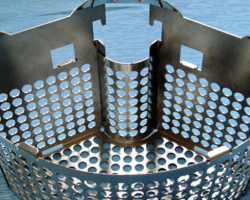
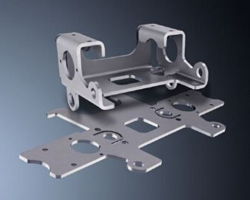
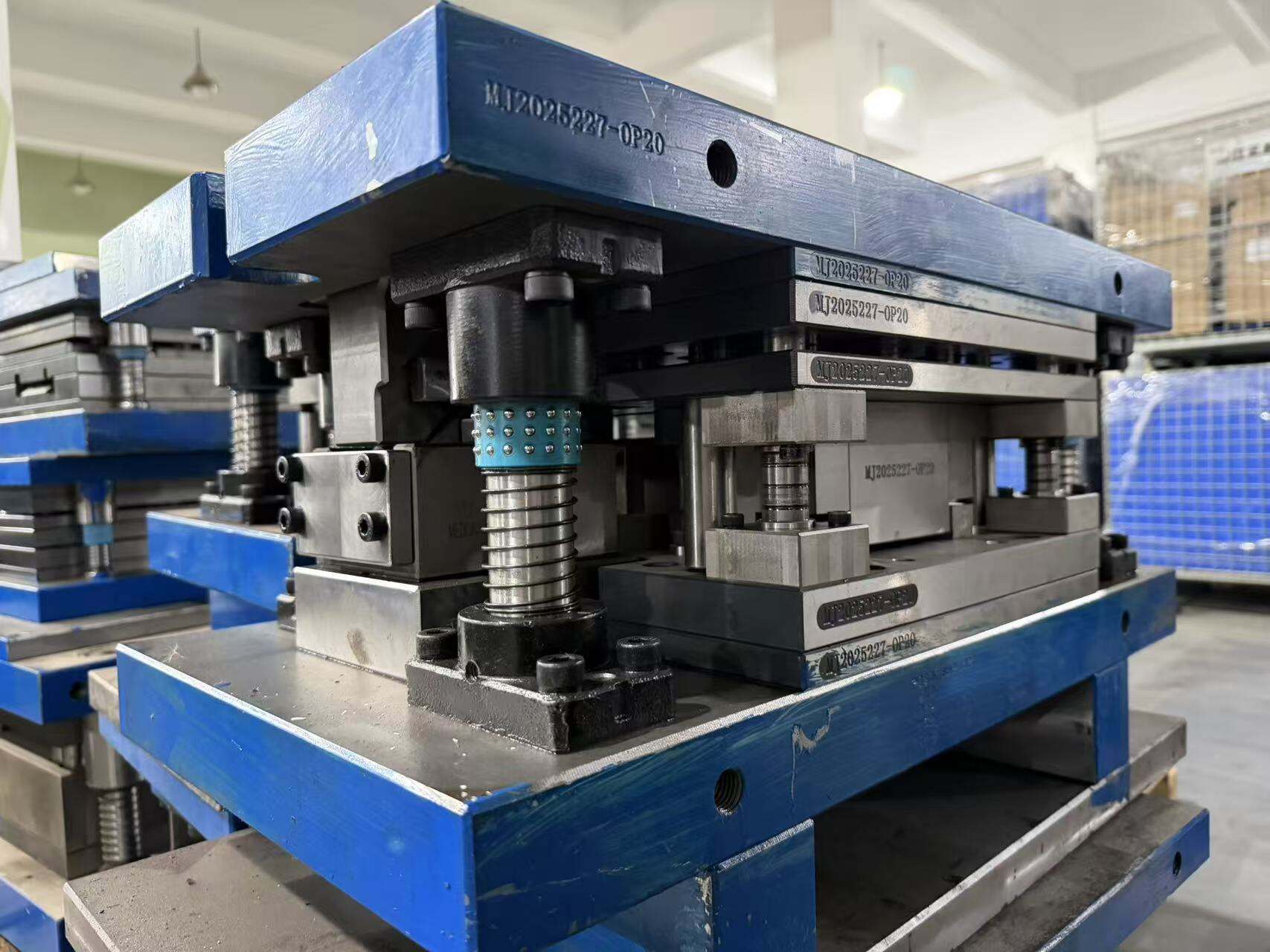
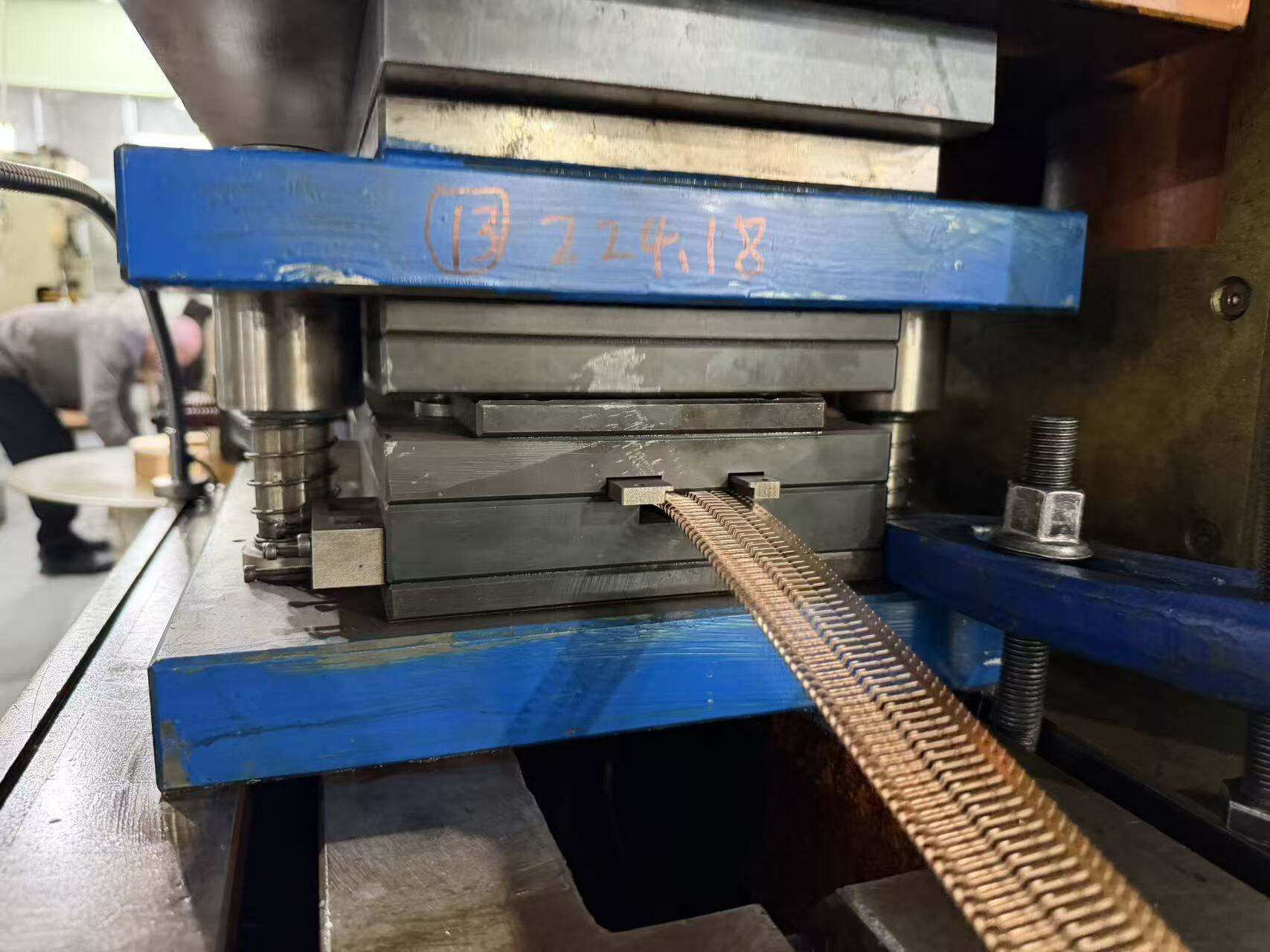
Progressive die tooling represents a sophisticated manufacturing technology that revolutionizes metal stamping and forming processes through its unique multi-station approach. This advanced tooling system performs multiple operations sequentially on a single workpiece as it moves through different stations within the die. Each station executes a specific function, such as punching, bending, cutting, forming, or coining, allowing manufacturers to complete complex parts in one continuous operation. The progressive die tooling system operates on a strip of material that advances incrementally through each station, with precise positioning ensured by pilot holes or other registration methods. This methodology eliminates the need for multiple separate dies and reduces handling between operations. The technology incorporates sophisticated engineering principles, including precise timing mechanisms, automated feeding systems, and integrated quality control features. Modern progressive die tooling systems utilize computer-aided design and manufacturing technologies to optimize station layouts and ensure optimal material flow. The tooling typically consists of upper and lower die halves mounted in a press, with stripper plates, guide pins, and ejection systems working together to maintain accuracy and reliability. Advanced sensor technologies monitor the process continuously, detecting potential issues before they affect production quality. The progressive die tooling approach supports various materials, including steel, aluminum, copper, brass, and specialized alloys, accommodating different thicknesses and mechanical properties. This versatility makes it suitable for producing automotive components, electronic parts, appliance hardware, medical devices, and consumer goods. The technology excels in high-volume production scenarios where consistency and speed are paramount, delivering exceptional repeatability and dimensional accuracy across millions of cycles.

 EN
EN