Progressive Die Design: Advanced Manufacturing Solutions for High-Volume Production

All Categories

Get a Free Quote

Our representative will contact you soon.
Email
Mobile/WhatsApp
Name
Company Name
Message
0/1000

progressive die design

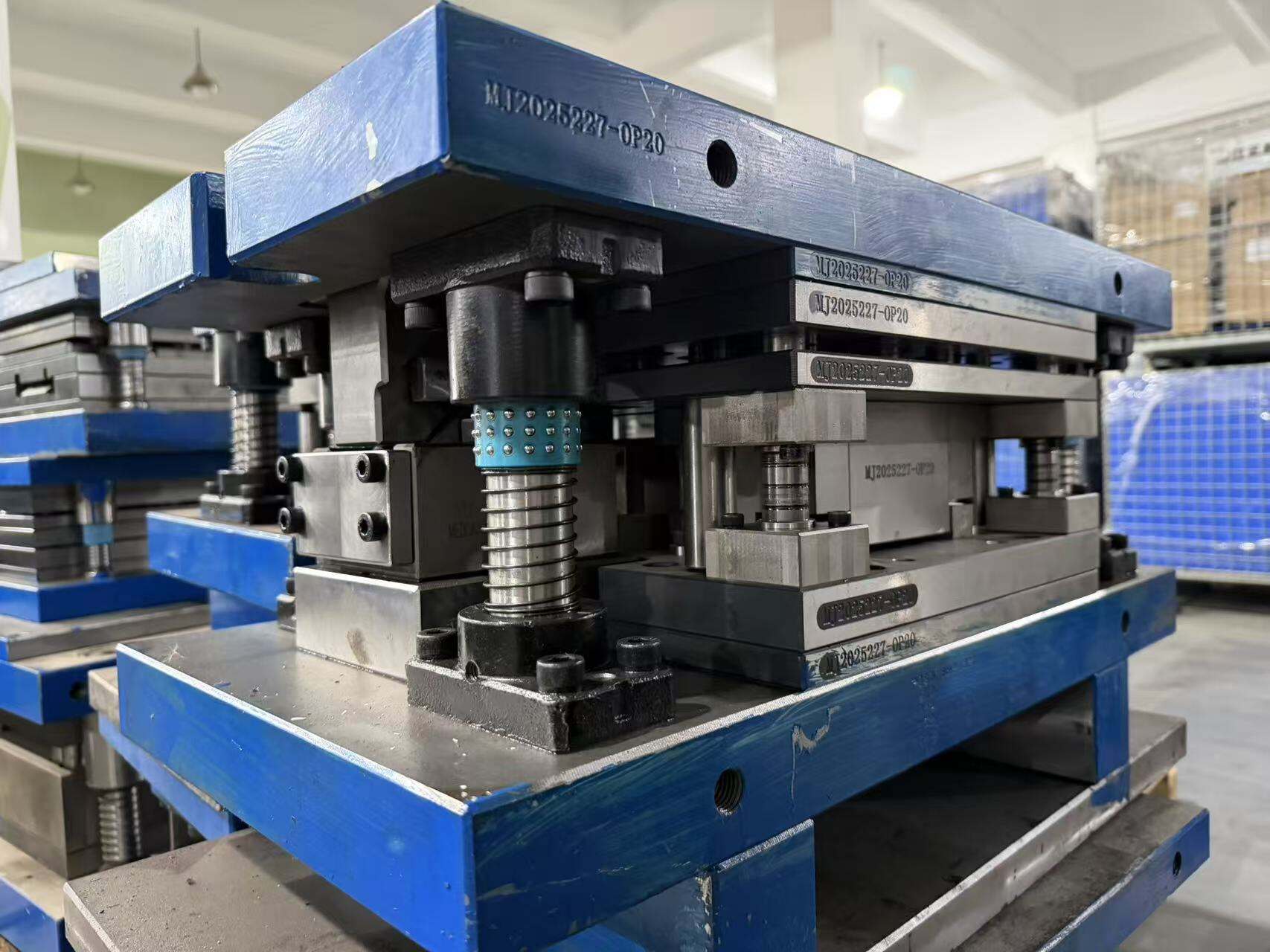
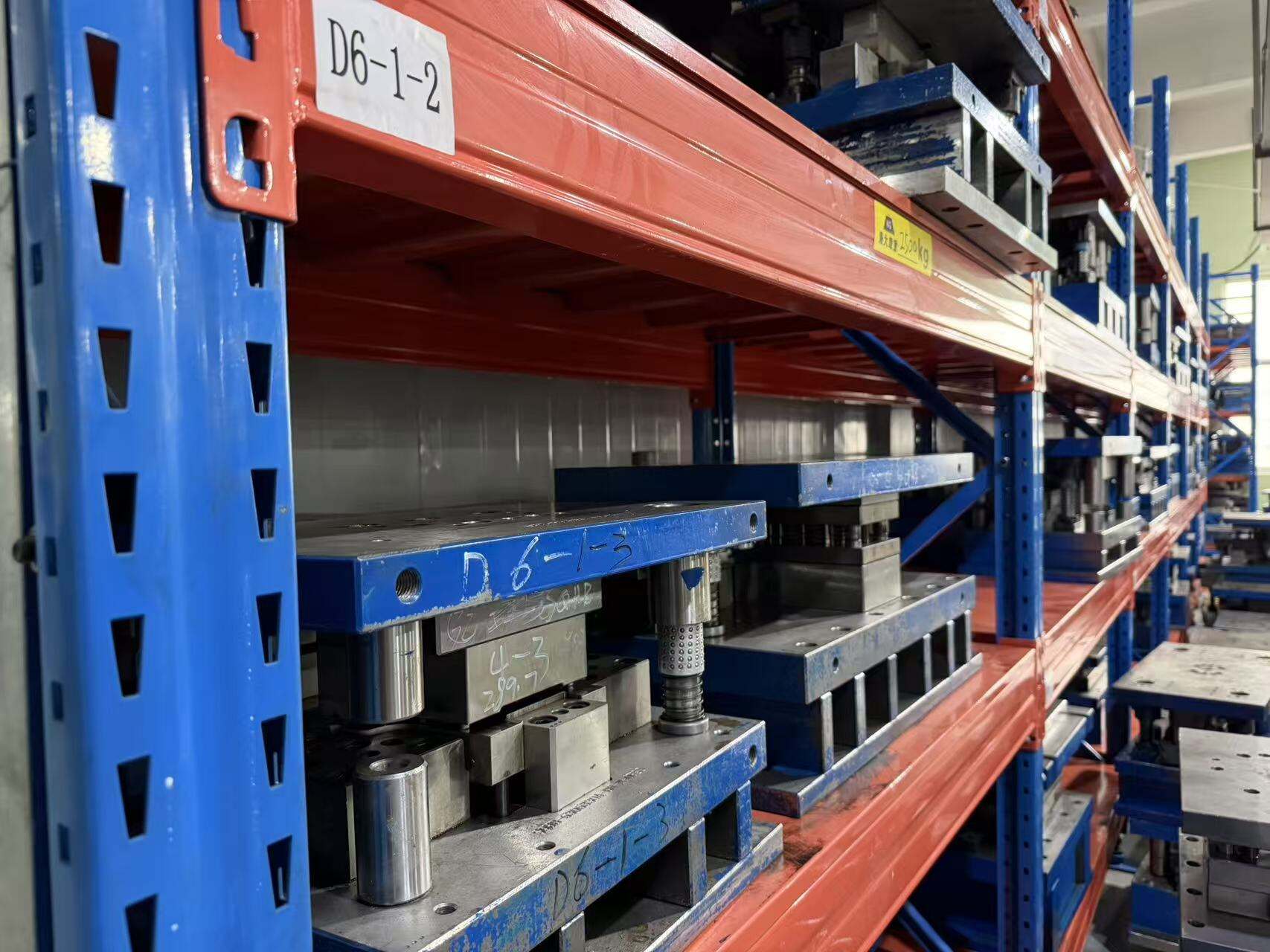
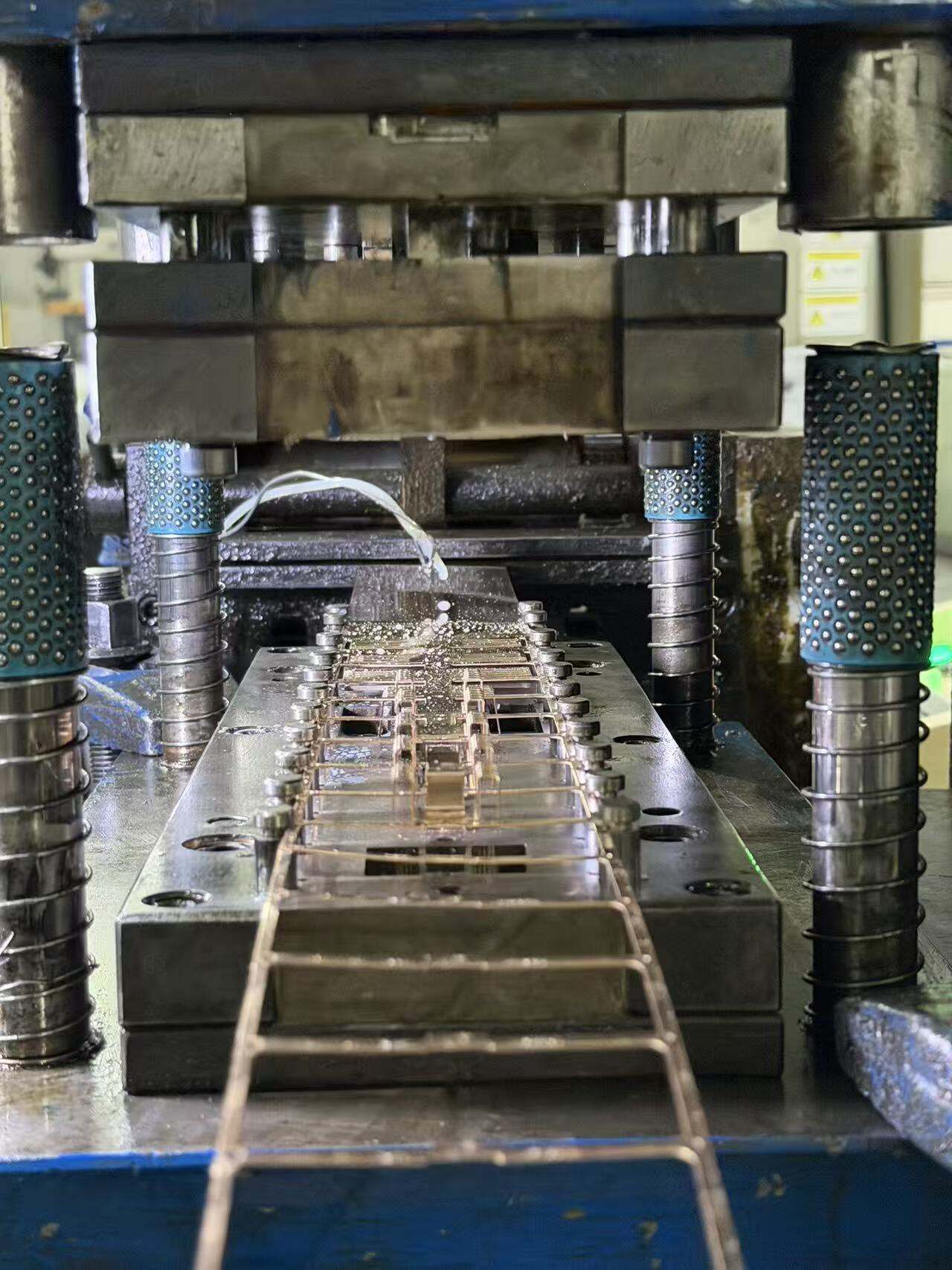
Progressive die design represents a sophisticated manufacturing approach that revolutionizes metal stamping operations through continuous, sequential processing. This innovative tooling system enables manufacturers to perform multiple forming operations on sheet metal within a single press stroke, dramatically transforming production efficiency and output quality. The progressive die design integrates various stations along a linear path, where each station performs specific operations such as piercing, blanking, forming, bending, or drawing. Material advances through predetermined increments, typically controlled by pilot pins or feed mechanisms, ensuring precise positioning at each operation stage. The fundamental principle revolves around transforming raw sheet metal coil into finished components through a series of carefully orchestrated steps. Each station within the progressive die design builds upon previous operations, creating complex geometries that would otherwise require multiple separate tools and handling procedures. Modern progressive die design incorporates advanced engineering principles, utilizing computer-aided design software to optimize tool geometry, material flow, and operational sequences. The system accommodates various material thicknesses and properties, making it versatile for numerous applications across automotive, electronics, appliance, and aerospace industries. Strip layout optimization ensures minimal material waste while maximizing component quality and dimensional accuracy. Safety features are integral to progressive die design, including sensors, guards, and fail-safe mechanisms that protect operators and equipment. The modular nature allows for modifications and adjustments without complete tool reconstruction, providing flexibility for design changes or production variations. Progressive die design eliminates multiple handling operations, reduces labor requirements, and maintains consistent quality standards throughout production runs. This technology supports high-volume manufacturing while maintaining tight tolerances and superior surface finishes, making it indispensable for modern manufacturing environments.
New Products

Progressive die design delivers exceptional cost-effectiveness by consolidating multiple manufacturing operations into a single automated process. Companies save significant money on labor costs since one operator can manage what previously required multiple workers across separate operations. The elimination of intermediate handling reduces material damage risks and minimizes quality defects that typically occur during part transfer between different workstations. Production speed increases dramatically because parts move continuously through the system without stopping for repositioning or tool changes. This continuous flow approach maximizes press utilization and dramatically reduces cycle times compared to conventional stamping methods. Quality consistency improves substantially since each component follows the identical processing path with precise positioning controls at every station. The progressive die design maintains tight dimensional tolerances throughout production runs, ensuring every part meets exact specifications without variation. Material utilization reaches optimal levels through intelligent strip layout design that minimizes scrap generation and waste. The automated nature of progressive die operations reduces human error and maintains consistent processing parameters regardless of shift changes or operator variations. Setup times decrease significantly once the initial tool installation is complete, allowing for longer production runs without interruption. Manufacturers benefit from reduced inventory requirements since parts can be produced just-in-time rather than maintaining large stockpiles of intermediate components. The system adapts easily to volume fluctuations, scaling production up or down based on market demand without substantial equipment changes. Energy efficiency improves because single press operations consume less power than multiple separate processes. Maintenance requirements simplify since technicians service one integrated system instead of multiple independent tools. The progressive die design supports lean manufacturing principles by eliminating non-value-added activities like part handling, sorting, and intermediate storage. Floor space utilization improves dramatically as the compact system replaces multiple press stations and associated material handling equipment. Quality control becomes more manageable with centralized inspection points and consistent processing conditions throughout the operation.

Practical Tips

How To Determine The Chemical Stability Of Materials

10

Mar

How To Determine The Chemical Stability Of Materials

View More
Automotive Armrest Slide Rail Production Factory: The Cradle of Quality and Innovation

10

Mar

Automotive Armrest Slide Rail Production Factory: The Cradle of Quality and Innovation

View More

Get a Free Quote

Our representative will contact you soon.
Email
Mobile/WhatsApp
Name
Company Name
Message
0/1000

progressive die design

Superior Production Efficiency Through Integrated Manufacturing

Superior Production Efficiency Through Integrated Manufacturing

Progressive die design achieves remarkable production efficiency by integrating multiple manufacturing operations into one seamless, continuous process that eliminates traditional bottlenecks and inefficiencies. This revolutionary approach transforms how manufacturers approach high-volume component production, delivering unprecedented throughput rates while maintaining exceptional quality standards. The integrated system processes raw material through sequential stations without interruption, creating finished parts at rates that far exceed conventional manufacturing methods. Each station performs specific operations simultaneously as material advances through the tool, creating a production line effect within a single press stroke. This eliminates the time-consuming transfer operations, repositioning delays, and queue times that plague traditional multi-step manufacturing processes. The continuous material flow ensures optimal press utilization, maximizing equipment return on investment through sustained high-speed operation. Production planning becomes more predictable and manageable since the progressive die design maintains consistent cycle times throughout extended runs. Quality remains uniform because each part follows an identical processing path with precise positioning controls that ensure repeatable results. The system accommodates rapid changeovers between different part configurations through modular tooling arrangements, minimizing downtime and maximizing productive hours. Advanced material handling systems integrated within the progressive die design maintain perfect strip alignment and feeding consistency, preventing the dimensional variations that commonly occur in manual or semi-automated processes. The elimination of intermediate handling reduces contamination risks, surface damage, and dimensional distortion that typically compromise part quality in multi-stage operations. Manufacturers report productivity increases of 200-500% compared to conventional stamping approaches, with some achieving even higher improvements depending on part complexity and production volume requirements. This efficiency gain translates directly into reduced per-part costs, improved delivery performance, and enhanced competitiveness in demanding market environments.
Exceptional Cost Reduction Through Operational Optimization

Exceptional Cost Reduction Through Operational Optimization

Progressive die design delivers substantial cost reductions through comprehensive operational optimization that addresses every aspect of the manufacturing process from material utilization to labor requirements. The consolidated approach eliminates multiple tool investments, reducing capital expenditure while providing superior functionality compared to separate operation tooling. Labor costs decrease dramatically since skilled operators can manage complete production processes that previously required multiple workers across different stations. This workforce optimization allows companies to redeploy personnel to higher-value activities while maintaining or increasing production output. Material waste reduction represents another significant cost advantage, as progressive die design enables optimal strip layouts that maximize material utilization and minimize scrap generation. The precise control over material advancement ensures consistent part spacing and orientation, eliminating the irregular waste patterns common in conventional stamping operations. Energy consumption decreases because single press operations require less power than multiple separate processes, contributing to lower operational costs and improved environmental sustainability. Maintenance expenses reduce through simplified service requirements for integrated systems compared to multiple independent tools and equipment. The predictable wear patterns in progressive die design enable proactive maintenance scheduling that prevents costly unexpected downdowns and extends tool life. Inventory carrying costs decrease significantly since just-in-time production eliminates the need for large work-in-process stockpiles between operations. Quality-related costs diminish through improved process control and reduced handling-induced defects, resulting in lower rejection rates and rework expenses. The progressive die design supports lean manufacturing initiatives by eliminating non-value-added activities, reducing facility space requirements, and streamlining material flow patterns. Companies report total cost reductions of 30-50% compared to conventional manufacturing approaches, with payback periods typically ranging from 12-24 months depending on production volume and part complexity. These savings compound over time as production volumes increase and operational efficiencies continue improving through process refinement and optimization.
Unmatched Quality Control Through Precision Engineering

Unmatched Quality Control Through Precision Engineering

Progressive die design establishes unmatched quality control through precision engineering that maintains dimensional accuracy and surface finish consistency throughout high-volume production runs. The inherent stability of the integrated system eliminates variables that typically cause quality fluctuations in multi-stage manufacturing processes. Each component follows an identical processing path with precise positioning controls that ensure repeatable dimensional characteristics and geometric relationships. The continuous material advancement system maintains perfect strip alignment throughout the operation, preventing the angular deviations and positioning errors that compromise part quality in manual handling systems. Built-in gauging and monitoring systems provide real-time feedback on critical dimensions and processing parameters, enabling immediate corrective action before defective parts are produced. The progressive die design incorporates sophisticated pilot systems that maintain exact part positioning at each station, ensuring consistent hole locations, bend angles, and forming depths regardless of production volume or operator variations. Material flow characteristics remain constant throughout extended runs because the tooling geometry controls strip behavior and forming forces uniformly. Surface finish quality improves significantly due to controlled forming conditions and elimination of handling-induced scratches, dents, or contamination. The system maintains consistent forming speeds and pressures that optimize material properties and prevent defects like cracking, wrinkling, or dimensional distortion. Statistical process control becomes more effective with progressive die design because process variables remain stable and measurable throughout production. Quality assurance personnel can focus on systematic improvements rather than troubleshooting random variations caused by inconsistent processing conditions. The integrated approach enables comprehensive part inspection at strategic points within the operation, catching potential issues before they affect downstream processes. Companies using progressive die design typically achieve quality levels exceeding 99.5% with minimal variation in critical dimensions, surface characteristics, and functional performance. This quality consistency translates into reduced customer complaints, warranty costs, and field failures while enhancing brand reputation and customer satisfaction in competitive markets.

Get a Free Quote

Our representative will contact you soon.
Email
Mobile/WhatsApp
Name
Company Name
Message
0/1000