Premium Plastic Injection Molding Parts - Precision Manufacturing Solutions for Industries

All Categories

Get a Free Quote

Our representative will contact you soon.
Email
Mobile/WhatsApp
Name
Company Name
Message
0/1000

plastic injection molding parts

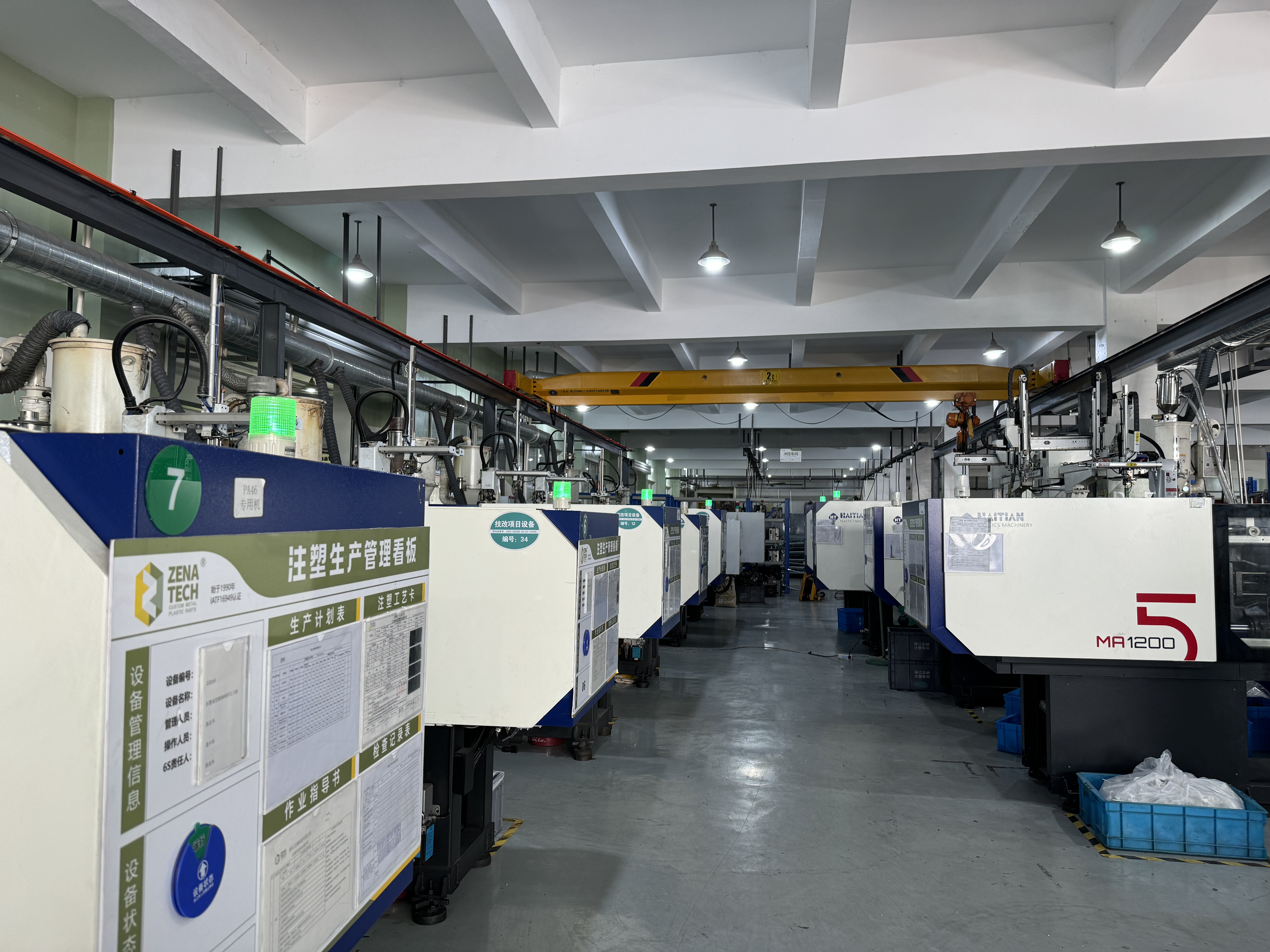
Plastic injection molding parts represent a cornerstone of modern manufacturing, offering versatile solutions across countless industries through precision-engineered components. This advanced manufacturing process transforms raw plastic materials into complex, high-quality parts by injecting molten plastic into carefully designed molds under controlled pressure and temperature conditions. The technology enables manufacturers to create intricate geometries, precise dimensions, and consistent surface finishes that meet demanding specifications across automotive, electronics, medical devices, consumer goods, and industrial applications. The main functions of plastic injection molding parts encompass structural support, protective housings, functional mechanisms, aesthetic elements, and integrated assemblies that combine multiple features into single components. Technological features include exceptional dimensional accuracy, repeatable quality standards, material versatility supporting thermoplastics and thermosets, automated production capabilities, and integrated design flexibility that accommodates complex internal geometries, undercuts, and multi-material combinations. Modern plastic injection molding parts benefit from advanced material formulations including reinforced plastics, biodegradable options, conductive compounds, and specialized additives that enhance properties like UV resistance, flame retardancy, and chemical compatibility. Applications span from microscopic precision components in medical devices to large automotive panels, demonstrating remarkable scalability. The process supports rapid prototyping for design validation, low-volume specialty parts, and high-volume mass production requirements. Quality control systems ensure consistent part performance through automated monitoring, statistical process control, and comprehensive testing protocols. Environmental considerations drive innovations in recyclable materials, energy-efficient processing, and waste reduction strategies. The integration of Industry 4.0 technologies enables real-time monitoring, predictive maintenance, and data-driven optimization of plastic injection molding parts production, ensuring superior quality and operational efficiency in today's competitive manufacturing landscape.
New Products

Plastic injection molding parts deliver remarkable cost-effectiveness through economies of scale, making them ideal for both prototype development and mass production scenarios. The process eliminates secondary machining operations in most cases, reducing overall manufacturing costs while maintaining exceptional quality standards. Production efficiency reaches impressive levels with cycle times measured in seconds or minutes, enabling manufacturers to produce thousands of plastic injection molding parts daily with minimal labor requirements. Material waste reduction represents another significant advantage, as the process utilizes nearly 100 percent of input materials through efficient runner systems and recycling capabilities. Design flexibility stands out as a major benefit, allowing engineers to create complex geometries impossible with traditional manufacturing methods, including internal channels, integrated fasteners, living hinges, and multi-level surfaces within single plastic injection molding parts. The process accommodates virtually any thermoplastic material, from commodity grades to high-performance engineering plastics, enabling designers to select optimal materials for specific applications. Consistency and repeatability ensure every part meets identical specifications, critical for assembly operations and quality assurance programs. Surface finish options range from high-gloss mirror finishes to textured surfaces that eliminate secondary finishing operations. Rapid prototyping capabilities allow design verification and market testing before committing to production tooling, reducing development risks and time-to-market pressures. Automation integration streamlines production workflows, reduces labor costs, and improves workplace safety by minimizing human intervention in manufacturing processes. The ability to mold inserts during production creates hybrid components combining plastic with metal, ceramic, or electronic elements, expanding design possibilities for plastic injection molding parts. Environmental benefits include material recyclability, energy-efficient processing compared to alternative manufacturing methods, and reduced transportation costs due to lightweight finished components. Quality control systems built into modern injection molding equipment provide real-time monitoring and adjustment capabilities, ensuring consistent part quality throughout production runs. Scalability allows seamless transitions from prototype quantities to full production volumes using identical tooling and processes, maintaining design integrity across all production phases while optimizing manufacturing investments for plastic injection molding parts applications.

Tips And Tricks

Automotive Armrest Slide Rail Production Factory: The Cradle of Quality and Innovation

10

Mar

Automotive Armrest Slide Rail Production Factory: The Cradle of Quality and Innovation

View More
How To Choose Appropriate Automotive Parts According To Testing Standards

10

Mar

How To Choose Appropriate Automotive Parts According To Testing Standards

View More

Get a Free Quote

Our representative will contact you soon.
Email
Mobile/WhatsApp
Name
Company Name
Message
0/1000

plastic injection molding parts

Precision Engineering Excellence

Precision Engineering Excellence

Precision engineering excellence defines the superior quality standards achievable through advanced plastic injection molding parts manufacturing processes. Modern injection molding equipment achieves dimensional tolerances as tight as ±0.002 inches, surpassing many traditional manufacturing methods while maintaining exceptional surface finish quality. This precision stems from sophisticated mold design incorporating advanced steel alloys, precision machining, and temperature control systems that ensure consistent part dimensions throughout extended production runs. Computer-controlled injection parameters monitor and adjust pressure, temperature, injection speed, and cooling cycles in real-time, eliminating variations that compromise part quality. Advanced plastic injection molding parts benefit from multi-cavity tooling designs that produce multiple identical components simultaneously while maintaining uniform quality across all cavities. The precision extends beyond dimensional accuracy to include complex internal features like threads, undercuts, and thin-wall sections that traditional manufacturing cannot achieve economically. Surface texture replication capabilities transfer intricate patterns from mold surfaces to plastic injection molding parts with remarkable fidelity, eliminating secondary finishing operations. Quality assurance protocols integrated throughout the manufacturing process include automated optical inspection, coordinate measuring machines, and statistical process control systems that continuously monitor part characteristics. Material selection expertise ensures optimal plastic resins match specific application requirements, considering factors like chemical resistance, temperature stability, mechanical properties, and regulatory compliance. The precision engineering approach encompasses complete part validation through design for manufacturability analysis, mold flow simulation, and prototype testing that identifies potential issues before production tooling investment. Advanced gate design and runner systems optimize material flow patterns, reducing stress concentrations and warpage while maintaining consistent filling characteristics across complex geometries. Temperature control precision extends throughout the molding cycle, from material preparation through ejection, ensuring molecular orientation and crystalline structure optimize mechanical properties. This commitment to precision engineering excellence positions plastic injection molding parts as preferred solutions for demanding applications requiring consistent performance, aesthetic appeal, and long-term reliability in challenging operating environments across diverse industrial sectors.
Versatile Material Solutions

Versatile Material Solutions

Versatile material solutions represent a fundamental strength of plastic injection molding parts, offering engineers unprecedented flexibility in matching component performance to specific application requirements. The extensive material palette includes commodity thermoplastics like polyethylene and polystyrene for cost-sensitive applications, engineering plastics such as nylon and polycarbonate for demanding mechanical environments, and high-performance polymers like PEEK and PPS for extreme temperature and chemical exposure conditions. Material science advances continuously expand options for plastic injection molding parts through innovative polymer formulations, additive packages, and reinforcement systems that enhance specific properties. Glass fiber reinforcement increases strength and stiffness while maintaining dimensional stability, enabling plastic components to replace traditional metal parts in structural applications. Carbon fiber additives provide exceptional strength-to-weight ratios crucial for aerospace and automotive lightweighting initiatives. Flame retardant formulations meet stringent safety standards for electrical and transportation applications without compromising mechanical properties or processing characteristics. Conductive plastic compounds enable electromagnetic interference shielding and static dissipation in electronic housings and industrial equipment. Biodegradable and recycled content materials address environmental sustainability requirements while maintaining performance standards necessary for plastic injection molding parts applications. Multi-material molding capabilities combine different plastics within single components, creating products with varying properties across different zones such as rigid structural areas and flexible seal interfaces. Colorant integration eliminates secondary painting or finishing operations while providing consistent color throughout part thickness, reducing manufacturing steps and improving durability. Chemical resistance properties can be tailored through material selection to withstand exposure to acids, bases, solvents, and aggressive cleaning agents encountered in medical, chemical processing, and food service environments. UV stabilization extends outdoor service life for automotive, construction, and recreational applications exposed to solar radiation. Impact modification enhances toughness for applications requiring resistance to shock loading and mechanical abuse. The versatility extends to processing characteristics, with materials engineered for specific molding conditions including fast cycle times, low-temperature processing, and enhanced flow properties that enable thin-wall molding and complex geometry filling, ensuring optimal manufacturability for diverse plastic injection molding parts requirements across multiple industries.
Cost-Effective Production Scalability

Cost-Effective Production Scalability

Cost-effective production scalability establishes plastic injection molding parts as the optimal manufacturing solution for businesses requiring flexible production volumes while maintaining economic efficiency across diverse market demands. Initial tooling investments scale favorably across production volumes, with break-even points typically occurring at relatively low quantities compared to alternative manufacturing methods, especially when considering the elimination of secondary operations and assembly steps. High-volume production capabilities reach impressive output levels with automated systems producing thousands of plastic injection molding parts per day while maintaining consistent quality standards and minimal labor requirements. The scalability advantages extend beyond pure volume considerations to encompass rapid market response capabilities, enabling manufacturers to adjust production levels quickly based on demand fluctuations without significant equipment changes or operational disruptions. Multi-cavity tooling multiplies production capacity within existing equipment footprints, allowing manufacturers to increase output without proportional increases in facility space, utilities, or labor costs. Modular tooling designs enable future capacity expansion through cavity additions or modifications, protecting initial investments while accommodating business growth. Automated material handling systems integrate seamlessly with injection molding equipment, reducing labor costs and improving consistency in material preparation, part removal, and quality inspection processes. Just-in-time production capabilities minimize inventory carrying costs while ensuring rapid response to customer requirements, particularly beneficial for plastic injection molding parts used in assembly operations with tight scheduling demands. The economic advantages multiply through material efficiency, with modern injection molding processes achieving near-zero waste through optimized runner designs, hot runner systems, and material recycling capabilities that reduce raw material costs per part. Energy efficiency improvements in modern equipment reduce operational costs while supporting environmental sustainability initiatives. Predictive maintenance programs minimize unplanned downtime and extend equipment life, protecting capital investments while maintaining production schedule reliability. Global manufacturing networks enable cost optimization through strategic facility location decisions, taking advantage of regional material costs, labor rates, and logistics efficiencies. Quality system integration reduces inspection costs and warranty risks through real-time process monitoring and statistical quality control methods. The scalability extends to design modifications and product iterations, with injection molding tooling supporting engineering changes and product improvements throughout product lifecycles, ensuring plastic injection molding parts remain cost-effective solutions from initial market introduction through mature product phases across diverse manufacturing sectors.

Get a Free Quote

Our representative will contact you soon.
Email
Mobile/WhatsApp
Name
Company Name
Message
0/1000