Professional Injection Molded Plastic Parts - Custom Manufacturing Solutions

All Categories

Get a Free Quote

Our representative will contact you soon.
Email
Mobile/WhatsApp
Name
Company Name
Message
0/1000

injection molded plastic parts

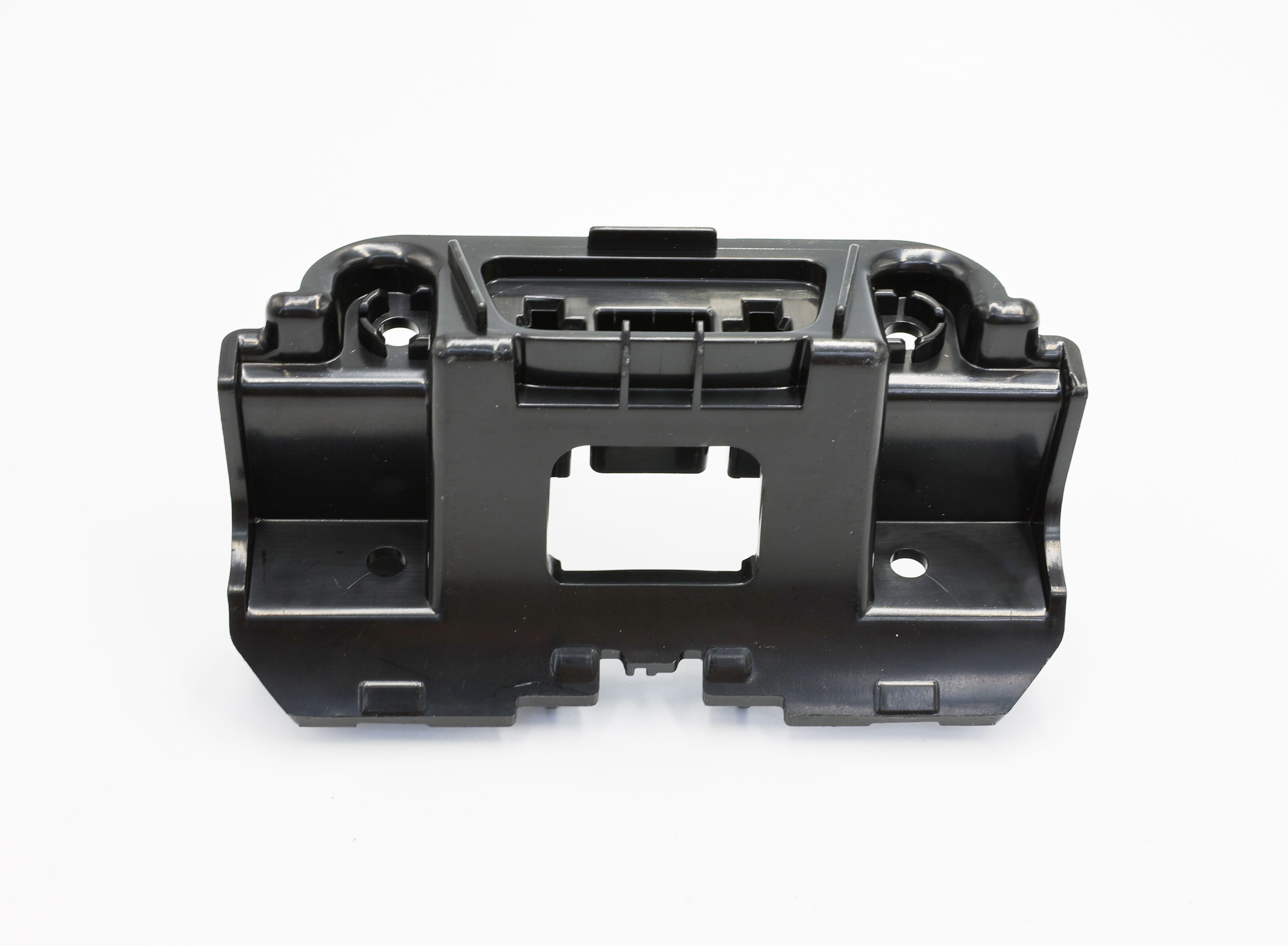
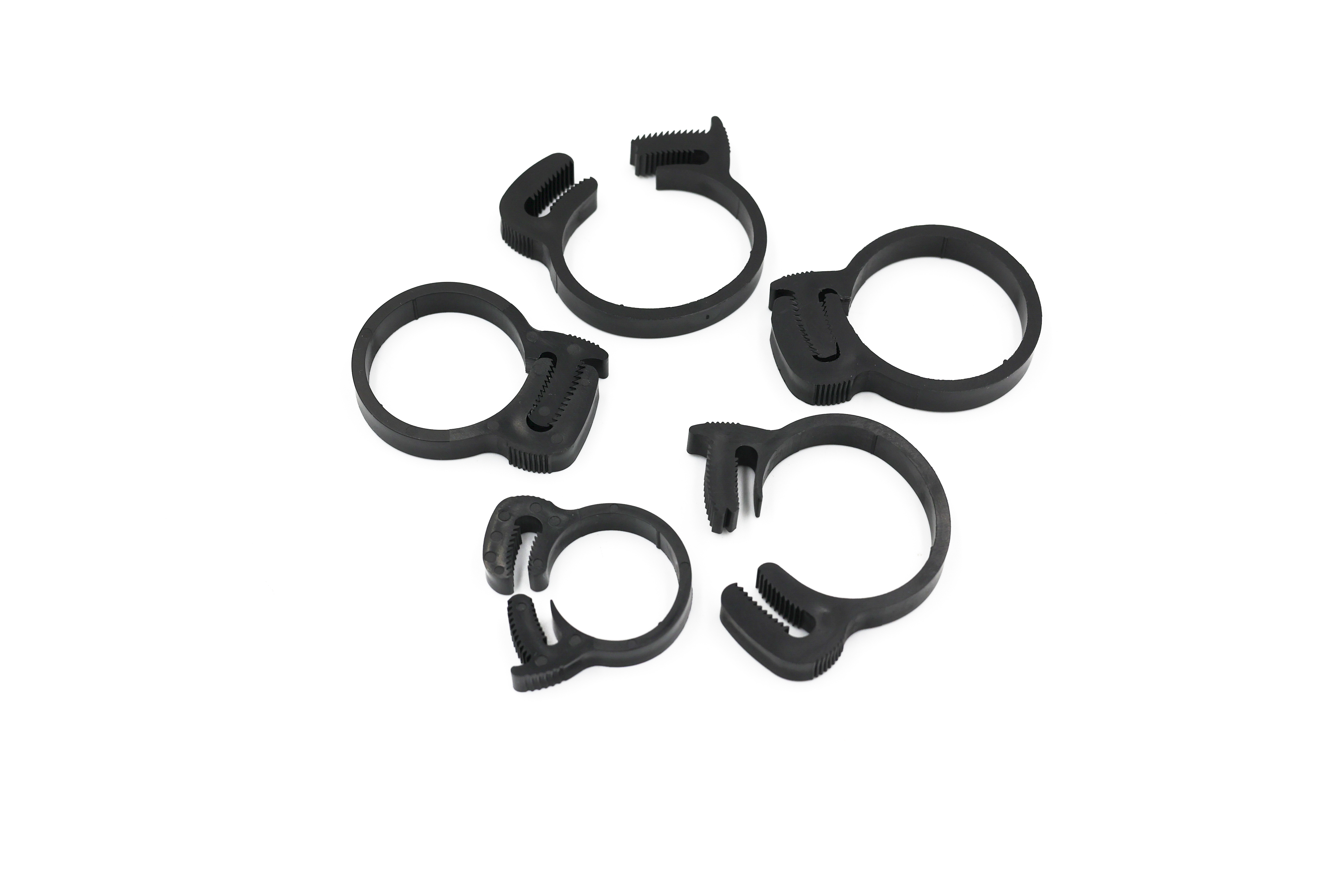
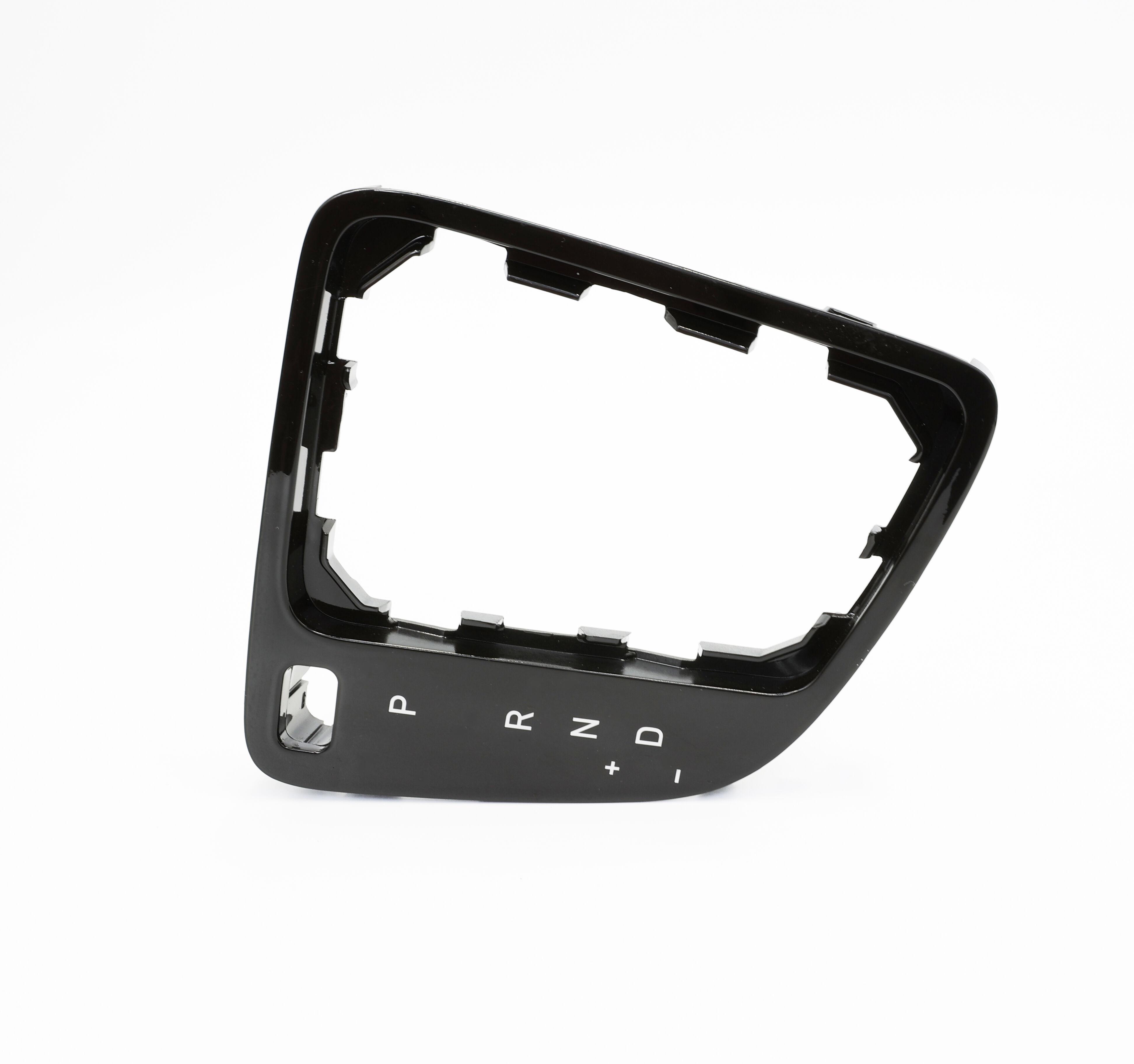
Injection molded plastic parts represent a cornerstone of modern manufacturing, delivering precision-engineered components through advanced thermoplastic processing technology. This sophisticated manufacturing method involves heating plastic materials to their melting point and injecting them under high pressure into carefully designed molds, creating parts with exceptional dimensional accuracy and surface finish quality. The injection molding process enables manufacturers to produce complex geometries, intricate details, and multi-functional components that would be challenging or impossible to achieve through traditional manufacturing methods. These injection molded plastic parts serve critical functions across diverse industries, from automotive and aerospace to consumer electronics and medical devices. The technology's primary strength lies in its ability to create parts with consistent wall thickness, precise tolerances, and repeatable quality characteristics. Modern injection molding systems incorporate computer-controlled parameters that monitor temperature, pressure, and timing throughout the production cycle, ensuring each injection molded plastic part meets stringent specifications. The process accommodates a wide range of thermoplastic materials, including polyethylene, polypropylene, ABS, polycarbonate, and engineering-grade resins, allowing manufacturers to select optimal material properties for specific applications. Injection molded plastic parts can integrate multiple functions into single components, reducing assembly requirements and improving overall product reliability. The technology supports various surface textures, colors, and finishing options, eliminating secondary operations in many cases. These parts commonly feature integrated mounting points, snap-fit connections, living hinges, and complex internal passages that streamline product assembly and enhance functionality. Applications span from microscopic medical components weighing fractions of grams to large automotive panels exceeding several kilograms, demonstrating the remarkable versatility of injection molded plastic parts in meeting diverse manufacturing requirements across multiple industries and market segments.

New Products

Injection molded plastic parts offer compelling advantages that make them the preferred choice for manufacturers seeking efficient, cost-effective production solutions. The primary benefit centers on exceptional production speed, with modern injection molding machines capable of producing thousands of parts per day while maintaining consistent quality standards. This rapid cycle time translates directly into lower per-unit costs, especially for high-volume production runs where tooling costs are amortized across large quantities. The precision capabilities of injection molded plastic parts eliminate many secondary machining operations, reducing overall manufacturing time and associated labor costs. Quality consistency represents another significant advantage, as computer-controlled injection molding processes ensure each part meets identical specifications with minimal variation. This reliability reduces quality control expenses and minimizes waste from defective components. Material efficiency stands out as a key economic benefit, since injection molding generates minimal waste compared to subtractive manufacturing methods. Excess material from runners and gates can often be recycled back into the production process, further reducing material costs. The design flexibility offered by injection molded plastic parts enables engineers to consolidate multiple components into single parts, reducing assembly time, inventory costs, and potential failure points. Complex geometries, undercuts, and intricate details that would require multiple manufacturing steps in other processes can be achieved in a single molding operation. Weight reduction capabilities provide substantial benefits in applications where mass is critical, such as automotive and aerospace components. Injection molded plastic parts typically weigh significantly less than metal alternatives while maintaining adequate strength properties for their intended applications. The corrosion resistance inherent in most plastic materials eliminates the need for protective coatings or treatments, reducing both initial costs and long-term maintenance requirements. Color integration during the molding process eliminates painting or coating operations, providing permanent color that won't chip, fade, or wear off under normal use conditions. Electrical insulation properties of injection molded plastic parts make them ideal for electronic applications, eliminating the need for additional insulating components. The chemical resistance of many plastic materials ensures compatibility with various environments and substances, extending service life and reducing replacement costs. Tooling longevity in injection molding enables production of millions of parts from a single mold set, providing excellent return on initial tooling investment for high-volume applications.

Latest News

How To Determine The Chemical Stability Of Materials

10

Mar

How To Determine The Chemical Stability Of Materials

View More
Automotive Armrest Slide Rail Production Factory: The Cradle of Quality and Innovation

10

Mar

Automotive Armrest Slide Rail Production Factory: The Cradle of Quality and Innovation

View More
How To Choose Appropriate Automotive Parts According To Testing Standards

10

Mar

How To Choose Appropriate Automotive Parts According To Testing Standards

View More
Testing Standards For Corrosion Resistance Of Automotive Parts

10

Mar

Testing Standards For Corrosion Resistance Of Automotive Parts

View More

Get a Free Quote

Our representative will contact you soon.
Email
Mobile/WhatsApp
Name
Company Name
Message
0/1000

injection molded plastic parts

Unmatched Design Flexibility and Geometric Complexity

Unmatched Design Flexibility and Geometric Complexity

The design flexibility of injection molded plastic parts sets them apart from virtually every other manufacturing method available today. This remarkable capability stems from the fluid nature of molten plastic, which can flow into the most intricate mold cavities and capture fine details with exceptional fidelity. Engineers can incorporate complex three-dimensional geometries, internal channels, undercuts, and multi-level surfaces that would be impossible or prohibitively expensive to produce using traditional machining, casting, or forming processes. The injection molding process enables the creation of parts with varying wall thicknesses, integrated fastening systems, and functional elements such as living hinges, snap-fit connections, and threaded inserts molded directly into the component. This design freedom allows for significant part consolidation, where multiple separate components can be combined into a single injection molded plastic part, reducing assembly time, inventory management, and potential points of failure. The ability to create hollow sections, complex internal geometries, and precise surface textures opens up design possibilities that can optimize both form and function. Advanced mold technologies, including multi-cavity designs, family molds, and insert molding capabilities, further expand the design envelope for injection molded plastic parts. Engineers can integrate multiple materials, colors, and durometer levels within a single molding cycle using overmolding and multi-shot techniques. This flexibility extends to surface finish options, where textures ranging from mirror-like polish to deep grain patterns can be directly molded into the part surface, eliminating secondary finishing operations. The design flexibility also encompasses the ability to create parts with integrated assembly features, such as alignment pins, locating bosses, and mechanical interlocks that facilitate automated assembly processes. Modern computer-aided design tools and mold flow analysis software enable engineers to optimize injection molded plastic parts for both manufacturability and performance, ensuring proper material flow, adequate cooling, and minimal stress concentration. This comprehensive design flexibility makes injection molded plastic parts the ideal solution for applications requiring complex geometries, integrated functionality, and optimized performance characteristics that would be unachievable through alternative manufacturing methods.
Superior Cost-Effectiveness and Production Efficiency

Superior Cost-Effectiveness and Production Efficiency

The cost-effectiveness of injection molded plastic parts creates compelling economic advantages that extend far beyond simple material costs, encompassing the entire product lifecycle from initial design through end-of-life disposal. The high-speed production capabilities of modern injection molding equipment enable manufacturers to produce thousands of parts per hour with minimal labor intervention, dramatically reducing per-unit manufacturing costs compared to alternative production methods. This efficiency stems from the automated nature of the injection molding process, where computer-controlled systems manage every aspect of production including material feeding, heating, injection, cooling, and part ejection. The rapid cycle times, often measured in seconds rather than minutes, allow for quick return on tooling investment and enable competitive pricing even for complex injection molded plastic parts. Material utilization efficiency represents another significant cost advantage, as the injection molding process generates minimal waste compared to subtractive manufacturing methods like machining. The precise material metering systems ensure that only the required amount of plastic is used for each part, while any excess material from runners and gates can typically be recycled back into the production stream. This closed-loop material usage significantly reduces raw material costs and environmental waste. The durability and longevity of injection molds enable production of millions of parts from a single tool set, spreading the initial tooling investment across large quantities and further reducing per-unit costs. Quality consistency inherent in the injection molding process minimizes scrap rates and reduces quality control expenses, as parts produced under identical conditions exhibit minimal dimensional variation. The ability to integrate multiple functions into single injection molded plastic parts eliminates assembly operations, reducing labor costs and inventory management expenses while improving overall product reliability. Secondary operation elimination represents another cost benefit, as features like color, texture, threads, and mounting points can be molded directly into parts, avoiding expensive post-molding processes. The lightweight nature of injection molded plastic parts reduces shipping costs and enables designs that improve fuel efficiency in transportation applications. Long-term cost benefits include reduced maintenance requirements due to corrosion resistance, electrical insulation properties, and chemical compatibility of plastic materials, extending service life and reducing replacement costs over the product lifecycle.
Exceptional Material Properties and Performance Characteristics

Exceptional Material Properties and Performance Characteristics

The exceptional material properties and performance characteristics of injection molded plastic parts provide engineers with unprecedented flexibility in designing components that meet specific application requirements across diverse industries and operating environments. Modern thermoplastic materials offer a remarkable range of properties, from flexible elastomers to high-strength engineering resins, enabling injection molded plastic parts to replace traditional materials while often providing superior performance characteristics. The molecular structure of thermoplastic materials can be precisely controlled during polymerization to achieve specific property combinations, such as high impact strength with excellent dimensional stability, or superior chemical resistance with outstanding clarity. Engineering-grade plastics used in injection molded plastic parts can achieve tensile strengths comparable to aluminum alloys while weighing significantly less, providing excellent strength-to-weight ratios critical for applications in automotive, aerospace, and portable electronic devices. The inherent electrical insulation properties of most plastic materials make injection molded plastic parts ideal for electronic applications, eliminating the need for additional insulating components while providing protection against electrical hazards. Chemical resistance properties enable injection molded plastic parts to operate in harsh environments where metal components would suffer from corrosion, oxidation, or chemical attack, extending service life and reducing maintenance requirements. Temperature performance capabilities have expanded dramatically with advanced polymer formulations, allowing injection molded plastic parts to function reliably in temperature ranges from cryogenic conditions to continuous service temperatures exceeding 200 degrees Celsius. The ability to incorporate fillers, reinforcements, and additives during the injection molding process enables property customization for specific applications, such as glass fiber reinforcement for increased stiffness, carbon fiber for enhanced strength and conductivity, or mineral fillers for improved dimensional stability. Flame retardant additives can be integrated directly into injection molded plastic parts, eliminating secondary treatments while ensuring compliance with safety regulations. UV stabilizers and weathering additives enable outdoor applications where injection molded plastic parts must maintain appearance and properties despite exposure to solar radiation and environmental conditions. The fatigue resistance of properly designed injection molded plastic parts often exceeds that of metals in cyclic loading applications, particularly when stress concentration factors are minimized through optimized geometry design. Damping properties inherent in plastic materials help reduce noise and vibration in mechanical assemblies, improving user comfort and reducing wear on adjacent components.

Get a Free Quote

Our representative will contact you soon.
Email
Mobile/WhatsApp
Name
Company Name
Message
0/1000