injection moulded plastic components
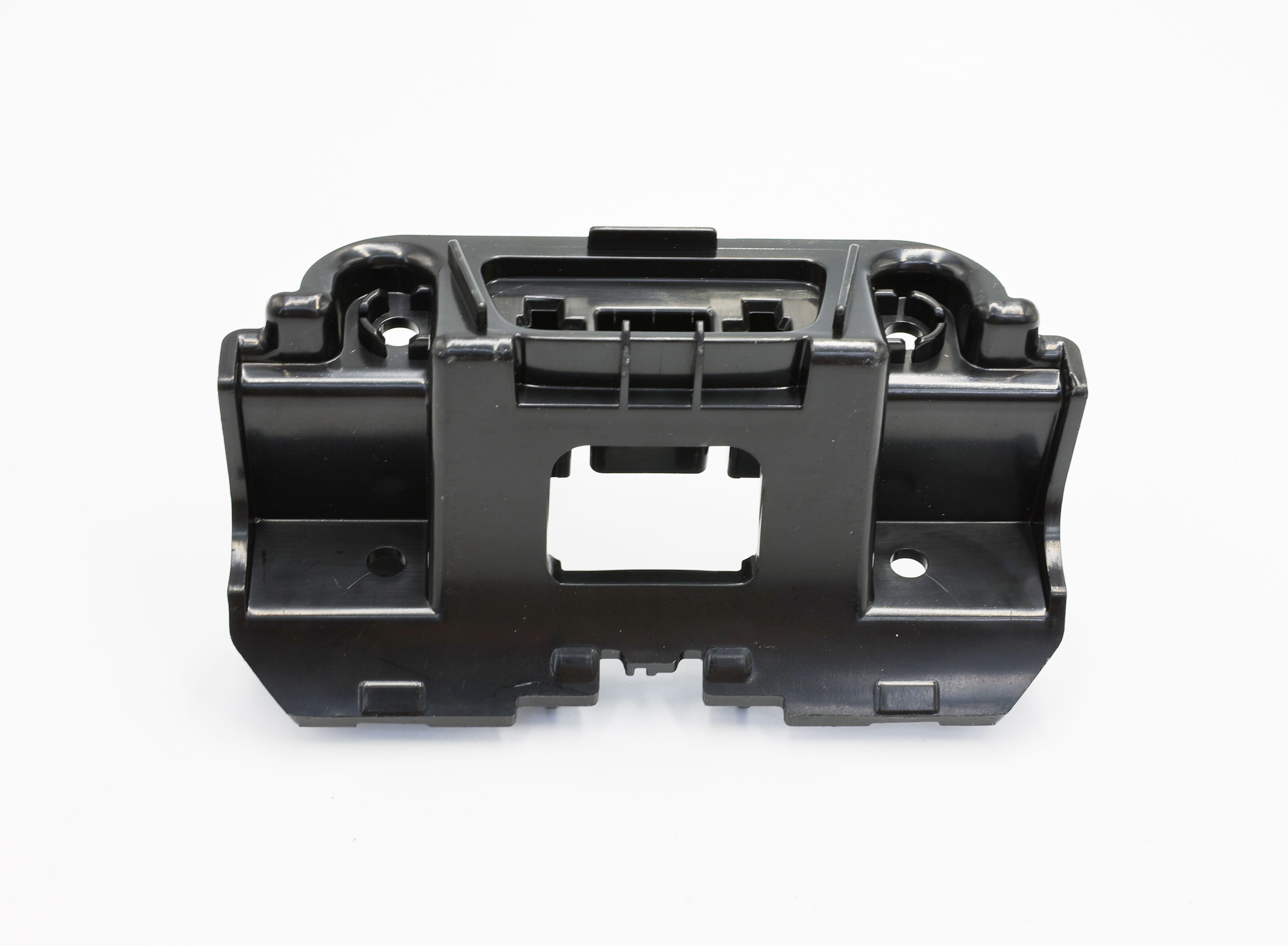
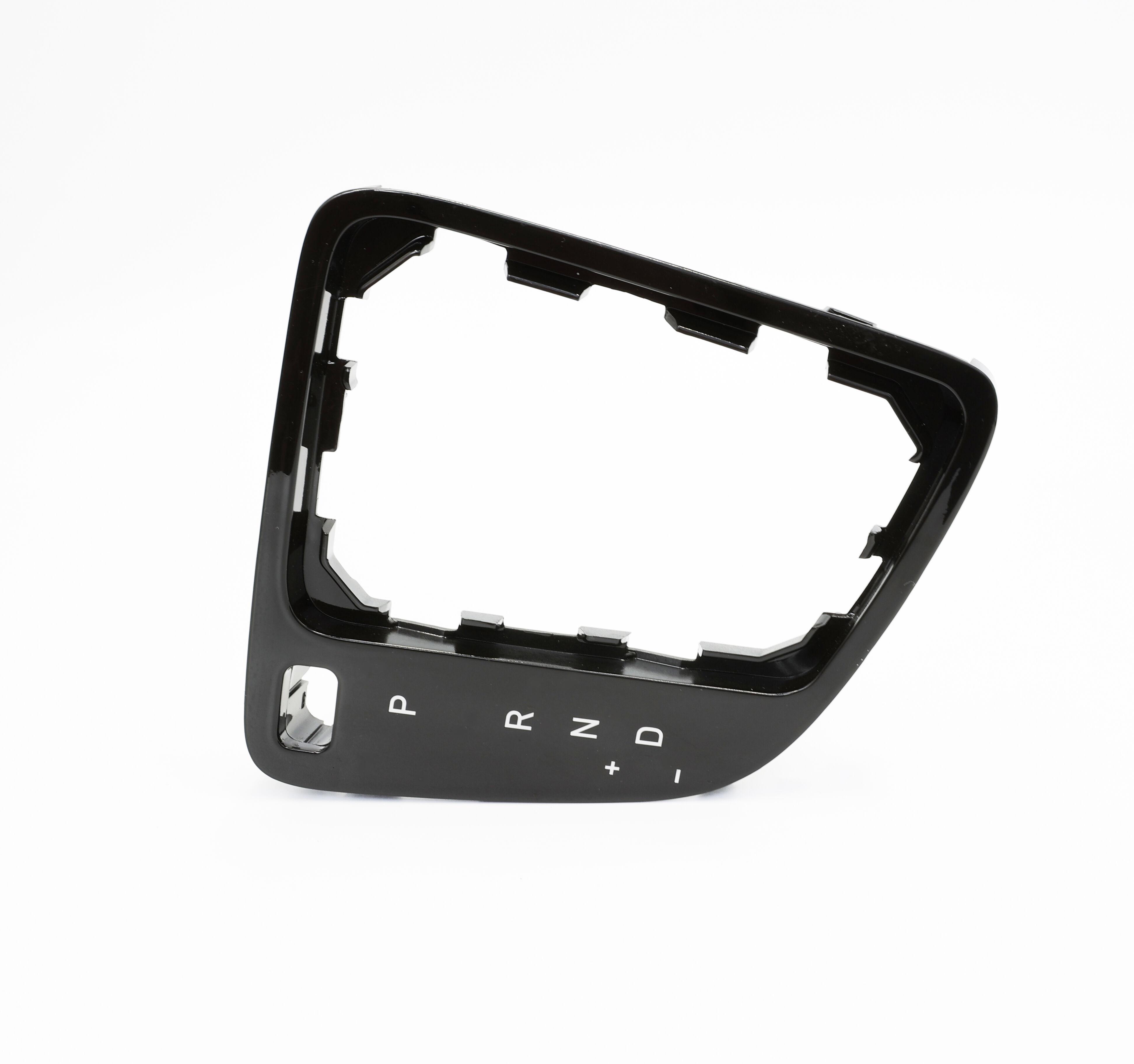
Injection moulded plastic components represent a cornerstone of modern manufacturing, utilizing advanced thermoplastic processing techniques to create precise, durable parts across countless industries. This sophisticated manufacturing process involves melting plastic pellets or granules and injecting the molten material into custom-designed moulds under high pressure, where it cools and solidifies into the desired shape. The injection moulded plastic components process enables manufacturers to produce complex geometries with exceptional dimensional accuracy, making it ideal for creating intricate parts that would be impossible or cost-prohibitive using traditional manufacturing methods. The main functions of injection moulded plastic components span from structural support elements in automotive applications to delicate medical device housings requiring biocompatible materials. These components serve critical roles in consumer electronics, providing lightweight yet robust casings that protect sensitive internal mechanisms while maintaining aesthetic appeal. In packaging applications, injection moulded plastic components offer superior barrier properties, ensuring product freshness and extending shelf life. The technological features of injection moulded plastic components include remarkable material versatility, allowing manufacturers to select from hundreds of thermoplastic resins with specific properties tailored to application requirements. Advanced injection moulding machines incorporate computer-controlled systems that monitor temperature, pressure, and timing parameters with precision, ensuring consistent quality across production runs. Multi-cavity moulds enable simultaneous production of multiple identical parts, dramatically increasing throughput while maintaining uniformity. The applications for injection moulded plastic components are virtually limitless, spanning automotive interior trim pieces, medical syringes, smartphone cases, kitchen appliances, toy components, and industrial machinery parts. Each application benefits from the process's ability to incorporate features like threads, undercuts, and complex surface textures directly into the moulded part, eliminating secondary operations and reducing overall manufacturing costs while delivering superior performance characteristics.

 EN
EN