PP Injection Moulding: Precision Manufacturing Solutions for Superior Plastic Components

All Categories

Get a Free Quote

Our representative will contact you soon.
Email
Mobile/WhatsApp
Name
Company Name
Message
0/1000

pp injection moulding

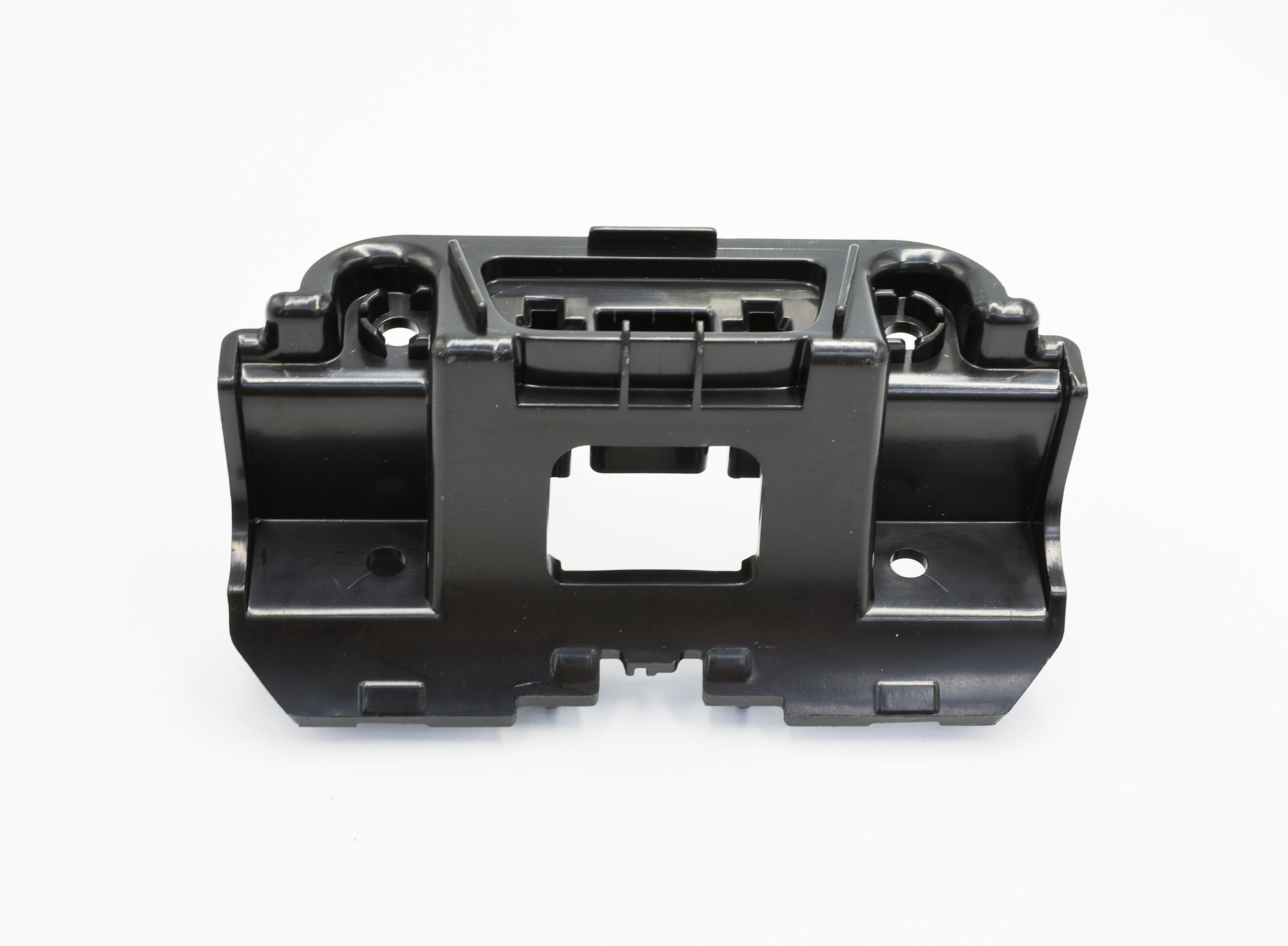
PP injection moulding represents a cornerstone manufacturing process that transforms polypropylene plastic pellets into precise, durable components through controlled heating and pressure application. This sophisticated technique involves melting polypropylene resin in a heated barrel, then injecting the molten material into custom-designed molds under high pressure. The pp injection moulding process delivers exceptional versatility, enabling manufacturers to create complex geometries with remarkable accuracy and consistency. The technology operates through a cyclical process where plastic pellets feed into a heating chamber, melt at controlled temperatures, and inject into closed molds that define the final product shape. Once cooled and solidified, the finished parts eject from the molds, ready for immediate use or secondary processing. The main functions of pp injection moulding include mass production of identical components, creation of intricate designs with tight tolerances, and integration of multiple features within single molded parts. Technological features encompass precise temperature control systems, hydraulic or electric injection mechanisms, computer-controlled timing sequences, and advanced cooling systems that ensure consistent quality. The process accommodates wall thickness variations, incorporates inserts during molding, and supports multi-cavity production for enhanced efficiency. Applications span automotive components like dashboards and bumpers, consumer goods including containers and housewares, medical devices requiring biocompatibility, packaging solutions for food and pharmaceuticals, and industrial parts demanding chemical resistance. The pp injection moulding technique proves particularly valuable for creating lightweight yet strong components, offering excellent chemical resistance, superior impact strength, and remarkable dimensional stability. Modern systems integrate sophisticated monitoring technologies that track pressure, temperature, and cycle times, ensuring optimal production parameters and minimizing waste. This manufacturing method continues evolving with enhanced automation, improved energy efficiency, and advanced material formulations that expand application possibilities across diverse industries seeking reliable, cost-effective production solutions.

Popular Products

The pp injection moulding process delivers numerous compelling advantages that make it the preferred choice for manufacturers seeking efficient, reliable production solutions. Cost effectiveness stands as the primary benefit, as this manufacturing method enables high-volume production with minimal labor requirements, significantly reducing per-unit costs compared to alternative manufacturing techniques. The automated nature of pp injection moulding eliminates manual handling during production cycles, reducing labor expenses while maintaining consistent output quality. Material efficiency represents another significant advantage, as the process generates minimal waste through precise material metering and recycling capabilities for runner systems and defective parts. Manufacturers benefit from shortened production cycles, with modern pp injection moulding systems completing complex parts in seconds rather than minutes required by other methods. Design flexibility offers exceptional value, allowing engineers to incorporate intricate features, varying wall thicknesses, and complex geometries that would prove challenging or impossible with traditional manufacturing approaches. The pp injection moulding process accommodates rapid design modifications through mold adjustments, enabling quick responses to market demands and customer specifications. Quality consistency emerges as a critical advantage, with computer-controlled systems maintaining precise temperature, pressure, and timing parameters that ensure identical parts throughout production runs. This reliability reduces quality control costs and minimizes customer complaints while building brand reputation for consistent performance. Surface finish excellence comes naturally with pp injection moulding, producing smooth, professional appearances that often eliminate secondary finishing operations. The process supports various surface textures and patterns directly in the mold, adding aesthetic value without additional processing steps. Scalability provides strategic advantages, as production volumes can increase or decrease based on demand without significant equipment changes or setup costs. The pp injection moulding method accommodates prototype development through small-scale production, then seamlessly transitions to high-volume manufacturing using the same molds and processes. Environmental benefits include reduced energy consumption compared to alternative manufacturing methods, minimal material waste through efficient recycling programs, and the ability to incorporate recycled polypropylene content without compromising part quality. These advantages combine to create compelling value propositions that attract manufacturers across industries seeking reliable, cost-effective production solutions that maintain high quality standards while supporting sustainable manufacturing practices.

Practical Tips

How To Determine The Chemical Stability Of Materials

10

Mar

How To Determine The Chemical Stability Of Materials

View More
Automotive Armrest Slide Rail Production Factory: The Cradle of Quality and Innovation

10

Mar

Automotive Armrest Slide Rail Production Factory: The Cradle of Quality and Innovation

View More

Get a Free Quote

Our representative will contact you soon.
Email
Mobile/WhatsApp
Name
Company Name
Message
0/1000

pp injection moulding

Superior Material Properties and Performance

Superior Material Properties and Performance

PP injection moulding delivers exceptional material properties that make it indispensable for demanding applications across multiple industries. Polypropylene's inherent characteristics, enhanced through the injection molding process, create components with outstanding chemical resistance that withstand exposure to acids, bases, and organic solvents without degradation. This chemical inertness makes pp injection moulding ideal for automotive fuel systems, chemical processing equipment, and medical devices where material compatibility is critical. The thermal stability of polypropylene allows molded parts to maintain structural integrity across temperature ranges from -20°C to 100°C, making them suitable for both refrigerated storage applications and heated environments. Impact resistance represents another crucial advantage, as pp injection moulding produces parts that absorb energy without cracking or breaking, essential for automotive bumpers, sports equipment, and protective housings. The lightweight nature of polypropylene, combined with structural strength achieved through optimized wall thickness design, creates components that reduce overall product weight while maintaining durability. Fatigue resistance ensures long-term performance under repeated stress cycles, making pp injection moulding perfect for hinges, clips, and mechanical components subject to continuous operation. The material's excellent electrical insulation properties support electronic applications requiring non-conductive components that prevent electrical interference. UV stability, enhanced through additive incorporation during the pp injection moulding process, protects outdoor applications from solar degradation and color fading. Moisture resistance prevents water absorption that could compromise dimensional stability or create bacterial growth in medical applications. The non-toxic nature of polypropylene makes it FDA-approved for food contact applications, supporting packaging and kitchen appliance manufacturing. Flexibility characteristics allow thin-walled sections to bend without breaking, enabling innovative design solutions for consumer products. These superior material properties, optimized through precise pp injection moulding parameters, deliver consistent performance that meets stringent industry requirements while providing cost-effective solutions for manufacturers seeking reliable component production with predictable long-term behavior and minimal maintenance requirements.
Precision Manufacturing and Design Versatility

Precision Manufacturing and Design Versatility

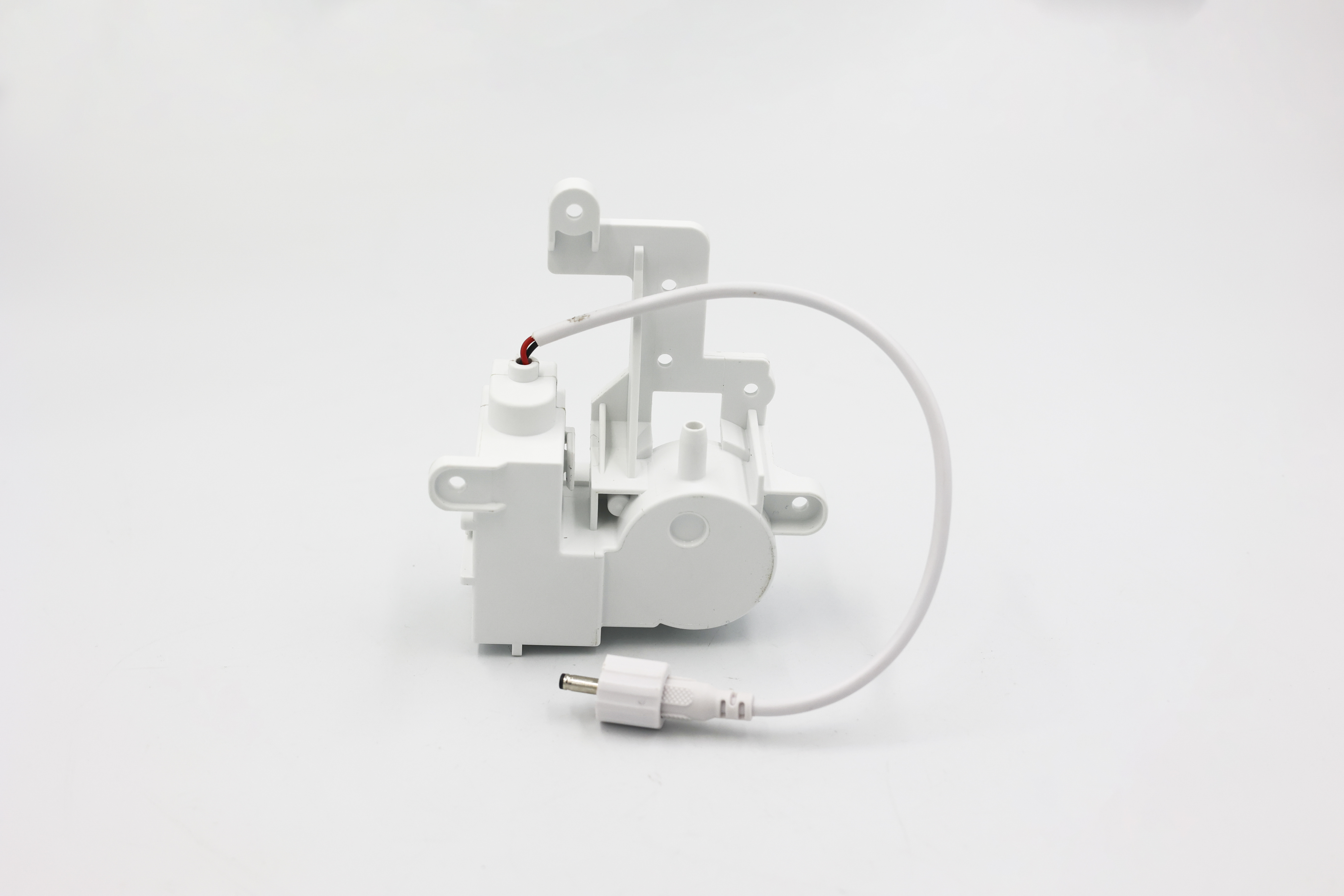
The precision capabilities of pp injection moulding enable manufacturers to achieve tolerances as tight as ±0.1mm while maintaining consistent quality across millions of production cycles. This exceptional accuracy results from computer-controlled injection parameters that monitor and adjust pressure, temperature, and flow rates in real-time, ensuring optimal filling of complex mold cavities. The pp injection moulding process accommodates intricate geometries including undercuts, threads, snap-fit features, and thin-walled sections that would challenge other manufacturing methods. Multi-cavity molds enable simultaneous production of multiple identical parts, dramatically increasing efficiency while maintaining dimensional consistency across all cavities. Insert molding capabilities allow integration of metal components, electronic elements, or other materials during the pp injection moulding process, creating hybrid assemblies that eliminate secondary assembly operations. The technology supports varying wall thicknesses within single parts, enabling structural optimization that places material only where needed for strength while minimizing weight and material consumption. Complex internal channels and cooling passages can be incorporated directly during molding, supporting applications like automotive cooling systems and heat exchangers. Surface texturing options range from high-gloss finishes to complex patterns, leather grains, or wood textures applied directly during the pp injection moulding process without secondary operations. Color integration through material compounding or in-mold decoration eliminates painting requirements while ensuring consistent color throughout part thickness. The process accommodates transparent, translucent, and opaque materials with various additive packages for specific performance requirements. Rapid prototyping capabilities allow quick evaluation of design concepts before committing to high-volume production tooling. Tool modifications support design iterations and product improvements without complete mold replacement. The pp injection moulding method enables integration of multiple functions within single parts, reducing assembly complexity and potential failure points. Micro-molding capabilities produce extremely small components with features measured in microns, supporting medical device miniaturization and electronic component manufacturing. These precision manufacturing capabilities make pp injection moulding the preferred choice for industries demanding exact specifications, complex designs, and consistent quality while maintaining cost-effectiveness in high-volume production environments.
Economic Efficiency and Production Scalability

Economic Efficiency and Production Scalability

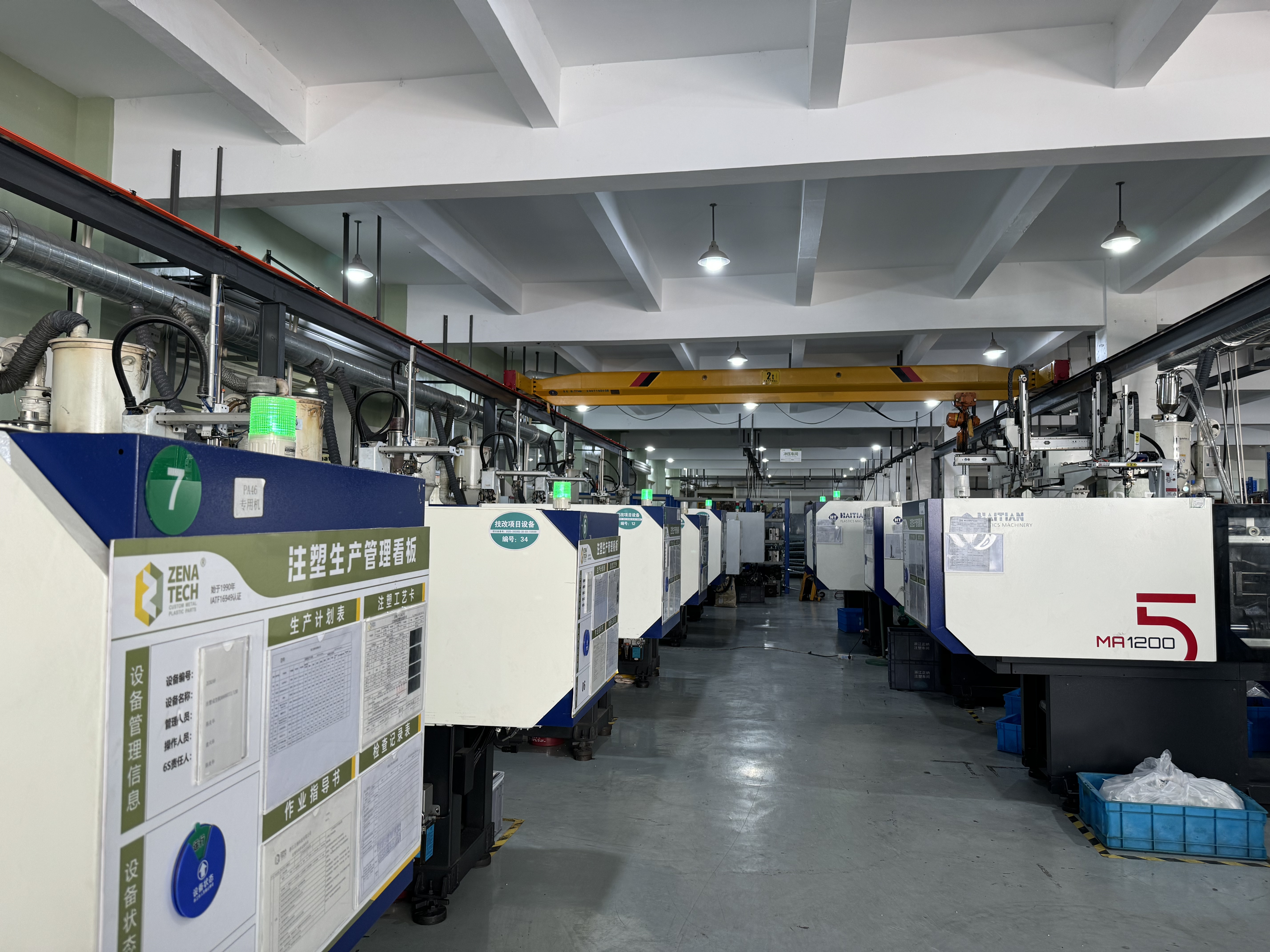
PP injection moulding provides unmatched economic efficiency through optimized production cycles, minimal labor requirements, and exceptional material utilization that significantly reduces manufacturing costs per unit. The automated nature of modern pp injection moulding systems enables 24/7 operation with minimal supervision, maximizing equipment utilization while reducing labor costs compared to manual manufacturing processes. Cycle times ranging from 15 seconds to several minutes allow rapid production of complex parts, with high-cavitation molds producing multiple components simultaneously to further enhance throughput. The pp injection moulding process achieves material utilization rates exceeding 95%, with runner systems and rejected parts recyclable back into production, minimizing waste disposal costs and supporting environmental sustainability goals. Energy efficiency improvements in modern injection molding machines reduce power consumption through servo-driven systems, precise heating controls, and optimized cooling cycles that lower operational costs. Tooling investments, while requiring initial capital expenditure, provide long-term value through production of millions of parts from single mold sets, dramatically reducing per-unit tooling costs in high-volume applications. The scalability of pp injection moulding allows manufacturers to start with single-cavity molds for product development, then transition to multi-cavity production as demand increases, optimizing capital investment timing. Quick mold changes enable production flexibility, allowing manufacturers to produce different parts using the same equipment, maximizing asset utilization and reducing facility requirements. Predictable production scheduling results from consistent cycle times and high equipment reliability, enabling accurate delivery commitments and inventory planning that reduce working capital requirements. Quality consistency eliminates costly rework, returns, and warranty claims while building customer confidence that supports premium pricing strategies. The pp injection moulding process integrates easily with automated handling systems, robotic part removal, and in-line quality inspection, further reducing labor costs while improving production reliability. Secondary operation elimination through integrated features reduces handling costs, inventory requirements, and potential quality issues associated with assembly processes. These economic advantages make pp injection moulding attractive for startups seeking cost-effective market entry and established manufacturers looking to improve profitability through process optimization, supporting business growth across diverse market segments while maintaining competitive pricing strategies that drive market share expansion.

Get a Free Quote

Our representative will contact you soon.
Email
Mobile/WhatsApp
Name
Company Name
Message
0/1000