Premium Precision Plastic Injection Molding Services - Advanced Manufacturing Solutions

All Categories

Get a Free Quote

Our representative will contact you soon.
Email
Mobile/WhatsApp
Name
Company Name
Message
0/1000

precision plastic injection molding

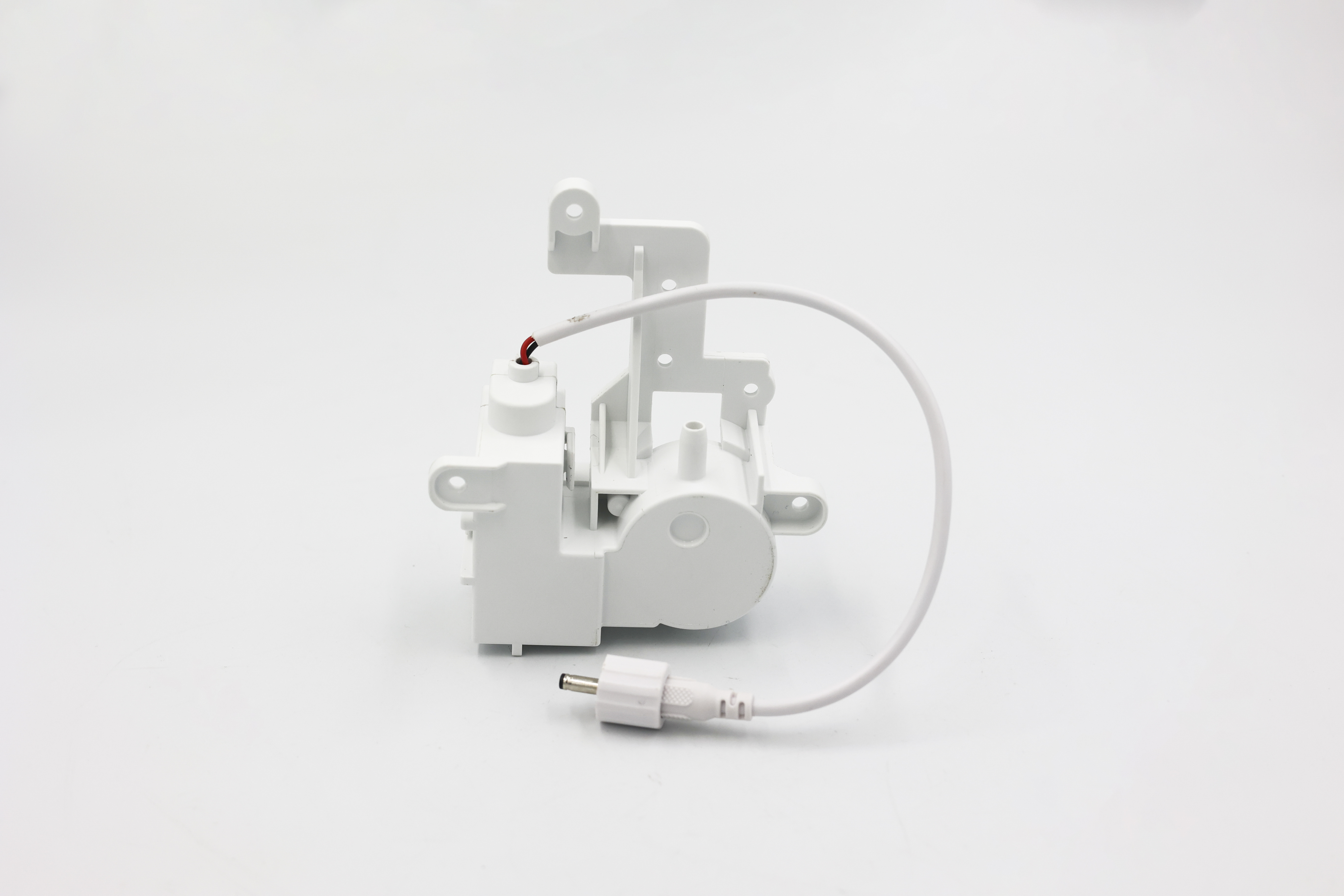
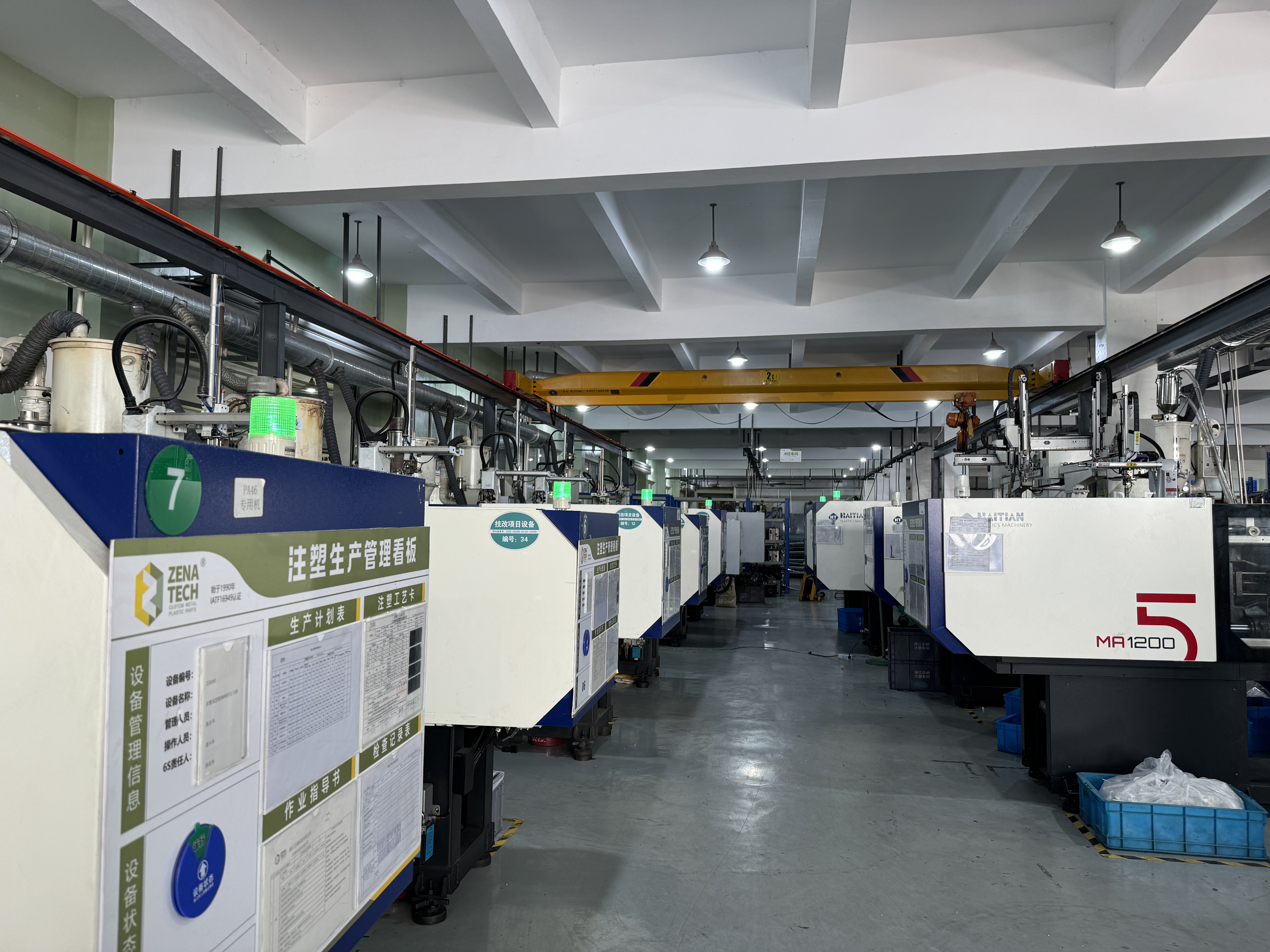
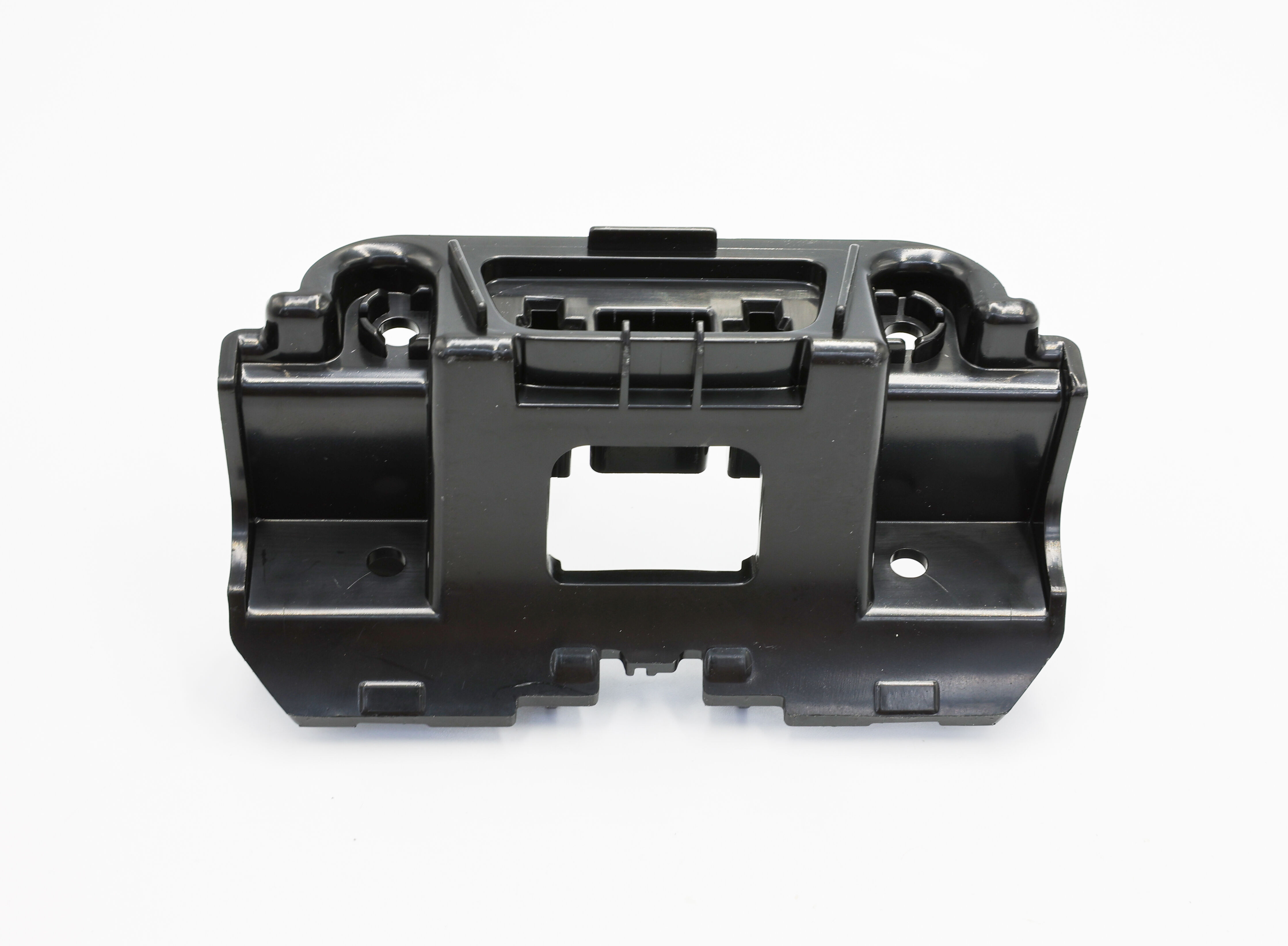
Precision plastic injection molding represents a sophisticated manufacturing process that creates highly accurate plastic components with exceptional dimensional control and surface quality. This advanced technique involves injecting molten plastic material into precisely engineered molds under controlled temperature and pressure conditions, resulting in parts that meet stringent tolerance requirements typically within ±0.001 inches. The main functions of precision plastic injection molding encompass producing complex geometries with intricate details, achieving consistent wall thickness throughout components, and maintaining superior surface finishes that often eliminate secondary machining operations. The technological features of this process include computer-controlled injection parameters, specialized mold design with advanced cooling systems, and real-time monitoring capabilities that ensure consistent quality across production runs. Modern precision plastic injection molding utilizes sophisticated hot runner systems, multi-cavity molds, and automated quality control systems that monitor temperature, pressure, and cycle times throughout the manufacturing process. The applications for precision plastic injection molding span numerous industries including medical devices, automotive components, electronics housings, optical lenses, and consumer products requiring tight tolerances. In the medical field, this process produces surgical instruments, diagnostic equipment components, and implantable device parts that must meet FDA regulations. Automotive applications include precision sensors, electrical connectors, and dashboard components that require exact fitment and durability. Electronics manufacturers rely on precision plastic injection molding for creating smartphone cases, computer components, and circuit board housings that protect sensitive internal components. The process accommodates various engineering plastics including ABS, polycarbonate, nylon, and specialized materials with enhanced properties such as flame resistance or chemical compatibility. Advanced precision plastic injection molding facilities employ cleanroom environments, statistical process control, and comprehensive documentation systems to ensure traceability and quality assurance throughout the manufacturing cycle.
New Products

Precision plastic injection molding delivers remarkable benefits that transform manufacturing efficiency and product quality across diverse industries. The primary advantage lies in achieving exceptional dimensional accuracy, allowing manufacturers to produce components with tolerances as tight as ±0.0005 inches consistently across thousands of parts. This level of precision eliminates costly secondary machining operations and reduces assembly time significantly. Cost-effectiveness emerges as another major benefit, particularly for high-volume production runs where the initial tooling investment distributes across large quantities, resulting in dramatically reduced per-part costs compared to traditional manufacturing methods. The process enables rapid production cycles, with cycle times often ranging from 15 to 60 seconds per part, depending on component complexity and size. This speed advantage allows manufacturers to meet tight delivery schedules and respond quickly to market demands. Material versatility stands out as a crucial advantage, accommodating hundreds of different plastic resins with varying properties including strength, flexibility, temperature resistance, and chemical compatibility. Engineers can select optimal materials for specific applications, whether requiring food-grade safety, medical biocompatibility, or extreme environmental resistance. Design flexibility represents another significant benefit, enabling the creation of complex geometries, undercuts, threads, and intricate surface textures that would be impossible or extremely expensive to achieve through other manufacturing processes. The process supports thin-wall sections, multiple colors through overmolding techniques, and integrated assembly features that reduce part count and assembly costs. Quality consistency ranks among the most valued advantages, with computer-controlled systems maintaining identical processing conditions for each cycle, resulting in parts with uniform properties and appearance. This consistency reduces quality control costs and minimizes rejection rates. Environmental benefits include minimal material waste through optimized runner systems and the ability to incorporate recycled content into many applications. The closed-loop process generates less scrap compared to subtractive manufacturing methods. Scalability advantages allow easy transition from prototype to full production using the same tooling, with the flexibility to adjust production volumes based on demand fluctuations. Surface finish quality achieves exceptional results directly from the mold, often eliminating painting or texturing operations while providing consistent appearance across all produced parts.

Practical Tips

Automotive Armrest Slide Rail Production Factory: The Cradle of Quality and Innovation

10

Mar

Automotive Armrest Slide Rail Production Factory: The Cradle of Quality and Innovation

View More
How To Choose Appropriate Automotive Parts According To Testing Standards

10

Mar

How To Choose Appropriate Automotive Parts According To Testing Standards

View More
Testing Standards For Corrosion Resistance Of Automotive Parts

10

Mar

Testing Standards For Corrosion Resistance Of Automotive Parts

View More

Get a Free Quote

Our representative will contact you soon.
Email
Mobile/WhatsApp
Name
Company Name
Message
0/1000

precision plastic injection molding

Unmatched Dimensional Accuracy and Repeatability

Unmatched Dimensional Accuracy and Repeatability

Precision plastic injection molding sets the industry standard for dimensional accuracy, consistently achieving tolerances within ±0.001 inches across millions of production cycles. This exceptional precision stems from computer-controlled injection systems that monitor and adjust temperature, pressure, and flow rates in real-time, ensuring identical conditions for every molded part. The sophisticated mold construction features hardened steel cavities machined to exacting specifications using advanced CNC equipment and electrical discharge machining techniques. Temperature control systems maintain uniform heat distribution throughout the mold, preventing dimensional variations caused by thermal expansion or uneven cooling. The precision extends beyond basic dimensions to include critical features such as wall thickness uniformity, which typically maintains variations within ±0.002 inches across complex geometries. This level of control proves essential for applications requiring precise fitment, such as medical device components, optical lenses, and electronic housings where even microscopic deviations can compromise functionality. Statistical process control systems continuously monitor key parameters and automatically adjust processing conditions to maintain dimensional stability throughout extended production runs. The repeatability factor ensures that the first part produced matches the millionth part within specified tolerances, providing manufacturers with confidence in product consistency and performance. Advanced mold designs incorporate features such as precision ejector systems, controlled venting, and optimized gate locations that minimize stress concentrations and dimensional distortion. The combination of high-precision tooling, controlled processing conditions, and automated quality monitoring creates a manufacturing environment where dimensional accuracy becomes a predictable and reliable outcome rather than a variable to be managed.
Superior Material Properties and Performance

Superior Material Properties and Performance

The precision plastic injection molding process optimizes material properties through controlled processing conditions that enhance the inherent characteristics of engineering plastics while maintaining consistency across all produced components. The rapid injection and controlled cooling cycles create optimal molecular orientation within the plastic structure, resulting in improved mechanical properties including enhanced tensile strength, impact resistance, and dimensional stability. Temperature control throughout the process prevents material degradation that can occur with excessive heat exposure, preserving the original resin properties and ensuring long-term performance reliability. The uniform pressure distribution during injection eliminates voids, sink marks, and internal stresses that can compromise structural integrity and appearance quality. Specialized compounding techniques allow for the incorporation of reinforcing fibers, flame retardants, UV stabilizers, and other additives that enhance specific performance characteristics without sacrificing processability. The precision process accommodates advanced materials including liquid crystal polymers, polyetheretherketone, and medical-grade resins that require exact processing parameters to achieve optimal properties. Controlled injection speeds and pressure profiles prevent shear-induced degradation while ensuring complete cavity filling and proper consolidation. The resulting parts exhibit superior surface quality with consistent gloss levels, color matching, and texture reproduction that meets demanding aesthetic requirements. Gate design optimization minimizes flow marks and weld lines while ensuring proper material flow patterns that enhance structural integrity. Post-molding dimensional stability proves exceptional due to controlled cooling rates and stress relief achieved through optimized processing parameters. The combination of material science expertise and precision processing control creates components that consistently exceed performance expectations while maintaining cost-effectiveness for high-volume production applications.
Comprehensive Design Flexibility and Innovation Capability

Comprehensive Design Flexibility and Innovation Capability

Precision plastic injection molding unlocks unprecedented design freedom, enabling engineers to create complex geometries and innovative features that would be impossible or economically unfeasible using traditional manufacturing methods. The process accommodates intricate internal passages, undercuts, threads, and multi-level surfaces within a single molded component, eliminating assembly operations and reducing overall part count. Advanced mold technologies including side actions, collapsible cores, and multi-shot capabilities expand design possibilities to include complex mechanical assemblies, integrated sealing systems, and multi-material components with varying properties throughout the structure. The ability to mold extremely thin wall sections, often as thin as 0.020 inches, while maintaining structural integrity opens opportunities for lightweight designs that conserve material and reduce product weight without compromising performance. Surface texturing capabilities range from high-gloss mirror finishes to complex patterns and functional textures that enhance grip, reduce friction, or provide specific optical properties directly during the molding process. Color integration through masterbatch systems or multiple material injection enables the creation of aesthetically appealing products without secondary decorating operations. The process supports various gating options including hot runner systems, valve gates, and sequential injection techniques that optimize material flow, minimize cosmetic defects, and enable the production of large, complex parts with uniform properties. Prototyping capabilities using soft tooling or 3D-printed molds allow rapid design iteration and validation before committing to production tooling. Insert molding capabilities enable the integration of metal components, electronic elements, or other materials directly into the plastic structure, creating hybrid assemblies with enhanced functionality. The scalability from prototype to production using identical processing parameters ensures that design validation during development accurately represents final production performance, reducing time-to-market and development costs significantly.

Get a Free Quote

Our representative will contact you soon.
Email
Mobile/WhatsApp
Name
Company Name
Message
0/1000