PP Injection Molding: Complete Guide to Polypropylene Manufacturing Process, Benefits & Applications

All Categories

Get a Free Quote

Our representative will contact you soon.
Email
Mobile/WhatsApp
Name
Company Name
Message
0/1000

pp injection molding

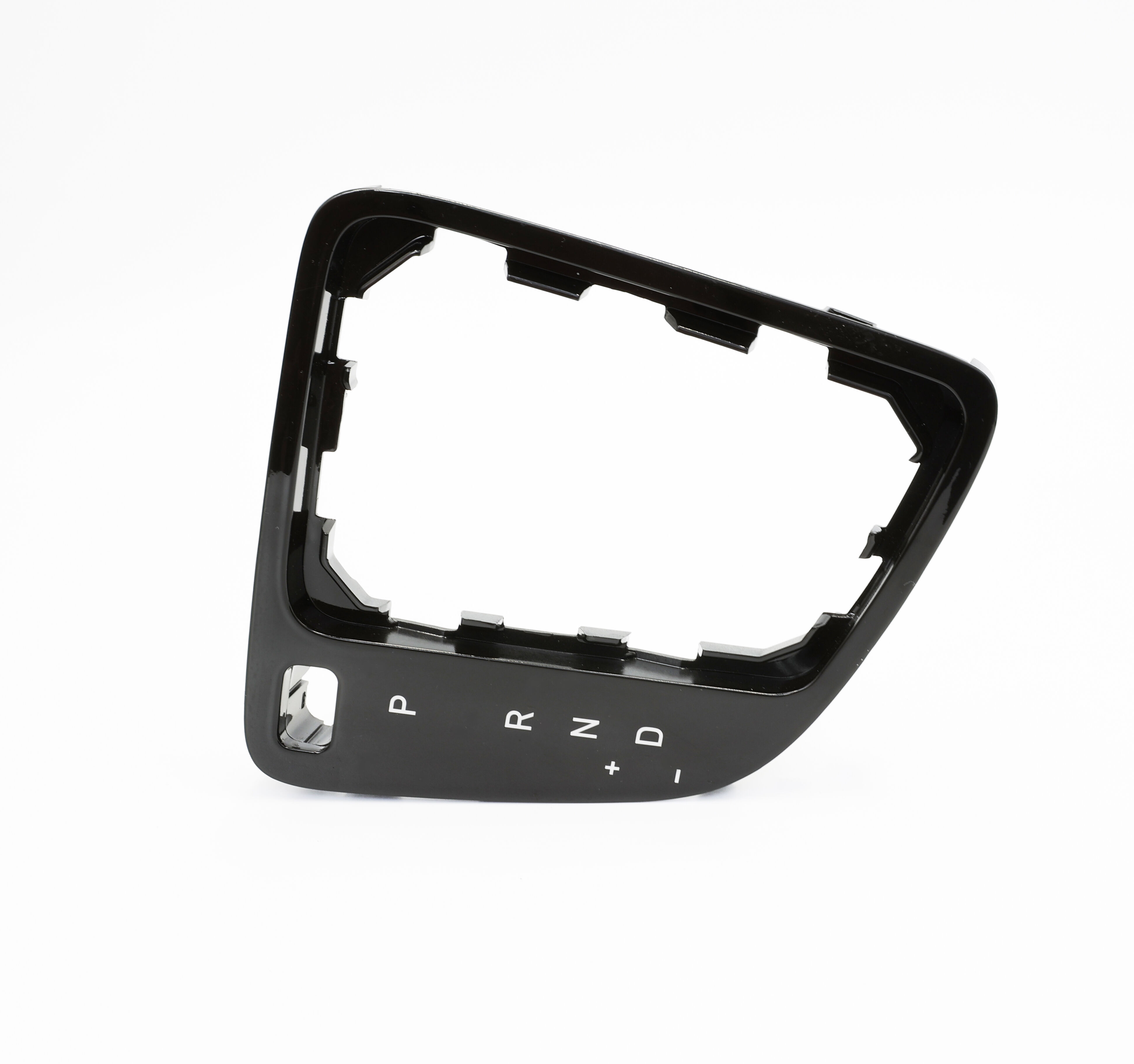
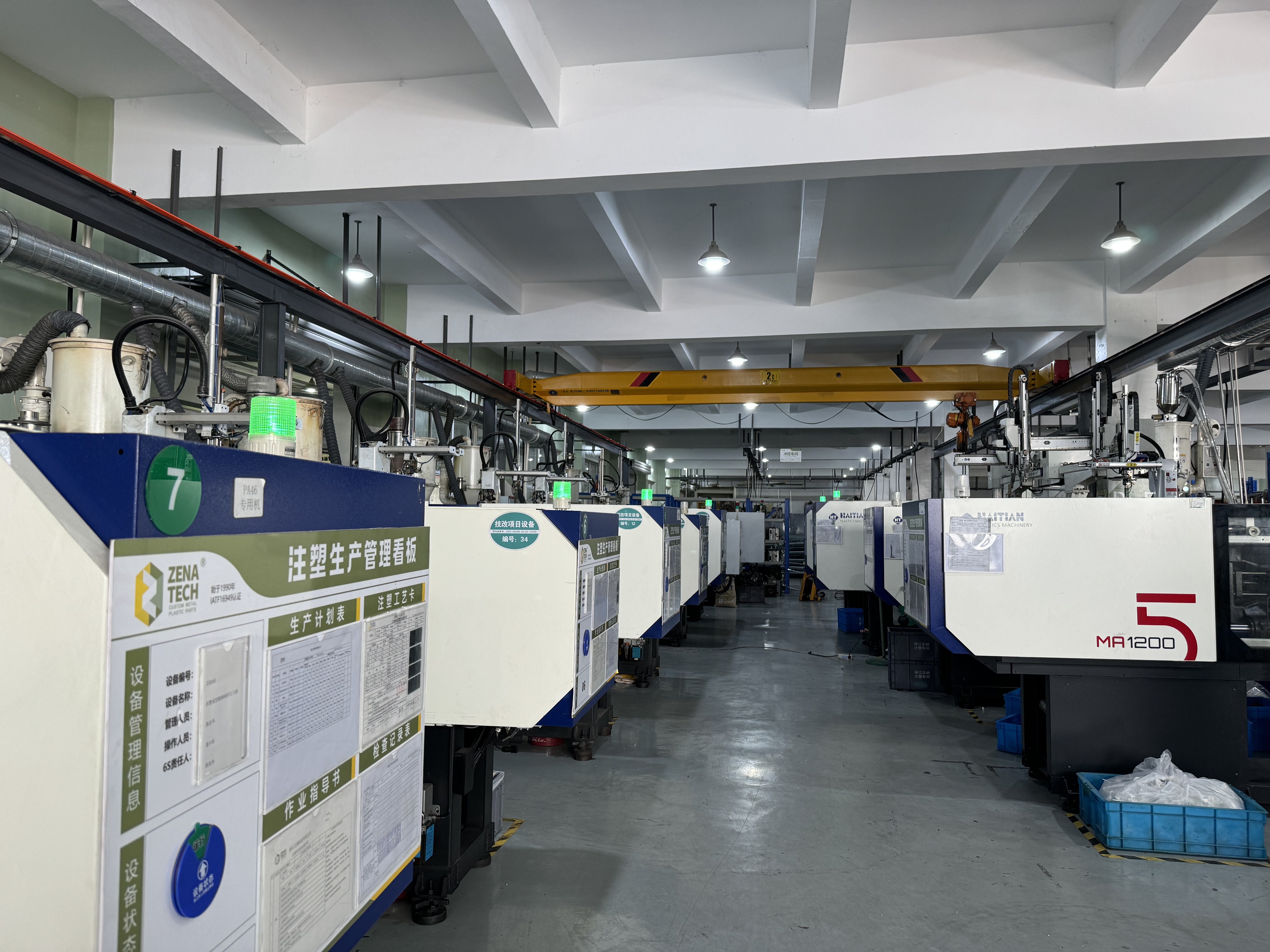
PP injection molding represents a cornerstone manufacturing process that transforms polypropylene plastic into countless products we use daily. This versatile technique involves heating polypropylene pellets until they reach a molten state, then injecting this liquid plastic under high pressure into precisely designed molds. The process creates products with exceptional dimensional accuracy and consistent quality across large production runs. The main functions of pp injection molding encompass rapid production cycles, intricate part geometry creation, and cost-effective mass manufacturing. Modern pp injection molding systems utilize computer-controlled parameters to monitor temperature, pressure, and injection speed throughout each cycle. This technological precision ensures optimal material flow, reduces waste, and maintains product consistency. The process begins with material preparation, where polypropylene pellets are dried and fed into heated barrels. Reciprocating screws mix and melt the material while building injection pressure. Once the mold closes, the molten pp material flows through runners and gates into cavity spaces that define the final product shape. Cooling systems within the mold solidify the plastic rapidly, enabling quick cycle times. Technological features of pp injection molding include multi-cavity tooling capabilities, automated part ejection systems, and real-time quality monitoring. Advanced machines offer servo-driven controls that optimize energy consumption while maintaining precise parameter control. Hot runner systems eliminate material waste by keeping plastic channels molten throughout production cycles. Applications span automotive components like bumpers and interior panels, consumer goods including food containers and household items, medical devices requiring biocompatible materials, and industrial parts demanding chemical resistance. The versatility of pp injection molding makes it indispensable across industries requiring durable, lightweight, and cost-effective plastic components with complex geometries and tight tolerances.
New Product Recommendations

PP injection molding delivers remarkable cost efficiency that transforms manufacturing economics for businesses of all sizes. Companies achieve substantial savings through reduced labor costs since automated systems handle most production tasks without constant human intervention. The process eliminates secondary finishing operations in most cases, as parts emerge from molds ready for immediate use or assembly. Material waste drops significantly compared to other manufacturing methods because pp injection molding uses only the exact amount of plastic needed for each part. Recycling capabilities further enhance cost benefits, as runners and defective parts can be reground and reused in future production cycles. Speed advantages make pp injection molding exceptionally attractive for high-volume manufacturing requirements. Modern machines complete injection cycles in seconds rather than minutes, enabling production of thousands of parts per day. This rapid throughput helps manufacturers meet tight delivery schedules and respond quickly to market demands. The automated nature of pp injection molding ensures consistent production rates without fatigue-related slowdowns common in manual processes. Quality consistency represents another major advantage that builds customer confidence and reduces warranty costs. Each molded part exhibits identical dimensions, surface finish, and material properties because the process parameters remain constant throughout production runs. Computer-controlled systems monitor critical variables and make automatic adjustments to maintain quality standards. This reliability eliminates the variation typical in hand-crafted or semi-automated manufacturing processes. Design flexibility empowers engineers to create complex geometries that would be impossible or prohibitively expensive using traditional manufacturing methods. PP injection molding accommodates intricate internal features, varying wall thicknesses, integrated hinges, and multiple colors in single parts. This capability reduces assembly requirements and part counts in finished products. Tooling modifications allow design updates without completely rebuilding manufacturing systems. Durability benefits make pp injection molding ideal for products requiring long service lives in challenging environments. The process creates parts with uniform molecular structure and consistent material properties throughout their cross-sections. Chemical resistance, temperature stability, and mechanical strength meet or exceed specifications for demanding applications. Environmental advantages include reduced energy consumption per part compared to machining operations and the recyclability of both finished products and production waste.

Practical Tips

How To Determine The Chemical Stability Of Materials

10

Mar

How To Determine The Chemical Stability Of Materials

View More
Automotive Armrest Slide Rail Production Factory: The Cradle of Quality and Innovation

10

Mar

Automotive Armrest Slide Rail Production Factory: The Cradle of Quality and Innovation

View More
How To Choose Appropriate Automotive Parts According To Testing Standards

10

Mar

How To Choose Appropriate Automotive Parts According To Testing Standards

View More

Get a Free Quote

Our representative will contact you soon.
Email
Mobile/WhatsApp
Name
Company Name
Message
0/1000

pp injection molding

Superior Material Properties and Versatility

Superior Material Properties and Versatility

PP injection molding creates products with exceptional material characteristics that outperform many alternative manufacturing processes. The controlled heating and cooling cycles inherent in pp injection molding develop optimal molecular alignment within the polypropylene structure, resulting in enhanced mechanical properties including impact resistance, tensile strength, and fatigue life. This molecular optimization occurs because the injection process forces polymer chains to align in predictable patterns, creating parts with consistent strength characteristics throughout their geometry. Temperature resistance represents a crucial advantage of pp injection molding, as properly processed parts maintain structural integrity across wide temperature ranges from sub-zero conditions to elevated heat environments. This thermal stability makes pp injection molded components ideal for automotive applications where parts must withstand engine compartment heat and winter cold extremes. Chemical resistance provides another significant benefit, as pp injection molding produces parts that resist degradation from acids, bases, solvents, and cleaning chemicals commonly encountered in industrial and consumer applications. The process flexibility of pp injection molding accommodates various polypropylene grades, from standard homopolymers to specialized copolymers with enhanced properties. Material suppliers offer polypropylene formulations with specific characteristics such as enhanced UV resistance, improved low-temperature performance, increased stiffness, or specialized colors. This variety enables manufacturers to optimize material selection for specific application requirements without changing production equipment or processes. Surface finish capabilities of pp injection molding range from high-gloss mirror finishes to textured surfaces that hide fingerprints or provide grip enhancement. Mold surface treatments transfer directly to molded parts, eliminating secondary finishing operations while achieving professional appearance standards. The process also accommodates various decorative techniques including in-mold labeling, multi-color injection, and overmolding different materials onto pp injection molded base components. These capabilities reduce assembly time and improve product aesthetics while maintaining the cost advantages of automated production.
Exceptional Production Efficiency and Scalability

Exceptional Production Efficiency and Scalability

PP injection molding delivers unmatched production efficiency through rapid cycle times and automated processing that maximizes output while minimizing labor requirements. Modern pp injection molding machines complete full cycles from material injection through part ejection in remarkably short timeframes, often under 30 seconds for typical components. This speed advantage stems from optimized heating systems that reach precise temperatures quickly, high-pressure injection capabilities that fill complex molds rapidly, and efficient cooling systems that solidify parts without unnecessary delays. The automated nature of pp injection molding eliminates many manual handling steps required in other manufacturing processes, reducing labor costs and improving consistency. Robotic systems can handle part removal, quality inspection, and packaging operations without human intervention, creating lights-out manufacturing capabilities for extended production runs. This automation also improves workplace safety by reducing worker exposure to hot materials and moving machinery. Scalability represents a fundamental strength of pp injection molding, as production volumes can be adjusted easily to match demand fluctuations. Single-cavity molds support prototype development and low-volume specialty products, while multi-cavity tooling enables high-volume production of identical parts. Family molds allow simultaneous production of different but related components, optimizing machine utilization for complex assemblies. The process accommodates production scaling from hundreds to millions of parts annually without fundamental changes to manufacturing approaches. Energy efficiency in modern pp injection molding systems reduces operating costs while supporting environmental sustainability goals. Servo-driven machines consume energy only when performing specific operations, unlike hydraulic systems that maintain constant pressure. All-electric machines further improve efficiency while providing precise control over injection parameters. Waste reduction capabilities of pp injection molding contribute significantly to production efficiency and cost control. Hot runner systems eliminate material waste in feed channels, while precise shot control minimizes flash and overflow. Defective parts and production waste can be reground and recycled back into production, reducing material costs and environmental impact.
Advanced Quality Control and Precision Manufacturing

Advanced Quality Control and Precision Manufacturing

PP injection molding achieves exceptional quality control through sophisticated monitoring systems and precision manufacturing capabilities that ensure consistent results across large production volumes. Real-time process monitoring integrated into modern pp injection molding equipment tracks critical parameters including melt temperature, injection pressure, cavity fill time, and cooling duration throughout each production cycle. These systems automatically adjust process variables to maintain optimal conditions and alert operators to potential quality issues before they result in defective parts. Statistical process control capabilities built into pp injection molding systems collect and analyze production data to identify trends and prevent quality drift over time. This proactive approach to quality management reduces scrap rates and ensures that finished products consistently meet dimensional and performance specifications. Advanced sensor technologies monitor cavity pressure, material flow patterns, and part ejection forces to detect potential problems early in the production process. Dimensional precision achieved through pp injection molding surpasses many alternative manufacturing methods, with typical tolerances measured in thousandths of inches rather than hundredths. This accuracy results from rigid machine construction, precise mold manufacturing, and controlled processing conditions that eliminate variables affecting part dimensions. Temperature control systems maintain melt uniformity within narrow ranges, while pressure monitoring ensures complete cavity filling without overpacking that could cause dimensional distortion. Repeatability represents a cornerstone advantage of pp injection molding, as each part produced exhibits identical characteristics when proper process controls are maintained. This consistency eliminates the variation common in manual manufacturing processes and reduces the need for secondary operations like trimming or sizing. Quality documentation systems integrated with pp injection molding equipment provide traceability for critical applications, recording process parameters for each part or production lot. Surface quality achieved through pp injection molding meets demanding aesthetic and functional requirements without secondary finishing operations. Mold surface treatments transfer directly to molded parts, creating finishes ranging from optical clarity to specific textures required for grip or appearance. Gate design and placement minimize visible marks while ensuring proper material flow, maintaining part aesthetics throughout the geometry.

Get a Free Quote

Our representative will contact you soon.
Email
Mobile/WhatsApp
Name
Company Name
Message
0/1000