
 EN
EN
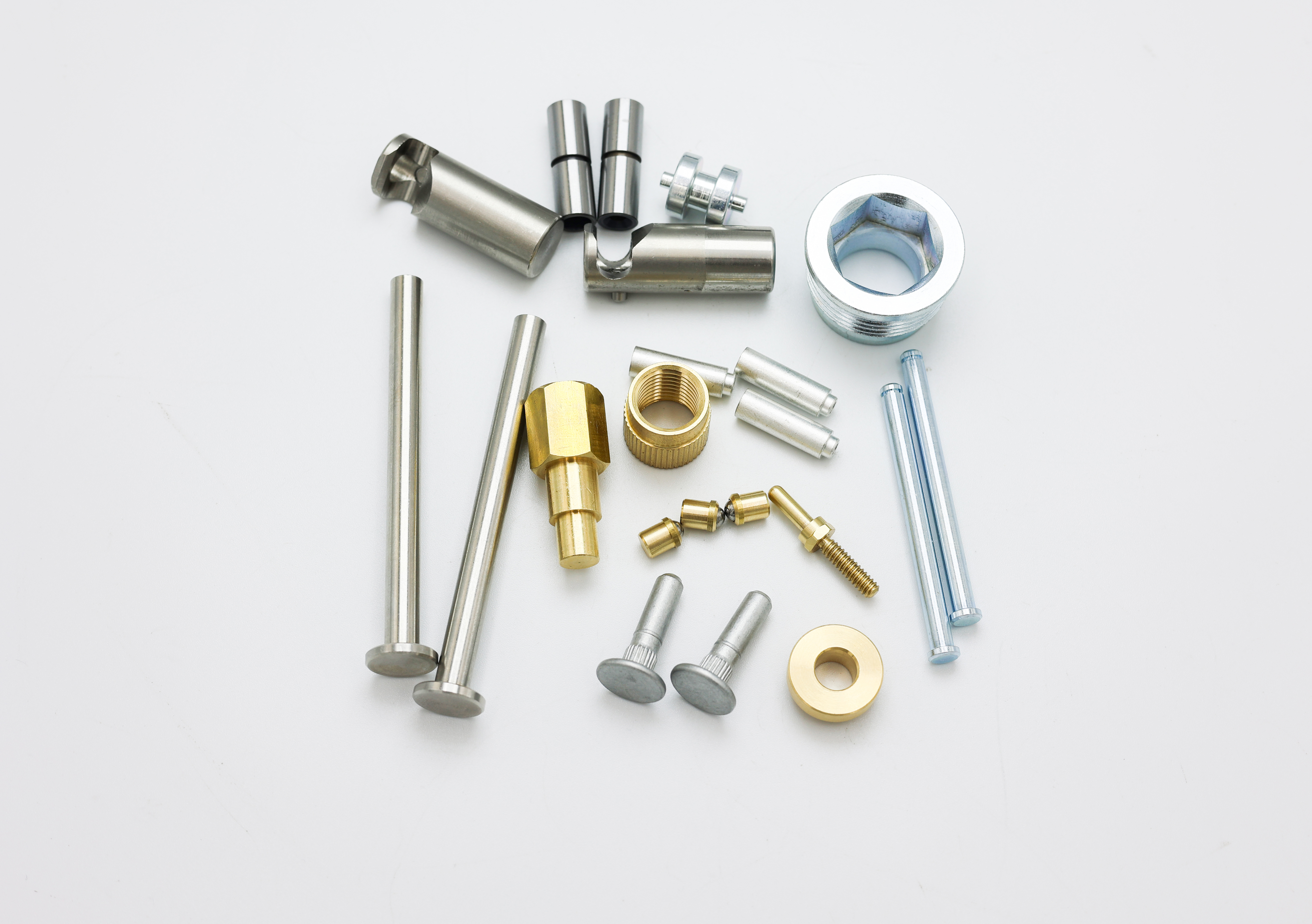
Revolutio vehiculorum electricorum fundamentum omnino mutavit postulationes fabbricationis automobilium, exigens praecisionem, efficaciam et normas qualitatis quae nullo modo a methodis tradicionalibus machinandi attingi possunt. Dum fabricatores EV contendunt ut vehicula levia, efficaciora et diuturniora offerant, praecipuum munus partium machinatarum ad altam velocitatem per CNC in omni productionis parte — ab arcis cellarum electricarum usque ad componentes infrastructurae ad refovetionem — magis magisque apparet.

Transitio ab ignitoribus internis ad trahentes electricos unicas difficultates fabricandi creavit quae solutiones machinandi provectas postulant, quae geometrias complexas producere possint cum accuratia ad micronem. Partes machinatae CNC altis velocitatibus fabricatoribus vehiculorum electricorum permittunt ut tolerantiis angustis, superficiebus praestantibus, et qualitate constante, quae ab applicationibus vehiculorum electricorum exigitur, satisfaciant, dum volumina productionis, quae ad commercialem viabilitatem in hoc mercatu celeriter crescente necessaria sunt, servantur.
Requisita Praecipua Performantiae quae Evolutio Fabricationis VE ducunt
Tolerantiae Praecisae pro Componentibus Vehiculorum Electricorum
Vehicula electrica sub condicionibus mechanicis et thermalibus notabiliter diversis a vehiculis tradicionalibus operantur, quae componentia exigit, quae ad tolerentias praecissimas fabricentur. Partes machinatae ad altam velocitatem per CNC praebent praecisionem necessariam ad systemata critica vehiculorum electricorum, inter quae sunt carceres motorum electricorum, qui perfectam alignmentem servare debent ut interferentia electromagnetica minuatur et efficentia maxima obtineatur. Tolerentiae per processus CNC ad altam velocitatem adeptae saepe attingunt ±0,005 mm aut meliora, ut optima functio per totum intervallum temperaturarum operationis vehiculi garantur.
Componentes fasciculi bateriarum alteram regionem repraesentant, ubi partes exsecutae per machinam CNC ad altam velocitatem essentiales sunt, quoniam systemata gestiones caloris canales refrigerationis et interfacies fixationis accurate exsecutas exigunt. Hi componentes suam stabilitatem dimensionalem sub cyclis extremis temperaturarum servare debent, dum tamen isolationem electricam fidam et protectionem mechanicam praebent. Etiam superficies praestantissimae, quas processus CNC ad altam velocitatem efficiunt, ad meliora characteristicas transmigrationis caloris et ad minuendos puncta potentialia defectus conferunt.
Componentibus infrastructurae replectionis, praesertim iis quae inveniuntur in partibus exsecutis per machinam CNC ad altam velocitatem pro terminalibus ad incensum, ad stringentes specificatas electricas et mechanicus necessariae sunt, ut operatio tuta et fidabilis sub oneribus altis currentis garantur. Facultates praecisionis in fabricando permittunt fabricantibus exactas geometrias contactuum adipisci, quae ad optimam conductibilitatem electricam requiruntur, dum caloris per resistentiam generatio minuitur, quae performance systematis vel securitatem laedere posset.
Compatibilitas Materialium et Difficultates Elaborationis
Sectio EV, quae in constructione levi insisteret, adoptionem latam materialium provexit, ut sunt legamina aluminium, composita ex fibra carbonis, et gradus speciales ferri, quae difficultates singulares in fabricando praebent. Partes machinatae CNC altis velocitatibus fabricantibus permittunt haec materialia efficaciter elaborare, parametris secandi et viis utensilium optimis utendo, quae generationem caloris et deformationem materialis minuunt, dum qualitas superior superficiei consequitur.
Componentes ex alluminio, praesertim qui in custodiis bateriarum et in inclosumotoribus utuntur, magnopere proficiunt ex processibus CNC altius velocitatis, quae tensionem a fabricando et effectus thermicos minuunt. Celeres rates ablationis materiae, quae per machinam altius velocitatis fieri possunt, calefactionem operis minimizant, impedientes mutationes dimensionales et quaestionem qualitatis superficiei, quae cum methodis fabricandi consuetis accidere possunt, dum materiae sensibiles ad calorem tractantur.
Alloea ferrum praecipua, quae in componentibus structurales EV et in systematibus tutelae utuntur, requirunt praecisum imperium virium secantium et temperaturarum, quod partes CNC altius velocitatis praebent. Haec materiae saepe proprietates indurentis operis ostendunt, quae cito acies instrumentorum secantium consuetorum hebetare possunt; sed parametri secantes optime dispositi, qui per systemata altius velocitatis obtineri possunt, permittunt tractationem constantem, dum vita instrumentorum et qualitas partium per totam productionem servatur.
Efficacia Productionis et Commoda Oeconomica
Tempora Cyclus Minuta et Fluxus Auctus
Pressio competitiva intra mercatum vehiculorum electricorum postulat processus fabricandi qui componentes altae qualitatis proferre possint ad volumina productionis quae metas expansionis mercati vehementer adiuvant. Partes per machinas CNC ad altam velocitatem elaboratae fabricatoribus permittunt ut tempora cycli magnopere minuantur comparatione ad methodos elaborandi consuetas, saepe tempus productionis pro componentibus complexis dimidium aut amplius reducentes, dum tamen normae qualitatis serventur vel emendentur.
Haec emolumenta efficacitatis maxime momenti fiunt cum componentes sarcinae batteriarum fabricantur, ubi unumquodque vehiculum fortasse decenas lamellarum refrigerationis, braciorum fixationis et punctorum connexionis electricarum exquisitissime elaboratarum requirat. Processus CNC ad altam velocitatem has partes in minima parte temporis producere possunt quod methodi tradicionales exigunt, ita ut fabricatores productionem celeriter augere possint ad petitionem mercati sine detrimento qualitatis aut praecisionis.
Fabricatio custodis motoris alterum est spatium ubi partes machinatae ad altam velocitatem praebent magnos praedictos fructus in efficacia, quoniam geometriae internae complexae, quae ad optimam operationem electromagneticam requiruntur, in unica positione machinantur potius quam per plures operationes. Haec coalescentia graduum fabricandi non solum tempus cycli minuit, sed etiam tollit fontes variationis dimensionalis quae possint effectum motoris vel efficaciam coniunctionis impedicare.
Vita Ustensilii et Optimo Pretio Operativo
Praedia oeconomica partium machinatarum ad altam velocitatem ultra simplicem reductionem temporis cycli extenduntur, ut etiam magnae emendationes in utilisatione ustensiliorum et in pretiis operativis totalibus includantur. Conditio optima incisionis, quae systematibus ad altam velocitatem permittitur, saepe longiorem vitam ustensilii efficit, licet velocitates incisionis augeantur, quoniam vires incisionis minores et evacuatio fragmentorum melior mechanismos attritionis ustensiliorum, qui operationes machinationis consuetas vexant, minuunt.
Generatio caloris factor criticus est in vita instrumenti, et partes machinariae CNC ad altas velocitates praestant in moderando conditionibus thermalibus per exactum controllem parametrorum secandi et efficaces systemata distributionis refrigerantis. Haec facultas moderandi calorem maxime importans fit cum componentes vehiculorum electricorum ex materiis ut leges titani aut composita provecta machinantur, quae ad difficultates machinationis ex calore subiectae sunt.
Exigentiae minores pro dispositione et facultas melior ad primam transitum systematum CNC ad altas velocitates etiam conferunt ad minuendos impensas operationales, per diminutionem proportionis materiae reiectae et per minuendum necessarium operationum secundariarum. Fabricantes vehiculorum electricorum ab his commodis pretiorum proficiunt dum conantur consequi pretia competitiva, simul dum magnas summas in vestigationem et evolutionem technologiarum generationis sequentis impendunt.
Custodia Qualitatis et Normae Fiduciae
Requirimenta de superficie expolita pro applicationibus vehiculorum electricorum
Componentes vehiculorum electricorum saepe in ambientibus operantur, ubi finitio superficiei directe influentiam habet in praestantia, durabilitate, et characteristicis tutelae. Partes machinatae CNC altis velocitatibus constanter praebent finitionem superficiei praestantiorem, quae frictionem minuit, resistentiam corrosioni meliorat, et speciem aestheticam augent, dum simul adstringentia norma qualitatis, quae ab applicationibus automotive exigitur, implent.
Componentes systematum refrigerationis bateriarum praesertim proficiunt ex excellenti finitione superficiei, quae per processus CNC altis velocitatibus obtineri potest, quoniam superficies internae leves fluxum fluidorum et transmutationem caloris optime promovent, dum amissio pressionis minuitur, quae efficaciam gestionis thermalis minuere posset. Minutio asperitatis superficiei etiam adiuat ut incrustatio et corrosio impediantur, quae per totam vitam operationalem vehiculi praestantiam systematis degradare possent.
Componentes connexionis electricae superficies postulant quae contactum electricum firmum praebent dum oxidationem et attritionem sub cyclis connexionis repetitis resistunt. Partes machinatae CNC altius velocitatis fabricantibus permittunt has qualitates superficiei constanter attingere, fidem longam infrastructurae ad replectionem et systematum electricorum vehiculorum expectatam a clientibus vehiculorum electricorum subiuvantes.
Stabilitas Dimensionalis et Repetibilitas
Requirimenta productionis in magnam copiam industriae vehiculorum electricorum processus fabricandi postulant quae milia componentium identicorum producere possint cum minima variatione dimensionum. Partes machinatae CNC altius velocitatis in hac parte excellunt, repetibilitatem partis ad partem praebentes quae saepe facultates machinationis conventionalis superat, dum tamen controllem processus statisticum servat qui principiis fabricae levis favet.
Haec repetibilitas critica fit cum componentes ad apparatus motores electricos fabricantur, ubi variationes dimensionales in aequilibrio electromagnetico causare possunt quae vibrationem, sonum et minorem efficaciam generant. Processus CNC altae velocitatis tolerantiis angustis insistunt quae ad optimam motoris operationem per totam productionem requiruntur, ut constans vehiculi operatio et clientium satisfactio serventur.
Componentes structurales fasciculorum batteriarum etiam proficiunt ex constantia dimensionali partium machinatarum CNC altae velocitatis, quoniam variationes in superficiebus ad coniungendum vel in superficiebus hermeticis integritatem incapsulatorum batteriarum minuere aut pericula salutis creare possunt. Capacitas processus systematum CNC altae velocitatis normas qualitatis rigidas suffragatur quae ad applicationes automobilium, quae ad tutelam vitales sunt, exiguntur.
Integrare cu Tehnologiile Avansate de Fabricație
Automatio et Compatibilitas cum Industria 4.0
Modernae fabricae vehiculorum electricorum (EV) in dies magis confidunt in systematibus automationis integratis, quae machinas CNC ad altam celeritatem ad partes exsecandas iungunt cum manupulatione materialium per robotas, inspectione automatizata, et monitoratione processuum in tempore reali. Haec systemata integrata facultatem praebent fabricandi sine lumine („lights-out“), qua utentur maxime instrumentis suis, dum tamen servent normas qualitatis quae in applicationibus automotive requiruntur.
Facultates connexivitatis digitalis systematum CNC ad altam celeritatem favent initiis Industriae 4.0, quia data productionis in tempore reali suppeditant, quae permittunt manutenctionem praedictivam, observationem tendentiarum qualitatis, et optimisationem processuum. Fabricatores EV haec data utuntur ut processus suos fabricandi continuo meliores faciant, dum tamen flexibilitatem servant, quae necessaria est ad aptandum se ad technologicas exigentias et postulationes mercati, quae celeriter mutantur.
Integratio fabricae prudentis etiam partes machinatas CNC ad altam celeritatem permittit ut strategias personalizationis massivae adiuvent, quae fabricatoribus vehiculorum electricorum variantes vehiculorum ad certa segmenta mercatus aut ad desiderata clientium offerre permittunt, sine detrimento efficacitatis productionis. Haec facultas magis magisque importans fit, cum mercatus vehiculorum electricorum maturascit et exspectationes clientium de personalizatione augentur.
Integratio Fabricandi Additivi
Combinatio fabricae additivae pro prototypis celeribus et pro geometriis complexis cum partibus machinatis CNC ad altam celeritatem pro finitione praecisa potens strategia fabricandi est ad producendum componentes vehiculorum electricorum. Haec ratio mixta fabricatoribus permittit ut libertatem formarum processuum additivorum utantur, simul attingentes exigentias de superficie finita et de accuratia dimensionali, quas sola machinatio praecisa praebere potest.
Componentes systematis refrigerationis bateriarum exemplificant hanc rationem integrationis, ubi fabricatio additiva canales refrigerationis internos complexos creare potest, qui conventionaliter machinari non possent, dum processus CNC altae velocitatis superficies hermeticas et interfacies ad coniungendum praebent, quae ad firmam compositionem necessariae sunt. Haec combinatio permittit optimisationem praestationis thermalis, dum tamen possibilitas fabricandi manet.
Etiam prototyporum elaboratio pro novis technologiis vehiculorum electricorum ex integratione processuum additivorum et CNC altae velocitatis proficit, quae iterationem celerem designorum componentium permittit, simul cum facultate partium per processus et materiales productioni repraesentativos fabricatarum aestimandi. Haec facultas cycli developmentis productorum accelerat, dum periculum errorum fabricationis in productione minuit.
Futurae Artis Progressiones
Praeclara Technologia Instrumentorum Secantium
Continua evolutio materiarum et tegumentorum utensilium secantium, quae speciatim ad applicationes altius velocitatis designata sunt, pollicetur ulterius augere facultates partium machinatarum CNC altius velocitatis in fabrica vehiculorum electricorum. Tegumenta carbonis similia diamanti et utensilia secantia ceramica praecellentia permittunt etiam altiores velocitates secandi simul atque vitam utensiliorum protractant, quod suffragatur propositis productionis vehementibus, quae mercatum vehiculorum electricorum certantem characterizant.
Tecnologiae machinandi adaptativae, quae parametres secandi automato adiustant in responsione ad supervisionem in tempore reale virium secantium, temperaturarum et vibrationum, alia sunt limina facultatum machinandi CNC altius velocitatis. Haec systemata pollicentur conditiones machinandi continuo optimizare per totas operationes productionis, efficacitatem maximizando simul dum normae qualitatis serventur, etiam cum materiae variabilibus proprietatibus tractantur.
Progressus instrumentorum specialium ad materiales proprios vehiculorum electricorum, inter quae composita praecipua et materiales bateriarum generationis novissimae, ulterius latam partem machinarum CNC altissimae velocitatis in fabrica vehiculorum electricorum augebit. Haec instrumenta permittent tractationem materialium quae nunc difficilia aut impossibilia sunt ad bene tornandum, adiuvantes continuam evolutionem technologiae vehiculorum electricorum.
Integratio Supervisionis Processus et Controlus Qualitatis
Facultates supervisionis processus in tempore reali, quae directe in machinis CNC altissimae velocitatis integrantur, detegunt statim quaestiones qualitatis et adiungunt automata adiustamenta processus, quae qualitatem productionis servent absque ulla interventu humano. Haec systemata sensoria praecipua et algoritmos disciplinae machinalis utuntur ad agnoscendas subtilissimas variationes in condicionibus incisionis, quae signa esse possint lassitudinis instrumenti vel varietatum materialis.
Systemata mensurae in cursu quae accuratiam dimensionalem et finitionem superficiei dum operatio machinandi agitur comprobant, aliud magnum progressum constituunt, quae inspectionem centesimam permittunt sine ulla impressione in tempora cycli. Fabricatoribus vehiculorum electricorum haec facultas certificat omne componentem ad specificata respondere, simul costus et dilationes quae ex methodis inspectionis post processum ortae sunt tollens.
Integratio technologiae blockchain pro tracciabilitate fabricae partes machinatas CNC altius velocitatis ad tractationem componentium per totam catenam suppeditationis supportabit, documenta praebens quae ad normas qualitatis automobilium requiruntur, simul celerem responsionem ad quascumque quaestionis qualitatis quae in campo oriri possint permittens.
FAQ
Quid facit partes machinatas CNC altius velocitatis praestantes ad machinationem conventionalem in fabrica vehiculorum electricorum?
Partes machinatae CNC altius velocitatis praebent rates remotionis materiae multo celeriores, finitiones superficiales excellentiores, et accuratiora dimensionum mensura quam methodi machinationis consuetae. Minutae vires secantes et conditiones thermicae optime ordinatae in processibus altius velocitatis distorsionem operis minimizant et permittunt elaborationem materialium advenientium, quae saepe in applicationibus EV utuntur. Praeterea, facultas perficiendorum geometricorum complexorum in unica positione tempus positionis minuit et fontes variationis dimensionum tollit.
Quomodo partes machinatae CNC altius velocitatis ad performancem systematis bateriarum EV conferunt?
Componentes systematis bateriarum, quae per processus CNC altissimae velocitatis sculptae sunt, fruuntur praecisis proprietatibus gestionis thermalis, inter quas canales refrigerationis accurate sculpti et interfacies adfixionis, quae optimam dispersionem caloris garant. Superficies egregiae, quae consequuntur, minuunt amissiones pressionis in systematibus refrigerationis, dum tolerentiae angustae hermeticitatem et insulationem electricam probari faciunt. Haec omnia factora directe ad longaevitatem, securitatem et constantiam praestantiae bateriarum per totam vitam operationalem vehiculi conferunt.
Quae commoda materialia partes per CNC altissimae velocitatis sculptae praebent ad constructionem levis EV?
Processus CNC ad altam velocitatem praestant in tornandis avantatis alligaturis ex aluminio, compositis et specialibus ferri speciebus, quae in constructione levis vehiculorum electricorum utuntur. Generatio calor is minuta et parametri secandi optimizati damnum thermale materialibus sensitivis ad calorem prohibent, dum stabilitas dimensionum servatur. Haec facultas fabricatoribus vehiculorum electricorum permittit ut materia levia efficaciter utantur, simul ac praecisionem et qualitatem superficiei consequantur, quae ad optimam functionem componentium et ad efficientiam coniunctionis requiruntur.
Quomodo partes machinatae ad altam velocitatem CNC adiuvant celerem augumentationem productionis vehiculorum electricorum?
Tempora cycli per machinam CNC ad altam celeritatem partium tractantium tam mirabiliter breviata sunt, ut fabricantes augeant capacitates productionis sine incrementis proportionalibus in instrumentis aut in condicionibus aedificiorum. Repetibilitas processus emendata et minores rates materiae reiectae principia manufacturae tenues iuvant, dum facultates integrationis cum systematibus automaticis manufacturam absque lucibus permittunt. Haec commoda fabricatoribus vehiculorum electricorum producendi copiam cito augere permittunt, ut ad postulationes mercati respondeant, dum normae qualitatis serventur et impensae reguntur.
Index Contentorum
- Requisita Praecipua Performantiae quae Evolutio Fabricationis VE ducunt
- Efficacia Productionis et Commoda Oeconomica
- Custodia Qualitatis et Normae Fiduciae
- Integrare cu Tehnologiile Avansate de Fabricație
- Futurae Artis Progressiones
-
FAQ
- Quid facit partes machinatas CNC altius velocitatis praestantes ad machinationem conventionalem in fabrica vehiculorum electricorum?
- Quomodo partes machinatae CNC altius velocitatis ad performancem systematis bateriarum EV conferunt?
- Quae commoda materialia partes per CNC altissimae velocitatis sculptae praebent ad constructionem levis EV?
- Quomodo partes machinatae ad altam velocitatem CNC adiuvant celerem augumentationem productionis vehiculorum electricorum?