
 EN
EN
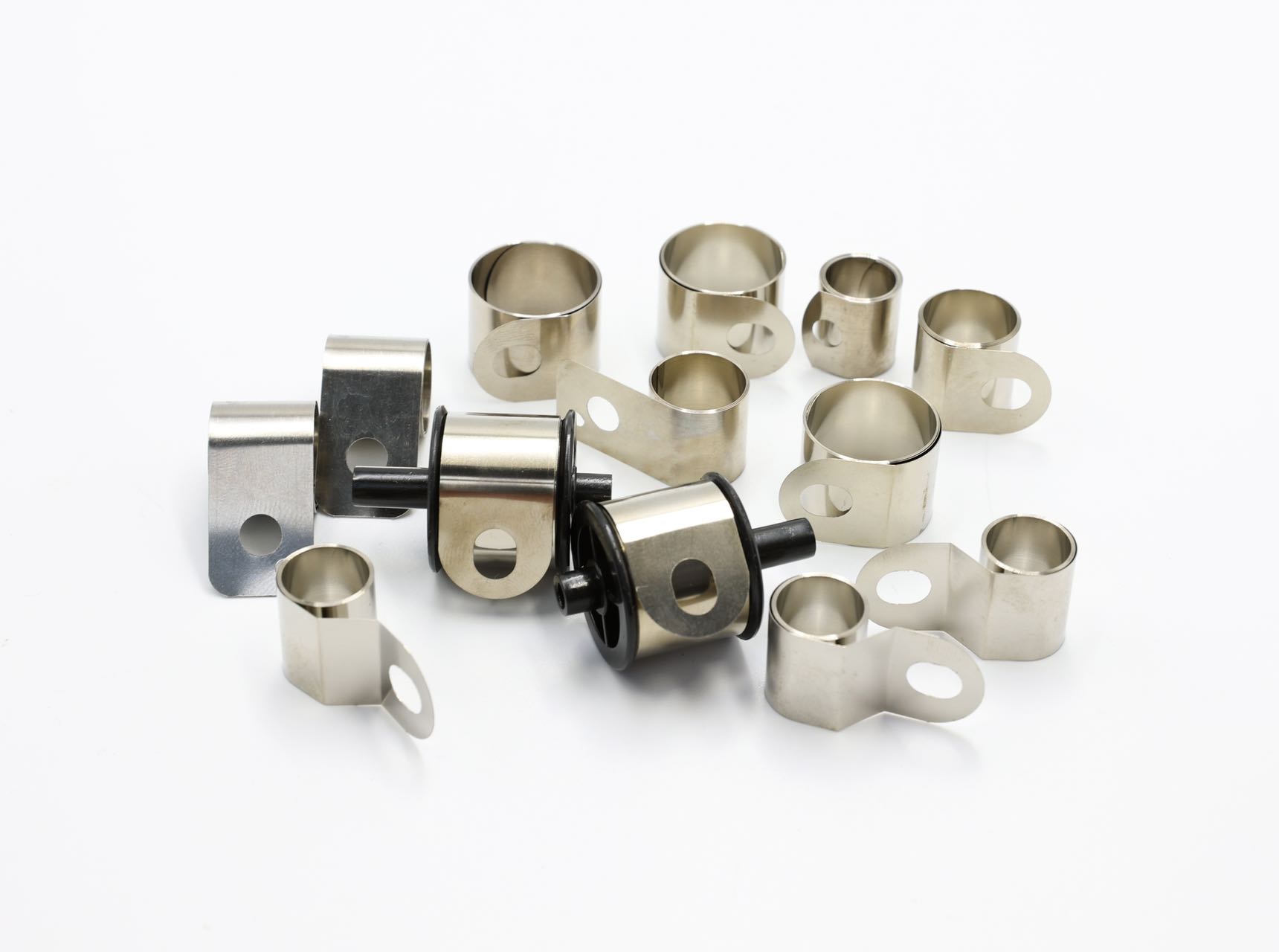
Selecting the right CNC machined parts supplier for rapid prototyping can significantly impact your product development timeline and overall project success. The intersection of precision manufacturing and rapid turnaround requires a supplier who understands both the technical demands of CNC machining and the urgent nature of prototyping work. This decision affects not only the quality of your prototypes but also your ability to iterate quickly and bring products to market faster.

When evaluating potential partners for your rapid prototyping needs, the challenge lies in finding a CNC machined parts supplier who can balance speed with precision while maintaining consistent quality standards. The following five strategic considerations will help you make an informed decision that aligns with your project requirements and business objectives.
Evaluate Technical Capabilities and Equipment Portfolio
Machine Tool Assessment and Precision Standards
The foundation of any reliable CNC machined parts supplier lies in their equipment capabilities and maintenance standards. Modern CNC machines with advanced control systems can achieve tolerances as tight as ±0.0001 inches, which is crucial for functional prototypes that need to accurately represent final production parts. When assessing a potential supplier, examine their machine tool inventory to ensure they have the capacity to handle your specific material requirements and geometric complexity.
A comprehensive CNC machined parts supplier should maintain a diverse fleet of 3-axis, 4-axis, and 5-axis machining centers to accommodate various part geometries. Multi-axis capabilities are particularly important for rapid prototyping because they enable the production of complex features in single setups, reducing lead times and improving dimensional accuracy. Additionally, inquire about their machine maintenance schedules and calibration procedures, as these directly impact the consistency of your prototype parts.
Temperature-controlled environments and vibration isolation systems are indicators of a serious manufacturing operation. These environmental controls ensure that your CNC machined parts supplier can maintain dimensional stability during the machining process, which is especially critical for precision prototypes that will undergo functional testing or serve as master patterns for subsequent manufacturing processes.
Material Handling and Specialization Depth
The breadth of materials a CNC machined parts supplier can effectively process directly impacts their suitability for rapid prototyping applications. Prototype development often requires testing multiple material options to validate design assumptions and performance characteristics. A capable supplier should demonstrate expertise across aluminum alloys, stainless steels, engineering plastics, and specialty materials like titanium or Inconel when required.
Material traceability and certification capabilities become crucial when prototypes need to meet specific industry standards or regulatory requirements. Your chosen CNC machined parts supplier should maintain proper documentation for material certificates and be able to provide mill test reports when requested. This documentation becomes particularly important if your prototypes will be used for regulatory submissions or customer demonstrations.
Consider the supplier's experience with material-specific machining parameters and their ability to optimize cutting strategies for different alloys. Materials like aluminum 6061 machine differently than aluminum 7075, and an experienced supplier will adjust their programming and tooling accordingly to achieve optimal surface finishes and dimensional accuracy in prototype parts.
Assess Rapid Turnaround Capabilities and Workflow Efficiency
Production Planning and Scheduling Flexibility
The ability to accommodate urgent prototype requests while maintaining quality standards distinguishes exceptional suppliers from average ones. A competent CNC machined parts supplier should have established workflows that can prioritize rapid prototyping projects without disrupting their regular production schedule. This often involves dedicated rapid prototyping cells or flexible scheduling systems that can accommodate rush orders.
Evaluate their typical lead times for different part complexities and volumes. Simple prototype parts might be completed within 24-48 hours, while more complex geometries could require 5-7 days. A transparent CNC machined parts supplier will provide realistic timeframes based on part complexity, material availability, and current workload rather than making unrealistic promises that could jeopardize your project timeline.
Digital workflow integration can significantly impact turnaround times for prototype projects. Suppliers who utilize advanced CAM software and automated programming systems can reduce setup times and minimize the potential for programming errors. Additionally, real-time production monitoring systems allow for better communication about project status and potential delays before they impact your schedule.
Quality Control Integration in Fast-Paced Environments
Maintaining quality standards while delivering rapid turnaround requires sophisticated quality control processes that don't create bottlenecks in production flow. An effective CNC machined parts supplier will have integrated inspection equipment that allows for in-process verification without removing parts from machine setups. This approach ensures dimensional accuracy while minimizing handling time and potential setup errors.
Statistical process control implementation demonstrates a supplier's commitment to consistent quality even under accelerated production schedules. Look for evidence of documented quality procedures specifically designed for rapid prototyping work, as these processes often differ from standard production quality protocols. The supplier should be able to explain how they balance speed requirements with their quality assurance procedures.
Consider their approach to first article inspection and prototype validation procedures. A reliable supplier will have established protocols for documenting prototype conformance to specifications and will provide comprehensive inspection reports that support your design validation activities. This documentation becomes crucial when transitioning from prototype to production phases.
Analyze Communication Systems and Project Management Approach
Digital Collaboration Tools and Real-Time Updates
Effective communication becomes critical when working with a CNC machined parts supplier on time-sensitive prototype projects. Modern suppliers should utilize digital project management platforms that provide real-time visibility into production status, quality checkpoints, and potential issues that could affect delivery schedules. These systems allow for proactive communication rather than reactive problem-solving.
File sharing and revision control capabilities are essential for rapid prototyping workflows where design changes frequently occur during the development process. Your selected supplier should have secure systems for managing CAD file revisions and maintaining clear documentation of design change requests and their implementation. This prevents costly errors that can result from miscommunication or outdated drawing information.
Consider the availability and responsiveness of technical support personnel who can address questions during the prototype development process. CNC machined parts supplier teams that include application engineers or technical specialists can provide valuable input on design for manufacturability issues that might not be apparent until the machining process begins.
Design Feedback and Manufacturing Optimization Input
The most valuable CNC machined parts supplier relationships extend beyond simple order fulfillment to include collaborative design optimization. Experienced suppliers can identify potential manufacturing challenges early in the design review process and suggest modifications that improve machinability without compromising functional requirements. This collaborative approach can significantly reduce prototype development cycles.
Assess their ability to provide design for manufacturing (DFM) feedback during the quoting process. Suppliers who take time to review designs and suggest improvements demonstrate a commitment to project success beyond simply winning orders. This input becomes particularly valuable during rapid prototyping phases when design iterations are frequent and time constraints are tight.
Technical documentation and process recommendations from your supplier can support your own design validation activities. Look for suppliers who provide detailed process sheets, recommended inspection criteria, and suggestions for functional testing approaches based on their manufacturing experience with similar parts and applications.
Review Quality Management Systems and Certifications
Industry-Specific Compliance and Standards Adherence
Quality management system implementation demonstrates a CNC machined parts supplier's commitment to consistent processes and continuous improvement. ISO 9001 certification provides a foundation for quality assurance, but industry-specific certifications like AS9100 for aerospace or ISO 13485 for medical devices indicate deeper expertise in regulated markets where prototype quality requirements are particularly stringent.
Traceability requirements for prototype parts can be as demanding as those for production components, especially when prototypes are used for regulatory testing or customer validation activities. Your chosen supplier should have established procedures for maintaining lot traceability, inspection records, and process documentation that support your own quality requirements and regulatory compliance needs.
Consider their approach to handling non-conforming parts and corrective action procedures. Even in rapid prototyping environments, quality issues must be addressed systematically to prevent recurrence and maintain process control. A mature quality system will have established procedures for investigating quality problems and implementing preventive measures without disrupting production flow.
Inspection Equipment and Measurement Capabilities
Advanced metrology equipment enables accurate verification of prototype part dimensions and geometric tolerances. A comprehensive CNC machined parts supplier should maintain coordinate measuring machines (CMMs), optical comparators, and specialized gauging appropriate for the types of parts they typically produce. This equipment should be regularly calibrated and operated by trained personnel to ensure measurement accuracy.
Surface finish measurement capabilities become important when prototype parts need to simulate production surface conditions for functional testing. Suppliers with profilometers and surface roughness measurement equipment can provide objective verification of surface finish requirements and optimize their machining parameters to achieve specified surface characteristics consistently.
Statistical analysis capabilities for measurement data can provide insights into process capability and help predict dimensional consistency for future production runs. Suppliers who utilize statistical process control methods demonstrate a sophisticated approach to quality management that benefits both prototype and production applications.
Examine Scalability and Transition-to-Production Capabilities
Production Volume Planning and Manufacturing Transition
The ideal CNC machined parts supplier for rapid prototyping should also be capable of supporting your transition to higher-volume production. This continuity eliminates the need to transfer tooling, processes, and quality requirements to a different supplier when moving from prototype to production phases. Evaluate their capacity planning capabilities and ability to scale production volumes while maintaining the quality standards established during prototyping.
Process documentation and tooling strategies developed during prototype phases should be designed with future production scalability in mind. Suppliers who think beyond immediate prototype requirements can help establish manufacturing processes that will transfer effectively to higher-volume production, reducing overall development time and costs for your project.
Consider their experience with production volume ramp-up scenarios and their ability to maintain delivery schedules during transition periods. A capable supplier will have established procedures for managing the shift from prototype-focused operations to production-oriented workflows without compromising quality or delivery performance.
Cost Structure Transparency and Value Engineering Input
Understanding the cost implications of design decisions during prototype development can significantly impact overall project economics. A transparent CNC machined parts supplier will provide detailed cost breakdowns that help you understand how material selection, geometric complexity, and tolerance requirements affect manufacturing costs. This information supports informed decision-making during design optimization activities.
Value engineering input from experienced suppliers can identify opportunities for cost reduction without compromising functional requirements. This collaborative approach becomes particularly valuable when preparing for production scale-up, where small changes in manufacturing approach can result in significant cost savings over large production volumes.
Long-term partnership potential should factor into your supplier selection decision. Suppliers who demonstrate commitment to continuous improvement and process optimization can provide ongoing value throughout the product lifecycle, from initial prototypes through end-of-life production support.
FAQ
How quickly can a CNC machined parts supplier typically deliver prototype components?
Delivery times for prototype components vary based on part complexity, material requirements, and current workload. Simple aluminum prototypes can often be completed within 24-48 hours, while complex multi-axis parts may require 5-10 business days. The key is finding a supplier who provides realistic timeframes and has demonstrated capability to meet committed delivery dates consistently.
What should I look for in quality documentation from a rapid prototyping supplier?
Comprehensive quality documentation should include first article inspection reports, material certifications, dimensional inspection data, and process traveler records. For prototype applications, suppliers should also provide surface finish measurements when specified and photographic documentation of any cosmetic requirements. This documentation supports your own design validation activities and regulatory compliance needs.
How important is it for my CNC machined parts supplier to have experience in my specific industry?
Industry-specific experience provides valuable context for understanding your application requirements and regulatory constraints. While not absolutely essential, suppliers with relevant industry background can offer insights into design optimization, material selection, and testing approaches that generic suppliers might not consider. This expertise becomes particularly valuable for regulated industries like aerospace, medical devices, or automotive applications.
What role should cost play in selecting a rapid prototyping supplier?
While cost considerations are important, focusing solely on lowest price can be counterproductive for rapid prototyping applications. The value of reliable delivery, consistent quality, and technical support often outweighs small cost differences. Consider the total cost of working with each supplier, including potential delays, quality issues, and the value of technical input they provide during the development process.
Table of Contents
- Evaluate Technical Capabilities and Equipment Portfolio
- Assess Rapid Turnaround Capabilities and Workflow Efficiency
- Analyze Communication Systems and Project Management Approach
- Review Quality Management Systems and Certifications
- Examine Scalability and Transition-to-Production Capabilities
-
FAQ
- How quickly can a CNC machined parts supplier typically deliver prototype components?
- What should I look for in quality documentation from a rapid prototyping supplier?
- How important is it for my CNC machined parts supplier to have experience in my specific industry?
- What role should cost play in selecting a rapid prototyping supplier?