Professional Aluminum Precision Machining Services - High-Quality CNC Manufacturing Solutions

All Categories

Get a Free Quote

Our representative will contact you soon.
Email
Mobile/WhatsApp
Name
Company Name
Message
0/1000

aluminum precision machining

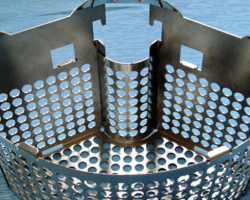
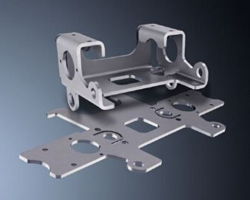
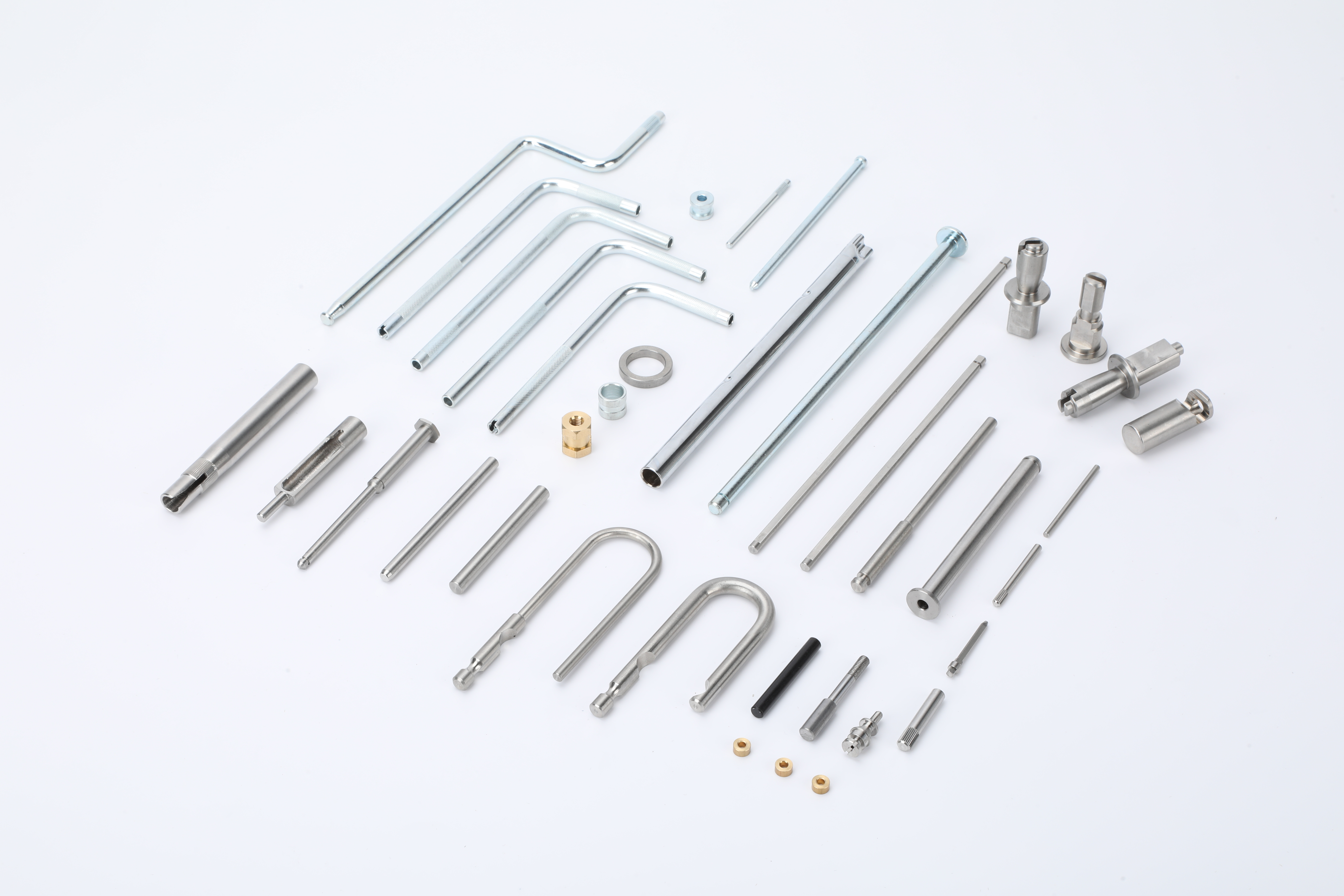
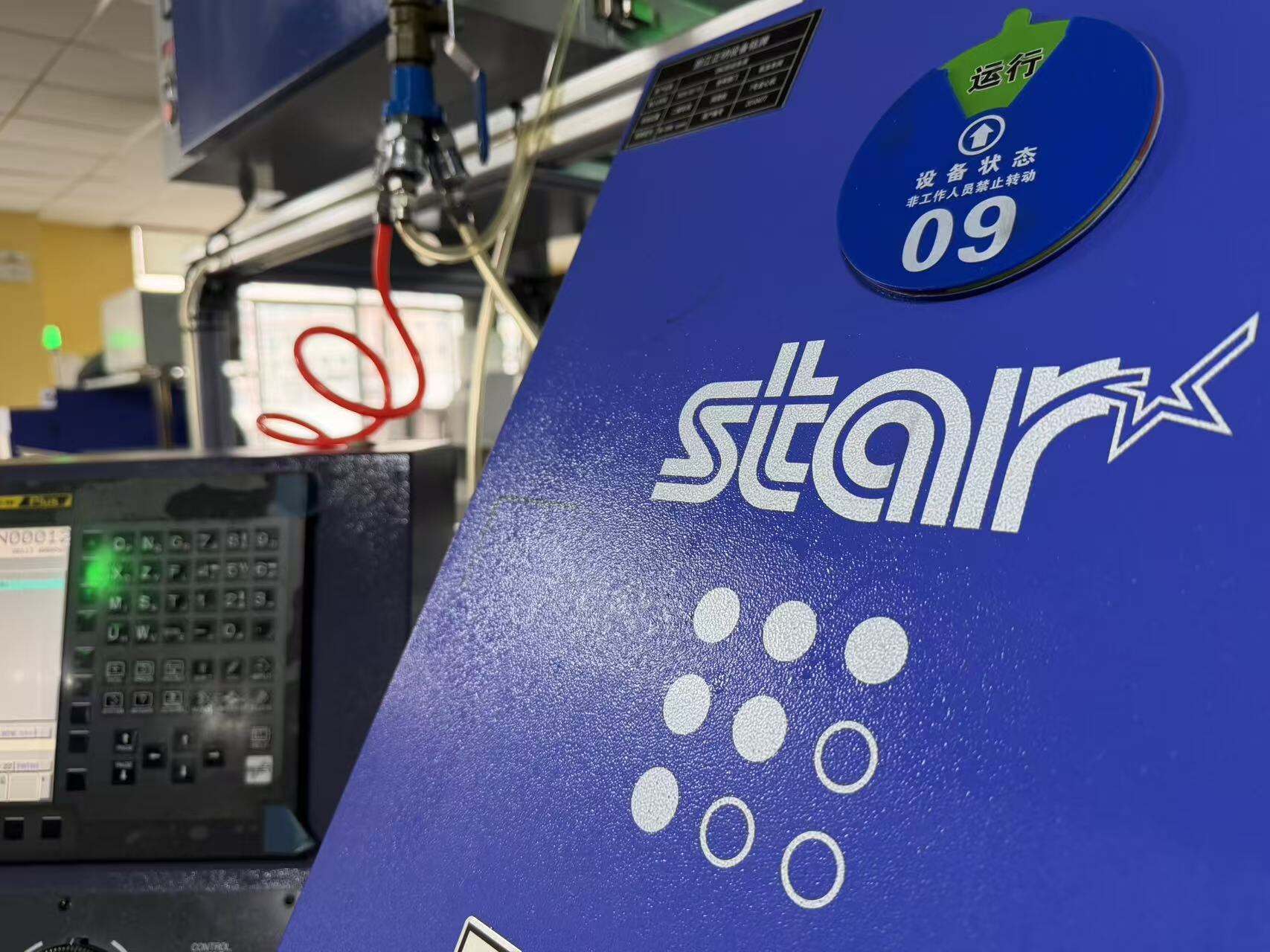
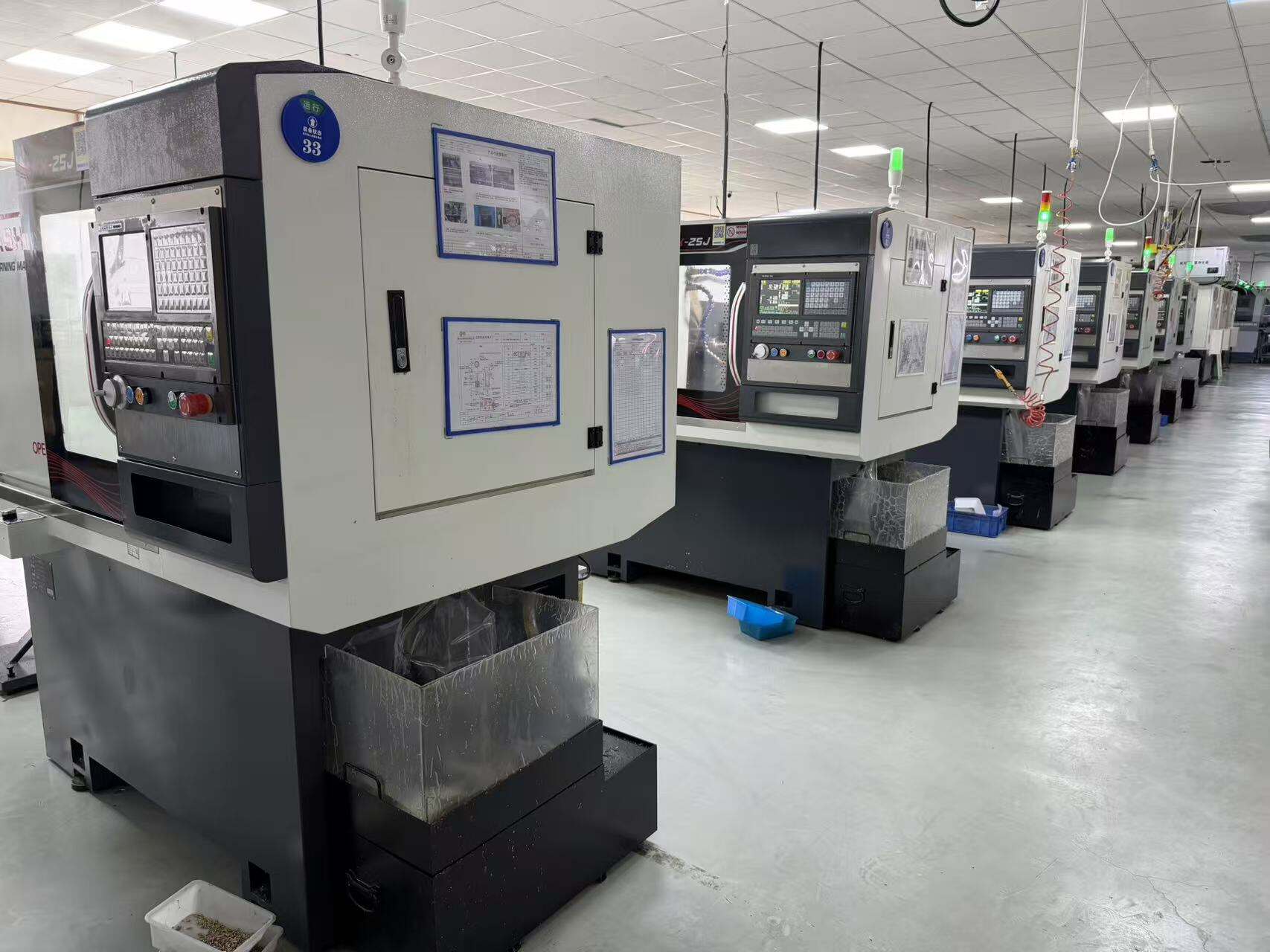
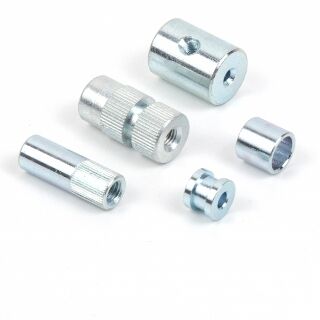
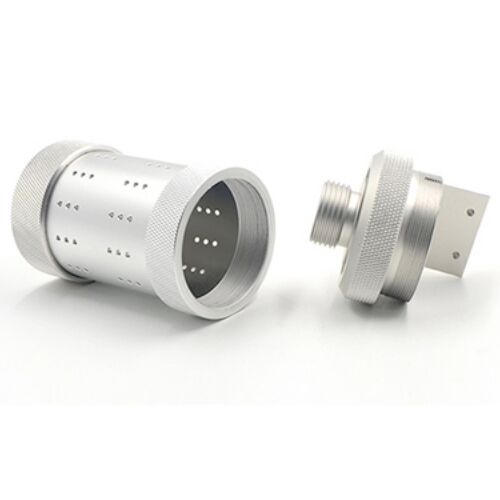
Aluminum precision machining represents a sophisticated manufacturing process that transforms raw aluminum materials into highly accurate components through controlled cutting, shaping, and finishing operations. This advanced manufacturing technique utilizes computer-controlled machinery, including CNC mills, lathes, and drilling equipment, to achieve exceptional dimensional accuracy and surface quality. The process begins with careful material selection, where engineers choose specific aluminum alloys based on desired mechanical properties, corrosion resistance, and application requirements. During aluminum precision machining, operators program sophisticated equipment to remove material systematically, creating complex geometries with tolerances measured in thousandths of inches. The technological features of aluminum precision machining include multi-axis capabilities that enable simultaneous cutting operations from multiple angles, reducing setup time and improving accuracy. Advanced tooling systems incorporate carbide and diamond-coated cutting tools specifically designed for aluminum processing, while high-speed spindles operate at optimal RPMs to maximize efficiency and surface finish quality. Temperature control systems prevent thermal expansion during machining, ensuring consistent dimensional accuracy throughout production runs. Quality control measures integrate coordinate measuring machines and laser scanning technology to verify specifications continuously. Applications for aluminum precision machining span numerous industries, including aerospace manufacturing where lightweight components require exceptional strength-to-weight ratios. Automotive sectors utilize precision-machined aluminum parts for engine blocks, transmission housings, and structural components that enhance fuel efficiency while maintaining safety standards. Medical device manufacturing relies on aluminum precision machining for surgical instruments, prosthetic components, and diagnostic equipment housings that demand biocompatibility and sterile surface conditions. Electronics industries benefit from precisely machined aluminum heat sinks, enclosures, and connector housings that provide electromagnetic shielding and thermal management. Marine applications incorporate aluminum precision machining for boat hulls, propellers, and deck hardware that resist saltwater corrosion while delivering superior performance characteristics.

New Product Recommendations

Aluminum precision machining delivers substantial cost savings through material efficiency and reduced waste generation compared to traditional manufacturing methods. The process maximizes material utilization by removing only necessary amounts during shaping operations, while aluminum chips generated during machining retain recycling value for future production cycles. This economic advantage becomes particularly significant for high-volume production runs where material costs represent substantial budget considerations. Manufacturing flexibility stands as another compelling benefit, allowing rapid prototype development and design modifications without expensive tooling changes. Engineers can adjust machining programs quickly to accommodate design revisions, enabling faster product development cycles and reduced time-to-market schedules. This adaptability proves invaluable for industries requiring frequent design iterations or custom component specifications. Quality consistency represents a fundamental advantage of aluminum precision machining, where computer-controlled operations eliminate human error variables that affect dimensional accuracy. Automated systems maintain identical cutting parameters across production batches, ensuring every component meets specified tolerances and surface finish requirements. Statistical process control integration provides real-time quality monitoring, identifying potential issues before they affect product quality or delivery schedules. Speed advantages emerge through modern machining centers that operate continuously with minimal operator intervention, significantly reducing production lead times compared to manual manufacturing processes. Multi-tasking machines perform multiple operations simultaneously, eliminating intermediate handling steps and reducing overall cycle times. This efficiency translates directly into faster delivery schedules and improved customer satisfaction ratings. Surface finish quality achieved through aluminum precision machining surpasses many alternative manufacturing methods, creating components with superior aesthetic appeal and functional performance characteristics. Controlled cutting parameters produce consistent surface textures that enhance paint adhesion, reduce friction coefficients, and improve corrosion resistance properties. These surface quality improvements often eliminate secondary finishing operations, further reducing manufacturing costs and delivery times. Dimensional precision capabilities enable tight tolerance achievement that supports demanding assembly requirements in critical applications. Modern machining equipment routinely achieves tolerances within plus or minus 0.001 inches, supporting precision fit assemblies that enhance overall system performance and reliability. This accuracy level proves essential for applications where component interference or excessive clearances compromise functionality or safety requirements.

Latest News

How To Choose Appropriate Automotive Parts According To Testing Standards

10

Mar

How To Choose Appropriate Automotive Parts According To Testing Standards

View More
Testing Standards For Corrosion Resistance Of Automotive Parts

10

Mar

Testing Standards For Corrosion Resistance Of Automotive Parts

View More

Get a Free Quote

Our representative will contact you soon.
Email
Mobile/WhatsApp
Name
Company Name
Message
0/1000

aluminum precision machining

Superior Material Properties and Lightweight Performance

Superior Material Properties and Lightweight Performance

Aluminum precision machining unlocks exceptional material properties that make it the preferred choice for weight-critical applications across diverse industries. Aluminum alloys possess an outstanding strength-to-weight ratio, delivering structural integrity while reducing overall system mass by up to sixty percent compared to steel alternatives. This weight reduction translates into significant performance improvements in aerospace applications, where every pound saved enhances fuel efficiency and payload capacity. The precision machining process preserves and enhances these inherent material properties through controlled cutting operations that maintain grain structure integrity and prevent work hardening that could compromise mechanical properties. Advanced machining techniques minimize residual stresses while achieving complex geometries that would be impossible through casting or forming processes. The corrosion resistance characteristics of aluminum become even more pronounced after precision machining operations that create smooth, uniform surfaces with minimal porosity or surface defects. These enhanced surfaces resist oxidation and chemical attack more effectively, extending component service life in harsh environmental conditions. Thermal conductivity properties remain excellent throughout the aluminum precision machining process, making machined components ideal for heat dissipation applications in electronics and automotive systems. The ability to create intricate cooling channels, fins, and thermal management features through precision machining maximizes heat transfer efficiency while maintaining structural integrity. Electrical conductivity properties also benefit from precision machining operations that eliminate surface contamination and create clean, conductive interfaces for electrical connections. The non-magnetic properties of aluminum make precision-machined components suitable for sensitive electronic applications where magnetic interference could affect performance. Machinability characteristics of aluminum allow for high cutting speeds and feeds, enabling rapid material removal rates that reduce manufacturing cycle times significantly. The excellent surface finish achievable through aluminum precision machining often eliminates secondary operations like grinding or polishing, reducing overall production costs and delivery schedules while maintaining superior aesthetic appeal.
Advanced Manufacturing Flexibility and Customization Capabilities

Advanced Manufacturing Flexibility and Customization Capabilities

Aluminum precision machining offers unparalleled manufacturing flexibility that enables rapid customization and adaptation to changing design requirements without significant tooling investments or setup modifications. This flexibility stems from computer-controlled machining systems that can execute complex programming changes within minutes, allowing manufacturers to switch between different component designs seamlessly. The ability to machine aluminum components from solid billets eliminates the constraints imposed by casting molds or forming dies, enabling engineers to create innovative designs with complex internal geometries, undercuts, and intricate features that would be impossible or prohibitively expensive using traditional manufacturing methods. Multi-axis machining capabilities expand design possibilities further by allowing simultaneous cutting operations from multiple angles, creating complex three-dimensional shapes in single setups that reduce handling requirements and improve dimensional accuracy. The precision achievable through advanced aluminum machining enables tight tolerance stackups in assemblies, supporting demanding applications where precise fit and function are critical for performance and reliability. Rapid prototyping capabilities allow engineers to validate designs quickly before committing to high-volume production, reducing development risks and accelerating time-to-market schedules significantly. Design optimization becomes possible through iterative machining trials that test different approaches without expensive tooling modifications. Surface texture control through aluminum precision machining enables customization of friction characteristics, wear properties, and aesthetic appearance to meet specific application requirements. Engineers can specify surface roughness parameters ranging from mirror finishes for optical applications to controlled textures that enhance grip or reduce reflection. The ability to machine complex cooling channels, lightening pockets, and stress-relief features directly into aluminum components optimizes performance characteristics while maintaining structural integrity. Integration capabilities allow aluminum precision machining to incorporate mounting features, threaded connections, and alignment references directly into component designs, eliminating assembly steps and reducing overall system complexity. This integration approach reduces part counts, simplifies assembly procedures, and improves overall system reliability by eliminating potential failure points associated with mechanical fasteners or adhesive joints.
Exceptional Quality Control and Consistency Standards

Exceptional Quality Control and Consistency Standards

Aluminum precision machining establishes industry-leading quality control standards through advanced measurement systems and process monitoring technologies that ensure consistent dimensional accuracy and surface quality across production batches. Modern machining centers incorporate in-process measurement capabilities that monitor critical dimensions continuously during cutting operations, providing immediate feedback for process adjustments before dimensional deviations exceed acceptable limits. Statistical process control integration tracks performance trends over time, identifying gradual tool wear patterns or system drift that could affect quality before they impact production output. Coordinate measuring machines verify finished components against engineering specifications with measurement uncertainty levels measured in micrometers, ensuring every part meets demanding tolerance requirements. Quality documentation systems maintain complete traceability records that track material certifications, machining parameters, inspection results, and operator credentials for each component produced. This comprehensive documentation supports quality audits and provides valuable feedback for continuous improvement initiatives. Temperature-controlled manufacturing environments eliminate thermal variations that could affect dimensional stability during machining operations, ensuring consistent accuracy regardless of ambient conditions or production schedules. Vibration isolation systems minimize external disturbances that could compromise surface finish quality or dimensional accuracy during precision cutting operations. Tool management programs monitor cutting tool performance continuously, replacing worn tools before they affect component quality while optimizing tool life through proper cutting parameter selection. Surface finish measurement systems verify texture parameters quantitatively, ensuring consistent aesthetic appearance and functional performance characteristics across production runs. Material certification programs verify aluminum alloy compositions and mechanical properties before machining operations begin, preventing quality issues related to material variations or contamination. Operator training and certification programs ensure consistent machining practices and quality awareness throughout production teams. Quality management systems integrate international standards like ISO 9001 and AS9100 to establish documented procedures for quality planning, control, and improvement activities. Continuous improvement programs analyze quality data systematically to identify opportunities for process optimization and defect prevention initiatives that enhance overall manufacturing capability and customer satisfaction levels.

Get a Free Quote

Our representative will contact you soon.
Email
Mobile/WhatsApp
Name
Company Name
Message
0/1000