High Volume CNC Machining: Precision Mass Production Solutions for Modern Manufacturing

All Categories

Get a Free Quote

Our representative will contact you soon.
Email
Mobile/WhatsApp
Name
Company Name
Message
0/1000

high volume cnc machining

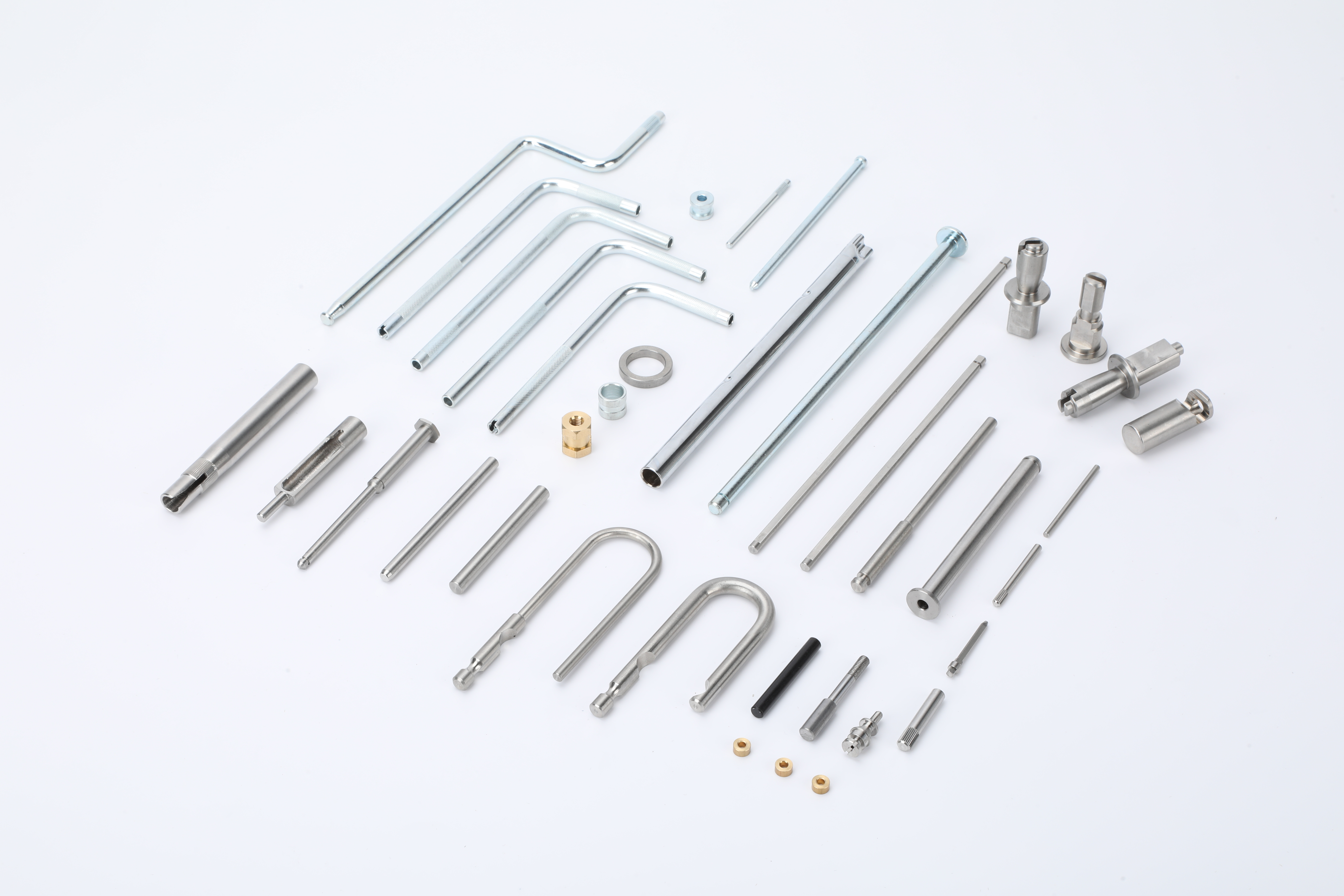
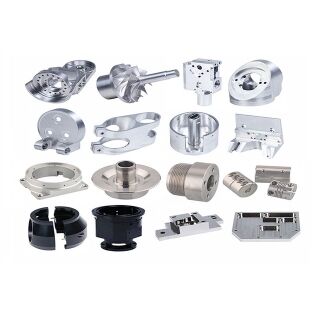
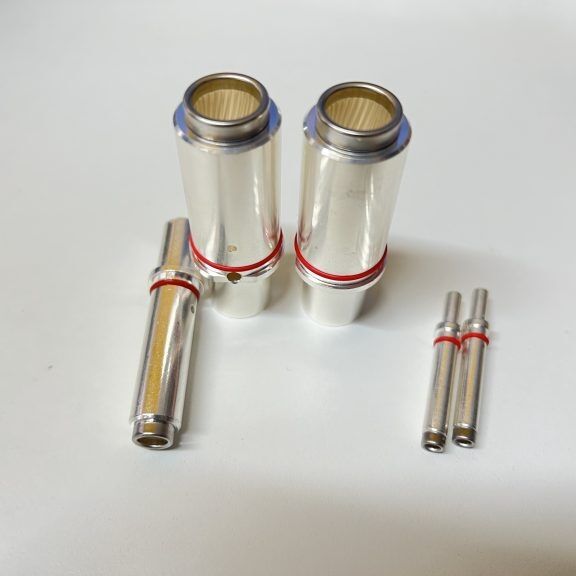
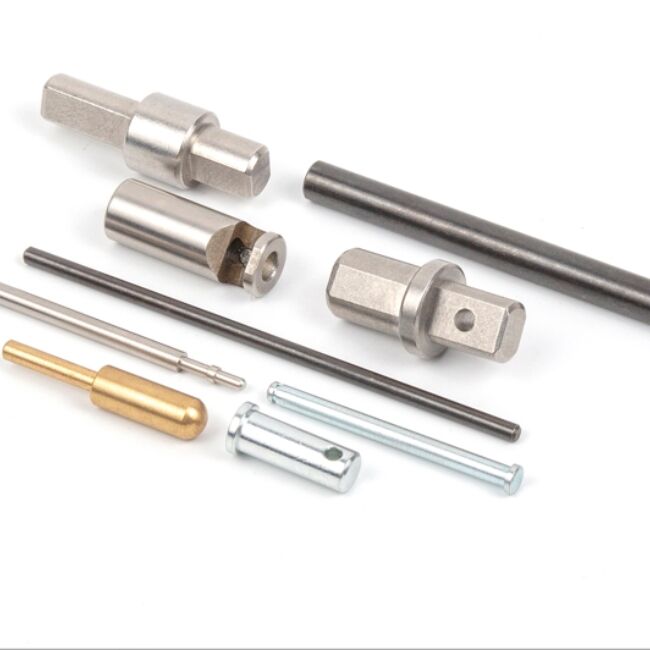
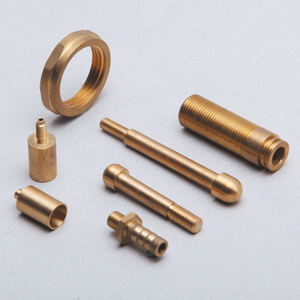
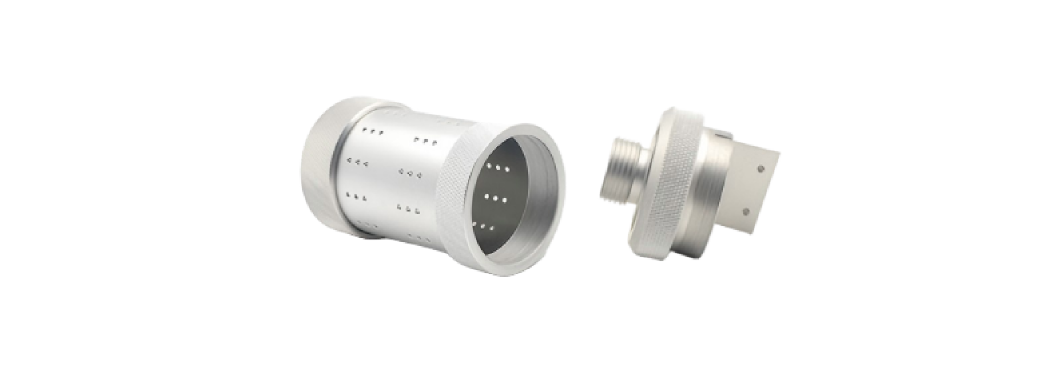
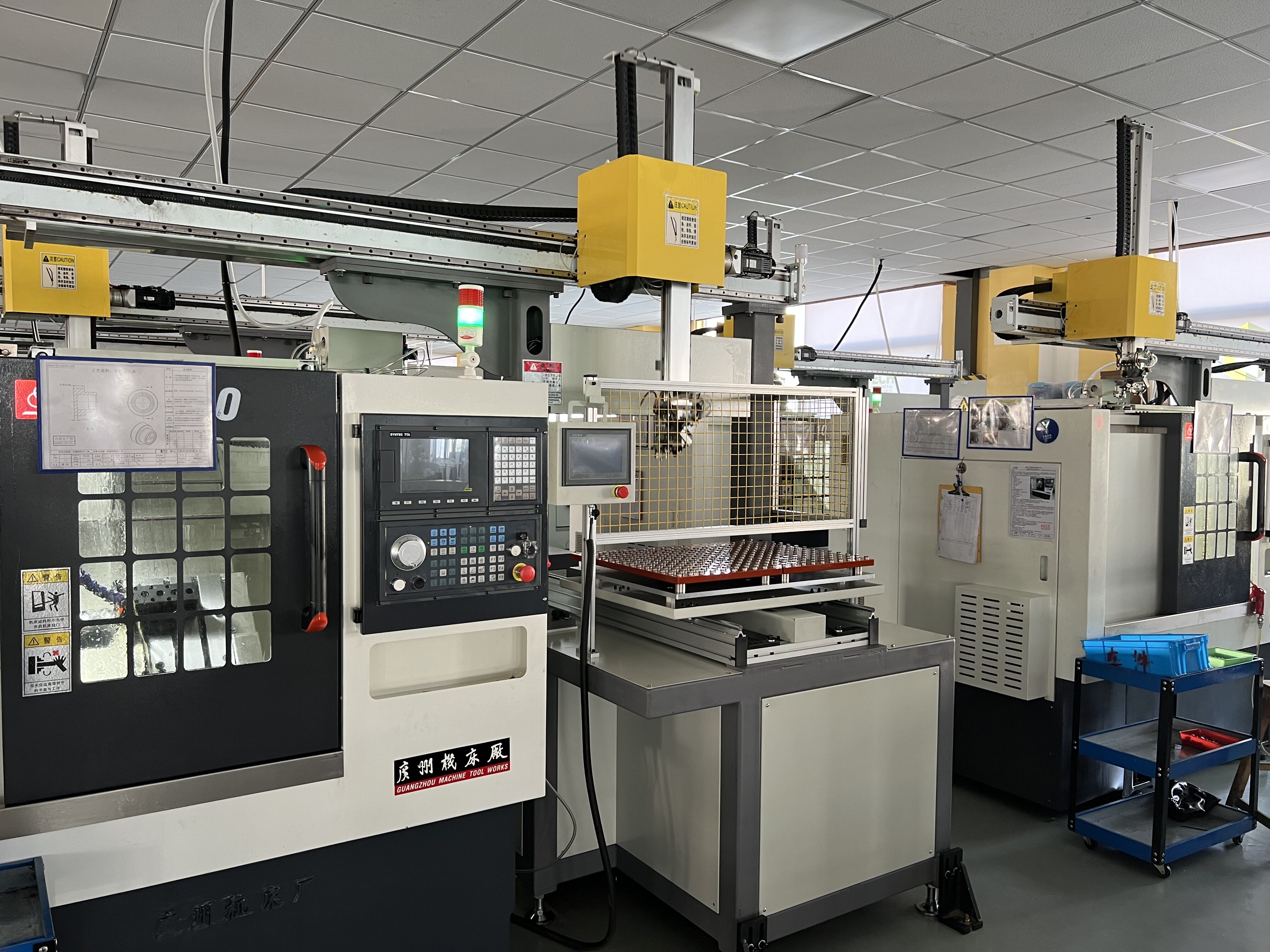
High volume CNC machining represents a sophisticated manufacturing approach that combines computer numerical control technology with mass production capabilities to deliver precision-engineered components at scale. This advanced manufacturing method utilizes automated machinery controlled by pre-programmed computer software to execute complex cutting, drilling, milling, and turning operations with exceptional accuracy and repeatability. The technology enables manufacturers to produce thousands of identical parts while maintaining strict dimensional tolerances and surface finish requirements. High volume CNC machining systems incorporate multiple workstations, automated tool changers, and continuous material handling systems to maximize throughput and minimize human intervention. The main functions encompass precise material removal through various cutting processes, automated quality control monitoring, and seamless integration with enterprise resource planning systems for optimal production scheduling. Technological features include advanced spindle systems capable of high-speed rotation, multi-axis positioning for complex geometries, adaptive control systems that adjust cutting parameters in real-time, and sophisticated coolant management for thermal stability. Modern high volume CNC machining centers feature enhanced rigidity through cast iron construction, linear motor drives for rapid positioning, and integrated measurement systems for in-process quality verification. Applications span automotive component manufacturing, aerospace part production, medical device fabrication, electronics housing creation, and consumer product development. Industries rely on high volume CNC machining for producing engine blocks, transmission components, surgical instruments, smartphone cases, and precision hardware. The technology excels in processing various materials including aluminum alloys, stainless steel, titanium, engineering plastics, and composite materials, making it versatile for diverse industrial requirements.
New Product Releases

High volume CNC machining delivers exceptional cost efficiency through economies of scale, reducing per-unit production costs significantly when manufacturing large quantities of components. Companies benefit from lower material waste due to optimized cutting paths and precise material utilization, resulting in substantial raw material savings over traditional manufacturing methods. The automated nature of high volume CNC machining eliminates human error and ensures consistent quality across entire production runs, reducing rejection rates and rework expenses. Production speed increases dramatically through continuous operation capabilities, allowing manufacturers to meet tight delivery schedules and respond quickly to market demands. Equipment utilization reaches maximum efficiency as high volume CNC machining systems operate around the clock with minimal supervision, generating higher return on investment for manufacturing facilities. Quality assurance becomes more reliable through integrated measurement systems that monitor dimensional accuracy throughout the production process, catching deviations before they affect finished products. Labor costs decrease substantially as fewer skilled operators are required to oversee automated production lines, allowing companies to allocate human resources to higher-value activities. Flexibility remains high despite volume focus, as high volume CNC machining systems can quickly switch between different part programs to accommodate product variations or design updates. Lead times shrink considerably due to streamlined setup procedures and reduced changeover times between production batches. Scalability provides manufacturers with the ability to increase production capacity without proportional increases in overhead costs or facility space requirements. Traceability improves through digital record-keeping systems that document every aspect of the manufacturing process, supporting quality certifications and regulatory compliance. Supply chain optimization occurs as high volume CNC machining reduces dependency on multiple suppliers by consolidating various operations into single production cells. Energy efficiency benefits emerge from modern machine designs that optimize power consumption during extended production runs. Risk mitigation strengthens through predictive maintenance capabilities that prevent unexpected equipment failures and production disruptions.

Latest News

How To Determine The Chemical Stability Of Materials

10

Mar

How To Determine The Chemical Stability Of Materials

View More
Automotive Armrest Slide Rail Production Factory: The Cradle of Quality and Innovation

10

Mar

Automotive Armrest Slide Rail Production Factory: The Cradle of Quality and Innovation

View More
Testing Standards For Corrosion Resistance Of Automotive Parts

10

Mar

Testing Standards For Corrosion Resistance Of Automotive Parts

View More

Get a Free Quote

Our representative will contact you soon.
Email
Mobile/WhatsApp
Name
Company Name
Message
0/1000

high volume cnc machining

Unmatched Production Efficiency and Throughput Optimization

Unmatched Production Efficiency and Throughput Optimization

High volume CNC machining systems revolutionize manufacturing efficiency through sophisticated automation technologies that maximize production output while maintaining precision standards. These advanced systems incorporate multiple synchronized workstations that operate simultaneously, creating parallel processing capabilities that dramatically increase overall throughput compared to conventional single-station machining centers. The integration of robotic material handling systems ensures continuous operation by automatically loading raw materials and removing finished components without interrupting the machining process. Smart scheduling algorithms optimize tool paths and minimize idle time by coordinating multiple operations across different workstations, resulting in utilization rates exceeding 90 percent during production cycles. Advanced tool management systems automatically monitor tool wear and replace cutting tools before quality degradation occurs, preventing production interruptions and maintaining consistent part quality throughout extended manufacturing runs. High volume CNC machining centers feature rapid traverse rates and acceleration capabilities that reduce non-productive time between cutting operations, while high-speed spindles enable faster material removal rates without compromising surface finish quality. The implementation of lights-out manufacturing capabilities allows production to continue during off-hours with minimal supervision, effectively tripling daily production capacity compared to traditional single-shift operations. Intelligent buffer systems manage work-in-process inventory automatically, ensuring smooth material flow between operations and preventing bottlenecks that could reduce overall system efficiency. Real-time production monitoring provides instant visibility into system performance, enabling immediate adjustments to optimize throughput and identify opportunities for further efficiency improvements. These comprehensive efficiency enhancements translate directly into reduced per-unit costs, shorter lead times, and improved competitiveness in demanding market environments where speed and reliability are critical success factors.
Superior Quality Control and Consistency Achievement

Superior Quality Control and Consistency Achievement

High volume CNC machining delivers unparalleled quality control through integrated measurement systems and advanced process monitoring technologies that ensure every component meets exact specifications throughout mass production runs. In-process measurement capabilities utilize precision probes and laser scanning systems to verify dimensional accuracy during machining operations, enabling immediate corrections before defects propagate through production batches. Statistical process control algorithms continuously analyze measurement data to identify trending patterns and predict potential quality issues before they manifest in finished products. Thermal compensation systems monitor and adjust for temperature variations that could affect machining precision, maintaining dimensional stability even during extended production cycles in varying environmental conditions. Tool condition monitoring employs sophisticated sensors that detect microscopic changes in cutting tool geometry, preventing quality degradation that could result from worn or damaged tooling. Automated inspection stations perform comprehensive quality checks on finished components using coordinate measuring machines and optical scanning systems, ensuring 100 percent verification without slowing production flow. Traceability systems maintain detailed records of all manufacturing parameters for each component, enabling rapid identification and containment of quality issues if they occur. Process capability studies demonstrate that high volume CNC machining consistently achieves statistical process control indices exceeding 1.67, indicating robust processes with minimal variation. Real-time feedback loops automatically adjust cutting parameters when measurements indicate deviation from target specifications, maintaining quality without operator intervention. Quality management integration connects inspection data directly to enterprise quality systems, facilitating immediate notifications when corrective actions are required. Advanced surface finish monitoring ensures that aesthetic and functional surface requirements are maintained consistently across all production volumes. These comprehensive quality control measures result in rejection rates typically below 0.1 percent, dramatically reducing waste and rework costs while ensuring customer satisfaction with delivered products.
Exceptional Flexibility and Adaptability for Diverse Manufacturing Needs

Exceptional Flexibility and Adaptability for Diverse Manufacturing Needs

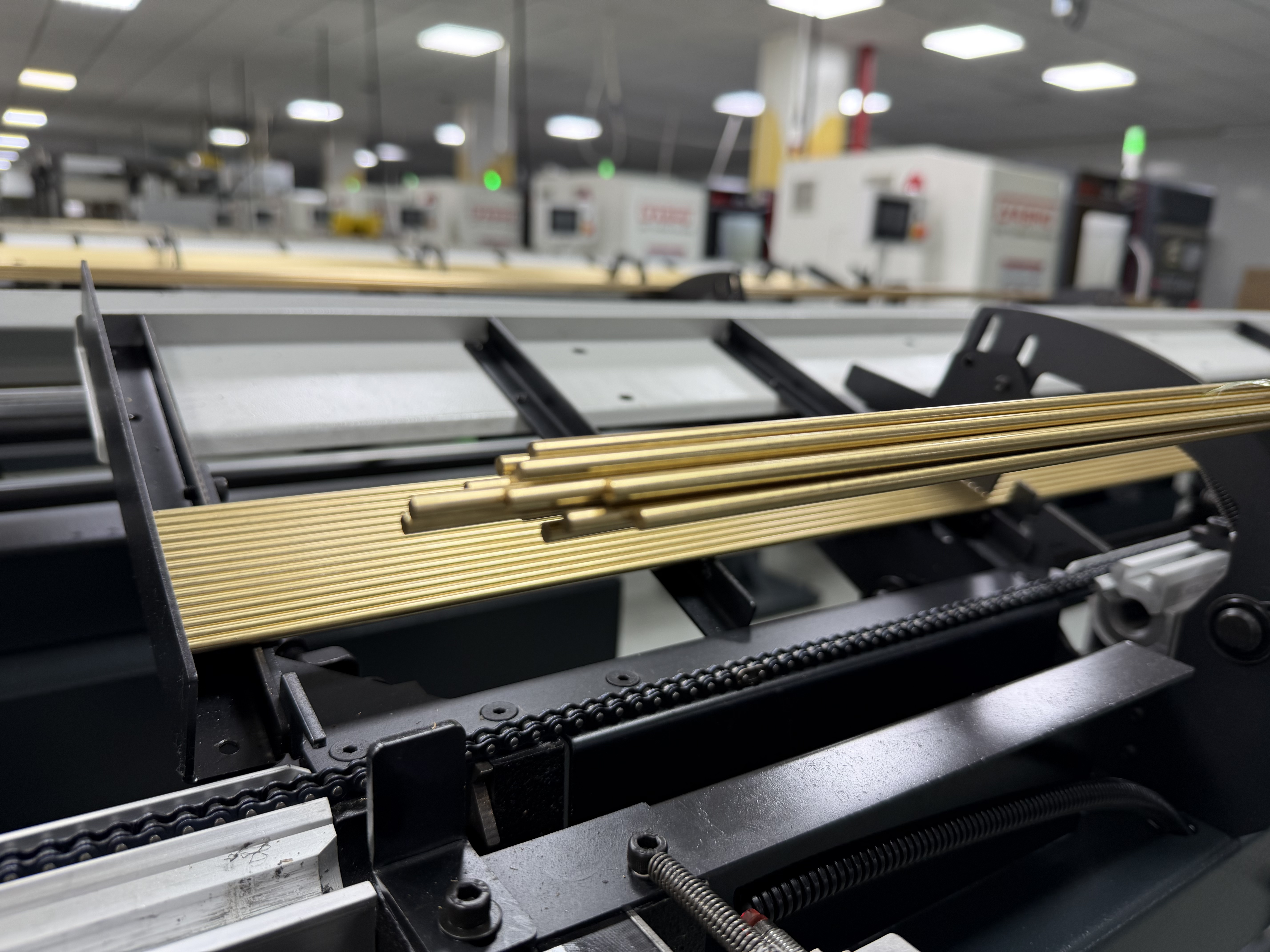
High volume CNC machining systems provide remarkable flexibility that enables manufacturers to efficiently produce diverse component families while maintaining the economic advantages of mass production methodologies. Modular machine configurations allow rapid reconfiguration of production cells to accommodate different part geometries, materials, and processing requirements without extensive downtime or capital investment. Quick-change tooling systems enable operators to switch between different cutting tool setups in minutes rather than hours, facilitating efficient production of multiple part variants within single production runs. Adaptive machining capabilities automatically adjust cutting parameters based on material properties and part geometry variations, optimizing performance for each unique component without manual programming intervention. Multi-axis machining centers provide access to complex geometries that would require multiple operations on conventional equipment, consolidating manufacturing steps and reducing handling requirements. Flexible fixturing systems accommodate various part sizes and configurations through modular clamping arrangements that can be quickly reconfigured for different production requirements. Programming flexibility allows engineers to implement design changes rapidly through parametric modeling techniques that automatically update machining programs when component specifications change. Inventory management integration enables just-in-time production scheduling that responds dynamically to customer demand fluctuations without maintaining excessive work-in-process inventory. Material handling versatility supports processing of diverse raw material forms including bar stock, castings, forgings, and pre-fabricated components through adaptable loading systems. Production scheduling algorithms optimize machine utilization by intelligently sequencing different part families to minimize setup time and maximize throughput efficiency. Scalability features enable production capacity adjustments through modular expansion capabilities that add processing stations without disrupting existing operations. Quality parameter flexibility allows different inspection criteria and acceptance standards for various customer requirements while maintaining systematic quality control processes. These adaptability features position high volume CNC machining as an ideal solution for manufacturers serving multiple market segments with varying technical requirements and production volumes.

Get a Free Quote

Our representative will contact you soon.
Email
Mobile/WhatsApp
Name
Company Name
Message
0/1000