precision cnc machining
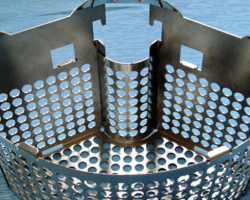
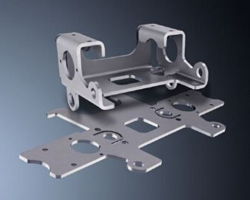
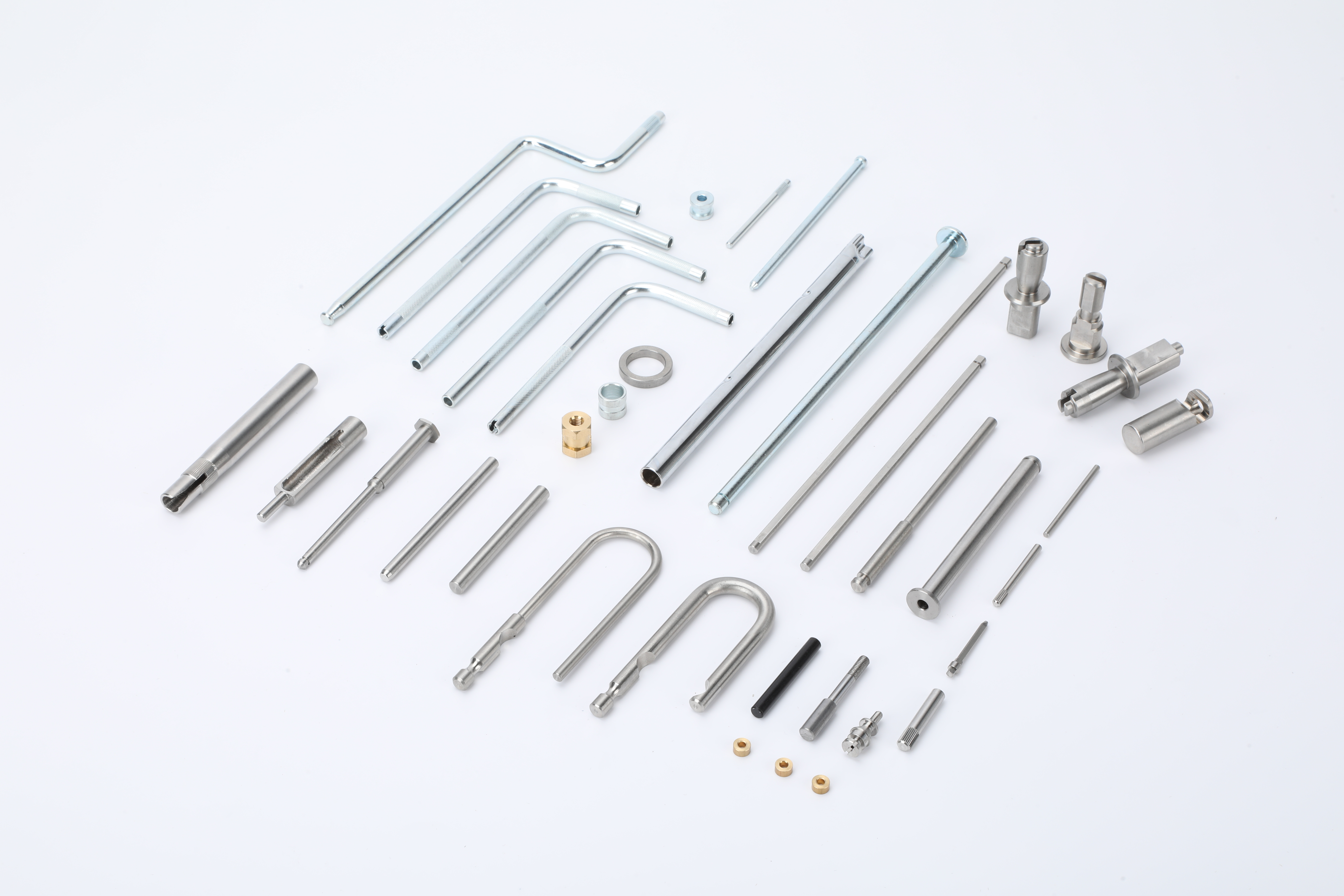
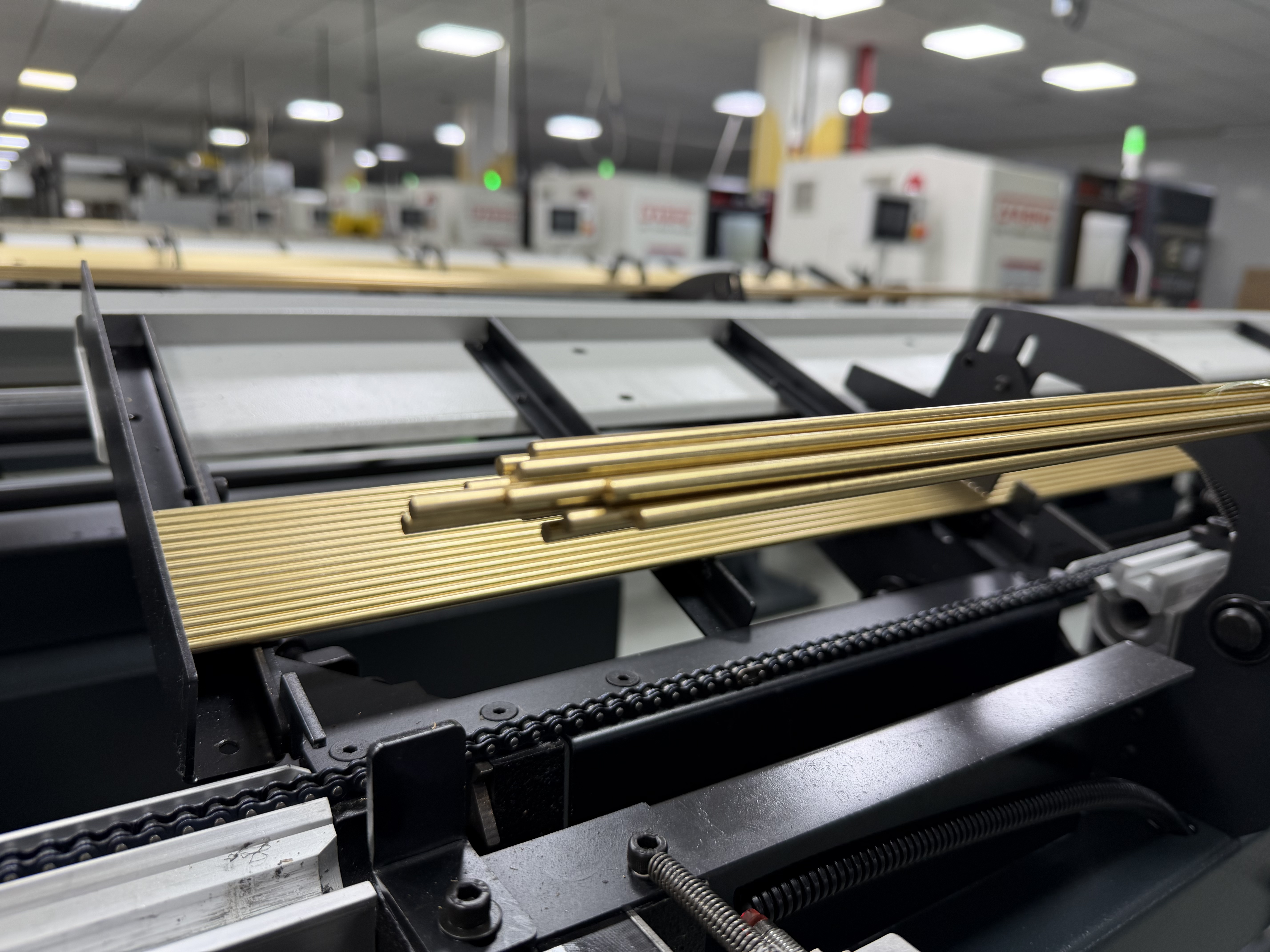
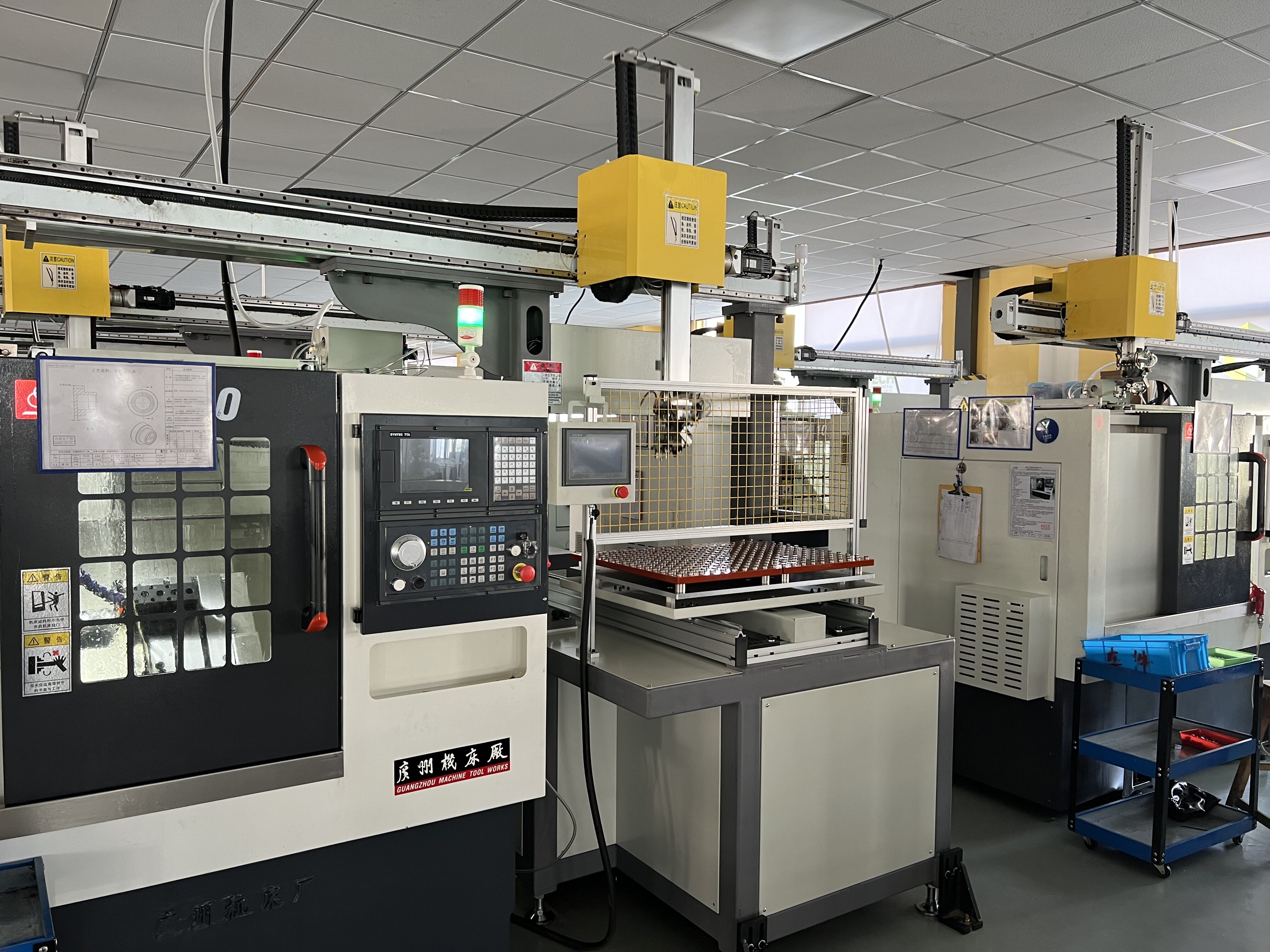
Precision CNC machining represents the pinnacle of modern manufacturing technology, utilizing computer-controlled systems to create highly accurate parts and components across diverse industries. This advanced manufacturing process employs computer numerical control systems to guide cutting tools with exceptional accuracy, achieving tolerances as tight as 0.0001 inches. The main functions of precision CNC machining include material removal through cutting, drilling, milling, turning, and grinding operations, all executed with meticulous precision under automated control. The technology operates through pre-programmed software that dictates tool movements, spindle speeds, and cutting parameters, ensuring consistent results across production runs. Key technological features include multi-axis capabilities allowing complex geometries, real-time monitoring systems for quality control, and adaptive machining algorithms that adjust parameters based on material properties and cutting conditions. Modern precision CNC machining centers incorporate advanced spindle systems, high-resolution encoders, temperature compensation mechanisms, and vibration dampening technologies to maintain accuracy. The process accommodates various materials including metals, plastics, ceramics, and composites, making it versatile for multiple applications. Industries such as aerospace, automotive, medical device manufacturing, electronics, and defense rely heavily on precision CNC machining for critical components requiring exact specifications. Applications range from engine components and surgical instruments to electronic housings and aerospace structural elements. The technology enables rapid prototyping, small batch production, and high-volume manufacturing while maintaining consistent quality standards. Environmental considerations include efficient material utilization, reduced waste generation, and energy-efficient operations. The integration of IoT sensors and artificial intelligence enhances predictive maintenance capabilities, minimizing downtime and optimizing production efficiency. Quality assurance features include in-process measurement systems, statistical process control, and automated inspection protocols that verify dimensional accuracy throughout production cycles.

 EN
EN