CNC Precision Machining Services - Advanced Manufacturing Solutions for Industry-Leading Accuracy

All Categories

Get a Free Quote

Our representative will contact you soon.
Email
Mobile/WhatsApp
Name
Company Name
Message
0/1000

cnc precision machining

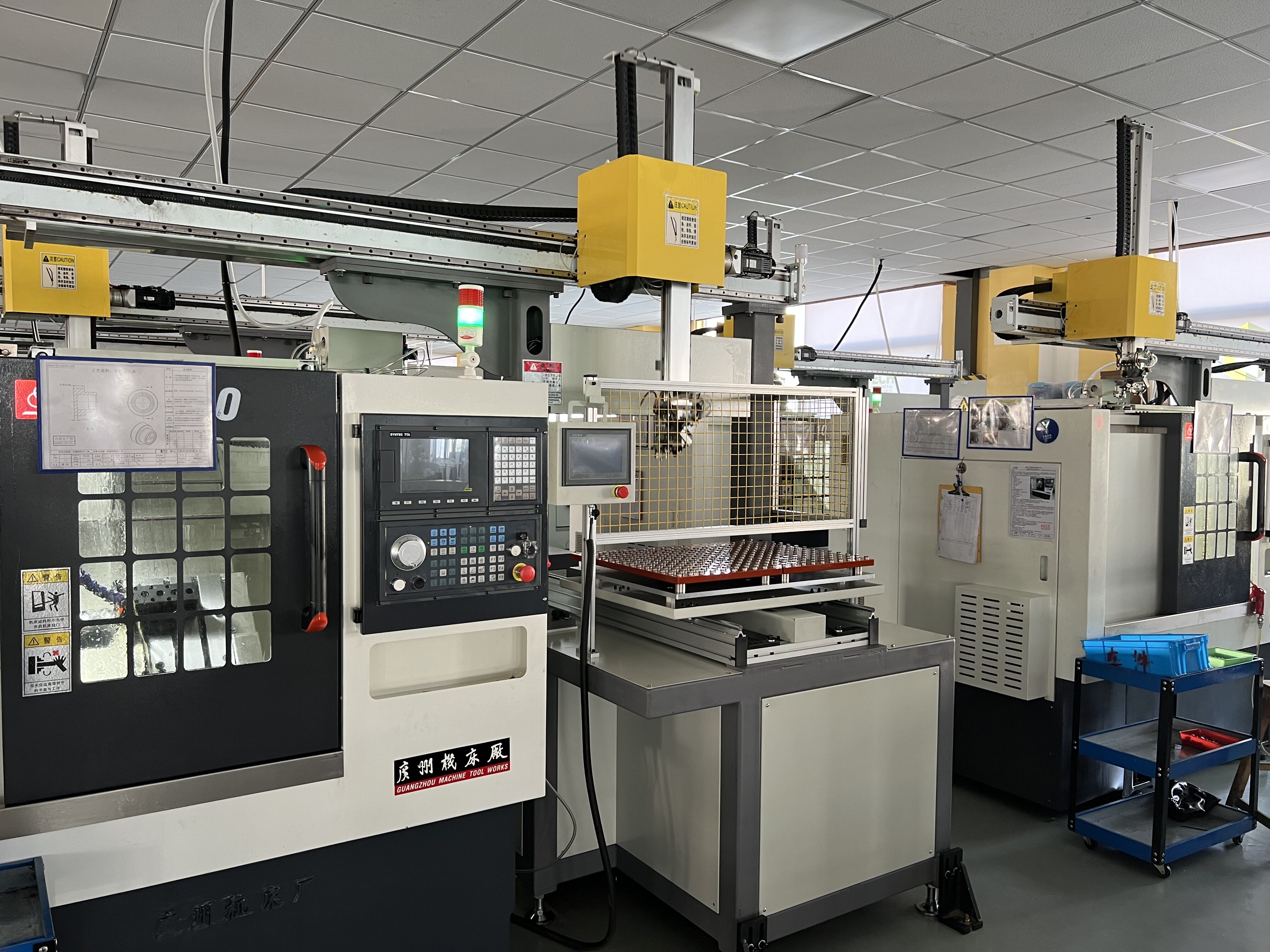
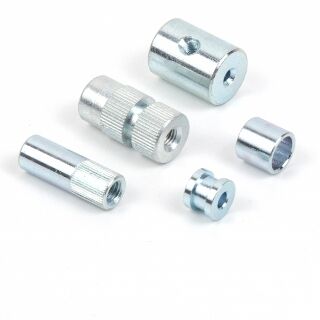
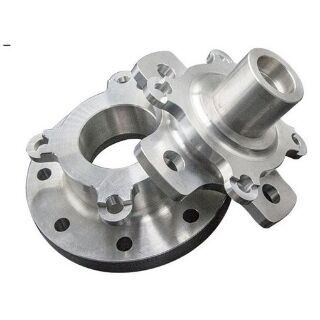
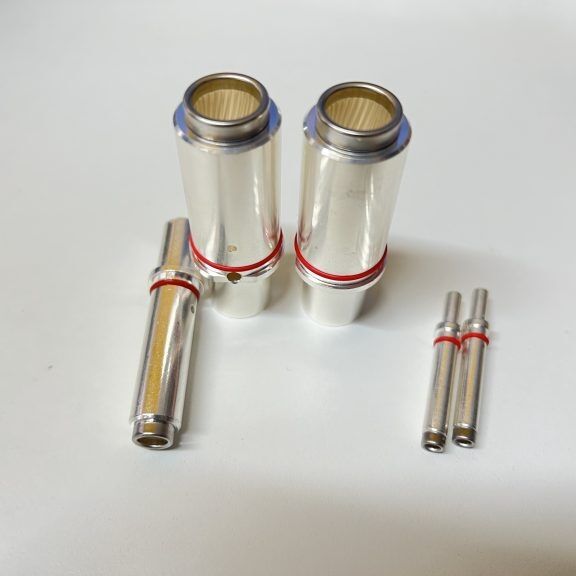
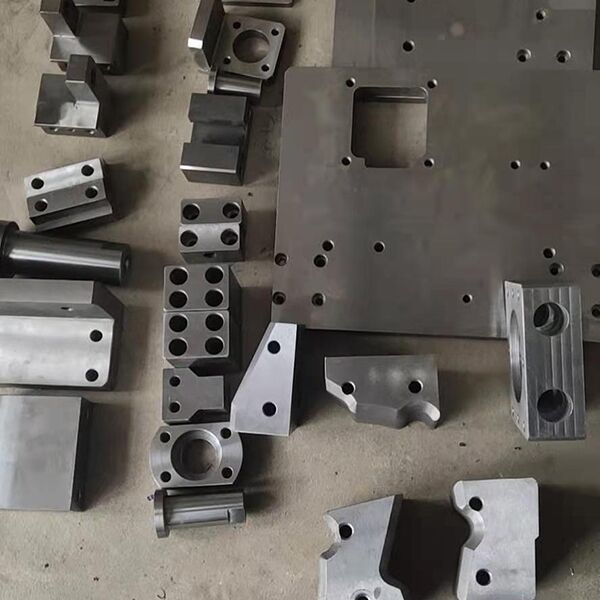
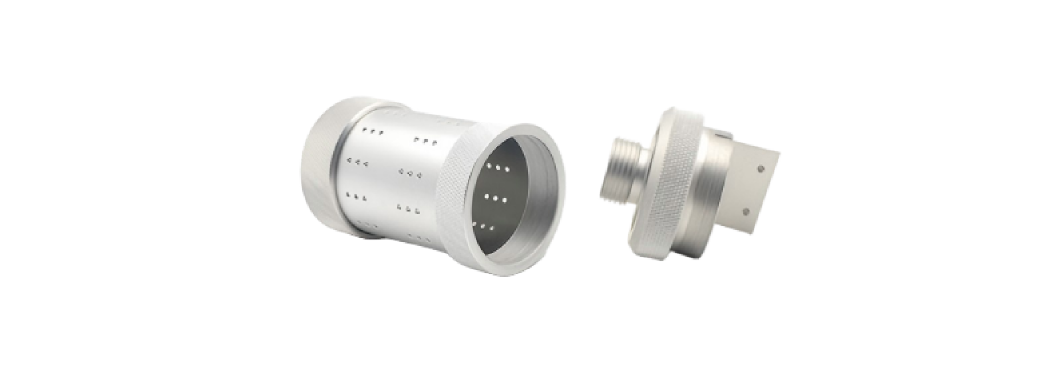
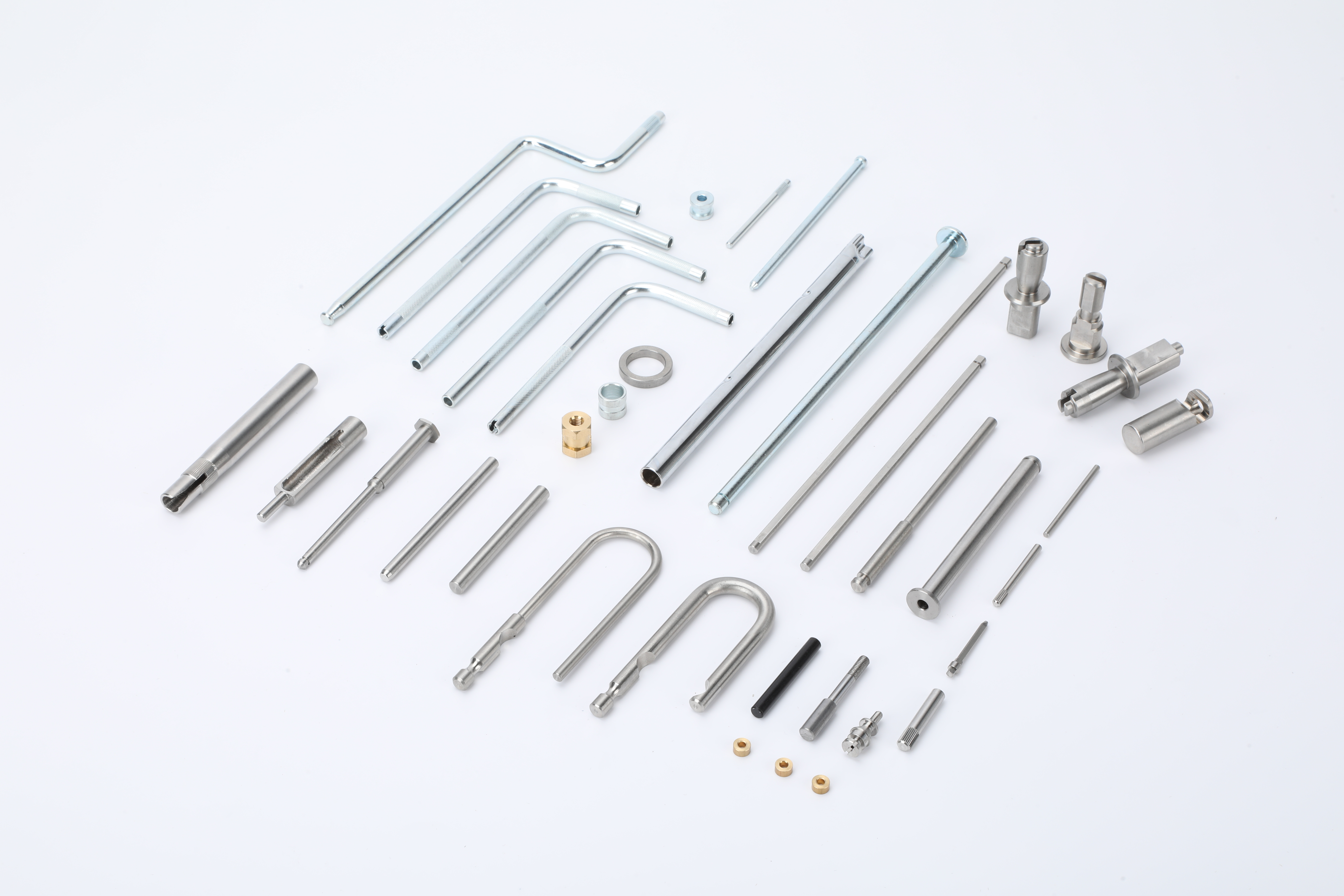
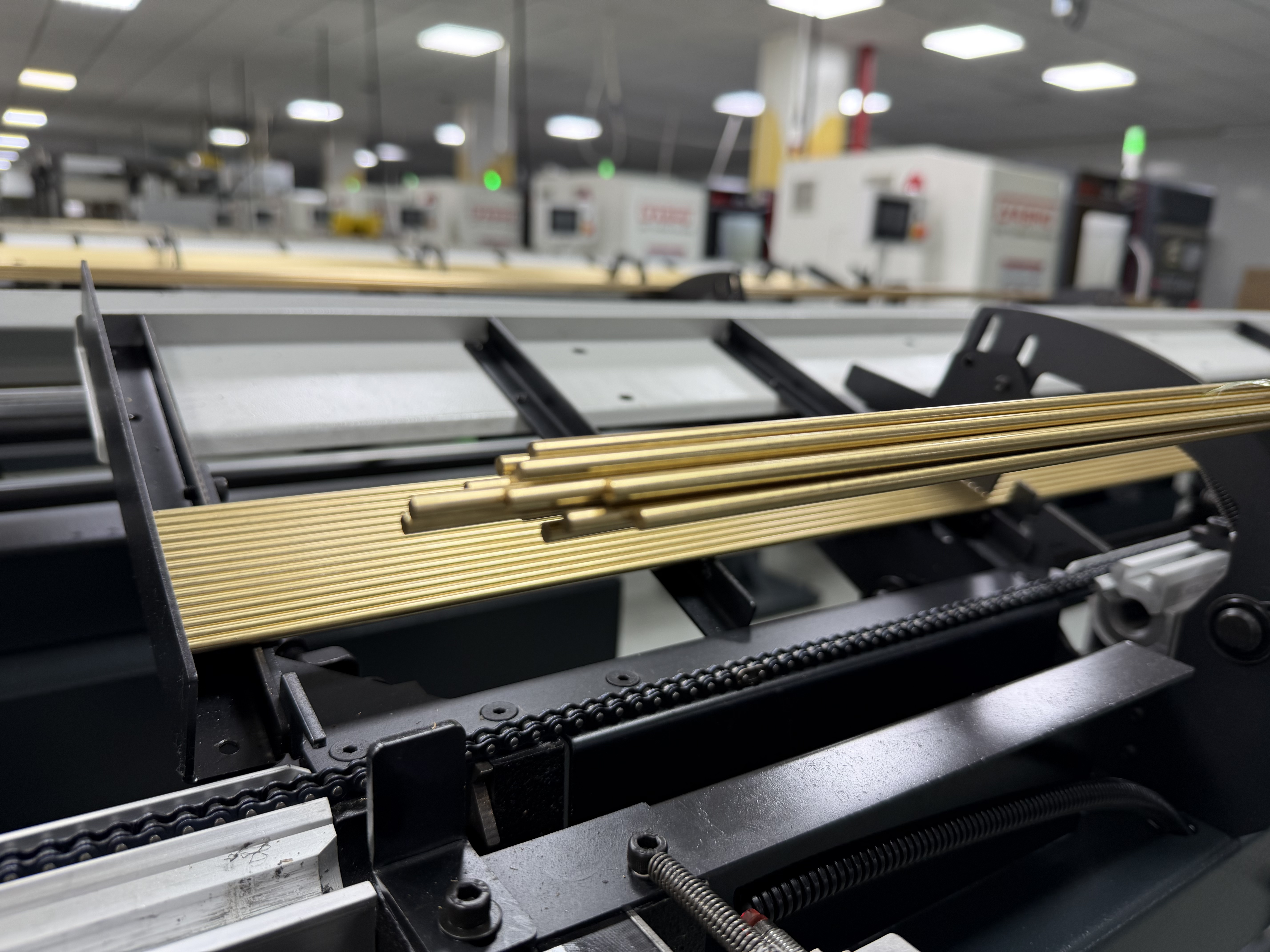
CNC precision machining represents a revolutionary manufacturing technology that transforms raw materials into highly accurate components through computer-controlled cutting tools and automated processes. This advanced manufacturing method utilizes Computer Numerical Control systems to execute precise operations with exceptional repeatability and dimensional accuracy. The technology encompasses various machining processes including milling, turning, drilling, grinding, and electrical discharge machining, all controlled by sophisticated software programs that translate digital designs into physical products. The main functions of CNC precision machining include creating complex geometries, maintaining tight tolerances typically ranging from ±0.001 to ±0.0001 inches, and producing consistent results across large production runs. The technological features that distinguish CNC precision machining include multi-axis capabilities allowing simultaneous movement in multiple directions, real-time monitoring systems that ensure quality control, and adaptive machining parameters that automatically adjust cutting speeds and feeds based on material properties. Advanced CNC precision machining centers feature tool changers that can accommodate dozens of cutting tools, enabling complete part production in a single setup. The technology incorporates sophisticated measurement systems, including in-process probing and coordinate measuring machines, to verify dimensional accuracy throughout production. Applications for CNC precision machining span numerous industries including aerospace, automotive, medical devices, electronics, defense, and energy sectors. In aerospace manufacturing, CNC precision machining produces critical components like turbine blades, landing gear assemblies, and structural elements that must meet stringent safety requirements. The automotive industry relies on this technology for engine components, transmission parts, and precision tooling. Medical device manufacturers use CNC precision machining to create surgical instruments, implants, and diagnostic equipment requiring biocompatible materials and exceptional surface finishes. The electronics industry depends on this technology for producing heat sinks, connectors, and precision housings for sensitive electronic components.
Popular Products

CNC precision machining delivers substantial advantages that directly impact manufacturing efficiency, product quality, and overall business performance for companies across diverse industries. The technology eliminates human error through automated operations, ensuring consistent results that meet exact specifications every time. This reliability translates into reduced waste, lower rejection rates, and significant cost savings over traditional manufacturing methods. Manufacturing companies experience enhanced productivity as CNC precision machining operates continuously with minimal supervision, often running lights-out operations during off-hours to maximize throughput. The technology accommodates rapid prototyping and production changes through simple program modifications, allowing businesses to respond quickly to market demands and customer requirements without extensive retooling costs. Quality assurance becomes streamlined as CNC precision machining maintains consistent dimensional accuracy throughout production runs, reducing inspection time and eliminating variability associated with manual operations. The versatility of CNC precision machining enables manufacturers to work with diverse materials including metals, plastics, composites, and ceramics, expanding their capabilities to serve multiple market segments. Cost-effectiveness emerges through reduced labor requirements, minimized material waste, and elimination of expensive fixtures and tooling changes between different parts. The technology supports complex geometries and intricate features that would be impossible or prohibitively expensive using conventional machining methods. Lead times decrease significantly as CNC precision machining eliminates setup delays and reduces the need for multiple operations across different machines. Surface finish quality remains superior and consistent, often eliminating secondary finishing operations and reducing overall production time. Scalability becomes effortless as programs can be easily replicated across multiple machines, enabling rapid production increases without compromising quality or accuracy. Documentation and traceability improve through digital records of machining parameters, tool usage, and quality measurements, supporting regulatory compliance and continuous improvement initiatives. The technology future-proofs manufacturing operations by providing flexibility to adapt to changing product designs and market requirements without significant capital investments. Risk reduction occurs through predictable outcomes, reduced operator dependency, and consistent quality metrics that support reliable delivery schedules and customer satisfaction.

Tips And Tricks

How To Determine The Chemical Stability Of Materials

10

Mar

How To Determine The Chemical Stability Of Materials

View More
How To Choose Appropriate Automotive Parts According To Testing Standards

10

Mar

How To Choose Appropriate Automotive Parts According To Testing Standards

View More

Get a Free Quote

Our representative will contact you soon.
Email
Mobile/WhatsApp
Name
Company Name
Message
0/1000

cnc precision machining

Unparalleled Precision and Accuracy Control

Unparalleled Precision and Accuracy Control

CNC precision machining delivers exceptional dimensional accuracy that surpasses conventional manufacturing methods, achieving tolerances as tight as ±0.0001 inches consistently across production runs. This remarkable precision stems from the elimination of human variables and the integration of advanced control systems that monitor and adjust cutting parameters in real-time. The technology utilizes high-resolution encoders and feedback systems that continuously track tool position and workpiece alignment, ensuring every cut maintains exact specifications. Temperature compensation systems automatically adjust for thermal expansion and contraction, maintaining accuracy even during extended production cycles. Advanced CNC precision machining centers incorporate laser interferometry and optical measurement systems that verify positioning accuracy to sub-micron levels, providing unprecedented quality assurance. The closed-loop control system continuously compares actual positions with programmed coordinates, making instantaneous corrections to maintain precise cutting paths. This level of accuracy translates directly into superior part quality, reduced assembly issues, and enhanced product performance for end users. Manufacturing companies benefit from reduced rejection rates, eliminated rework costs, and improved customer satisfaction through consistent delivery of parts that meet exact specifications. The precision capabilities enable production of complex assemblies with perfect fit and function, reducing the need for manual adjustments during assembly processes. Quality control becomes more efficient as parts consistently fall within specified tolerances, reducing inspection time and eliminating variability concerns. The accuracy advantages extend to surface finish quality, with CNC precision machining producing consistent surface textures and eliminating tool marks or irregularities common in manual operations. This precision control supports critical applications in aerospace, medical, and automotive industries where dimensional accuracy directly impacts safety, performance, and regulatory compliance requirements.
Enhanced Production Efficiency and Automation

Enhanced Production Efficiency and Automation

CNC precision machining revolutionizes manufacturing efficiency through comprehensive automation that maximizes productivity while minimizing labor costs and production time. The technology operates continuously with minimal human intervention, enabling lights-out manufacturing that extends production capacity beyond traditional working hours. Automated tool changers equipped with extensive tool libraries eliminate manual tool changes, reducing setup time and increasing machining time utilization. The system automatically selects appropriate cutting tools based on programmed operations, optimizing cutting parameters for each specific material and geometry requirement. Advanced workholding systems and robotic loading mechanisms enable unmanned operation for extended periods, dramatically increasing throughput capacity. Real-time monitoring systems track production progress and automatically alert operators to any issues requiring attention, preventing costly downtime and maintaining consistent production flow. CNC precision machining eliminates the learning curve associated with manual operations, as programs execute identically regardless of operator skill level or experience. Production planning becomes more accurate and reliable through predictable cycle times and consistent quality outcomes that support just-in-time manufacturing strategies. The technology supports simultaneous multi-axis operations that complete complex parts in single setups, eliminating transfer time between multiple machines and reducing handling costs. Adaptive machining capabilities automatically adjust cutting speeds and feeds based on real-time conditions, optimizing tool life and maintaining consistent surface quality throughout production runs. Integration with enterprise resource planning systems enables seamless production scheduling and inventory management, supporting lean manufacturing principles and reducing work-in-process inventory. The efficiency gains translate into competitive advantages through reduced per-part costs, faster delivery times, and improved capacity utilization that supports business growth and market expansion opportunities.
Exceptional Material Versatility and Design Flexibility

Exceptional Material Versatility and Design Flexibility

CNC precision machining demonstrates remarkable versatility in processing diverse materials and accommodating complex design requirements that challenge conventional manufacturing methods. The technology successfully machines metals ranging from aluminum and steel to exotic alloys including titanium, Inconel, and hardened tool steels, adapting cutting parameters and tool selection for optimal results with each material type. Advanced ceramics, engineering plastics, and composite materials can be precisely machined using specialized cutting tools and cooling systems designed for specific material properties. This material versatility enables manufacturers to serve multiple industries and applications from a single machining platform, maximizing equipment utilization and reducing capital investment requirements. Design flexibility reaches exceptional levels as CNC precision machining creates complex three-dimensional geometries, intricate internal features, and tight-tolerance assemblies that would be impossible using traditional manufacturing methods. Multi-axis capabilities enable simultaneous cutting operations from multiple angles, producing complete parts with undercuts, angular features, and curved surfaces in single setups. The technology accommodates rapid design changes through simple program modifications, supporting prototype development and custom manufacturing requirements without tooling delays or setup costs. Complex assemblies can be simplified through integral designs that eliminate multiple components and assembly operations, reducing costs and improving reliability. Surface texturing and finishing operations can be integrated into machining programs, eliminating secondary processes and reducing production time. The flexibility extends to batch size optimization, efficiently producing single prototypes or high-volume production runs using identical programs and setups. Custom fixtures and workholding solutions can be quickly designed and manufactured to accommodate unique part geometries and production requirements. This versatility supports innovation and product development by enabling rapid iteration of designs and testing of new concepts without significant time or cost investments, accelerating time-to-market for new products and maintaining competitive advantages in dynamic market environments.

Get a Free Quote

Our representative will contact you soon.
Email
Mobile/WhatsApp
Name
Company Name
Message
0/1000