
 EN
EN
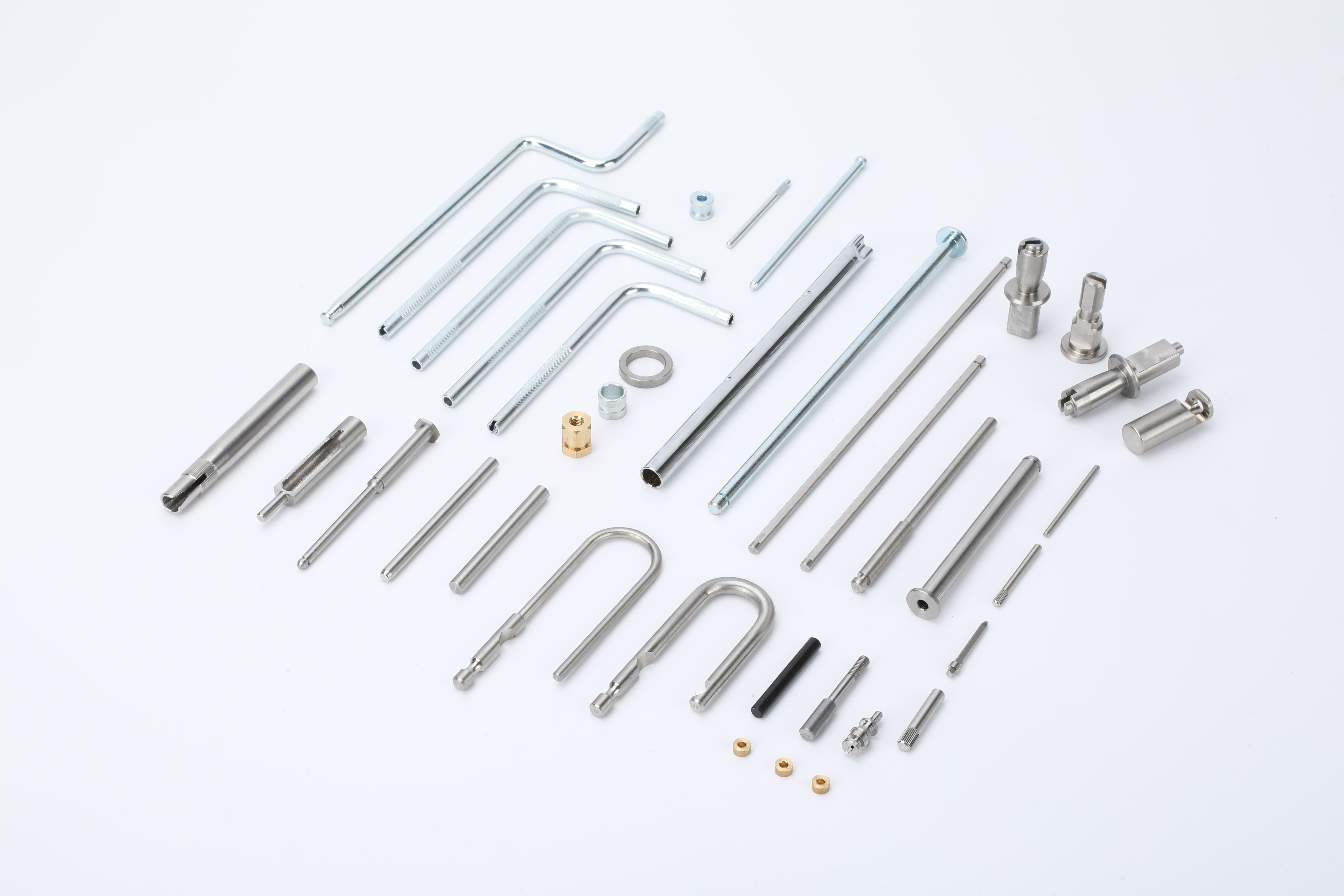
Manufacturing efficiency and cost control remain the cornerstones of competitive advantage in modern industrial production. When evaluating capital equipment decisions, production managers often face the challenge of balancing initial expenditure against long-term operational value. A high-quality progressive die represents one of the most strategic investments a manufacturer can make, fundamentally transforming production economics through sustained performance, reduced per-unit costs, and enhanced product consistency over extended operational cycles.
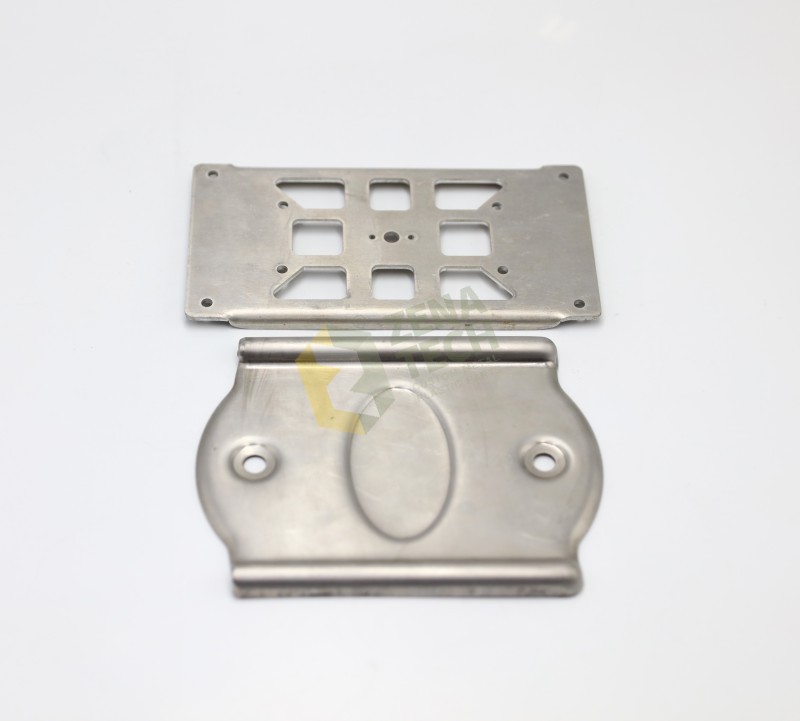
The true value of a premium progressive die extends far beyond its immediate functionality. Unlike lower-grade tooling that degrades rapidly under production stress, a properly engineered progressive die delivers consistent dimensional accuracy, minimizes scrap rates, and maintains tight tolerances across millions of cycles. This article examines the fundamental business reasons why investing in superior progressive die tooling generates measurable returns across multiple dimensions of manufacturing performance, from reduced downtime and maintenance costs to improved material utilization and enhanced product quality that strengthens customer relationships and market positioning.
The Economic Foundation of Progressive Die Investment Value
Understanding Total Cost of Ownership Beyond Initial Price
Many procurement decisions focus narrowly on upfront tool costs, overlooking the substantial economic impact of operational performance over the productive lifespan of stamping equipment. A high-quality progressive die typically costs thirty to fifty percent more than standard tooling, yet this premium translates into operational savings that dwarf the initial differential. The total cost of ownership calculation must incorporate maintenance frequency, downtime events, scrap rates, cycle time efficiency, and tool life expectancy to reveal the authentic economic value proposition.
Production environments running multiple shifts experience particularly dramatic benefits from premium tooling. When a progressive die maintains dimensional stability across extended production runs, manufacturers avoid costly mid-run adjustments, reduce quality control intervention, and eliminate the production interruptions that cascade through scheduling systems. The compounding effect of these incremental improvements creates substantial cumulative savings that become increasingly significant as production volumes scale.
Material Utilization Efficiency and Scrap Reduction
Superior progressive die design incorporates optimized strip layouts that maximize material yield from coil stock. Precision engineering of pilot systems, stripper plates, and cutting edges ensures consistent part positioning throughout the stamping sequence, minimizing the scrap skeleton percentage and reducing raw material consumption per finished component. In high-volume production environments processing expensive materials such as stainless steel, titanium alloys, or pre-coated substrates, even marginal improvements in material utilization generate substantial cost reductions.
The economic impact of scrap reduction extends beyond direct material savings. Lower scrap generation reduces handling costs, recycling logistics, and environmental compliance burdens. Manufacturers operating under strict sustainability mandates or facing rising disposal costs find that premium progressive die tooling supports both environmental objectives and bottom-line performance. The precision inherent in quality tooling also reduces the production of borderline parts that pass initial inspection but generate field failures, protecting brand reputation and minimizing warranty exposure.
Production Throughput and Cycle Time Optimization
High-quality progressive die construction enables faster press speeds without sacrificing part quality or increasing defect rates. Precision-ground die components, optimized clearances, and advanced material coatings reduce friction and heat generation, allowing sustained operation at higher stroke rates. This throughput advantage compounds over time, enabling manufacturers to fulfill larger order volumes with existing equipment capacity or reduce per-unit production costs through improved asset utilization.
The reliability of premium progressive die tooling also eliminates the production variability that complicates scheduling and capacity planning. When manufacturers can confidently predict cycle times and quality outcomes, they gain scheduling flexibility, reduce safety stock requirements, and improve customer delivery performance. This operational predictability becomes increasingly valuable in just-in-time manufacturing environments where production delays trigger cascading supply chain disruptions and contractual penalties.
Technical Superiority Driving Long-Term Performance
Precision Engineering and Dimensional Stability
The metallurgical composition and heat treatment protocols applied to premium progressive die components fundamentally determine operational longevity. Tool steels selected for superior wear resistance, toughness, and dimensional stability maintain cutting edge geometry and piloting accuracy across millions of stamping cycles. Advanced surface treatments such as physical vapor deposition coatings, nitriding, or cryogenic processing extend wear resistance while reducing friction coefficients, directly translating into extended maintenance intervals and sustained part quality.
Dimensional stability under thermal cycling represents another critical performance differentiator. Production environments subject progressive die tooling to repeated heating and cooling cycles that induce dimensional changes in lower-quality materials. Premium tool steels engineered for thermal stability maintain critical dimensions throughout temperature fluctuations, preserving tight tolerances and eliminating the drift that necessitates frequent adjustment or premature replacement. This thermal performance becomes particularly important in high-speed stamping applications generating substantial frictional heat.
Advanced Design Features Enhancing Operational Reliability
Sophisticated progressive die designs incorporate features that reduce maintenance requirements and extend productive life. Precision pilot systems with hardened bushings maintain strip registration accuracy, preventing the cascading positioning errors that generate scrap and accelerate wear. Modular construction enables targeted replacement of wear components without complete die rebuilding, reducing maintenance costs and minimizing production downtime. Spring-loaded strippers and positive ejection systems ensure consistent part removal, preventing jams that damage die surfaces and interrupt production.
The integration of sensors and monitoring systems in advanced progressive die designs provides real-time performance data that enables predictive maintenance strategies. Force monitoring, temperature sensing, and acoustic emission detection identify developing problems before catastrophic failures occur, allowing planned maintenance interventions that minimize production disruption. This proactive maintenance approach, enabled by premium tooling design, fundamentally changes maintenance economics from reactive crisis management to planned optimization.
Adaptability to Process Refinement and Product Evolution
Manufacturing environments face continuous pressure to refine processes, accommodate design modifications, and respond to evolving customer specifications. High-quality progressive die construction anticipates these requirements through modular architecture and precision mounting systems that facilitate modification without compromising structural integrity. The ability to adapt existing tooling to accommodate minor design changes protects the initial investment while avoiding the lead times and costs associated with complete die replacement.
Premium progressive die designs also incorporate larger safety margins in structural elements, punch strengths, and alignment systems, providing headroom for process optimization initiatives. Manufacturers implementing lean production methodologies often discover opportunities to increase press speeds, modify forming sequences, or adjust material specifications. Quality tooling accommodates these improvements without premature failure, enabling continuous improvement programs that would quickly overwhelm lower-grade equipment.
Strategic Business Impact Beyond Direct Production Costs
Quality Consistency and Customer Relationship Strengthening
The dimensional consistency delivered by precision progressive die tooling directly influences customer satisfaction and competitive positioning. When stamped components maintain tight tolerances across production lots, customers experience fewer assembly issues, reduced quality complaints, and improved end-product performance. This reliability strengthens business relationships, supports premium pricing strategies, and generates repeat business that provides stable revenue streams and reduces customer acquisition costs.
Quality consistency becomes particularly valuable in industries with stringent regulatory requirements or safety-critical applications. Automotive, aerospace, medical device, and electronics manufacturers face severe consequences from component variability, including product recalls, regulatory sanctions, and liability exposure. Premium progressive die tooling that reliably produces parts within specification limits provides essential risk mitigation, protecting brand reputation and reducing quality assurance overhead through reduced inspection requirements and fewer corrective actions.
Competitive Responsiveness and Market Flexibility
Manufacturers equipped with reliable progressive die tooling gain strategic flexibility in bidding on new business and responding to market opportunities. The confidence in production capability and cost predictability enables aggressive quoting on high-volume programs, knowing that operational performance will support profitable execution. This competitive advantage becomes self-reinforcing as successful program execution builds reputation, generates references, and attracts increasingly sophisticated customers willing to pay premiums for reliable manufacturing partnerships.
The reduced changeover times and setup complexity associated with well-designed progressive die systems also enable economical production of smaller lot sizes, supporting product variety strategies and customization programs. Manufacturers can pursue mixed-model production approaches, rapid prototyping initiatives, and quick-response manufacturing models that would be economically prohibitive with less capable tooling. This operational flexibility opens market segments and customer relationships unavailable to competitors constrained by tooling limitations.
Workforce Productivity and Operational Knowledge Retention
Reliable progressive die performance reduces the specialized knowledge required for daily operations, lowering training requirements and reducing dependence on highly skilled troubleshooting expertise. When tooling performs consistently, operators focus on productive activities rather than constant adjustment and problem-solving. This operational simplification reduces labor costs, improves safety outcomes by reducing manual intervention requirements, and mitigates the risks associated with workforce turnover and knowledge loss.
The operational stability provided by premium progressive die equipment also creates a more attractive work environment, supporting employee retention and reducing recruitment costs. Production personnel prefer working with reliable equipment that produces quality results predictably rather than struggling with problematic tooling that generates stress, frustration, and performance pressure. This human factors dimension of tooling investment often receives insufficient attention in capital equipment decisions despite its substantial impact on manufacturing culture and organizational capability.
Risk Mitigation and Business Continuity Considerations
Reducing Catastrophic Failure Risks and Production Interruptions
Lower-quality progressive die tooling carries substantially higher risks of catastrophic failure that can halt production for extended periods while emergency repairs or replacement tooling is secured. These unplanned shutdowns generate costs far exceeding the tool repair expenses, including lost production revenue, expedited shipping charges to maintain customer deliveries, potential contractual penalties, and emergency labor premiums. Premium progressive die construction dramatically reduces these failure risks through superior materials, conservative design margins, and robust structural engineering.
The business continuity advantages of reliable tooling become particularly significant for manufacturers serving just-in-time supply chains or operating as sole-source suppliers for critical components. Production interruptions in these contexts trigger immediate customer crises, emergency sourcing efforts, and potential long-term relationship damage. The insurance value of premium progressive die reliability provides peace of mind and protects business relationships that represent years of development investment and strategic positioning.
Protecting Intellectual Property and Proprietary Processes
Manufacturers developing proprietary stamping processes, specialized forming techniques, or innovative product designs embed substantial intellectual capital in progressive die tooling. Premium die construction protects this investment through extended operational life that amortizes development costs across larger production volumes. The dimensional accuracy and process repeatability of quality tooling also enables reliable reproduction of complex geometries and tight tolerances that represent competitive advantages difficult for competitors to replicate.
The documentation and engineering rigor associated with high-quality progressive die development creates institutional knowledge that supports continuous improvement and process optimization. Detailed die design records, material specifications, and operational parameters provide foundations for future tooling projects, reducing development costs and accelerating new product launches. This accumulated expertise represents organizational capital that compounds over time, creating barriers to entry and sustainable competitive advantages.
Financial Performance and Asset Valuation Implications
Manufacturing operations equipped with modern, well-maintained progressive die tooling command premium valuations in business transactions, strategic partnerships, and financing arrangements. Lenders and investors recognize that quality production assets generate more predictable cash flows, carry lower operational risks, and provide greater strategic flexibility than facilities relying on marginal equipment. The balance sheet treatment of premium tooling as long-lived assets with extended depreciation schedules also provides financial reporting advantages compared to frequent replacement of inferior equipment expensed more rapidly.
The cash flow characteristics of premium progressive die investments align favorably with manufacturing business models. The substantial upfront capital requirement is offset by reduced ongoing maintenance expenditures, lower scrap costs, and minimal unplanned replacement needs. This cash flow profile supports financial planning predictability and reduces the working capital volatility associated with frequent equipment crises and emergency repairs that plague operations relying on marginal tooling.
Implementation Considerations for Maximizing Investment Value
Supplier Selection and Partnership Development
Realizing the full potential of progressive die investment requires selecting tooling suppliers with demonstrated engineering capability, manufacturing precision, and post-delivery support commitment. The relationships manufacturers establish with die builders significantly influence long-term tooling performance through design collaboration, material selection guidance, and ongoing technical support. Premium tooling suppliers bring process optimization expertise, failure analysis capabilities, and continuous improvement methodologies that extend well beyond simple tool fabrication.
Effective supplier partnerships begin with comprehensive communication of production requirements, quality expectations, and operational constraints. Detailed specifications regarding material properties, production volumes, cycle time targets, and maintenance capabilities enable tooling engineers to optimize designs for specific manufacturing environments. Collaborative design reviews identifying potential issues before tool construction prevent costly modifications and ensure first-run success that protects production schedules and controls project costs.
Maintenance Strategy Development and Preventive Care Programs
Even premium progressive die tooling requires systematic maintenance to achieve full life potential and sustain performance specifications. Manufacturers must implement structured preventive maintenance programs incorporating regular inspections, precision measurement protocols, and component replacement schedules based on wear monitoring rather than reactive failure response. Documentation systems tracking die performance, maintenance interventions, and process adjustments create data foundations for continuous improvement and inform future tooling investments.
Training production personnel in proper die handling, setup procedures, and problem identification protects tooling investments from damage caused by improper operation. Many premature die failures result from avoidable errors such as incorrect material specifications, improper lubrication, or failure to recognize developing problems before minor issues escalate into major damage. Investing in workforce capability development multiplies the value of premium tooling by ensuring operational practices match equipment capability.
Performance Monitoring and Value Realization Measurement
Capturing the full business value of progressive die investments requires systematic tracking of performance metrics that quantify operational improvements and financial returns. Manufacturers should establish baseline measurements before new tooling implementation covering scrap rates, cycle times, maintenance frequency, quality metrics, and production costs. Ongoing monitoring of these parameters documents value realization, identifies optimization opportunities, and builds the business case for future quality tooling investments.
The data generated through comprehensive performance monitoring also supports continuous improvement initiatives and process refinement. Statistical process control applied to stamping operations reveals capability improvements, identifies process drift requiring intervention, and validates the correlation between tooling quality and output consistency. This analytical approach transforms intuitive understanding of tooling value into quantified business intelligence that informs strategic planning and capital allocation decisions.
FAQ
What production volume justifies investing in a high-quality progressive die versus standard tooling?
The breakeven production volume for premium progressive die investment depends on several factors including part complexity, material costs, quality requirements, and the price differential between tooling options. Generally, production runs exceeding 500,000 pieces clearly justify quality tooling investment through cumulative operational savings. However, manufacturers producing high-value components, working with expensive materials, or serving quality-critical applications often find economic justification at volumes as low as 100,000 pieces. The calculation should incorporate total cost of ownership including maintenance, scrap, downtime, and quality costs rather than focusing solely on per-piece production costs. Companies pursuing long-term product strategies rather than short-lifecycle components receive greater returns from premium tooling investments.
How long does a high-quality progressive die typically last compared to standard tooling?
Premium progressive die tooling constructed from superior materials with advanced surface treatments typically achieves productive lifespans of three to five million cycles or more, depending on material being stamped, part complexity, and maintenance practices. This represents approximately double the productive life of standard tooling, which commonly requires major rebuilding or replacement after one to two million cycles. The extended lifespan results from superior wear resistance, better dimensional stability, and robust construction that withstands production stresses without degradation. Manufacturers implementing rigorous preventive maintenance programs and operating within design parameters often exceed these benchmarks substantially. The practical implication is that premium tooling often outlasts multiple product generations, supporting amortization across extended timeframes that dramatically reduce per-unit tooling costs.
Can existing progressive die tooling be upgraded to improve performance without complete replacement?
Many aspects of progressive die performance can be improved through targeted upgrades and component replacement, particularly when the original die construction incorporated quality base materials and sound structural design. Common upgrade opportunities include replacing worn cutting punches with premium tool steel components, adding advanced surface coatings to extend wear resistance, upgrading pilot systems for improved accuracy, and retrofitting monitoring sensors for predictive maintenance capability. However, fundamental design limitations, structural deficiencies, or base material problems cannot be economically corrected through upgrades. The feasibility and economic justification for progressive die upgrades depends on careful assessment of existing tooling condition, remaining structural life, and the performance gap between current capability and production requirements. Consulting with experienced die engineers provides the technical insight necessary for informed upgrade versus replacement decisions.
What specific features distinguish a high-quality progressive die from lower-grade alternatives?
Superior progressive die tooling exhibits several distinguishing characteristics including premium tool steel selection with appropriate hardness specifications for different die components, precision grinding of all critical surfaces to tight tolerances, advanced surface treatments such as coatings or heat treatments that extend wear resistance, robust die set construction with precision guide systems, modular design enabling component replacement without complete die rebuilding, sophisticated pilot systems maintaining accurate strip positioning, optimized strip layout maximizing material utilization, integrated spring-loaded strippers ensuring reliable part ejection, and comprehensive documentation including detailed drawings and maintenance specifications. Quality tooling also demonstrates superior fit and finish with smooth surfaces, precise alignments, and careful attention to detail throughout construction. The cumulative effect of these features creates tooling that performs reliably across millions of cycles while maintaining dimensional accuracy and requiring minimal maintenance intervention.
Table of Contents
- The Economic Foundation of Progressive Die Investment Value
- Technical Superiority Driving Long-Term Performance
- Strategic Business Impact Beyond Direct Production Costs
- Risk Mitigation and Business Continuity Considerations
- Implementation Considerations for Maximizing Investment Value
-
FAQ
- What production volume justifies investing in a high-quality progressive die versus standard tooling?
- How long does a high-quality progressive die typically last compared to standard tooling?
- Can existing progressive die tooling be upgraded to improve performance without complete replacement?
- What specific features distinguish a high-quality progressive die from lower-grade alternatives?