
 EN
EN
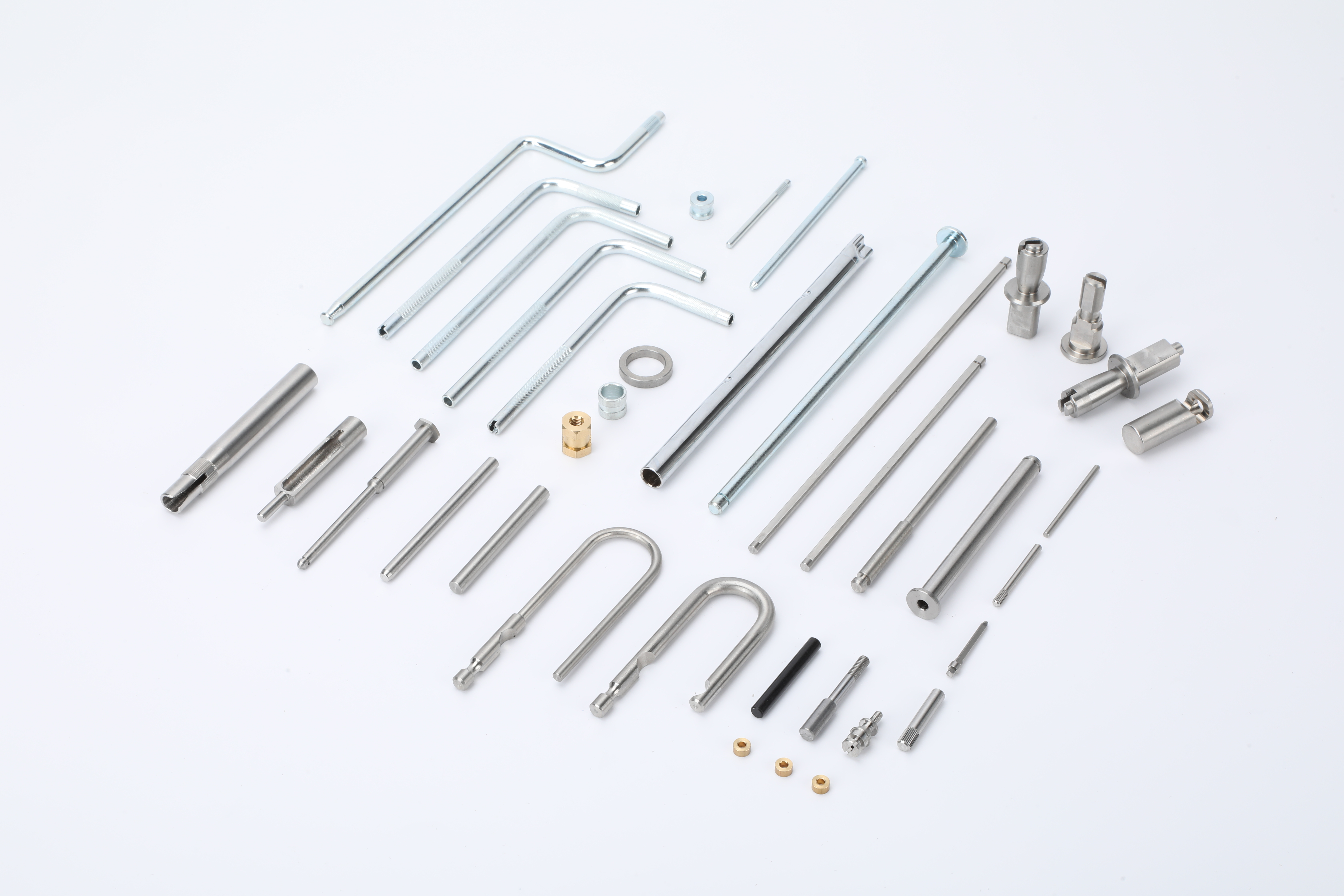
In the landscape of contemporary construction and manufacturing, sheet metal parts have emerged as indispensable components that bridge aesthetic vision with structural integrity. From the sweeping facades of landmark buildings to the precision-engineered assemblies within industrial machinery, sheet metal parts demonstrate an exceptional ability to adapt across diverse applications while maintaining cost-effectiveness and performance reliability. This versatility stems not only from the material properties of metals like aluminum, stainless steel, and galvanized steel, but also from advanced fabrication techniques that allow designers and engineers to push creative and functional boundaries. As architectural trends embrace complex geometries and industrial sectors demand lightweight yet durable solutions, sheet metal parts continue to redefine what is achievable in both domains, serving as the backbone of innovation in modern design and manufacturing.

The growing reliance on sheet metal parts across architectural and industrial contexts reflects a fundamental shift in how professionals approach material selection and design execution. Unlike traditional construction materials that often impose rigid constraints on form and function, sheet metal parts offer remarkable flexibility in customization, enabling architects to realize visionary concepts while engineers optimize for performance metrics such as strength-to-weight ratios, thermal management, and corrosion resistance. This dual capability makes sheet metal parts uniquely positioned to meet the evolving demands of sustainable building practices, smart manufacturing systems, and infrastructure projects that require long-term durability with minimal maintenance. Understanding the breadth of applications and the technical advantages that sheet metal parts bring to these fields is essential for stakeholders seeking to leverage their full potential in competitive and innovation-driven markets.
Material Properties Driving Versatility in Sheet Metal Parts
Adaptability Across Metal Alloys and Finishes
One of the most compelling aspects of sheet metal parts is their availability in a wide spectrum of metal alloys, each offering distinct mechanical and aesthetic properties suited to specific architectural and industrial requirements. Aluminum sheet metal parts, for instance, provide an excellent strength-to-weight ratio combined with natural corrosion resistance, making them ideal for exterior cladding systems, roofing panels, and lightweight structural components in both commercial buildings and transportation equipment. Stainless steel sheet metal parts deliver superior durability and a polished, modern appearance that aligns with high-end architectural finishes and hygienic industrial environments such as food processing facilities and medical device manufacturing. Meanwhile, carbon steel and galvanized steel sheet metal parts offer cost-effective solutions for heavy-duty industrial frameworks, storage systems, and infrastructure applications where robustness and load-bearing capacity are paramount.
The surface treatment options available for sheet metal parts further expand their versatility, allowing designers to achieve specific functional and visual outcomes. Powder coating, anodizing, electroplating, and brushed or polished finishes enable sheet metal parts to meet diverse aesthetic preferences while enhancing resistance to environmental stressors such as UV exposure, moisture, and chemical corrosion. In architectural contexts, these finishes contribute to the overall design language of a structure, whether the goal is a sleek, contemporary look or a textured, industrial character. In industrial settings, specialized coatings on sheet metal parts improve wear resistance, reduce friction in moving assemblies, and facilitate compliance with industry-specific standards for safety and performance. This combination of material choice and surface treatment flexibility ensures that sheet metal parts can be tailored to meet the precise demands of any project, regardless of scale or complexity.
Mechanical Performance and Structural Efficiency
The mechanical properties inherent to sheet metal parts make them exceptionally well-suited for applications requiring both strength and formability. Through processes such as bending, stamping, rolling, and deep drawing, sheet metal parts can be shaped into complex three-dimensional geometries without compromising their structural integrity. This formability is critical in architectural applications where curved facades, intricate panel systems, and custom ornamental elements demand materials that can be precisely manipulated to match digital design models. In industrial design, the ability to form sheet metal parts into housings, enclosures, brackets, and mounting plates allows for efficient integration into assemblies where space optimization and weight reduction are key considerations.
Beyond formability, sheet metal parts exhibit favorable tensile strength, fatigue resistance, and impact tolerance, characteristics that are essential for components exposed to dynamic loads, vibration, or thermal cycling. In industrial machinery, sheet metal parts serve as chassis elements, protective guards, and functional panels that must withstand operational stresses while maintaining dimensional stability over extended service lives. Architectural sheet metal parts, particularly those used in curtain walls and roof systems, must resist wind loads, seismic forces, and thermal expansion without deformation or failure. The mechanical efficiency of sheet metal parts is further enhanced by design techniques such as ribbing, flanging, and corrugation, which increase stiffness and load distribution without adding significant weight. These engineering strategies enable sheet metal parts to deliver high performance in demanding environments while supporting sustainable design principles through material conservation and energy-efficient production processes.
Architectural Applications Showcasing Sheet Metal Parts
Facade Systems and Exterior Cladding
In contemporary architecture, facade systems constructed from sheet metal parts have become iconic features of urban skylines and institutional buildings, offering both visual impact and functional performance. Sheet metal parts allow architects to create continuous, weather-resistant envelopes that protect building interiors while expressing bold design concepts through varied textures, perforations, and geometric patterns. Aluminum and zinc sheet metal parts are particularly popular for exterior cladding due to their lightweight nature, corrosion resistance, and ability to be formed into large panels with minimal seams, contributing to clean, modern aesthetics. The precision achievable in fabricating sheet metal parts ensures tight tolerances and consistent panel alignment, which are critical for maintaining the integrity of ventilated rainscreen systems and thermally broken curtain walls.
The adaptability of sheet metal parts in facade applications extends to their compatibility with advanced building technologies such as integrated photovoltaic systems, dynamic shading devices, and digital fabrication workflows. Architects increasingly specify sheet metal parts that incorporate parametric design principles, enabling the production of non-repetitive panel configurations that respond to site-specific conditions like solar orientation and wind patterns. This level of customization, made feasible by computer-aided manufacturing of sheet metal parts, supports sustainable building strategies by optimizing natural light penetration, reducing heat gain, and enhancing occupant comfort. Additionally, the recyclability of metal materials aligns with green building certifications and circular economy goals, reinforcing the role of sheet metal parts as responsible choices in environmentally conscious architectural practice.
Interior Design and Decorative Elements
Beyond their structural and protective functions, sheet metal parts have gained prominence in interior architectural applications where aesthetic versatility and material expression are paramount. Designers utilize sheet metal parts to create feature walls, ceiling panels, stair components, and custom furniture that blend industrial character with refined craftsmanship. The malleability of sheet metal parts allows for intricate detailing such as embossing, perforation, and laser-cut patterns that introduce visual interest and spatial definition within commercial, hospitality, and residential interiors. Stainless steel and brass sheet metal parts, in particular, are favored for their ability to convey luxury and sophistication while offering practical benefits like ease of cleaning and resistance to wear in high-traffic environments.
The use of sheet metal parts in interior design also supports modular and demountable construction approaches, where components can be prefabricated off-site and rapidly assembled on location with minimal disruption. This modularity is especially advantageous in renovation projects and adaptive reuse scenarios where existing structures must be preserved or modified with efficiency. Sheet metal parts configured as partition systems, acoustic panels, or integrated millwork provide flexibility for future reconfigurations, extending the lifecycle of interior spaces and reducing waste associated with demolition. Furthermore, the reflective and textured surfaces achievable with sheet metal parts enhance lighting design strategies, amplifying natural and artificial light to improve ambiance and energy performance. These applications demonstrate how sheet metal parts transcend their utilitarian origins to become expressive design elements that contribute to the holistic experience of built environments.
Industrial Design and Manufacturing Advantages of Sheet Metal Parts
Machine Enclosures and Protective Housings
In industrial settings, sheet metal parts form the backbone of equipment enclosures, control cabinets, and protective housings that safeguard sensitive electronics, mechanical systems, and operators from environmental hazards and operational risks. The ability to fabricate sheet metal parts with precise cutouts, ventilation slots, and mounting features ensures seamless integration with internal components while maintaining electromagnetic compatibility and thermal management requirements. Steel and aluminum sheet metal parts are commonly specified for these applications due to their robust shielding properties, ease of grounding, and compatibility with powder coating processes that enhance corrosion resistance and compliance with safety standards such as NEMA and IP ratings.
The design flexibility of sheet metal parts enables engineers to optimize enclosure geometries for specific industrial environments, whether accommodating compact electronics in cleanroom settings or housing heavy-duty drives and motors in manufacturing facilities. Modular panel systems constructed from sheet metal parts facilitate rapid assembly, maintenance access, and scalability, allowing production equipment to be reconfigured as operational needs evolve. Additionally, the cost-effectiveness of sheet metal parts relative to cast or machined alternatives makes them attractive for high-volume production runs and standardized product lines, where consistency, repeatability, and supply chain efficiency are critical. This combination of functional performance and economic viability positions sheet metal parts as essential components in industrial design strategies focused on reliability, safety, and operational excellence.
Custom Fabrication for Specialized Industrial Equipment
Beyond standardized enclosures, sheet metal parts enable the creation of highly customized components tailored to the unique requirements of specialized industrial equipment across sectors such as automation, energy generation, material handling, and precision manufacturing. Engineers leverage advanced fabrication techniques including laser cutting, CNC punching, and robotic welding to produce sheet metal parts with complex contours, tight tolerances, and integrated fastening features that reduce assembly time and improve structural coherence. These capabilities are particularly valuable in industries where equipment must operate under extreme conditions, such as high temperatures, corrosive atmospheres, or heavy mechanical loads, demanding sheet metal parts that combine material resilience with design ingenuity.
The role of sheet metal parts in custom industrial fabrication extends to rapid prototyping and iterative design processes, where the ability to produce small batches quickly and cost-effectively accelerates product development cycles. Manufacturers can test multiple design iterations of sheet metal parts, evaluate performance under real-world conditions, and refine geometries before committing to full-scale production, reducing risk and optimizing resource allocation. Furthermore, the integration of digital manufacturing technologies such as parametric modeling, automated nesting, and real-time quality inspection enhances the precision and consistency of sheet metal parts, ensuring that even the most intricate designs meet stringent engineering specifications. This agility and precision make sheet metal parts indispensable in industries where innovation, customization, and speed-to-market are competitive differentiators.
Fabrication Techniques Enhancing the Versatility of Sheet Metal Parts
Precision Cutting and Forming Processes
The versatility of sheet metal parts is fundamentally enabled by sophisticated fabrication processes that transform flat sheets into intricate, functional components with high dimensional accuracy and surface quality. Laser cutting, one of the most widely adopted techniques, allows for the precise profiling of sheet metal parts with minimal material waste and clean edges, supporting complex geometries and tight nesting strategies that optimize raw material utilization. This precision is crucial in both architectural applications, where panels must fit seamlessly within facade systems, and industrial contexts, where brackets and mounting plates require exact hole patterns for alignment and assembly. Plasma and waterjet cutting offer alternative approaches for thicker sheet metal parts or materials that are sensitive to heat, expanding the range of feasible designs and material combinations.
Forming processes such as press braking, roll forming, and stamping further enhance the three-dimensional capabilities of sheet metal parts, enabling the creation of bends, curves, and embossed features that add structural strength and aesthetic complexity. CNC press brakes deliver consistent bend angles and radii across production runs, ensuring repeatability and fit-up quality in assemblies where multiple sheet metal parts must interface precisely. Roll forming is particularly advantageous for continuous profiles used in architectural trim, structural framing, and industrial racking systems, where uniform cross-sections and high production volumes are required. Stamping operations, including progressive and transfer dies, facilitate the high-speed production of sheet metal parts with integrated features such as holes, slots, and embossments, reducing secondary operations and assembly complexity. These fabrication techniques collectively empower designers and engineers to fully exploit the material versatility of sheet metal parts, translating conceptual designs into tangible products with efficiency and precision.
Surface Treatment and Finishing for Durability and Aesthetics
The functional and visual versatility of sheet metal parts is significantly augmented by surface treatment and finishing processes that enhance corrosion resistance, wear properties, and aesthetic appeal. Powder coating, applied electrostatically and cured under heat, provides a durable, uniform finish on sheet metal parts that resists chipping, fading, and chemical attack, making it ideal for both outdoor architectural elements and industrial equipment exposed to harsh environments. The availability of a wide spectrum of colors and textures in powder coating allows sheet metal parts to be customized to match brand identities, design themes, or regulatory requirements for visibility and safety markings in industrial facilities.
Anodizing, predominantly used for aluminum sheet metal parts, creates a hard, oxide layer that enhances surface hardness and corrosion resistance while offering opportunities for color customization through dye absorption. This process is particularly valued in architectural applications where long-term appearance retention and low maintenance are priorities, as well as in industrial components requiring electrical insulation and improved wear resistance. Electroplating and conversion coatings such as zinc phosphate or chromate treatments provide additional protection for steel sheet metal parts, extending service life in corrosive environments and improving adhesion for subsequent paint layers. Mechanical finishing techniques including brushing, polishing, and bead blasting enable sheet metal parts to achieve specific surface textures that influence light reflection, tactile qualities, and visual character, further broadening their applicability across diverse design contexts. These surface treatment options ensure that sheet metal parts not only meet stringent performance criteria but also contribute to the overall aesthetic and sensory experience of architectural and industrial projects.
Sustainability and Economic Benefits of Sheet Metal Parts
Material Efficiency and Recyclability
The environmental advantages of sheet metal parts are increasingly recognized as critical factors in sustainable design and manufacturing practices. Metals such as aluminum and steel are among the most recycled materials globally, with established infrastructure and processes that enable sheet metal parts to be reclaimed, melted, and reformed into new products with minimal loss of material properties. This recyclability reduces the demand for virgin raw materials, lowers energy consumption associated with primary metal production, and diverts waste from landfills, aligning with circular economy principles and corporate sustainability goals. In architectural projects, the specification of recyclable sheet metal parts contributes to green building certifications such as LEED and BREEAM, enhancing project marketability and demonstrating environmental stewardship.
The material efficiency of sheet metal parts is further enhanced by advanced fabrication and design optimization techniques that minimize waste during production. Nesting software algorithms arrange cutting patterns to maximize yield from each sheet, reducing offcut scrap and lowering material costs. Design-for-manufacturing principles encourage engineers to specify sheet metal parts with standard thicknesses, bend radii, and forming operations, streamlining production workflows and avoiding unnecessary complexity that consumes resources. Additionally, the lightweight nature of many sheet metal parts reduces transportation energy and emissions during distribution, while their durability and low maintenance requirements extend product lifecycles, deferring replacement and associated environmental impacts. These sustainability attributes position sheet metal parts as responsible material choices in industries facing increasing regulatory and market pressures to reduce carbon footprints and adopt regenerative practices.
Cost-Effectiveness and Supply Chain Reliability
From an economic perspective, sheet metal parts offer compelling advantages in terms of cost-effectiveness, scalability, and supply chain stability that make them attractive to architects, engineers, and procurement professionals across sectors. The widespread availability of sheet metal materials in standard sizes and thicknesses, combined with competitive global manufacturing capacity, ensures reliable sourcing and pricing stability even during periods of market volatility. This accessibility allows project teams to specify sheet metal parts with confidence in timely delivery and budget predictability, critical factors in maintaining construction schedules and production timelines. Moreover, the relatively low tooling costs associated with many sheet metal fabrication processes, particularly for laser cutting and press braking, make small to medium production runs economically viable, supporting customization and rapid prototyping without prohibitive upfront investments.
The labor efficiency and automation potential inherent in sheet metal parts production further enhance their cost competitiveness, as CNC equipment and robotic systems reduce manual handling, improve consistency, and accelerate throughput. This automation is especially advantageous in high-volume industrial manufacturing, where sheet metal parts must be produced to exacting standards at scale while minimizing labor-related variability and errors. In architectural contexts, prefabrication of sheet metal parts off-site reduces on-site labor requirements, shortens construction durations, and mitigates risks associated with weather delays and site congestion, translating to lower overall project costs and improved profitability. The combination of material affordability, production efficiency, and logistical advantages makes sheet metal parts a prudent choice for stakeholders seeking to optimize value without compromising quality or performance in demanding architectural and industrial applications.
FAQ
What are the most common types of sheet metal parts used in architectural projects?
The most common types of sheet metal parts in architectural projects include facade panels, roof cladding, gutter and flashing systems, and interior decorative panels. Aluminum sheet metal parts are frequently specified for exterior applications due to their corrosion resistance and lightweight properties, while stainless steel and zinc sheet metal parts are chosen for their durability and aesthetic appeal in both exterior and interior contexts. These components are typically fabricated through laser cutting, bending, and surface finishing processes to achieve precise dimensions and desired visual characteristics.
How do sheet metal parts contribute to sustainable building practices?
Sheet metal parts contribute to sustainable building practices primarily through their high recyclability, material efficiency, and durability. Metals like aluminum and steel can be recycled indefinitely without degrading their properties, reducing the environmental impact of raw material extraction and processing. The precision fabrication of sheet metal parts minimizes waste during production, and their long service life with minimal maintenance reduces the frequency of replacement, conserving resources over the building's lifecycle. Additionally, the use of sheet metal parts in energy-efficient facade systems and integrated solar applications supports overall building performance and carbon footprint reduction.
What industries benefit most from custom-fabricated sheet metal parts?
Industries that benefit most from custom-fabricated sheet metal parts include manufacturing automation, electronics and telecommunications, energy and utilities, transportation, and medical equipment. In these sectors, sheet metal parts provide tailored enclosures, mounting systems, structural frames, and protective housings that meet specific operational, environmental, and regulatory requirements. The ability to produce sheet metal parts with complex geometries, integrated features, and rapid turnaround times makes them indispensable for equipment manufacturers seeking to optimize performance, reduce assembly complexity, and accelerate time-to-market in competitive industries.
What factors should be considered when selecting sheet metal parts for a project?
Key factors to consider when selecting sheet metal parts for a project include material compatibility with the intended environment, mechanical performance requirements such as strength and rigidity, aesthetic preferences including finish and texture, fabrication feasibility given design complexity, and cost constraints relative to budget and production volume. Additionally, considerations around corrosion resistance, thermal properties, ease of maintenance, and compliance with industry standards or building codes are essential to ensuring that sheet metal parts deliver optimal performance and longevity. Engaging with experienced fabricators early in the design process can help identify the most suitable materials and manufacturing approaches for achieving project objectives efficiently and effectively.
Table of Contents
- Material Properties Driving Versatility in Sheet Metal Parts
- Architectural Applications Showcasing Sheet Metal Parts
- Industrial Design and Manufacturing Advantages of Sheet Metal Parts
- Fabrication Techniques Enhancing the Versatility of Sheet Metal Parts
- Sustainability and Economic Benefits of Sheet Metal Parts
-
FAQ
- What are the most common types of sheet metal parts used in architectural projects?
- How do sheet metal parts contribute to sustainable building practices?
- What industries benefit most from custom-fabricated sheet metal parts?
- What factors should be considered when selecting sheet metal parts for a project?