
 EN
EN
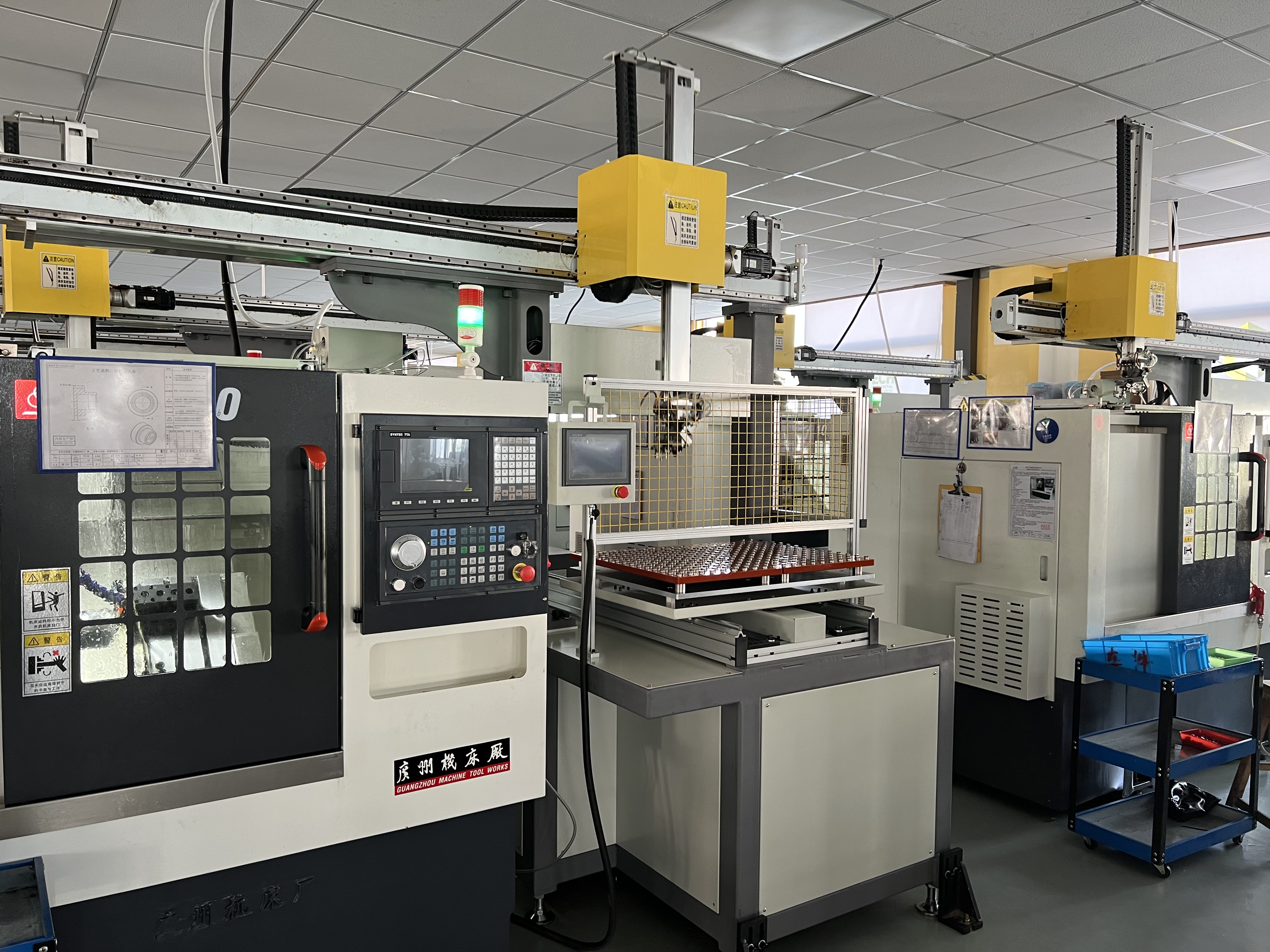
Finding a reliable CNC machined parts supplier for medical-grade components requires a strategic approach that prioritizes quality, compliance, and consistency. The medical device industry operates under stringent regulations where component failure can have life-threatening consequences, making supplier selection a critical business decision. Medical manufacturers must evaluate potential CNC machined parts suppliers based on their ability to meet FDA requirements, maintain ISO certifications, and deliver precision components that meet exact specifications consistently over time.

The process of identifying a qualified CNC machined parts supplier involves multiple evaluation stages that extend beyond basic manufacturing capabilities. Medical device manufacturers must assess regulatory compliance history, quality management systems, material traceability protocols, and long-term partnership potential. This comprehensive evaluation ensures that the selected supplier can not only produce high-quality components but also maintain the documentation, certification, and process controls required for medical device manufacturing throughout the entire product lifecycle.
Essential Regulatory Compliance Requirements
FDA Registration and Quality System Compliance
A qualified CNC machined parts supplier for medical applications must maintain active FDA registration and demonstrate compliance with 21 CFR Part 820 Quality System Regulation. This registration indicates that the supplier understands medical device manufacturing requirements and has implemented appropriate quality management systems. Medical device manufacturers should verify that potential suppliers have experience working within FDA-regulated environments and can provide documentation of their regulatory compliance history.
The supplier's quality management system should include documented procedures for design controls, document management, corrective and preventive actions, and management responsibility. These systems ensure that the CNC machined parts supplier maintains consistent processes and can demonstrate traceability throughout the manufacturing process. Suppliers who have successfully navigated FDA inspections demonstrate their commitment to regulatory compliance and their ability to maintain the high standards required for medical device components.
ISO 13485 Certification and Medical Device Standards
ISO 13485 certification represents the gold standard for medical device quality management systems and should be a mandatory requirement when evaluating any CNC machined parts supplier for medical applications. This certification specifically addresses the unique requirements of medical device manufacturing, including risk management, design controls, and post-market surveillance. Suppliers with ISO 13485 certification have demonstrated their ability to consistently provide medical devices and related services that meet customer and applicable regulatory requirements.
Beyond basic ISO 13485 certification, leading CNC machined parts suppliers often maintain additional certifications such as AS9100 for aerospace applications or ISO 9001 for general quality management. These additional certifications indicate a supplier's commitment to quality across multiple industries and their ability to meet diverse customer requirements. Medical manufacturers should evaluate the scope of the supplier's ISO 13485 certification to ensure it covers the specific types of components and processes required for their applications.
Technical Capabilities and Manufacturing Excellence
Precision Machining Capabilities and Equipment
Medical-grade components often require extremely tight tolerances and surface finishes that can only be achieved through advanced CNC machining capabilities. A reliable CNC machined parts supplier must demonstrate the ability to consistently achieve tolerances of ±0.001 inches or tighter, depending on the specific application requirements. This precision requires state-of-the-art CNC equipment, including multi-axis machining centers, Swiss-type lathes, and advanced measurement systems.
The supplier's equipment inventory should include machines capable of handling the specific materials commonly used in medical device manufacturing, such as titanium alloys, stainless steel grades, and biocompatible polymers. Modern CNC machined parts suppliers utilize equipment with advanced features like in-process measurement, automatic tool compensation, and statistical process control integration. These capabilities ensure that components maintain dimensional accuracy throughout production runs and minimize the risk of out-of-specification parts reaching the medical device manufacturer.
Material Expertise and Biocompatibility Knowledge
Medical device components require materials that meet specific biocompatibility standards, and a qualified CNC machined parts supplier must demonstrate expertise in working with these specialized materials. This includes understanding the machining characteristics of materials like 316L stainless steel, titanium Ti-6Al-4V ELI, cobalt-chromium alloys, and various biocompatible polymers. The supplier should maintain material certifications and be able to provide detailed material traceability documentation for each component produced.
Material selection for medical applications involves considerations beyond basic mechanical properties, including corrosion resistance, fatigue performance, and long-term stability in biological environments. A knowledgeable CNC machined parts supplier can provide guidance on material selection based on the specific application requirements and regulatory considerations. They should also maintain relationships with certified material suppliers and be able to provide mill test certificates, material safety data sheets, and biocompatibility testing documentation as required.
Quality Assurance and Testing Protocols
Inspection and Measurement Capabilities
Comprehensive quality assurance requires advanced inspection and measurement capabilities that can verify component dimensions, surface finish, and material properties to medical device standards. A reliable CNC machined parts supplier should maintain coordinate measuring machines (CMMs), optical comparators, surface roughness testers, and other precision measurement equipment calibrated to NIST standards. These tools enable the supplier to provide detailed inspection reports that document compliance with all specified requirements.
The supplier's quality laboratory should be capable of performing specialized testing required for medical components, including dimensional verification, surface finish measurement, and material property testing. Advanced suppliers may also offer additional services such as non-destructive testing, fatigue testing, and accelerated aging studies. The availability of these testing capabilities reduces the burden on medical device manufacturers and ensures that components meet all performance requirements before delivery.
Statistical Process Control and Continuous Improvement
Medical device manufacturing requires consistent quality that can only be achieved through robust statistical process control (SPC) systems. A qualified CNC machined parts supplier should implement SPC throughout their manufacturing processes, using real-time data collection and analysis to identify trends and prevent defects before they occur. This proactive approach to quality management ensures that components consistently meet specifications and reduces the risk of quality issues that could impact patient safety.
The supplier's continuous improvement programs should include regular process capability studies, measurement system analysis, and corrective action implementations based on quality data trends. Leading CNC machined parts suppliers use advanced software systems to track quality metrics, analyze process performance, and implement improvements systematically. These systems provide transparency into the supplier's quality performance and demonstrate their commitment to maintaining the highest standards for medical device components.
Supply Chain Management and Risk Mitigation
Capacity Planning and Production Scheduling
Medical device manufacturers require CNC machined parts suppliers who can provide reliable delivery schedules and maintain adequate capacity to meet both routine production needs and urgent requirements. Effective capacity planning involves understanding the supplier's current workload, available machine hours, and ability to scale production when needed. Suppliers should maintain detailed production scheduling systems that can accommodate the planning requirements of medical device manufacturers while maintaining quality standards.
The supplier's production scheduling system should include contingency planning for equipment maintenance, material delays, and other potential disruptions. Leading CNC machined parts suppliers maintain buffer capacity and backup equipment to ensure they can meet delivery commitments even when unexpected issues arise. They should also provide regular communication about production status and any potential delays that could impact delivery schedules.
Supply Chain Transparency and Traceability
Medical device regulations require complete traceability of components throughout the supply chain, making transparency a critical requirement when selecting a CNC machined parts supplier. The supplier should maintain detailed records of material sources, processing parameters, inspection results, and shipping documentation for each component produced. This documentation must be readily accessible and maintained for the required retention periods specified by medical device regulations.
The supplier's traceability system should include unique identification for each component or batch, linking all manufacturing and quality data to specific parts delivered to the medical device manufacturer. Advanced CNC machined parts suppliers utilize enterprise resource planning (ERP) systems that integrate production planning, quality management, and shipping functions to provide comprehensive traceability. This integration ensures that all required documentation is automatically generated and maintained throughout the manufacturing process.
Partnership Evaluation and Long-term Collaboration
Technical Support and Engineering Collaboration
Successful medical device development often requires close collaboration between the device manufacturer and their CNC machined parts supplier throughout the product development lifecycle. A qualified supplier should provide engineering support during the design phase, offering expertise in manufacturability, material selection, and cost optimization. This collaborative approach helps identify potential issues early in the development process and ensures that components can be manufactured efficiently while meeting all performance requirements.
The supplier's engineering team should include professionals with experience in medical device manufacturing who understand the unique challenges and requirements of this industry. They should be able to provide design for manufacturing (DFM) feedback, suggest alternative approaches when needed, and support design validation testing. Leading CNC machined parts suppliers maintain dedicated engineering resources for medical device customers and can provide ongoing technical support throughout the product lifecycle.
Financial Stability and Business Continuity
Medical device manufacturers must evaluate the financial stability and business continuity plans of potential CNC machined parts suppliers to ensure long-term supply security. This evaluation should include review of financial statements, credit ratings, and business continuity planning documentation. Suppliers with strong financial performance and comprehensive business continuity plans provide greater assurance that they can maintain operations and meet supply commitments throughout economic uncertainties or unexpected disruptions.
The supplier's business continuity planning should address potential risks such as natural disasters, equipment failures, key personnel changes, and supply chain disruptions. Leading CNC machined parts suppliers maintain multiple facility locations, backup equipment, and alternative sourcing arrangements to minimize the impact of potential disruptions. They should also provide regular updates on their financial performance and business continuity preparations to maintain transparency with their medical device manufacturing customers.
FAQ
What certifications should I require from a CNC machined parts supplier for medical components?
At minimum, require ISO 13485 certification for medical device quality management systems and FDA registration if selling in the US market. Additional valuable certifications include AS9100 for aerospace applications, ISO 9001 for general quality management, and specific certifications for the materials and processes used in your components. The supplier should also maintain calibration certificates for all measurement equipment and material certifications from approved suppliers.
How can I verify a supplier's capability to meet medical-grade tolerance requirements?
Request process capability studies (Cpk values) for similar components, review their measurement and inspection equipment list, and ask for sample parts with detailed inspection reports. Conduct an on-site audit to observe their machining processes, measurement procedures, and quality control systems. Leading suppliers should be able to demonstrate consistent achievement of tolerances tighter than ±0.001 inches and provide statistical evidence of their process capability.
What documentation should a medical CNC machined parts supplier provide with each shipment?
Essential documentation includes certificates of compliance, detailed inspection reports showing all measured dimensions, material certifications with traceability to the mill source, and any required test results such as surface finish or hardness measurements. The supplier should also provide batch or lot identification that links to their internal traceability records and maintain these records for the required retention period specified by medical device regulations.
How do I assess the long-term reliability of a CNC machined parts supplier for medical applications?
Evaluate their financial stability through credit reports and financial statements, review their customer retention rates and references from existing medical device customers, and assess their business continuity planning and risk mitigation strategies. Consider their investment in new equipment and technology, their approach to continuous improvement, and their ability to scale production as your business grows. A site visit and detailed supplier audit provide the best insight into their long-term capabilities and commitment to the medical device industry.
Table of Contents
- Essential Regulatory Compliance Requirements
- Technical Capabilities and Manufacturing Excellence
- Quality Assurance and Testing Protocols
- Supply Chain Management and Risk Mitigation
- Partnership Evaluation and Long-term Collaboration
-
FAQ
- What certifications should I require from a CNC machined parts supplier for medical components?
- How can I verify a supplier's capability to meet medical-grade tolerance requirements?
- What documentation should a medical CNC machined parts supplier provide with each shipment?
- How do I assess the long-term reliability of a CNC machined parts supplier for medical applications?