Premium Stainless Steel Extension Springs - Corrosion Resistant & High Performance Solutions

All Categories

Get a Free Quote

Our representative will contact you soon.
Email
Mobile/WhatsApp
Name
Company Name
Message
0/1000

stainless steel extension springs

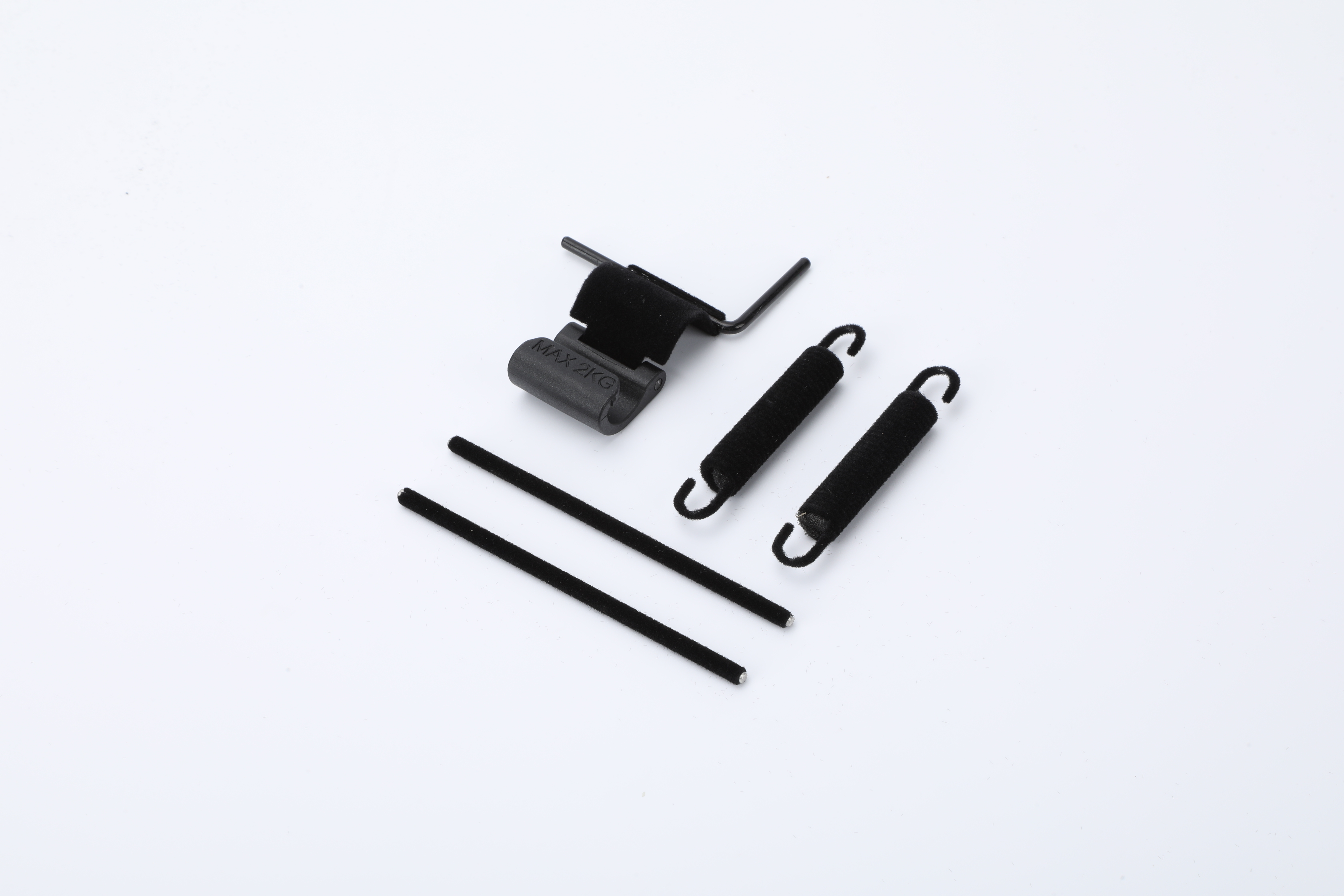
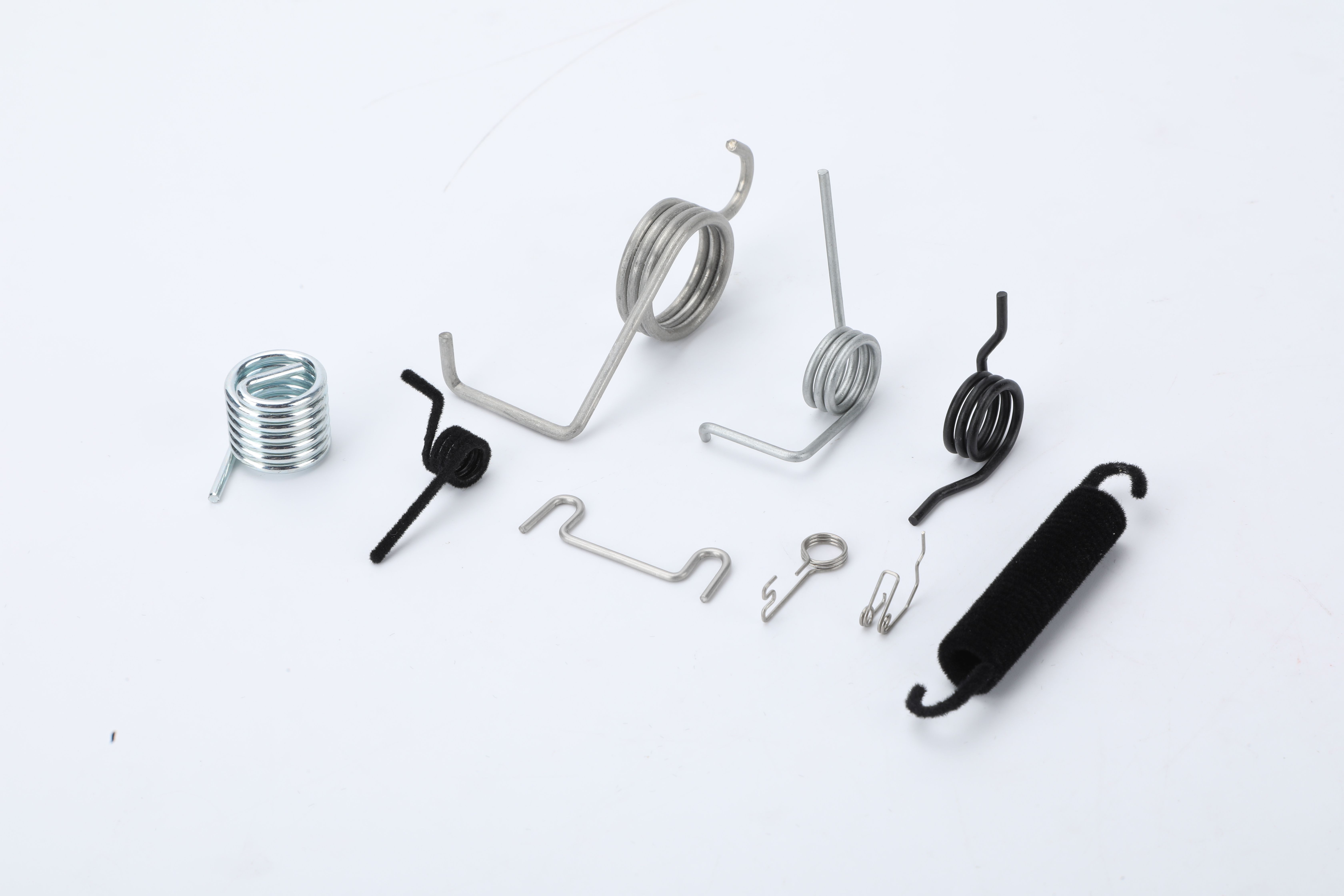
Stainless steel extension springs represent a crucial mechanical component designed to resist pulling forces and return to their original length when the applied load is removed. These precision-engineered devices consist of tightly wound coils manufactured from high-grade stainless steel materials, offering exceptional performance in demanding environments. The primary function of stainless steel extension springs involves storing and releasing mechanical energy through controlled elongation and contraction cycles. When external forces stretch the spring beyond its natural length, the coiled wire structure creates resistance that accumulates potential energy. Upon force removal, this stored energy propels the spring back to its initial position, making these components invaluable for countless mechanical applications. Technologically, stainless steel extension springs incorporate advanced metallurgical properties that distinguish them from conventional spring materials. The stainless steel composition typically includes chromium, nickel, and other alloying elements that enhance corrosion resistance, temperature stability, and mechanical strength. Manufacturing processes involve precision cold-forming techniques that create uniform coil spacing, consistent wire diameter, and optimal stress distribution throughout the spring structure. Heat treatment procedures further optimize the material properties, ensuring maximum fatigue life and reliable performance under cyclic loading conditions. Applications for stainless steel extension springs span numerous industries and mechanical systems. Automotive manufacturers utilize these springs in suspension systems, throttle controls, and various linkage mechanisms. Aerospace applications demand the superior corrosion resistance and temperature stability that stainless steel extension springs provide in critical flight control systems. Medical devices incorporate these springs in surgical instruments, prosthetics, and diagnostic equipment where biocompatibility and precision are paramount. Industrial machinery, agricultural equipment, and consumer appliances also rely on stainless steel extension springs for reliable mechanical operation in diverse environmental conditions.

New Product Releases

Stainless steel extension springs deliver numerous practical benefits that make them superior choices for engineers and manufacturers across various industries. The most significant advantage lies in their exceptional corrosion resistance, which stems from the chromium content in stainless steel that forms a protective oxide layer on the surface. This natural barrier prevents rust and degradation even when exposed to moisture, chemicals, and harsh environmental conditions. Unlike carbon steel springs that require protective coatings, stainless steel extension springs maintain their integrity and appearance throughout their service life without additional treatments. Temperature stability represents another crucial advantage of stainless steel extension springs. These components maintain consistent spring rates and mechanical properties across wide temperature ranges, from sub-zero conditions to elevated operating temperatures. This thermal stability ensures reliable performance in applications where temperature fluctuations occur regularly, eliminating the need for frequent recalibration or replacement. The material composition also provides excellent fatigue resistance, allowing stainless steel extension springs to withstand millions of compression and extension cycles without failure. Mechanical strength and durability characterize these springs as long-term solutions for demanding applications. The inherent toughness of stainless steel allows these springs to handle higher loads while maintaining dimensional accuracy and spring characteristics. This strength translates into reduced maintenance requirements and lower total cost of ownership for equipment manufacturers and end users. Hygiene and cleanliness benefits make stainless steel extension springs ideal for food processing, pharmaceutical, and medical applications. The smooth, non-porous surface resists bacterial growth and allows for easy cleaning and sterilization procedures. Manufacturing precision ensures consistent quality and performance across production batches. Modern manufacturing techniques produce stainless steel extension springs with tight dimensional tolerances, uniform spring rates, and predictable load-deflection characteristics. This consistency enables engineers to design systems with confidence, knowing that each spring will perform according to specifications. Installation and maintenance advantages include compatibility with existing systems and reduced replacement frequency, resulting in lower operational costs and improved system reliability for end users.

Latest News

Automotive Armrest Slide Rail Production Factory: The Cradle of Quality and Innovation

10

Mar

Automotive Armrest Slide Rail Production Factory: The Cradle of Quality and Innovation

View More

Get a Free Quote

Our representative will contact you soon.
Email
Mobile/WhatsApp
Name
Company Name
Message
0/1000

stainless steel extension springs

Superior Corrosion Resistance for Long-Term Reliability

Superior Corrosion Resistance for Long-Term Reliability

The outstanding corrosion resistance of stainless steel extension springs represents their most compelling feature, providing unmatched durability in challenging environments where conventional springs fail prematurely. This exceptional resistance originates from the chromium content within the stainless steel alloy, typically ranging from 10.5% to 30%, which forms a thin, transparent chromium oxide layer on the surface when exposed to oxygen. This passive layer acts as an impenetrable barrier against moisture, salt, acids, and other corrosive agents that would quickly degrade carbon steel or other metal springs. In marine environments, chemical processing facilities, food production plants, and outdoor applications, this corrosion resistance translates into significantly extended service life and reduced replacement costs. The self-healing properties of this protective layer mean that minor scratches or surface damage automatically repair themselves when exposed to oxygen, maintaining long-term protection without external intervention. For manufacturers and engineers, this translates into design flexibility and cost savings, as protective coatings, frequent inspections, and premature replacements become unnecessary. Industries such as offshore oil and gas, pharmaceutical manufacturing, and water treatment facilities particularly benefit from this corrosion resistance, as equipment downtime for spring replacement can result in substantial operational losses. The economic impact extends beyond simple replacement costs to include labor, system downtime, and potential safety concerns associated with spring failures in critical applications. Stainless steel extension springs maintain their mechanical properties and dimensional accuracy even after prolonged exposure to corrosive conditions, ensuring consistent performance throughout their extended service life. This reliability enables engineers to design systems with greater confidence and longer maintenance intervals, ultimately improving overall equipment effectiveness and operational efficiency.

Exceptional Temperature Performance and Thermal Stability

Exceptional Temperature Performance and Thermal Stability

Temperature performance distinguishes stainless steel extension springs as premium components capable of maintaining consistent mechanical properties across extreme temperature ranges that would compromise or destroy alternative materials. The austenitic stainless steel grades commonly used in spring manufacturing retain their strength, elasticity, and dimensional stability from cryogenic temperatures below -200°F to elevated temperatures exceeding 600°F, depending on the specific alloy composition. This remarkable temperature tolerance stems from the crystalline structure of stainless steel, which remains stable across these temperature extremes without undergoing phase changes that could alter spring characteristics. In aerospace applications, where components experience dramatic temperature swings during flight operations, stainless steel extension springs continue functioning reliably without requiring temperature compensation mechanisms or frequent recalibration. Automotive applications benefit similarly, as engine compartment temperatures can fluctuate from sub-zero startup conditions to operating temperatures exceeding 200°F, yet these springs maintain consistent spring rates and load-bearing capabilities throughout these cycles. The thermal expansion coefficient of stainless steel remains relatively low and predictable, allowing engineers to account for dimensional changes during system design without compromising performance. Manufacturing facilities operating in extreme climates, refrigeration systems, and high-temperature industrial processes rely on this temperature stability to maintain operational efficiency and safety standards. Unlike polymer-based springs that become brittle in cold conditions or lose elasticity at elevated temperatures, stainless steel extension springs provide dependable performance regardless of environmental temperature variations. This thermal stability also extends to the spring's fatigue life, as temperature-induced stress variations that can accelerate failure in other materials have minimal impact on properly designed stainless steel extension springs. The result is improved system reliability, reduced maintenance requirements, and enhanced safety margins in temperature-sensitive applications where spring failure could have serious consequences for equipment operation or personnel safety.
Outstanding Strength-to-Weight Ratio and Mechanical Performance

Outstanding Strength-to-Weight Ratio and Mechanical Performance

The exceptional strength-to-weight ratio of stainless steel extension springs provides engineers with the ability to design lighter, more efficient systems without compromising load-bearing capacity or operational reliability. Modern stainless steel alloys achieve tensile strengths exceeding 200,000 psi while maintaining the elasticity and flexibility required for spring applications, significantly outperforming many alternative materials in weight-critical applications. This superior mechanical performance enables the design of compact spring assemblies that can handle substantial loads while occupying minimal space within mechanical systems. Aerospace and automotive manufacturers particularly value this characteristic, as weight reduction directly impacts fuel efficiency, payload capacity, and overall system performance. The high elastic modulus of stainless steel allows these extension springs to store and release more energy per unit weight compared to other spring materials, making them ideal for applications requiring high force generation in compact packages. Fatigue resistance represents another crucial aspect of mechanical performance, with properly manufactured stainless steel extension springs capable of withstanding millions of load cycles without degradation in spring rate or dimensional accuracy. This endurance stems from the uniform grain structure achieved through controlled manufacturing processes and the inherent toughness of stainless steel alloys. The predictable stress-strain relationship of these springs enables precise load calculations and system optimization, allowing engineers to design systems with minimal safety factors while maintaining reliable operation. Manufacturing precision ensures consistent mechanical properties across production batches, eliminating performance variations that could compromise system operation. Advanced quality control procedures verify spring rate tolerances, dimensional accuracy, and material properties, ensuring that each stainless steel extension spring meets stringent performance requirements. This consistency proves invaluable in automated manufacturing systems, precision instruments, and safety-critical applications where component variability could lead to system malfunctions or failures. The combination of high strength, excellent fatigue life, and predictable performance characteristics makes stainless steel extension springs the preferred choice for demanding applications where mechanical reliability cannot be compromised.

Get a Free Quote

Our representative will contact you soon.
Email
Mobile/WhatsApp
Name
Company Name
Message
0/1000