Professional Extension Spring Manufacturing Services - Custom Springs & Precision Engineering Solutions

All Categories

Get a Free Quote

Our representative will contact you soon.
Email
Mobile/WhatsApp
Name
Company Name
Message
0/1000

extension spring manufacturing

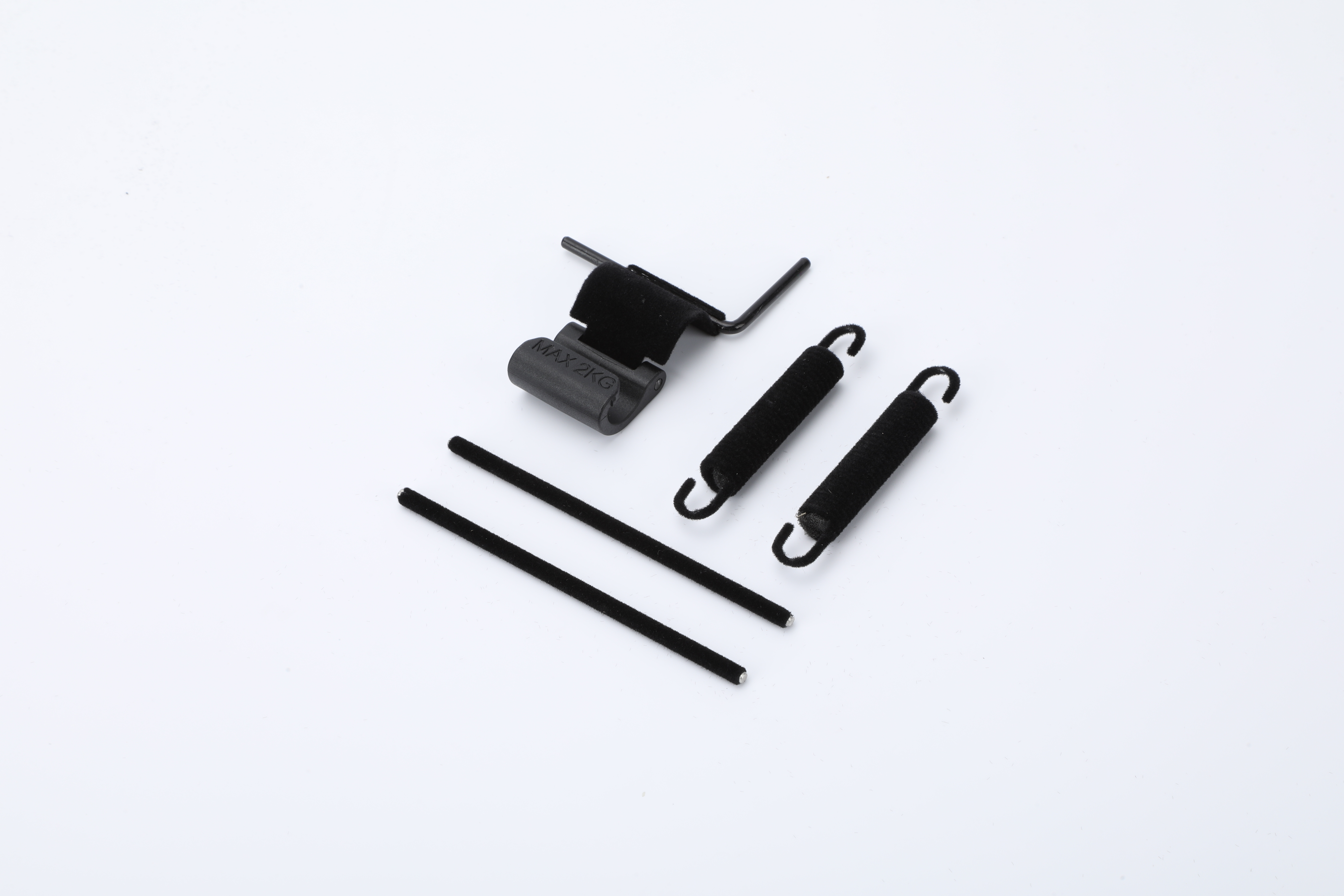
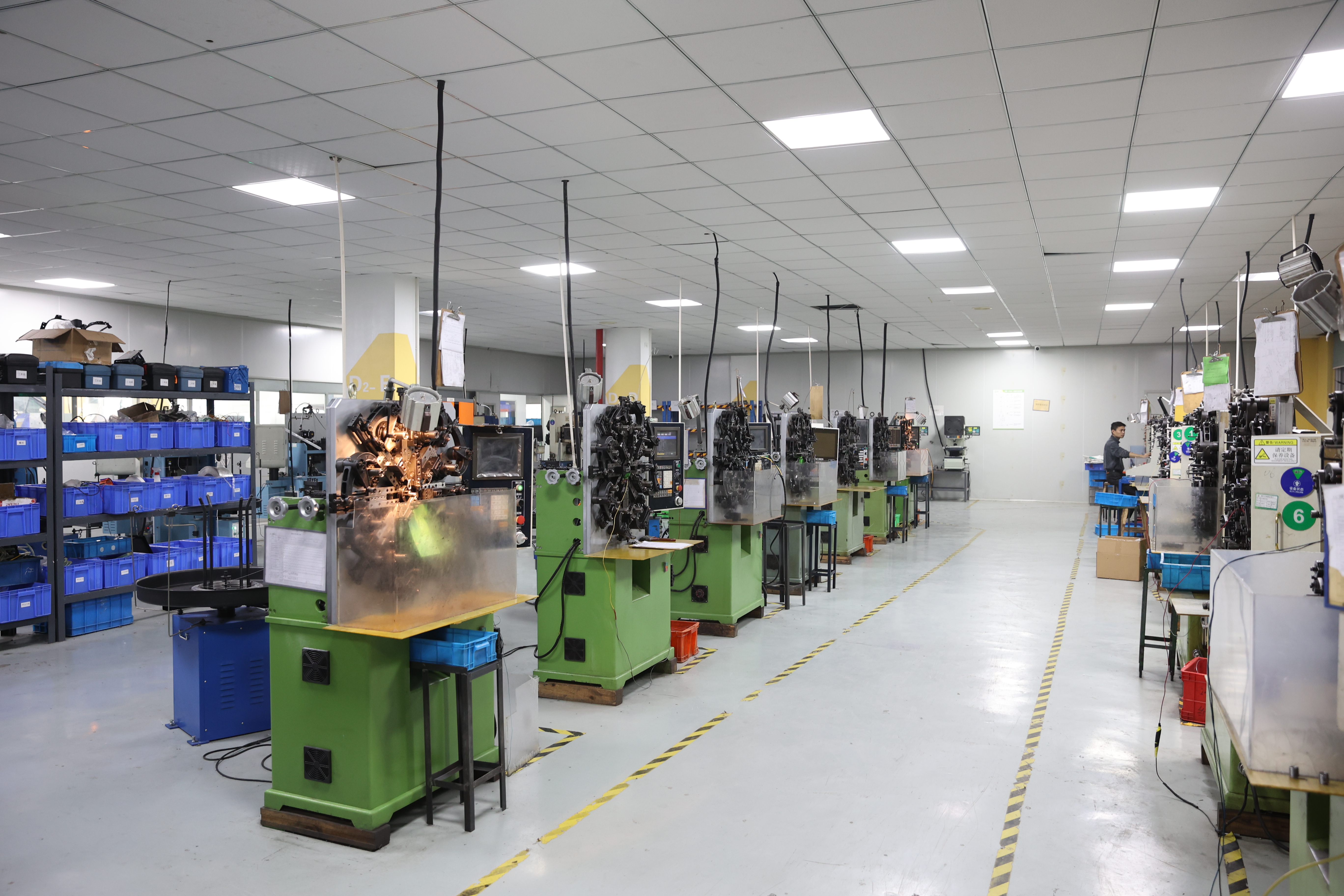
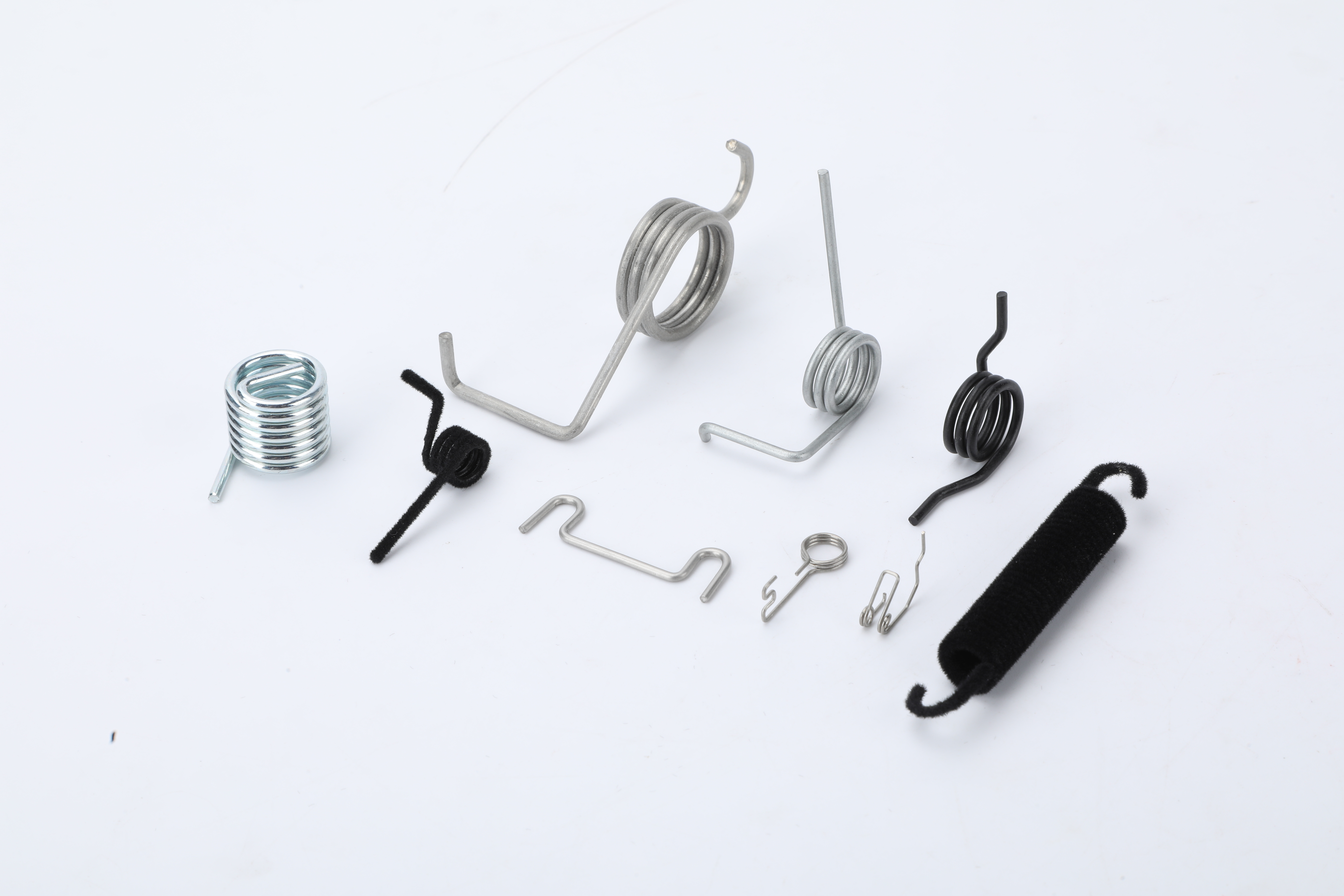
Extension spring manufacturing represents a sophisticated industrial process that creates specialized coil springs designed to operate under tension forces. These mechanical components store energy when stretched and return to their original length when the load is removed, making them essential elements in countless applications across diverse industries. The extension spring manufacturing process involves precision engineering techniques that transform raw materials, typically high-carbon steel, stainless steel, or specialized alloys, into reliable mechanical devices capable of withstanding repeated stress cycles. Modern extension spring manufacturing facilities utilize advanced machinery including CNC coiling equipment, heat treatment furnaces, and automated quality control systems to ensure consistent product specifications. The manufacturing process begins with material selection, where engineers choose appropriate wire gauges and alloy compositions based on the intended application requirements. Computer-controlled coiling machines then form the wire into precise helical configurations, creating the spring body with predetermined pitch, diameter, and coil count. Extension springs differ from compression springs in their construction, featuring hooks, loops, or eyes at each end to facilitate attachment points for tensile loading. The extension spring manufacturing process includes critical steps such as stress relieving, shot peening for surface enhancement, and protective coating application when required. Quality assurance protocols throughout extension spring manufacturing ensure dimensional accuracy, load characteristics, and fatigue resistance meet stringent industry standards. Advanced manufacturing techniques incorporate lean production principles, reducing waste while maintaining exceptional quality control measures. The flexibility of modern extension spring manufacturing allows for custom designs tailored to specific customer requirements, from miniature springs for electronic devices to heavy-duty units for automotive and industrial machinery applications.
New Product Releases

Extension spring manufacturing offers numerous compelling advantages that deliver tangible value to customers across multiple industries and applications. The precision inherent in modern extension spring manufacturing processes ensures consistent performance characteristics, eliminating the guesswork often associated with standard off-the-shelf components. Customers benefit from exact load specifications, predictable deflection rates, and reliable service life calculations that enable precise engineering calculations and system optimization. Cost-effectiveness represents another significant advantage of professional extension spring manufacturing, as specialized production techniques and economies of scale result in competitive pricing without compromising quality standards. The ability to customize springs through advanced extension spring manufacturing processes allows customers to optimize their designs for specific performance requirements, space constraints, and operating conditions. This customization capability eliminates the need for design compromises that often occur when using generic components. Speed and efficiency in extension spring manufacturing translate directly into reduced lead times for customers, enabling faster project completion and quicker time-to-market for new products. Modern manufacturing facilities maintain substantial inventory capacity and flexible production scheduling that accommodates both large-volume orders and urgent prototype requirements. Quality assurance protocols embedded throughout the extension spring manufacturing process provide customers with confidence in component reliability and longevity. Rigorous testing procedures validate spring performance under various stress conditions, ensuring products meet or exceed specified requirements consistently. Technical support services accompanying professional extension spring manufacturing help customers optimize their designs and troubleshoot application challenges. Experienced engineers provide guidance on material selection, dimensional specifications, and performance optimization strategies. The scalability of established extension spring manufacturing operations allows customers to transition seamlessly from prototype quantities to full production volumes without design modifications or quality variations. Environmental considerations in modern extension spring manufacturing include sustainable material sourcing, energy-efficient production processes, and recyclable packaging solutions that align with corporate sustainability objectives. Documentation and certification services provided by reputable extension spring manufacturing companies ensure compliance with industry standards and regulatory requirements, simplifying procurement processes and reducing administrative burden for customers.

Latest News

How To Determine The Chemical Stability Of Materials

10

Mar

How To Determine The Chemical Stability Of Materials

View More
How To Choose Appropriate Automotive Parts According To Testing Standards

10

Mar

How To Choose Appropriate Automotive Parts According To Testing Standards

View More
Testing Standards For Corrosion Resistance Of Automotive Parts

10

Mar

Testing Standards For Corrosion Resistance Of Automotive Parts

View More

Get a Free Quote

Our representative will contact you soon.
Email
Mobile/WhatsApp
Name
Company Name
Message
0/1000

extension spring manufacturing

Precision Engineering Excellence in Extension Spring Manufacturing

Precision Engineering Excellence in Extension Spring Manufacturing

The cornerstone of superior extension spring manufacturing lies in precision engineering excellence that transforms raw materials into high-performance mechanical components through meticulous attention to detail and advanced manufacturing techniques. Modern extension spring manufacturing facilities employ state-of-the-art CNC coiling equipment that achieves tolerances measured in thousandths of an inch, ensuring consistent dimensional accuracy across entire production runs. This precision engineering approach begins with comprehensive material analysis, where metallurgical experts evaluate wire composition, tensile strength, and elastic properties to guarantee optimal performance characteristics. Computer-controlled manufacturing processes eliminate human error variables while maintaining exceptional repeatability, resulting in extension springs that perform identically regardless of production batch or timing. The precision engineering excellence inherent in professional extension spring manufacturing extends beyond dimensional accuracy to encompass critical performance parameters such as spring rate calculations, stress distribution analysis, and fatigue life predictions. Advanced finite element analysis software enables engineers to optimize spring geometry before production begins, reducing development time while ensuring optimal performance characteristics. Quality control protocols throughout the extension spring manufacturing process include automated inspection systems that verify dimensional specifications, surface finish requirements, and mechanical properties using non-destructive testing methods. This precision engineering approach enables customers to specify exact load deflection characteristics, knowing their extension springs will perform consistently within specified parameters. The investment in precision manufacturing equipment and skilled technicians pays dividends through reduced warranty claims, improved customer satisfaction, and enhanced reputation for reliability. Furthermore, precision engineering excellence in extension spring manufacturing enables the production of complex spring configurations that would be impossible using conventional manufacturing methods, opening new possibilities for innovative product designs and applications.
Advanced Material Science and Heat Treatment Processes

Advanced Material Science and Heat Treatment Processes

Extension spring manufacturing excellence depends heavily on advanced material science knowledge and sophisticated heat treatment processes that optimize mechanical properties for specific applications and operating environments. Professional extension spring manufacturing facilities maintain extensive material libraries encompassing various steel alloys, stainless steel grades, and exotic materials such as Inconel, titanium, and specialized copper alloys for unique applications. The material selection process involves careful consideration of factors including operating temperature ranges, corrosion resistance requirements, magnetic properties, and electrical conductivity specifications. Heat treatment represents a critical phase in extension spring manufacturing where controlled heating and cooling cycles transform material microstructure to achieve desired mechanical properties such as tensile strength, yield point, and elastic modulus. Sophisticated furnace systems maintain precise temperature control throughout the heat treatment process, ensuring uniform heating and preventing material degradation that could compromise spring performance. Quenching techniques utilized in advanced extension spring manufacturing processes include oil quenching, water quenching, and specialized polymer solutions that provide optimal cooling rates for different material types and spring geometries. Tempering processes following initial hardening operations fine-tune material properties to achieve the ideal balance between strength and flexibility required for reliable extension spring performance. Quality control protocols throughout the heat treatment phase include hardness testing, microstructure analysis, and mechanical property verification to ensure consistent results across production batches. Advanced extension spring manufacturing facilities also incorporate surface treatment processes such as shot peening, which introduces beneficial compressive stresses that significantly improve fatigue resistance and service life. Coating applications including zinc plating, powder coating, and specialized corrosion-resistant finishes protect extension springs from environmental degradation while maintaining dimensional accuracy and mechanical properties. The integration of advanced material science with precision manufacturing techniques enables the production of extension springs capable of operating reliably in extreme environments, from cryogenic applications to high-temperature industrial processes.
Comprehensive Quality Assurance and Testing Protocols

Comprehensive Quality Assurance and Testing Protocols

The reliability and performance consistency that characterizes professional extension spring manufacturing stems from comprehensive quality assurance programs and rigorous testing protocols that validate every aspect of spring performance before products reach customers. Modern extension spring manufacturing facilities implement multi-layered quality control systems beginning with incoming material inspection, where each wire lot undergoes dimensional verification, chemical analysis, and mechanical property testing to ensure compliance with specifications. Statistical process control methods monitor key manufacturing parameters throughout the extension spring manufacturing process, identifying potential variations before they impact product quality and enabling proactive adjustments to maintain optimal performance. Load testing represents a fundamental component of quality assurance in extension spring manufacturing, where specialized testing equipment applies precise tensile forces while measuring spring deflection to verify load-rate characteristics match customer specifications. Fatigue testing protocols subject extension springs to millions of load cycles under controlled conditions, simulating years of service life to validate durability predictions and identify potential failure modes. These comprehensive testing procedures provide customers with confidence in spring reliability while generating valuable data for design optimization and service life calculations. Dimensional inspection protocols in professional extension spring manufacturing utilize coordinate measuring machines and optical inspection systems to verify spring geometry, hook configurations, and surface finish requirements with exceptional accuracy. Environmental testing capabilities enable extension spring manufacturers to validate performance under extreme temperature conditions, corrosive atmospheres, and dynamic loading scenarios that reflect actual operating environments. Documentation systems accompanying quality assurance programs provide complete traceability from raw material certification through final inspection reports, ensuring compliance with industry standards and customer requirements. Continuous improvement initiatives built into quality assurance protocols enable extension spring manufacturing operations to enhance processes based on performance data and customer feedback, resulting in ongoing improvements in product reliability and customer satisfaction. The investment in comprehensive quality assurance and testing capabilities demonstrates the commitment to excellence that distinguishes professional extension spring manufacturing from commodity suppliers, providing customers with superior products backed by verifiable performance data.

Get a Free Quote

Our representative will contact you soon.
Email
Mobile/WhatsApp
Name
Company Name
Message
0/1000