High Tensile Springs: Superior Strength & Durability for Heavy-Duty Applications

All Categories

Get a Free Quote

Our representative will contact you soon.
Email
Mobile/WhatsApp
Name
Company Name
Message
0/1000

high tensile springs

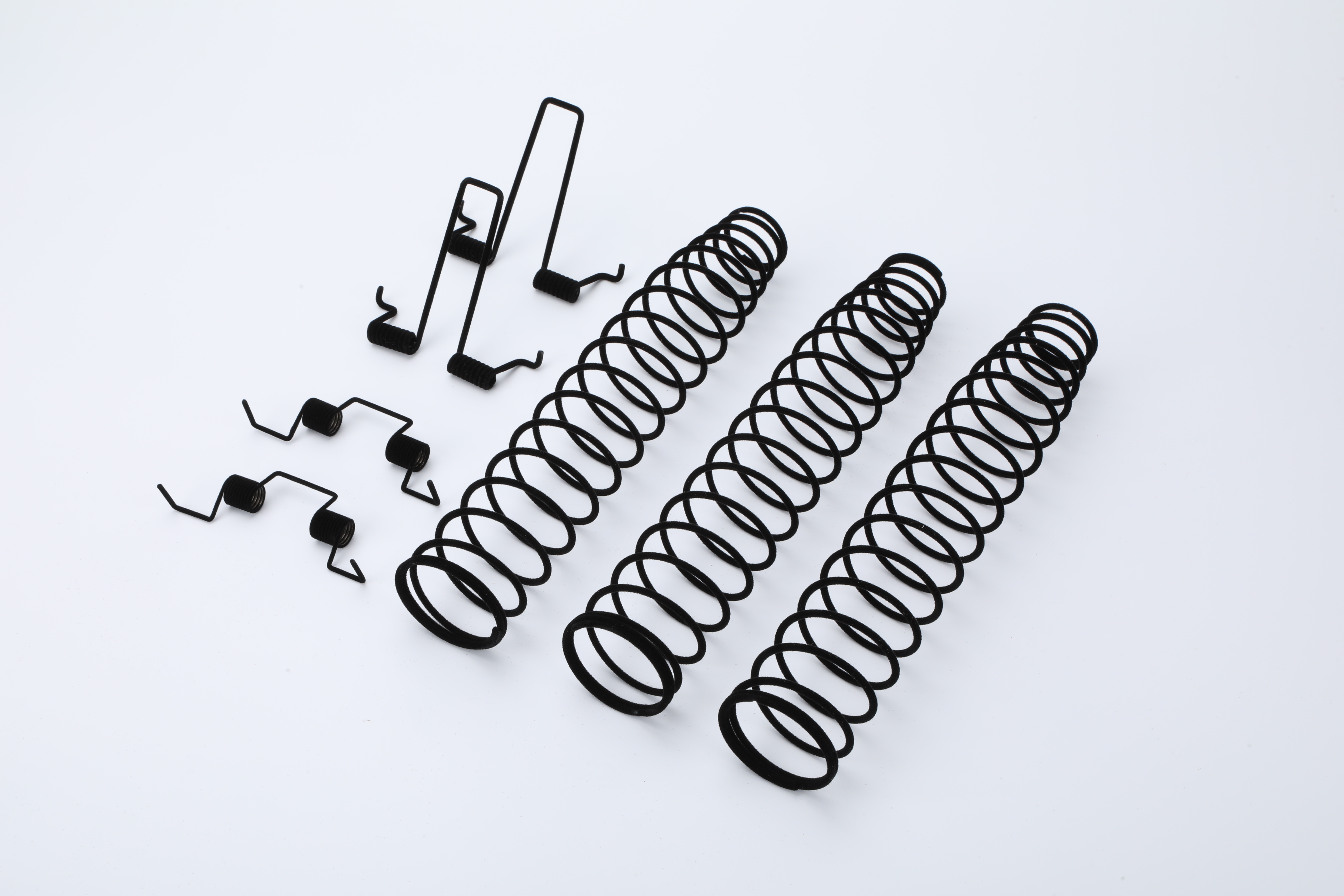
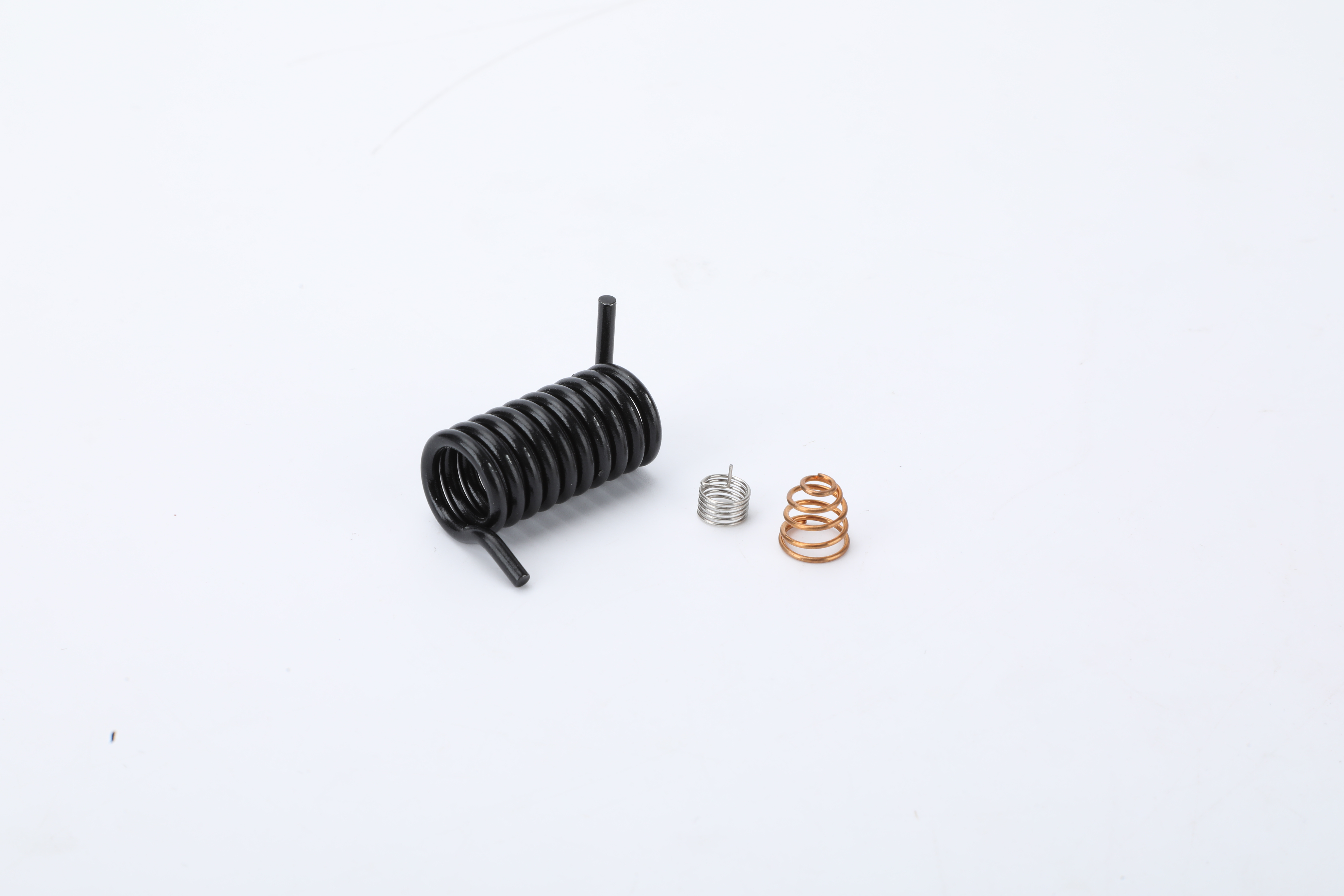
High tensile springs represent a specialized category of mechanical components engineered to deliver exceptional strength and durability in demanding applications. These springs are manufactured from high-grade steel alloys that undergo precise heat treatment processes to achieve superior tensile strength, typically ranging from 180,000 to 300,000 PSI. The primary function of high tensile springs centers on providing reliable force generation and energy storage while maintaining dimensional stability under extreme load conditions. Their technological features include enhanced fatigue resistance, consistent spring rates, and the ability to operate effectively across wide temperature ranges. Manufacturing processes involve carefully controlled material selection, precision coiling techniques, and specialized tempering procedures that optimize the molecular structure of the steel. High tensile springs find extensive applications across automotive suspension systems, aerospace landing gear, industrial machinery, medical devices, and heavy equipment operations. In automotive applications, these springs support vehicle weight while absorbing road impacts and maintaining ride quality. Aerospace implementations rely on their ability to function reliably under extreme environmental conditions and repeated stress cycles. Industrial machinery benefits from their capacity to provide consistent force output over extended operational periods. The springs excel in applications requiring compact design solutions where space constraints demand maximum force output from minimal component size. Their construction allows for precise load calculations and predictable performance characteristics, making them ideal for critical safety applications. High tensile springs demonstrate remarkable resistance to permanent deformation, ensuring long-term reliability and reduced maintenance requirements. Quality control measures during production include rigorous testing protocols that verify load capacity, deflection characteristics, and fatigue life expectations. These comprehensive evaluation procedures guarantee consistent performance standards across production batches, providing engineers with reliable design parameters for complex mechanical systems requiring dependable spring performance.
New Products

High tensile springs deliver significant advantages that make them the preferred choice for demanding mechanical applications requiring superior performance and reliability. The primary benefit lies in their exceptional strength-to-weight ratio, allowing engineers to design compact systems without compromising load-bearing capacity. These springs can handle substantially higher loads than conventional springs while occupying the same physical space, resulting in more efficient system designs and reduced material costs. Their enhanced fatigue resistance translates directly into extended service life, reducing replacement frequency and minimizing maintenance expenses over the equipment's operational lifetime. The superior material properties of high tensile springs provide consistent spring rates throughout their service life, ensuring predictable system behavior and improved operational reliability. This consistency eliminates the performance degradation typically associated with standard springs under repeated loading cycles. Manufacturing processes used in high tensile spring production result in tighter dimensional tolerances and improved surface finishes, contributing to smoother operation and reduced wear on mating components. The springs maintain their mechanical properties across wide temperature ranges, making them suitable for applications exposed to extreme environmental conditions without performance degradation. Their resistance to stress relaxation ensures long-term load retention, critical for applications where consistent force application is essential. High tensile springs offer excellent corrosion resistance when properly treated, extending their useful life in harsh operating environments and reducing total cost of ownership. The precision manufacturing techniques employed in their production allow for custom specifications tailored to specific application requirements, providing engineers with flexible design options. Quality assurance programs associated with high tensile spring manufacturing ensure consistent batch-to-batch performance, reducing design uncertainties and improving system reliability. These springs contribute to overall system efficiency by maintaining their performance characteristics over extended periods, reducing the need for frequent recalibration or adjustment. The robust construction of high tensile springs makes them ideal for safety-critical applications where component failure could result in significant consequences, providing peace of mind for design engineers and end users alike.

Practical Tips

How To Determine The Chemical Stability Of Materials

10

Mar

How To Determine The Chemical Stability Of Materials

View More
How To Choose Appropriate Automotive Parts According To Testing Standards

10

Mar

How To Choose Appropriate Automotive Parts According To Testing Standards

View More
Testing Standards For Corrosion Resistance Of Automotive Parts

10

Mar

Testing Standards For Corrosion Resistance Of Automotive Parts

View More

Get a Free Quote

Our representative will contact you soon.
Email
Mobile/WhatsApp
Name
Company Name
Message
0/1000

high tensile springs

Superior Load Capacity and Durability Performance

Superior Load Capacity and Durability Performance

High tensile springs excel in delivering exceptional load-bearing capacity while maintaining structural integrity under extreme operational conditions. The advanced metallurgical properties of these springs enable them to support loads significantly higher than conventional spring designs, making them indispensable for heavy-duty applications across multiple industries. Their superior strength characteristics stem from carefully selected high-grade steel alloys that undergo specialized heat treatment processes, resulting in tensile strengths that can exceed 300,000 PSI. This remarkable strength allows engineers to specify smaller spring dimensions while achieving the same or greater load capacity compared to standard springs, leading to more compact and efficient system designs. The durability performance of high tensile springs is enhanced by their exceptional fatigue resistance, which enables them to withstand millions of loading cycles without experiencing significant degradation in performance. This fatigue resistance is achieved through precise control of material composition, manufacturing processes, and quality control measures that eliminate stress concentrations and material inconsistencies. The springs demonstrate remarkable resilience to permanent deformation, maintaining their original dimensions and spring rates even after extended periods of heavy loading. Their robust construction makes them particularly valuable in applications where component failure could result in safety hazards or costly downtime. Industries such as automotive, aerospace, and heavy machinery rely on these springs to provide consistent performance in mission-critical applications. The load capacity advantage becomes particularly evident in space-constrained applications where maximum force output must be achieved within limited dimensional envelopes. High tensile springs also exhibit superior resistance to dynamic loading conditions, maintaining their performance characteristics under rapidly changing load conditions that would cause conventional springs to fail prematurely. Their ability to maintain consistent spring rates throughout their operational life ensures predictable system behavior and reduces the need for frequent maintenance or replacement, resulting in lower total cost of ownership for end users.
Enhanced Fatigue Resistance and Extended Service Life

Enhanced Fatigue Resistance and Extended Service Life

The enhanced fatigue resistance of high tensile springs represents a fundamental advantage that translates into significantly extended service life and reduced maintenance requirements for mechanical systems. This superior fatigue performance results from advanced material science and precision manufacturing techniques that optimize the molecular structure of the spring steel. The careful control of material composition, including the precise balance of carbon, manganese, silicon, and other alloying elements, creates a microstructure that resists crack initiation and propagation under cyclic loading conditions. The manufacturing process includes specialized heat treatment cycles that relieve internal stresses and create uniform hardness throughout the spring material, eliminating weak points that could lead to premature failure. High tensile springs undergo rigorous fatigue testing during development and production phases to verify their ability to withstand millions of load cycles without degradation. This testing includes both constant amplitude and variable amplitude loading conditions that simulate real-world operating environments. The extended service life provided by these springs delivers substantial economic benefits to end users through reduced replacement costs and decreased maintenance downtime. In automotive applications, the enhanced fatigue resistance allows high tensile springs to maintain their performance characteristics throughout the vehicle's operational life, contributing to consistent ride quality and handling characteristics. Industrial machinery benefits from the reduced maintenance intervals made possible by the extended service life of these springs, resulting in improved equipment availability and productivity. The fatigue resistance of high tensile springs becomes particularly valuable in applications subjected to continuous or frequent loading cycles, such as vibration control systems, valve actuators, and reciprocating machinery. Their ability to maintain spring rate consistency over extended periods ensures that system calibration remains stable, reducing the need for frequent adjustments or recalibration procedures. The superior fatigue performance also contributes to improved safety margins in critical applications, providing additional assurance that the springs will continue to function reliably even under unexpected overload conditions or extended service beyond normal replacement intervals.
Precise Engineering and Customization Capabilities

Precise Engineering and Customization Capabilities

High tensile springs offer exceptional engineering precision and customization capabilities that enable engineers to develop tailored solutions for specific application requirements. The manufacturing processes used in high tensile spring production incorporate advanced quality control measures that ensure consistent dimensional accuracy and performance characteristics across production batches. This precision engineering approach includes tight tolerance control on critical dimensions such as wire diameter, coil spacing, free length, and load deflection characteristics. The customization capabilities extend to material selection, allowing engineers to specify particular steel grades and heat treatment processes that optimize spring performance for specific operating conditions. Specialized coating options are available to enhance corrosion resistance, reduce friction, or provide specific surface characteristics required by particular applications. The flexibility in design parameters includes options for variable pitch coils, progressive rate characteristics, and complex geometries that would be difficult or impossible to achieve with conventional spring manufacturing techniques. Engineering support services provided by high tensile spring manufacturers include comprehensive design analysis, finite element modeling, and prototype development services that help optimize spring specifications for specific applications. The precision manufacturing capabilities enable the production of springs with complex load-deflection curves that provide optimal performance throughout their operating range. Quality assurance programs include statistical process control measures that monitor critical manufacturing parameters and ensure consistent batch-to-batch performance. Customization options extend to special end configurations, mounting attachments, and assembly features that simplify installation and integration into larger mechanical systems. The ability to provide custom solutions makes high tensile springs particularly valuable for unique applications where standard off-the-shelf components cannot meet specific performance requirements. Advanced testing capabilities allow manufacturers to verify custom spring designs under simulated operating conditions before full-scale production, reducing development risks and ensuring optimal performance. The combination of precision engineering and customization capabilities enables design engineers to specify springs that provide optimal performance while minimizing system complexity and cost. This flexibility in design and manufacturing makes high tensile springs an ideal choice for innovative applications where conventional spring solutions may not provide adequate performance or reliability.

Get a Free Quote

Our representative will contact you soon.
Email
Mobile/WhatsApp
Name
Company Name
Message
0/1000