Custom Precision Metal Stamping Services - High-Volume Manufacturing Solutions

All Categories

Get a Free Quote

Our representative will contact you soon.
Email
Mobile/WhatsApp
Name
Company Name
Message
0/1000

custom precision metal stamping

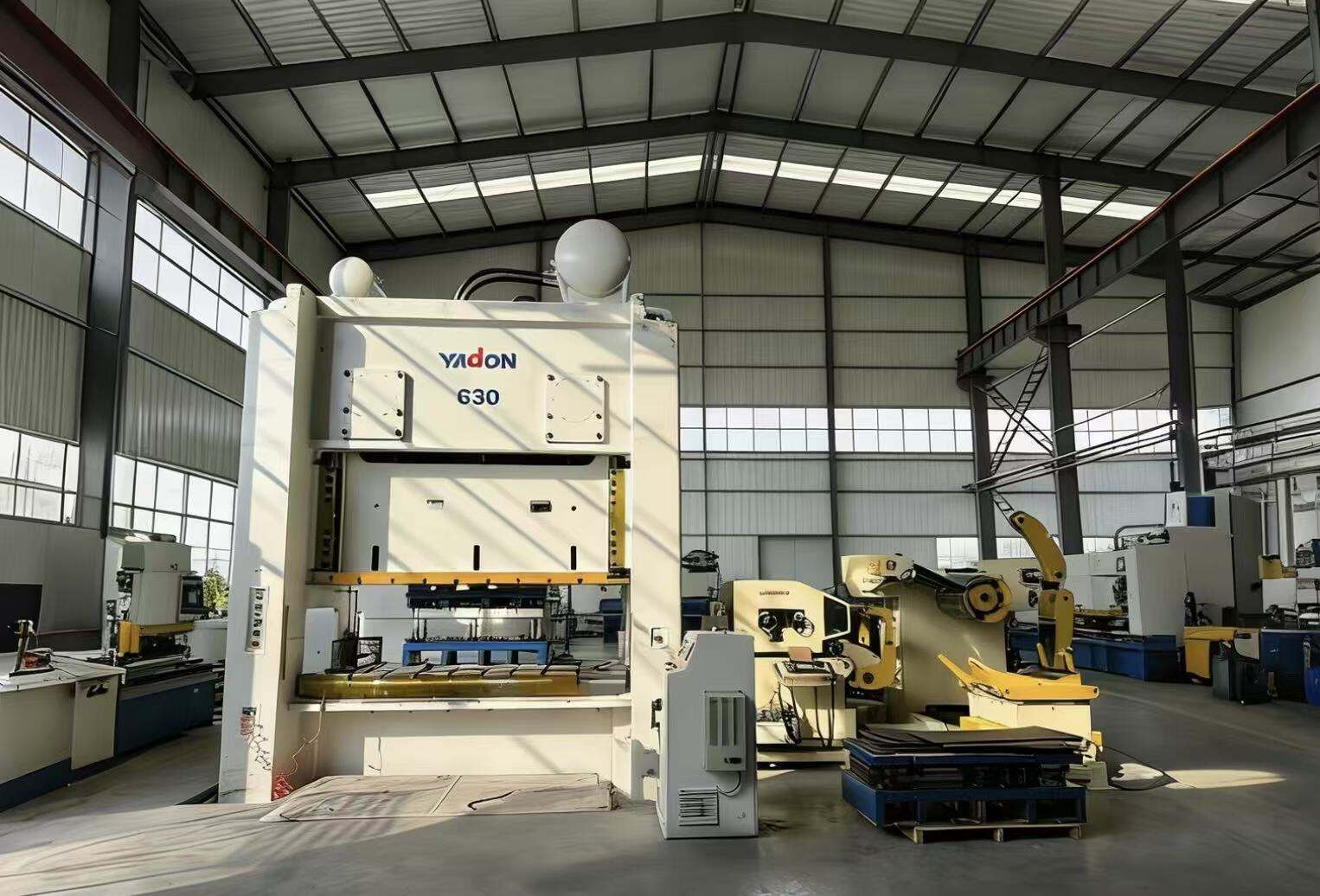
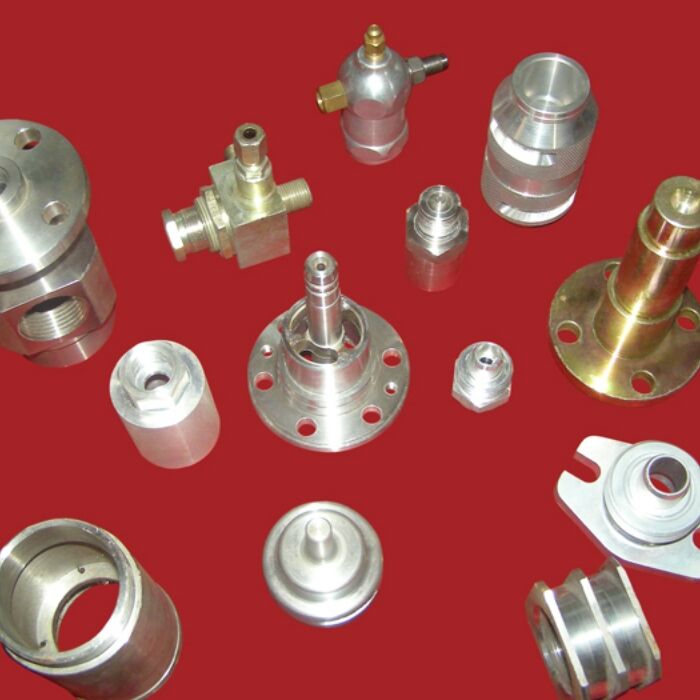
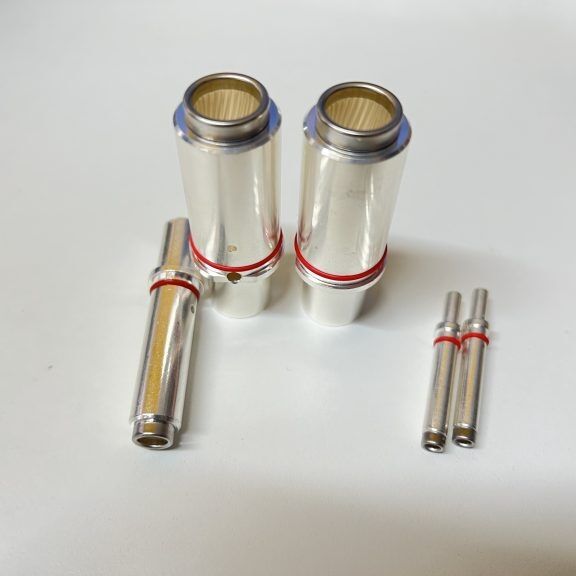
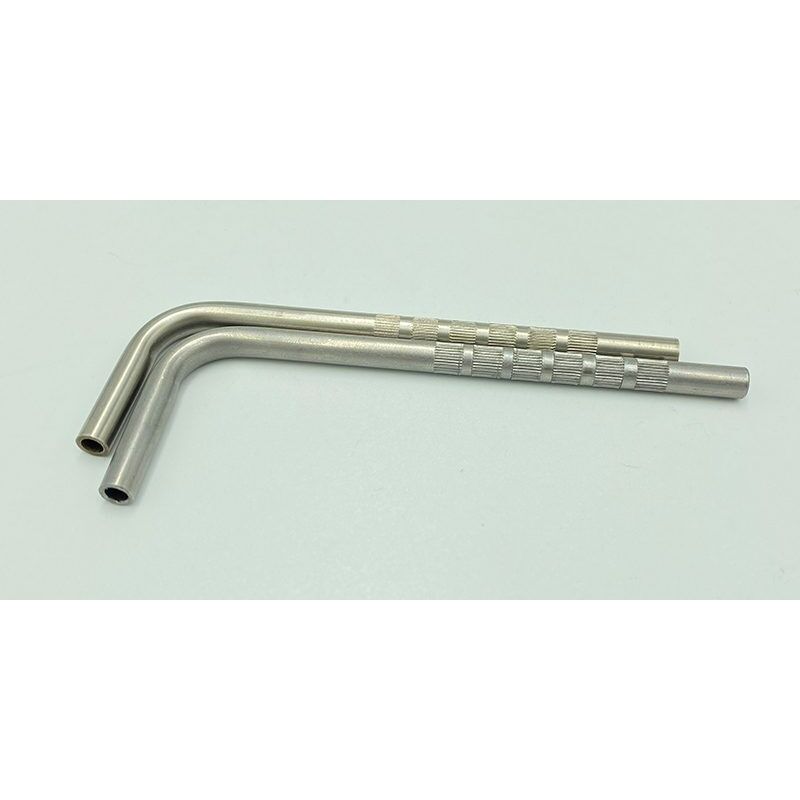
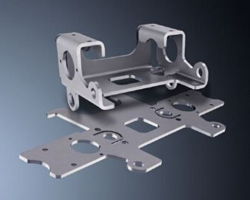
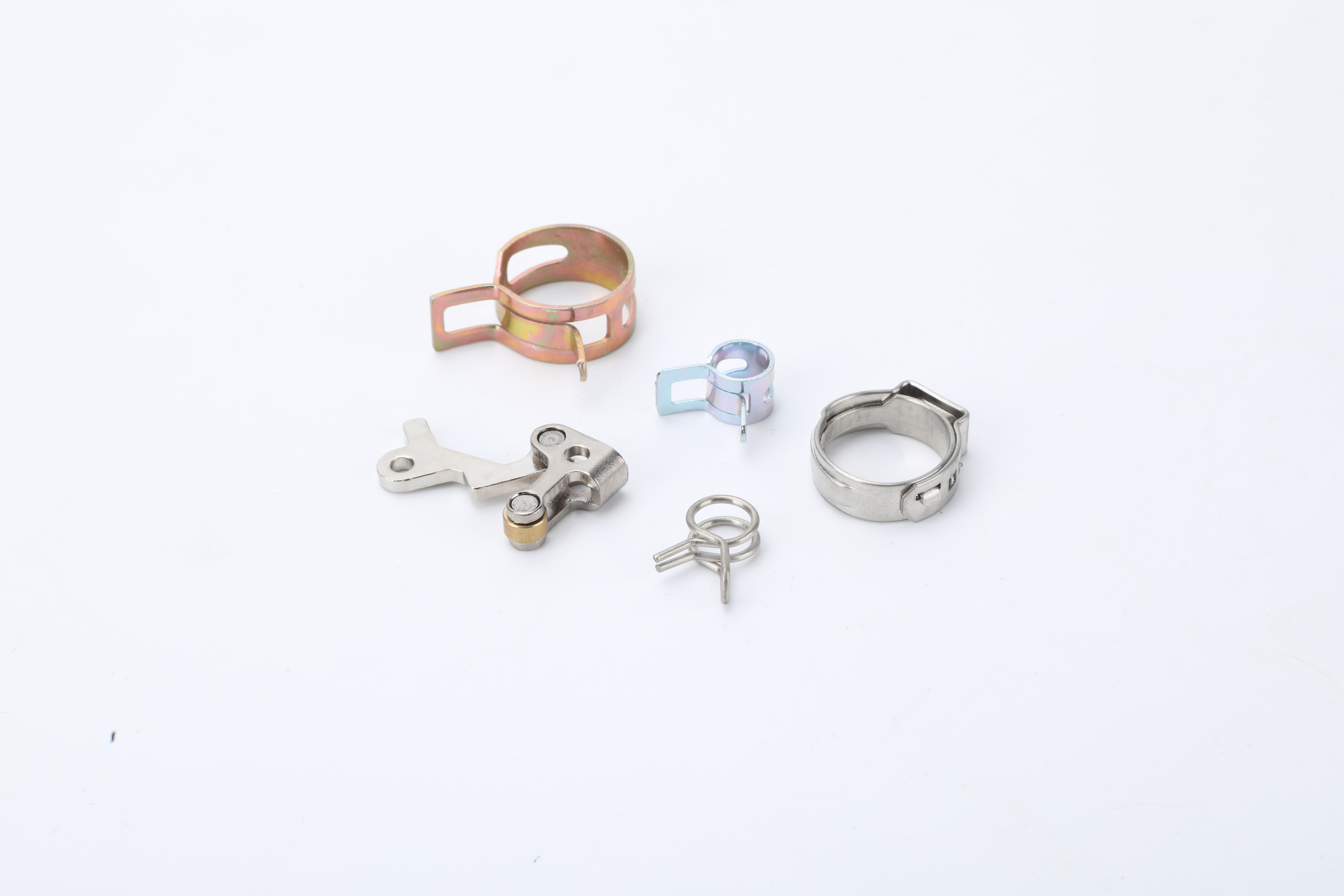
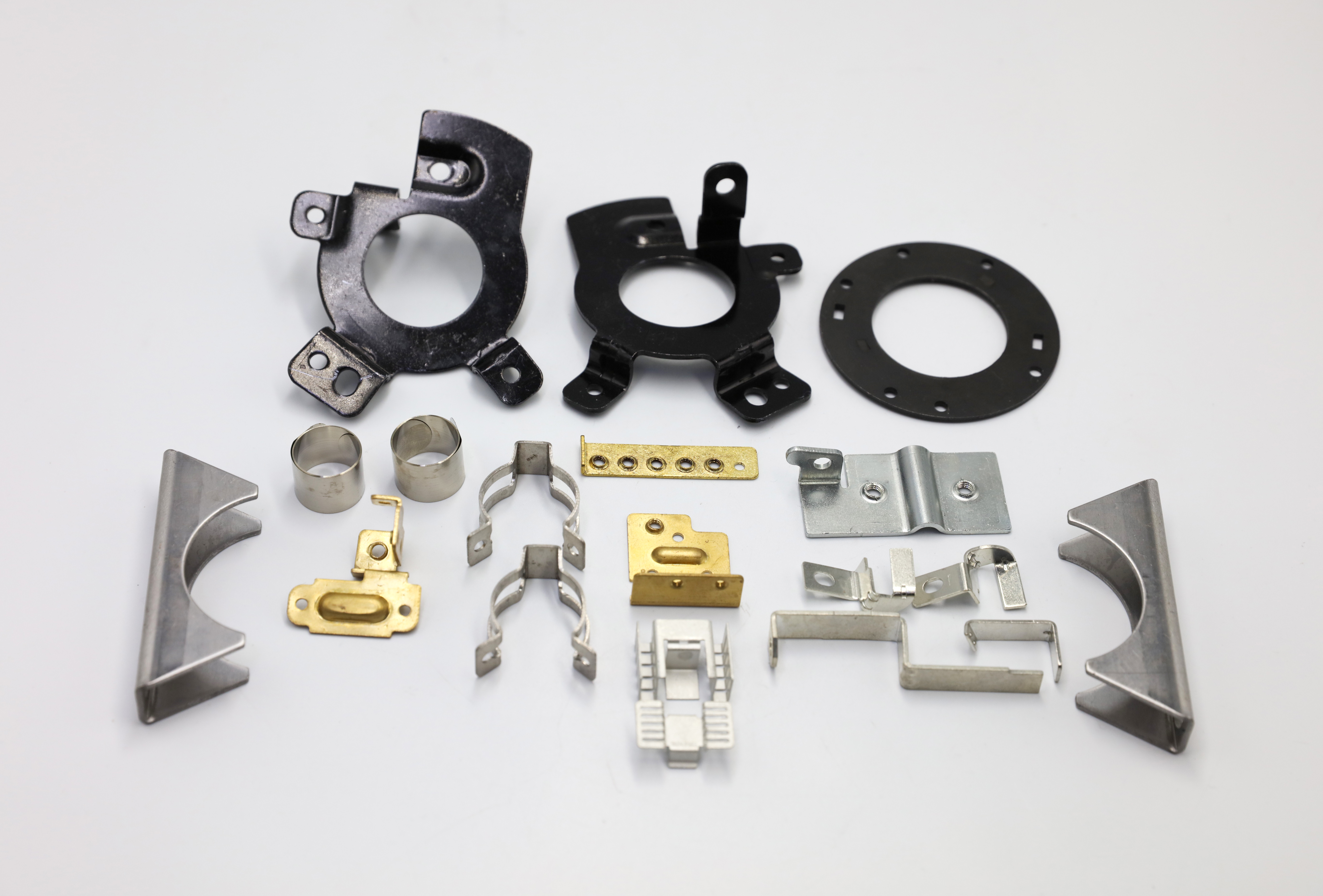
Custom precision metal stamping represents a sophisticated manufacturing process that transforms flat metal sheets into complex three-dimensional components through specialized dies and high-pressure forming techniques. This advanced manufacturing method combines cutting-edge technology with precise engineering to produce metal parts that meet exact specifications and tolerances. The process involves feeding metal blanks through progressive dies that perform various operations including cutting, bending, drawing, and forming operations in sequential stages. Custom precision metal stamping delivers exceptional accuracy in producing intricate geometries, maintaining dimensional consistency across large production runs while accommodating unique design requirements. The technological foundation of this process relies on computer-controlled hydraulic or mechanical presses that apply tremendous force to shape metal materials into desired configurations. Advanced die design software enables manufacturers to optimize tooling layouts, predict material flow patterns, and minimize waste generation throughout production cycles. Modern stamping facilities integrate quality control systems that monitor dimensional accuracy, surface finish quality, and structural integrity of finished components. This manufacturing approach supports various metal alloys including stainless steel, aluminum, copper, brass, and specialty materials that require specific forming characteristics. The process accommodates thickness ranges from ultra-thin foils to heavy-gauge plates, enabling versatility across diverse industry applications. Custom precision metal stamping serves critical functions in automotive manufacturing, aerospace engineering, electronics production, medical device fabrication, and consumer appliance assembly. The method produces components such as brackets, housings, connectors, springs, clips, and complex assemblies that require precise fitment and reliable performance. Manufacturing facilities utilize progressive die systems, transfer presses, and single-stage operations depending on part complexity and production volume requirements. Quality assurance protocols ensure consistent output through statistical process control, coordinate measuring machines, and automated inspection systems that verify dimensional accuracy and surface quality standards.
New Product Releases

Custom precision metal stamping offers significant cost savings compared to alternative manufacturing methods by eliminating expensive secondary machining operations and reducing material waste through optimized blank layouts. The process achieves remarkable efficiency in high-volume production scenarios, where automated feeding systems and progressive dies enable rapid cycle times that dramatically lower per-unit manufacturing costs. This efficiency translates directly into competitive pricing for end customers while maintaining superior quality standards throughout production runs. Manufacturing speed represents another compelling advantage, as modern stamping operations can produce thousands of parts per hour with consistent dimensional accuracy and surface finish quality. The rapid production capability enables manufacturers to meet tight delivery schedules and respond quickly to changing market demands without compromising quality or increasing costs. Material utilization efficiency in custom precision metal stamping minimizes waste generation through intelligent nesting algorithms and progressive die designs that maximize the number of parts extracted from each metal blank. This optimization reduces raw material costs and supports sustainable manufacturing practices that appeal to environmentally conscious customers. Quality consistency stands as a fundamental benefit, where properly designed dies and controlled process parameters ensure that every stamped part matches exact specifications regardless of production volume. Statistical process control systems monitor key dimensions and characteristics throughout production runs, identifying potential variations before they affect finished product quality. This consistency eliminates the need for extensive sorting or rework operations that increase costs and delivery times. Design flexibility allows custom precision metal stamping to accommodate complex geometries, tight tolerances, and unique features that would be difficult or impossible to achieve through other manufacturing processes. Engineers can incorporate multiple forming operations into single-stage processes, creating intricate parts with minimal handling and reduced production time. The process supports various finishing options including plating, coating, heat treatment, and surface texturing that can be integrated into production workflows. Scalability benefits enable manufacturers to adjust production volumes efficiently, from prototype quantities to millions of parts annually, without significant changes to tooling or process parameters. This scalability provides customers with consistent pricing and quality regardless of order size, supporting both initial product launches and long-term production requirements.

Latest News

Automotive Armrest Slide Rail Production Factory: The Cradle of Quality and Innovation

10

Mar

Automotive Armrest Slide Rail Production Factory: The Cradle of Quality and Innovation

View More
Testing Standards For Corrosion Resistance Of Automotive Parts

10

Mar

Testing Standards For Corrosion Resistance Of Automotive Parts

View More

Get a Free Quote

Our representative will contact you soon.
Email
Mobile/WhatsApp
Name
Company Name
Message
0/1000

custom precision metal stamping

Unmatched Dimensional Precision and Repeatability

Unmatched Dimensional Precision and Repeatability

Custom precision metal stamping delivers exceptional dimensional accuracy that surpasses traditional manufacturing methods through advanced die design and process control systems. Modern stamping operations routinely achieve tolerances within plus or minus 0.001 inches across critical dimensions, ensuring perfect fitment and functionality in demanding applications. This precision stems from sophisticated computer-aided design software that optimizes die geometry and predicts material behavior during forming operations. Manufacturing engineers utilize finite element analysis to simulate metal flow patterns, stress distributions, and springback characteristics before cutting production tooling. The result is dies that compensate for material properties and forming variables to produce parts that consistently meet stringent dimensional requirements. Progressive die systems maintain precision across multiple forming stations by incorporating pilot holes and locating features that ensure accurate part positioning throughout the stamping sequence. This systematic approach eliminates cumulative tolerances that can affect final part dimensions in multi-step processes. Quality control systems integrate coordinate measuring machines and automated inspection equipment that verify dimensional accuracy on every part produced. Statistical process control software tracks key measurements and alerts operators to potential variations before they affect product quality. This real-time monitoring ensures that dimensional precision remains consistent throughout extended production runs, eliminating the need for frequent adjustments or rework operations. The repeatability of custom precision metal stamping enables manufacturers to produce identical parts across multiple production runs separated by months or years. Properly maintained dies and standardized process parameters ensure that replacement parts match original specifications exactly, supporting long-term serviceability and customer satisfaction. This consistency proves particularly valuable in industries where interchangeability and precise fitment are critical for product performance and safety. Advanced materials and surface treatments further enhance dimensional stability by minimizing wear and distortion in production tooling. High-strength tool steels and specialized coatings extend die life while maintaining precision throughout millions of stamping cycles. Regular maintenance protocols and precision grinding ensure that tooling dimensions remain within specification throughout the die's operational life.
Superior Cost-Effectiveness for High-Volume Production

Superior Cost-Effectiveness for High-Volume Production

Custom precision metal stamping excels in high-volume manufacturing scenarios by delivering unmatched cost-effectiveness through optimized material utilization, rapid production cycles, and minimal secondary processing requirements. The economic advantages become increasingly pronounced as production volumes increase, making this manufacturing method the preferred choice for components requiring thousands or millions of parts annually. Progressive die systems enable multiple forming operations to occur simultaneously, dramatically reducing cycle times compared to sequential manufacturing processes. Modern high-speed presses operate at rates exceeding 1,000 strokes per minute, producing finished parts in seconds rather than minutes required by alternative methods. This production speed translates directly into lower labor costs per unit and increased manufacturing throughput that benefits customers through competitive pricing and shorter lead times. Material efficiency in custom precision metal stamping minimizes waste through intelligent blank layouts that maximize the number of parts extracted from each metal coil or sheet. Sophisticated nesting software calculates optimal part arrangements that reduce scrap generation and lower raw material costs. The process typically achieves material utilization rates exceeding 80 percent, compared to subtractive manufacturing methods that may waste significant portions of starting materials. Automated material handling systems further reduce costs by eliminating manual loading operations and minimizing the risk of material damage or contamination. Coil feed systems deliver precise blank positioning and consistent material advancement that maintains dimensional accuracy while reducing operator intervention. This automation enables continuous production runs that maximize press utilization and minimize per-unit overhead costs. Tooling amortization across high production volumes makes custom precision metal stamping extremely cost-effective for parts requiring extended production lifecycles. While initial die costs may appear substantial, the investment distributes across millions of stamped parts, resulting in minimal tooling costs per unit. Die maintenance and refurbishment programs extend tooling life and protect the initial investment while maintaining production quality. Secondary processing elimination represents a significant cost advantage, as stamped parts often require minimal finishing operations compared to machined or cast components. Integrated features such as holes, threads, and complex geometries can be formed during the primary stamping operation, eliminating expensive secondary machining steps. This integration reduces handling costs, shortens production timelines, and improves overall manufacturing efficiency.
Exceptional Material Versatility and Design Flexibility

Exceptional Material Versatility and Design Flexibility

Custom precision metal stamping accommodates an extensive range of materials and design configurations that enable engineers to optimize component performance while maintaining manufacturing efficiency and cost-effectiveness. The process successfully forms materials ranging from soft aluminum and copper alloys to high-strength stainless steels and exotic superalloys used in aerospace applications. Each material requires specific forming parameters, die designs, and process controls that experienced stamping manufacturers master through extensive testing and process development. Advanced die materials and specialized coatings enable the forming of challenging materials that would damage conventional tooling. Carbide inserts, diamond-like coatings, and cryogenic treatments extend die life when processing abrasive or high-strength materials, ensuring consistent quality throughout extended production runs. Material thickness capabilities span from ultra-thin foils measuring 0.001 inches to heavy plates exceeding 0.500 inches, accommodating diverse application requirements within a single manufacturing process. This versatility eliminates the need for multiple manufacturing methods and simplifies supply chain management for complex assemblies requiring components of varying thicknesses. Design flexibility allows engineers to incorporate complex geometries, multiple bend angles, and intricate features that would be impossible to achieve through traditional fabrication methods. Deep-drawn components, compound curves, and multi-level surfaces can be formed in single operations that maintain dimensional accuracy and surface quality throughout the part. Progressive die systems enable the integration of cutting, forming, piercing, and coining operations within a continuous manufacturing sequence. This integration creates complex parts with minimal handling and reduces the potential for dimensional variations that occur during part transfer between operations. Feature incorporation during the stamping process includes threaded holes, embossed details, coined surfaces, and precision slots that eliminate secondary machining requirements. These integrated features maintain tight tolerances and proper alignment with other part surfaces, ensuring optimal functionality and appearance. Custom precision metal stamping supports various finishing requirements through compatible material selections and forming processes that accommodate subsequent surface treatments. Parts can be designed with specific surface textures, draft angles, and feature orientations that optimize coating adhesion, plating uniformity, and aesthetic appearance. The process accommodates both prototype quantities for design validation and high-volume production runs without significant changes to manufacturing methods or quality standards. This scalability enables efficient product development cycles and smooth transitions from prototype to production phases.

Get a Free Quote

Our representative will contact you soon.
Email
Mobile/WhatsApp
Name
Company Name
Message
0/1000