Premium CNC Machined Components: Precision Manufacturing Solutions for Industrial Applications

All Categories

Get a Free Quote

Our representative will contact you soon.
Email
Mobile/WhatsApp
Name
Company Name
Message
0/1000

cnc machined components

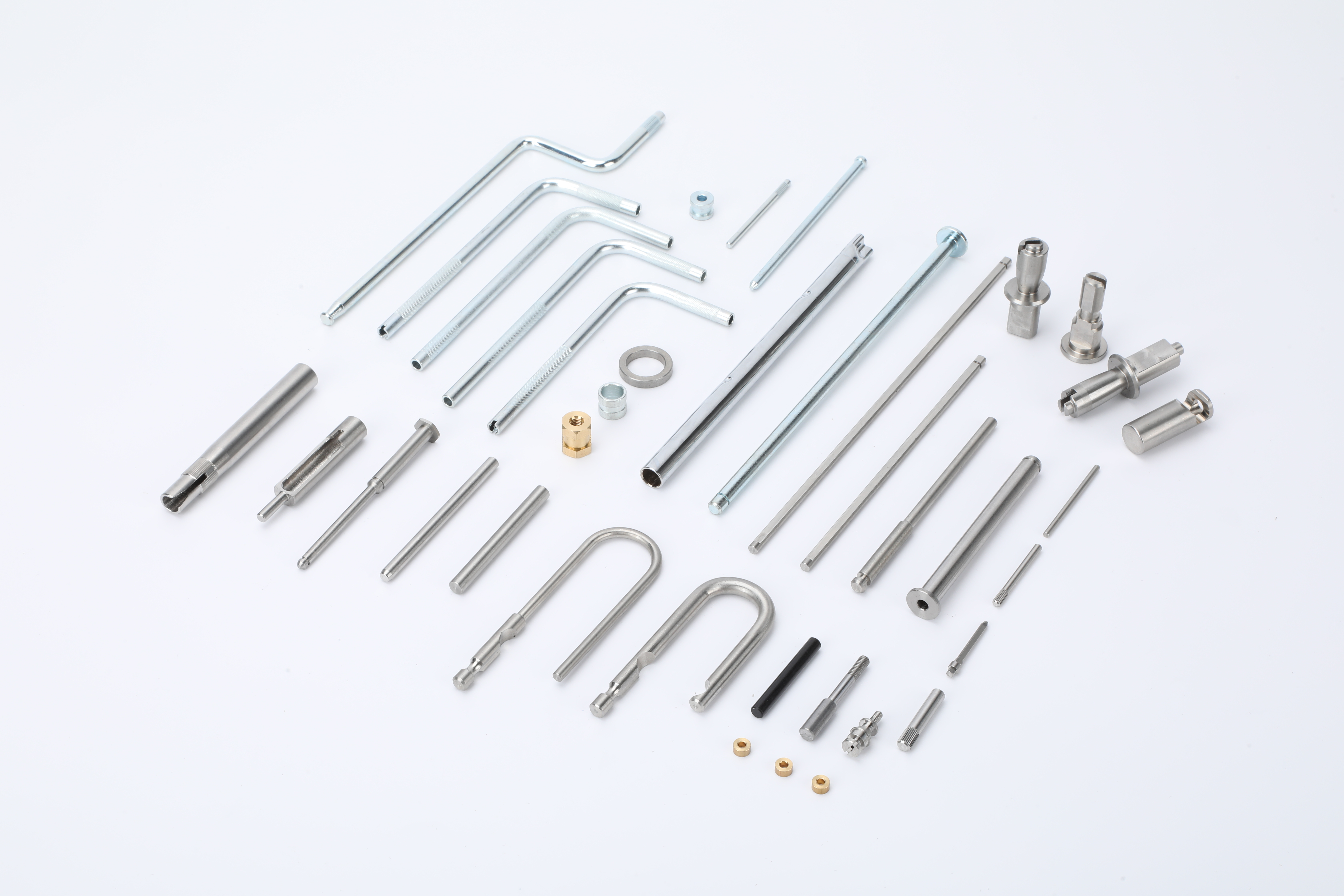
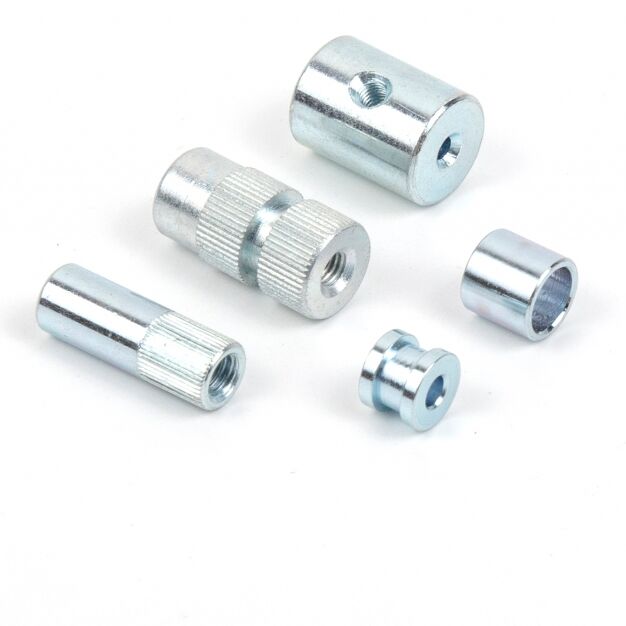
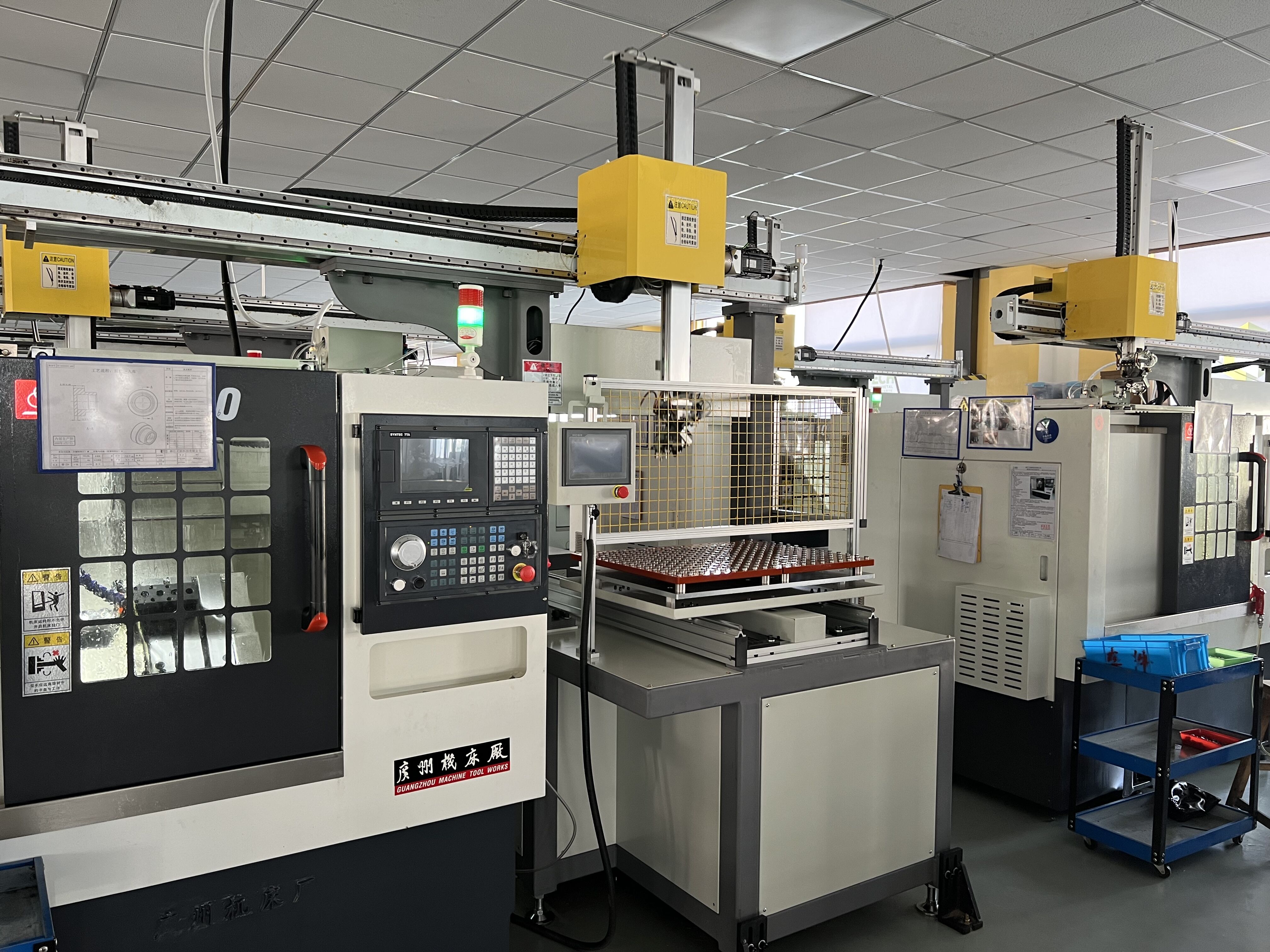
CNC machined components represent the pinnacle of modern manufacturing precision, utilizing computer numerical control technology to produce highly accurate parts across countless industries. These sophisticated components are created through automated machining processes that remove material from solid blocks using cutting tools guided by pre-programmed computer instructions. The fundamental purpose of CNC machined components lies in their ability to deliver consistent, repeatable results with exceptional dimensional accuracy and surface finish quality. The technological foundation of CNC machined components relies on advanced software systems that translate digital designs into precise tool movements. Multi-axis machining centers can simultaneously operate along multiple planes, enabling the creation of complex geometries that would be impossible through traditional manufacturing methods. Modern CNC systems integrate cutting-edge technologies including adaptive machining, real-time monitoring, and automated tool changes to optimize production efficiency. These components serve critical functions across diverse sectors including aerospace, automotive, medical devices, electronics, and defense applications. In aerospace manufacturing, CNC machined components form essential structural elements, engine parts, and flight control systems where failure is not an option. The automotive industry depends on these precision parts for engine blocks, transmission components, and safety-critical systems. Medical device manufacturers rely on CNC machined components to create implants, surgical instruments, and diagnostic equipment that must meet stringent biocompatibility requirements. The technological features of CNC machined components include superior material compatibility, allowing manufacturers to work with metals, plastics, ceramics, and composite materials. Advanced CAD/CAM integration enables seamless transition from design concepts to finished products while maintaining complete traceability throughout the manufacturing process. Quality control systems integrated within CNC operations ensure every component meets specified tolerances and geometric requirements before leaving the production environment.
New Product Releases

CNC machined components deliver substantial advantages that transform manufacturing operations and provide significant value to businesses across all sectors. The primary benefit centers on unmatched precision capabilities, with modern CNC systems achieving tolerances within micrometers, ensuring every part meets exact specifications consistently. This precision eliminates costly rework and reduces material waste, directly improving profitability while maintaining superior product quality standards. Cost efficiency represents another major advantage of CNC machined components, particularly for medium to high-volume production runs. Once programmed, CNC machines operate with minimal human intervention, reducing labor costs while increasing production throughput. The ability to run unattended during off-hours maximizes equipment utilization and accelerates project timelines. Setup costs are quickly amortized across production quantities, making CNC machined components economically viable for diverse manufacturing requirements. Flexibility stands as a cornerstone advantage, enabling rapid transitions between different part designs without extensive retooling. Engineers can modify component specifications through software updates rather than physical changes to manufacturing equipment, dramatically reducing changeover times and associated costs. This adaptability allows manufacturers to respond quickly to market demands and customer requirements while maintaining production efficiency. Material optimization benefits emerge through precise cutting strategies that minimize waste and maximize material utilization rates. CNC programming optimizes tool paths to reduce machining time while extending tool life, further contributing to operational cost savings. The consistency of CNC machined components eliminates quality variations common in manual manufacturing processes, ensuring reliable performance in end-use applications. Speed advantages become apparent in both prototyping and production phases, where CNC systems can rapidly produce parts directly from digital files without intermediate tooling requirements. This acceleration enables faster product development cycles and quicker time-to-market for new products. Scalability benefits allow manufacturers to easily increase production volumes by adding additional CNC machines or extending operating hours without compromising quality standards. The digital nature of CNC manufacturing creates complete documentation and traceability records, supporting quality management systems and regulatory compliance requirements across regulated industries.

Practical Tips

Automotive Armrest Slide Rail Production Factory: The Cradle of Quality and Innovation

10

Mar

Automotive Armrest Slide Rail Production Factory: The Cradle of Quality and Innovation

View More
How To Choose Appropriate Automotive Parts According To Testing Standards

10

Mar

How To Choose Appropriate Automotive Parts According To Testing Standards

View More

Get a Free Quote

Our representative will contact you soon.
Email
Mobile/WhatsApp
Name
Company Name
Message
0/1000

cnc machined components

Exceptional Precision and Accuracy Standards

Exceptional Precision and Accuracy Standards

The precision capabilities of CNC machined components set new benchmarks in manufacturing excellence, delivering dimensional accuracy that consistently exceeds industry standards and customer expectations. Modern CNC machining centers achieve tolerances as tight as ±0.0001 inches across complex geometries, ensuring every component meets exact specifications without variation. This exceptional precision stems from advanced servo motor systems, high-resolution encoders, and sophisticated feedback control mechanisms that continuously monitor and adjust cutting tool positions throughout the machining process. The significance of this precision extends far beyond mere dimensional compliance, directly impacting product performance, safety, and reliability in critical applications. In aerospace applications, CNC machined components must withstand extreme temperatures, pressures, and stresses while maintaining structural integrity, making precision absolutely essential for flight safety and operational success. Medical device manufacturers depend on this accuracy to create implants that integrate seamlessly with human anatomy and surgical instruments that perform with surgical precision. The automotive sector relies on precisely machined engine components to achieve optimal fuel efficiency, reduce emissions, and ensure long-term durability under demanding operating conditions. Advanced measurement and inspection systems integrated within CNC operations provide real-time quality verification, catching potential deviations before they become costly problems. Statistical process control capabilities track dimensional trends over time, enabling predictive maintenance and continuous process improvement initiatives. This precision consistency eliminates the need for expensive secondary operations like grinding or honing in many applications, reducing overall manufacturing costs while shortening production timelines. The economic impact of precision CNC machined components extends throughout the supply chain, reducing assembly time, improving fit and function, and minimizing field failures that could result in costly warranty claims or product recalls.
Superior Material Versatility and Compatibility

Superior Material Versatility and Compatibility

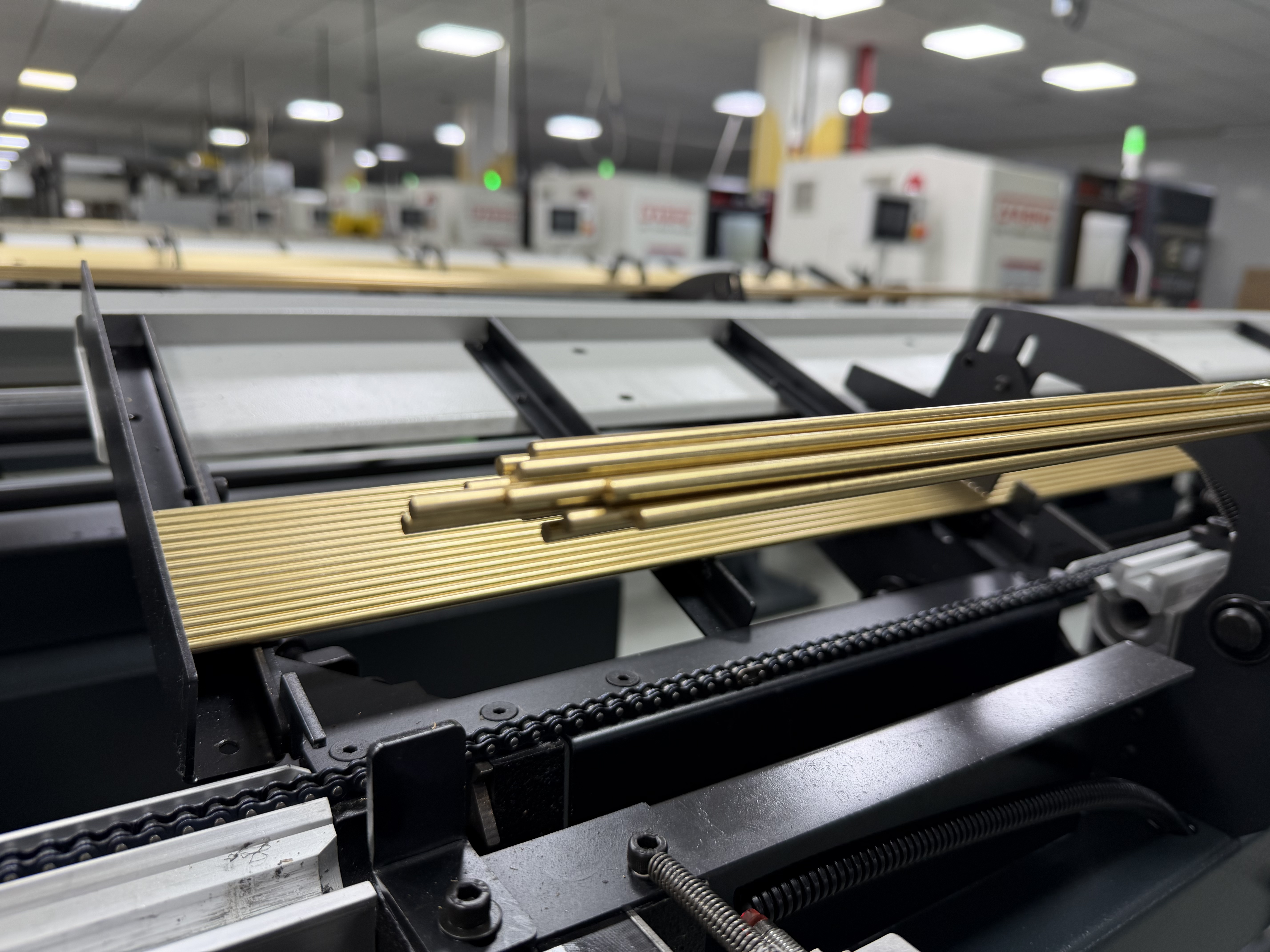
CNC machined components demonstrate remarkable versatility through their compatibility with an extensive range of materials, enabling manufacturers to select optimal materials for specific applications without compromising manufacturability or cost-effectiveness. This material flexibility encompasses everything from common aluminum alloys and carbon steels to exotic superalloys, titanium, ceramics, and advanced polymer composites, each requiring specialized machining strategies and cutting parameters. The ability to process diverse materials positions CNC machining as the preferred manufacturing method for industries with stringent material requirements, particularly where material properties directly influence product performance and longevity. Aerospace manufacturers benefit enormously from this versatility when working with lightweight titanium alloys that offer exceptional strength-to-weight ratios essential for aircraft components and spacecraft structures. The medical industry leverages biocompatible materials like surgical-grade stainless steel and titanium for implants and instruments that must integrate safely with human tissue. Advanced cutting tool technologies and specialized coatings enable CNC systems to efficiently machine difficult materials that traditionally posed significant manufacturing challenges, including heat-resistant superalloys used in gas turbine engines and corrosion-resistant alloys for marine applications. Modern CNC programming incorporates material-specific parameters that optimize cutting speeds, feeds, and tool paths to maximize material removal rates while preserving surface finish quality and dimensional accuracy. This optimization reduces manufacturing costs by extending tool life, minimizing cycle times, and reducing material waste through more efficient cutting strategies. The thermal management capabilities of advanced CNC systems prevent material distortion during machining, ensuring dimensional stability even when working with materials prone to thermal expansion. Coolant systems and cutting fluid management maintain optimal temperatures throughout the machining process, preserving material properties and surface integrity. This material versatility eliminates the need for multiple manufacturing processes or specialized equipment for different materials, simplifying supply chain management and reducing capital equipment investments while maintaining superior quality standards across all material types.
Rapid Prototyping and Production Scalability

Rapid Prototyping and Production Scalability

CNC machined components excel in providing seamless transitions from initial prototyping through full-scale production, offering unmatched scalability that adapts to changing business requirements without compromising quality or increasing complexity. This scalability advantage begins with rapid prototyping capabilities that transform digital designs into physical parts within hours or days rather than weeks or months required by traditional manufacturing methods. Engineers can quickly iterate designs, test functionality, and optimize performance characteristics before committing to full production runs, significantly reducing development costs and accelerating time-to-market for new products. The digital foundation of CNC manufacturing eliminates traditional tooling constraints that historically limited design flexibility and increased changeover costs between different part configurations. Production scalability becomes evident as demand fluctuates, with CNC systems easily accommodating volume changes from single prototypes to thousands of production parts without requiring significant process modifications or additional equipment investments. This flexibility proves invaluable for manufacturers serving markets with seasonal demand patterns or those launching new products with uncertain market acceptance. Multi-axis CNC capabilities enable complex part geometries to be completed in single setups, reducing handling time, eliminating secondary operations, and maintaining dimensional relationships between features that might be compromised through multiple manufacturing processes. The programming flexibility of CNC systems allows manufacturers to optimize production sequences for different batch sizes, balancing setup times against processing efficiency to achieve optimal cost per part across varying production volumes. Automated tool changing systems and advanced workholding solutions minimize setup times between different parts, enabling efficient mixed-model production runs that serve diverse customer requirements without sacrificing productivity. Quality consistency remains constant regardless of production volume, with CNC machined components meeting identical specifications whether producing one prototype or one thousand production parts. This consistency eliminates the quality risks associated with scaling traditional manufacturing processes and ensures customer satisfaction throughout all phases of product lifecycle. The investment protection offered by CNC equipment becomes apparent as production requirements evolve, with existing machinery adapting to new part designs and specifications through software updates rather than expensive equipment replacement, maximizing return on capital investments while maintaining competitive manufacturing capabilities.

Get a Free Quote

Our representative will contact you soon.
Email
Mobile/WhatsApp
Name
Company Name
Message
0/1000