Premium Aluminum CNC Machined Parts - Precision Manufacturing Solutions

All Categories

Get a Free Quote

Our representative will contact you soon.
Email
Mobile/WhatsApp
Name
Company Name
Message
0/1000

aluminum cnc machined parts

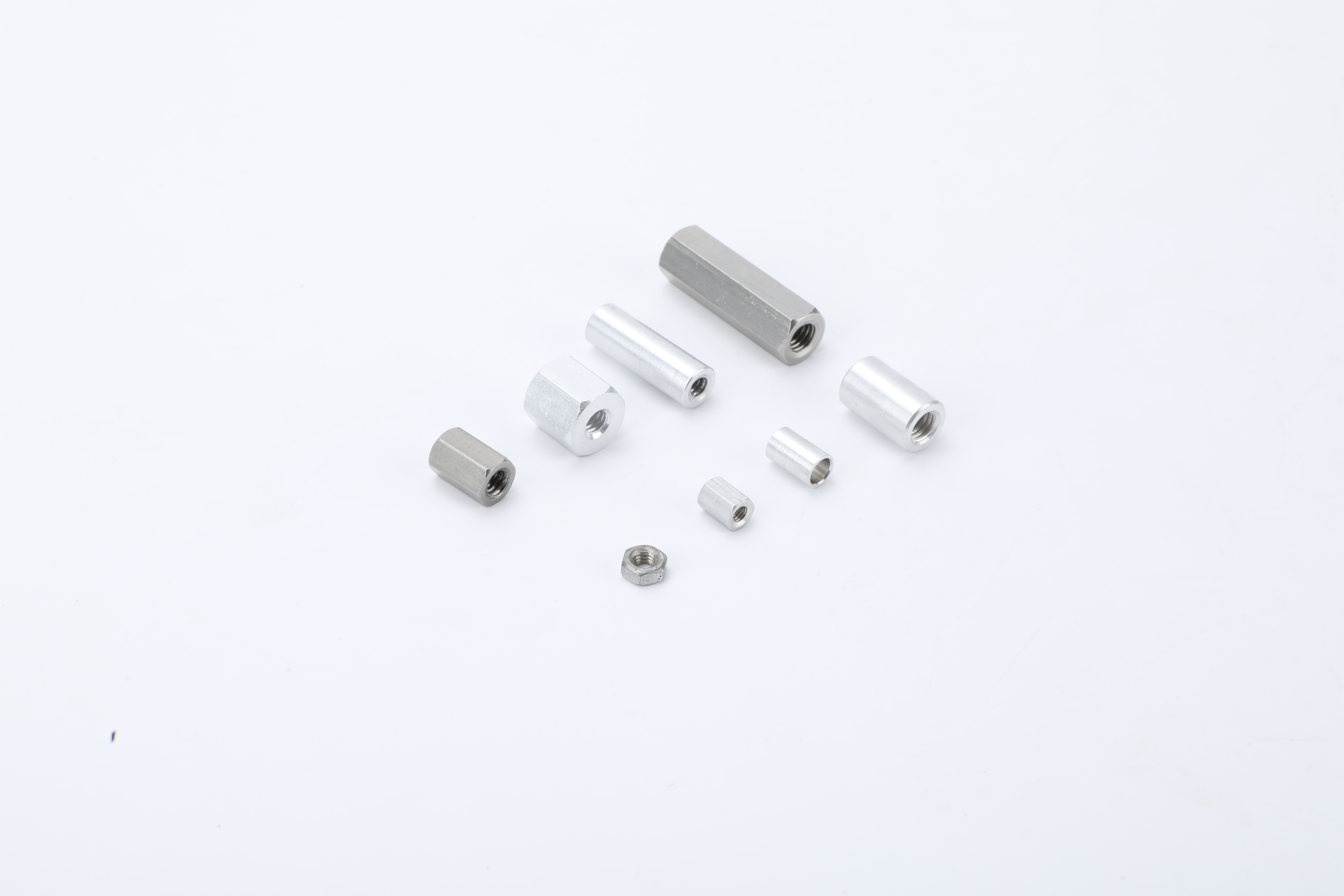
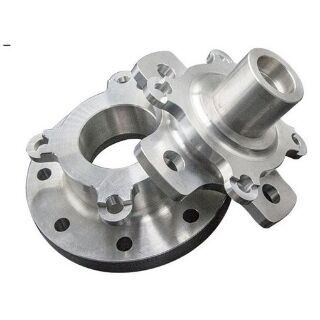
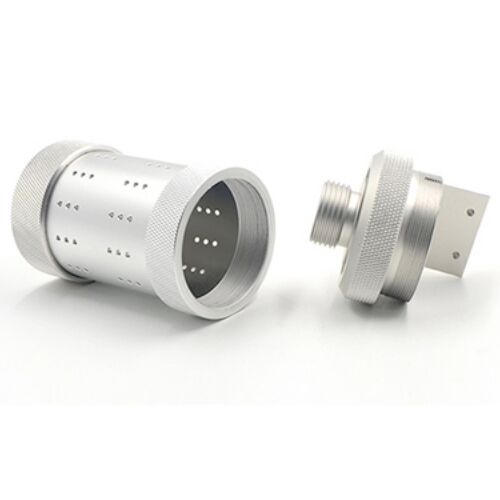
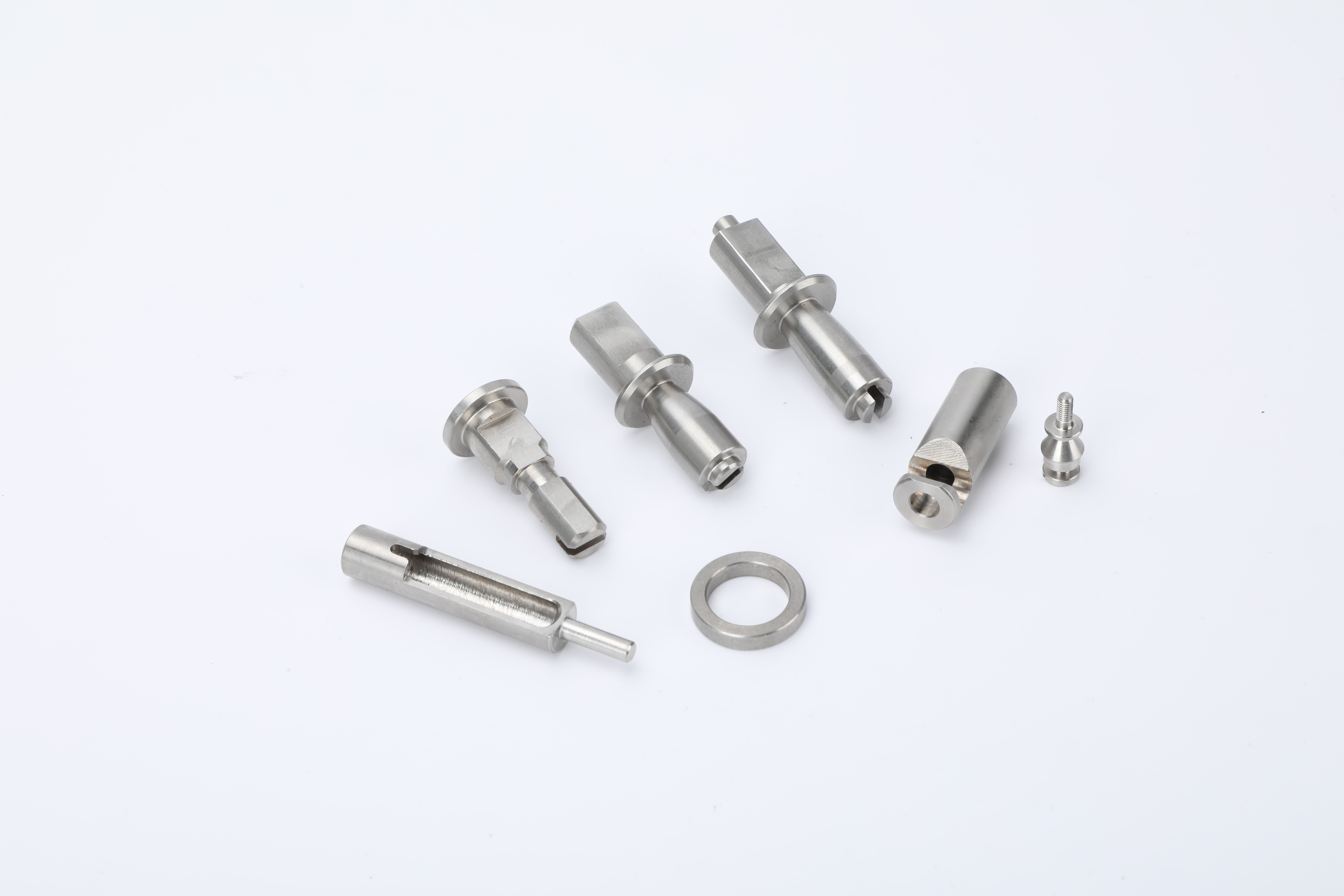
Aluminum CNC machined parts represent a cornerstone of modern precision manufacturing, combining the inherent benefits of aluminum with the accuracy and versatility of computer numerical control machining technology. These components are manufactured through a subtractive process where raw aluminum stock is precisely cut, drilled, milled, and shaped using computer-controlled machine tools to create parts with exceptional dimensional accuracy and surface finish quality. The primary function of aluminum CNC machined parts extends across numerous industries, serving as critical components in aerospace structures, automotive assemblies, electronic enclosures, medical devices, and industrial equipment. The technological features of aluminum CNC machined parts include tight tolerances typically ranging from ±0.001 to ±0.005 inches, superior surface finishes that often require minimal post-processing, and the ability to incorporate complex geometries, intricate internal channels, and precise threaded connections in a single setup. The CNC machining process enables the production of aluminum parts with consistent repeatability, ensuring that each component meets exact specifications regardless of production volume. Applications for aluminum CNC machined parts span diverse sectors including aviation where they serve as structural brackets and housing components, automotive manufacturing for engine blocks and transmission cases, electronics for heat sinks and protective enclosures, marine applications for corrosion-resistant fittings, and medical equipment for surgical instruments and diagnostic device components. The versatility of aluminum CNC machined parts makes them suitable for both prototype development and high-volume production runs, accommodating various aluminum alloys such as 6061, 7075, and 2024 to meet specific strength, weight, and environmental requirements. Modern CNC machining centers can process aluminum parts with multiple axes of movement, enabling the creation of complex three-dimensional geometries while maintaining exceptional precision and eliminating the need for multiple setups or secondary operations in many cases.
New Product Recommendations

Aluminum CNC machined parts offer substantial cost savings compared to alternative manufacturing methods, particularly for medium to high-volume production runs where the efficiency of CNC machining significantly reduces per-unit costs. The automated nature of CNC machining eliminates human error and ensures consistent quality across entire production batches, reducing waste and rework expenses that commonly plague manual manufacturing processes. These parts deliver exceptional strength-to-weight ratios, making them ideal for applications where weight reduction directly translates to improved performance and energy efficiency, such as in automotive and aerospace applications where every gram matters. The corrosion resistance inherent in aluminum CNC machined parts provides long-term durability and reduces maintenance requirements, particularly when properly finished with anodizing or other protective coatings that extend service life in harsh environmental conditions. Aluminum CNC machined parts excel in thermal management applications due to aluminum's superior heat dissipation properties, making them perfect for electronic components, LED lighting systems, and industrial equipment that generates significant heat during operation. The machining process creates parts with excellent surface integrity and dimensional stability, eliminating the internal stresses commonly found in cast or forged components that can lead to warping or dimensional changes over time. Rapid prototyping capabilities allow engineers to quickly iterate designs and test functionality before committing to full production, significantly reducing development timelines and enabling faster time-to-market for new products. The extensive range of available aluminum alloys provides designers with options to optimize material properties for specific applications, whether prioritizing strength, corrosion resistance, thermal conductivity, or machinability. Post-machining operations such as anodizing, powder coating, or chemical treatments can enhance both functional and aesthetic properties, providing additional protection against wear, corrosion, and environmental degradation while maintaining the precise dimensions achieved during machining. The recyclability of aluminum CNC machined parts contributes to sustainable manufacturing practices, as aluminum can be recycled indefinitely without losing its beneficial properties, making these components environmentally responsible choices for manufacturers committed to reducing their carbon footprint. Quality control measures integrated throughout the CNC machining process, including in-process inspection and final dimensional verification, ensure that aluminum CNC machined parts consistently meet or exceed specified requirements, reducing the risk of field failures and associated warranty costs.

Tips And Tricks

Automotive Armrest Slide Rail Production Factory: The Cradle of Quality and Innovation

10

Mar

Automotive Armrest Slide Rail Production Factory: The Cradle of Quality and Innovation

View More
How To Choose Appropriate Automotive Parts According To Testing Standards

10

Mar

How To Choose Appropriate Automotive Parts According To Testing Standards

View More

Get a Free Quote

Our representative will contact you soon.
Email
Mobile/WhatsApp
Name
Company Name
Message
0/1000

aluminum cnc machined parts

Precision Engineering Excellence

Precision Engineering Excellence

The precision engineering capabilities of aluminum CNC machined parts set them apart from conventional manufacturing methods, delivering dimensional accuracy that consistently achieves tolerances within ±0.0005 inches for critical features. This exceptional precision stems from the computer-controlled nature of CNC machining, where every cutting movement is programmed and executed with mathematical precision, eliminating the variability inherent in manual machining operations. The rigid construction of modern CNC machining centers, combined with advanced tooling systems and real-time monitoring capabilities, ensures that aluminum CNC machined parts maintain their specified dimensions throughout the entire production run. This consistency proves invaluable for applications requiring perfect fit and function, such as medical devices where precise tolerances ensure proper operation and patient safety, or aerospace components where dimensional accuracy directly impacts structural integrity and performance. The surface finish quality achieved on aluminum CNC machined parts often eliminates the need for secondary finishing operations, with typical surface roughness values ranging from 32 to 125 microinches depending on the specific machining parameters and tooling selection. Advanced CNC programming techniques enable the creation of complex geometries that would be impossible or prohibitively expensive using traditional manufacturing methods, including intricate internal passages, undercuts, and multi-level features that require precise coordination between multiple cutting tools. The ability to machine aluminum parts in a single setup reduces cumulative tolerances and eliminates alignment errors that occur when parts must be repositioned or transferred between different machines. Quality assurance protocols integrated into the CNC machining process include coordinate measuring machine verification, statistical process control monitoring, and first article inspection procedures that validate dimensional accuracy before full production begins. The precision achievable with aluminum CNC machined parts enables engineers to design products with tighter clearances and more efficient use of space, resulting in more compact and lightweight assemblies that maintain superior performance characteristics. This precision engineering excellence translates directly to reduced assembly time and improved product reliability, as components fit together perfectly without the need for adjustment or modification during installation.
Rapid Production Flexibility

Rapid Production Flexibility

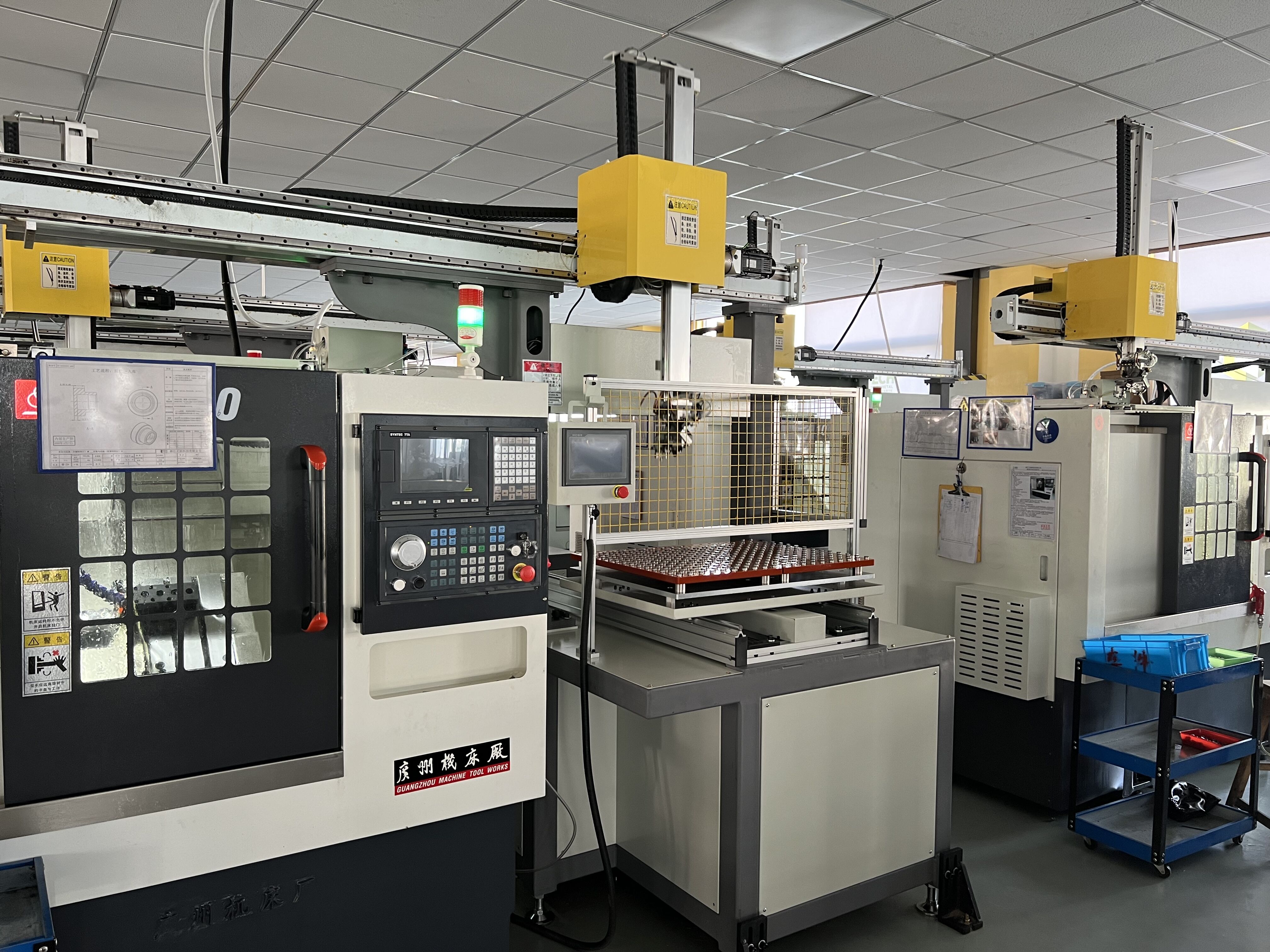
The rapid production flexibility offered by aluminum CNC machined parts revolutionizes manufacturing timelines and enables businesses to respond quickly to changing market demands and customer requirements. Unlike traditional manufacturing methods that require expensive tooling, dies, or molds with lengthy lead times, CNC machining of aluminum parts can begin production within days of receiving approved drawings, making it ideal for both prototype development and urgent production requirements. This flexibility extends to design modifications, as changes can be implemented simply by updating the CNC program rather than retooling entire production lines, allowing for continuous improvement and optimization throughout the product lifecycle. The versatility of CNC machining centers accommodates a wide range of aluminum alloys and part sizes within a single setup, enabling manufacturers to produce diverse product portfolios without significant equipment changes or specialized tooling investments. Batch size flexibility represents another significant advantage, as aluminum CNC machined parts can be economically produced in quantities ranging from single prototypes to thousands of units, with minimal setup time between different part numbers or production runs. The ability to quickly scale production up or down based on demand fluctuations provides manufacturers with unprecedented agility in managing inventory levels and responding to market opportunities. Advanced CNC programming capabilities enable lights-out manufacturing, where aluminum CNC machined parts continue production overnight or during weekends with minimal supervision, effectively increasing available production capacity without proportional increases in labor costs. The integration of automated material handling systems and robotic loading capabilities further enhances production flexibility by reducing setup times and enabling continuous operation for high-volume aluminum CNC machined parts production. Multi-axis CNC machining centers can produce complex aluminum parts that previously required multiple manufacturing steps, consolidating operations and reducing overall production time while improving quality consistency. The digital nature of CNC programming enables remote production management and quality monitoring, allowing manufacturers to oversee aluminum CNC machined parts production from multiple locations while maintaining consistent quality standards. This rapid production flexibility proves particularly valuable for industries with seasonal demand patterns or those requiring quick response to engineering changes, as aluminum CNC machined parts can be efficiently produced to meet fluctuating requirements without the constraints of traditional manufacturing methods.
Superior Material Performance

Superior Material Performance

The superior material performance of aluminum CNC machined parts stems from the unique combination of aluminum's inherent properties and the precision manufacturing process that preserves and optimizes these characteristics. Aluminum's exceptional strength-to-weight ratio makes these machined parts ideal for applications where weight reduction is critical, delivering structural integrity comparable to steel components while weighing approximately one-third less, resulting in improved fuel efficiency in automotive applications and enhanced payload capacity in aerospace systems. The thermal conductivity of aluminum CNC machined parts, approximately four times greater than steel, makes them exceptionally effective for heat dissipation applications such as electronic heat sinks, LED housing components, and industrial cooling systems where efficient thermal management directly impacts performance and reliability. Corrosion resistance represents another significant performance advantage, as aluminum naturally forms a protective oxide layer that prevents deterioration in various environmental conditions, with anodized aluminum CNC machined parts providing even greater protection against chemical attack and wear. The non-magnetic properties of aluminum CNC machined parts make them essential for applications involving sensitive electronic equipment, medical imaging systems, and precision measurement instruments where magnetic interference could compromise functionality or accuracy. Electrical conductivity characteristics of aluminum, while lower than copper, still provide excellent performance for electrical applications at a fraction of the weight, making aluminum CNC machined parts popular choices for electrical enclosures, bus bars, and connector components in power distribution systems. The machinability of aluminum enables the creation of intricate features and complex geometries while maintaining excellent surface finish quality, often eliminating the need for secondary operations and reducing overall manufacturing costs. Fatigue resistance properties of properly machined aluminum parts, particularly when stress-relieved and finished with appropriate surface treatments, provide excellent durability in cyclic loading applications such as automotive suspension components and aerospace structural elements. The recyclability of aluminum CNC machined parts contributes to their superior environmental performance, as aluminum can be recycled indefinitely without degradation of material properties, supporting sustainable manufacturing practices and reducing environmental impact throughout the product lifecycle. Low-temperature performance characteristics make aluminum CNC machined parts suitable for cryogenic applications where other materials might become brittle, expanding their utility in specialized applications such as scientific instruments and industrial gas handling equipment. The chemical compatibility of aluminum with various substances, combined with the precise control over surface finish achieved through CNC machining, makes these parts suitable for food processing equipment, pharmaceutical manufacturing components, and other applications requiring strict cleanliness and chemical inertness standards.

Get a Free Quote

Our representative will contact you soon.
Email
Mobile/WhatsApp
Name
Company Name
Message
0/1000