aluminum cnc machining parts
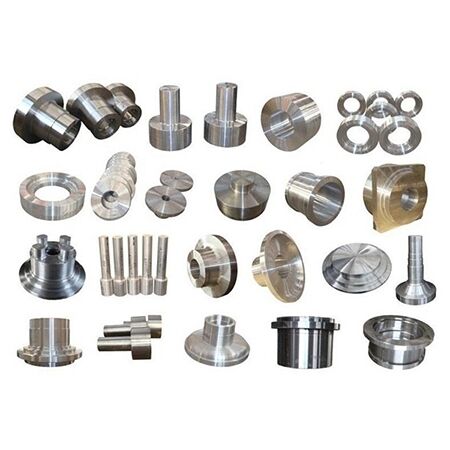
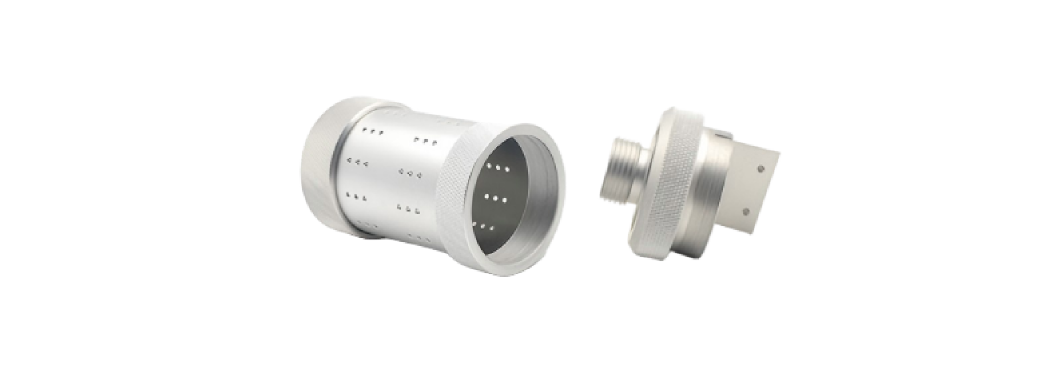
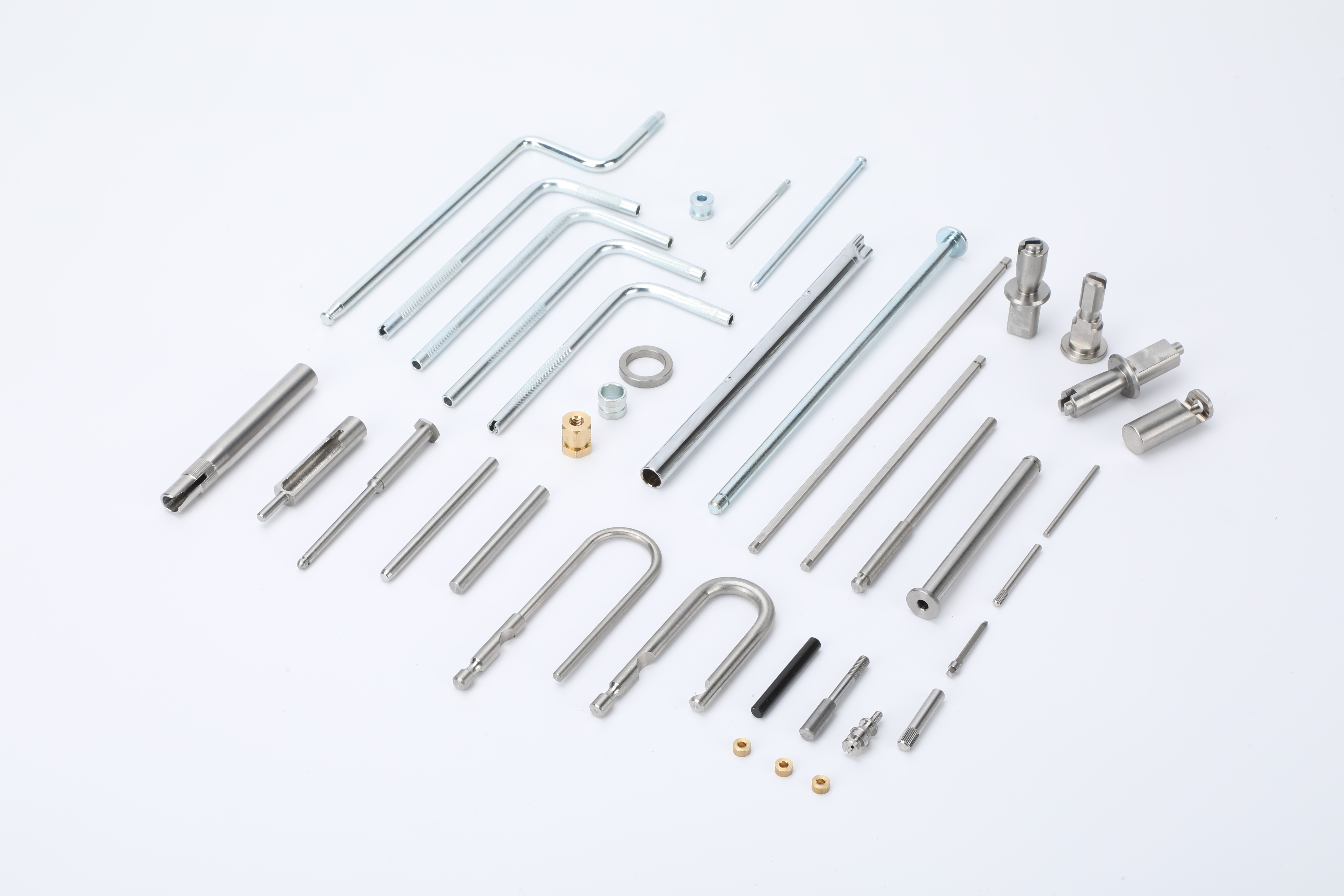
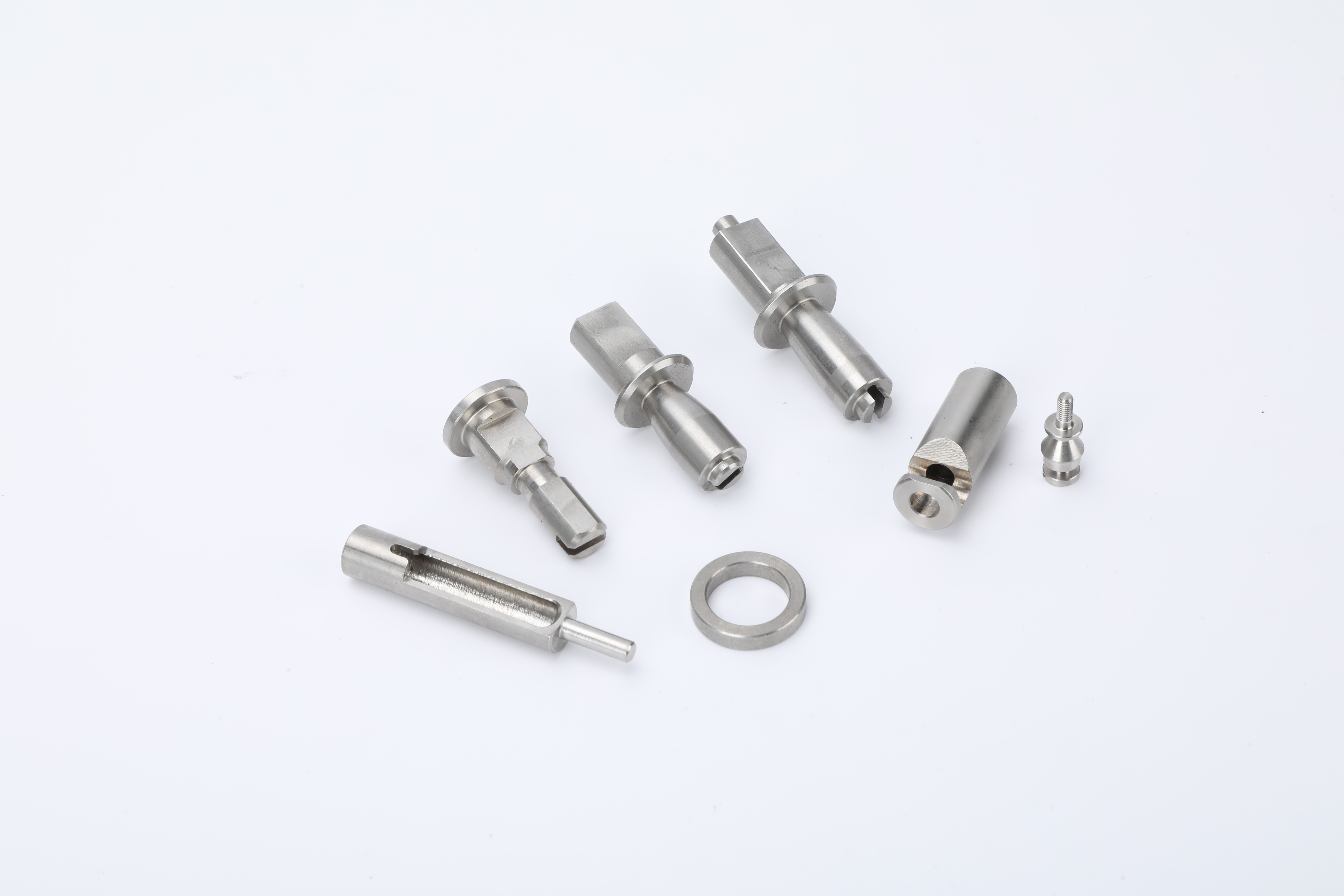
Aluminum CNC machining parts represent a cornerstone of modern manufacturing, delivering precision-engineered components that meet the demanding requirements of today's industrial landscape. These specialized parts are created through computer numerical control (CNC) machining processes, where aluminum raw materials undergo precise cutting, drilling, milling, and turning operations to achieve exact specifications. The main functions of aluminum cnc machining parts encompass structural support, mechanical transmission, fluid control, and electrical housing across numerous industries. These components serve as critical elements in automotive systems, aerospace assemblies, medical devices, electronics enclosures, and industrial equipment. The technological features of aluminum cnc machining parts include exceptional dimensional accuracy, typically achieving tolerances within ±0.005 inches, superior surface finishes ranging from 32 to 125 microinches, and consistent mechanical properties throughout the component. Advanced CNC machining centers employ multi-axis capabilities, enabling the production of complex geometries with intricate internal features, undercuts, and precise angular surfaces that would be impossible to achieve through conventional manufacturing methods. The aluminum alloys commonly used for these parts, such as 6061-T6, 7075-T6, and 2024-T4, provide optimal combinations of strength, corrosion resistance, and machinability. Applications for aluminum cnc machining parts span across diverse sectors including aerospace brackets and housings, automotive engine components, medical surgical instruments, electronic heat sinks, marine hardware, and industrial automation equipment. The versatility of aluminum cnc machining parts makes them indispensable for prototyping, small-batch production, and high-volume manufacturing runs. These components can incorporate threaded holes, precision bores, complex contours, and multiple surface treatments within a single machining operation, significantly reducing assembly time and improving overall product reliability.

 EN
EN