
 EN
EN
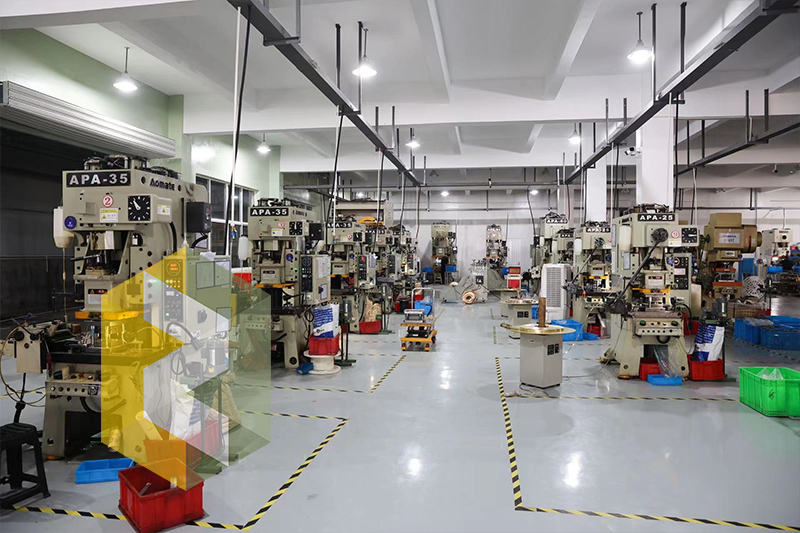
The quality of surface finish in manufacturing components directly determines their performance, durability, and overall value in demanding industrial applications. When it comes to CNC machining parts, achieving exceptional surface finish excellence requires a combination of advanced technology, specialized expertise, and stringent quality control processes that few manufacturers can consistently deliver at scale.

Surface finish excellence in CNC machining parts stems from the fundamental understanding that microscopic surface characteristics influence everything from friction coefficients and wear resistance to corrosion protection and aesthetic appeal. Our manufacturing approach addresses these critical factors through proprietary methodologies that consistently produce superior surface quality compared to conventional machining operations, establishing a new benchmark for what clients should expect from precision-manufactured components.
Advanced Tooling Technologies Drive Superior Surface Quality
Precision Tool Selection and Geometry Optimization
The foundation of exceptional surface finish in CNC machining parts begins with sophisticated tool selection criteria that consider material compatibility, cutting geometry, and surface interaction dynamics. Our engineering team utilizes advanced carbide tools with specialized coatings and precisely engineered cutting angles that minimize surface disruption while maximizing material removal efficiency. These tools are selected based on comprehensive testing protocols that evaluate their performance across different materials and machining conditions.
Tool geometry plays a crucial role in surface finish quality, particularly the rake angle, clearance angle, and cutting edge preparation. Our CNC machining parts benefit from tools that feature optimized geometries specifically designed for different material types and applications. The precision of these tools directly translates to reduced surface roughness and improved dimensional accuracy in the finished components.
Real-Time Tool Condition Monitoring Systems
Maintaining consistent surface finish quality requires continuous monitoring of tool condition throughout the machining process. Our manufacturing facility employs advanced sensor technologies that track tool wear, vibration patterns, and cutting force variations in real-time. This data-driven approach allows for predictive tool replacement before surface quality degradation occurs, ensuring that every CNC machining part maintains the same high standard of surface finish excellence.
The integration of machine learning algorithms with our tool monitoring systems enables automatic adjustment of cutting parameters when subtle changes in tool condition are detected. This proactive approach prevents the gradual deterioration of surface finish that typically occurs as tools wear, maintaining consistent quality throughout production runs regardless of batch size or complexity.
Precision Machining Parameters and Process Control
Optimal Cutting Speed and Feed Rate Calibration
Achieving superior surface finish in CNC machining parts requires precise calibration of cutting speeds and feed rates that are specifically optimized for each material and component geometry. Our process engineers conduct extensive testing to determine the optimal parameter combinations that minimize surface roughness while maintaining efficient production rates. These parameters are continuously refined based on empirical data collected from thousands of machining operations.
The relationship between cutting speed, feed rate, and surface finish is complex and material-dependent. Our CNC machining parts benefit from parameter sets that have been validated through rigorous testing protocols that measure surface roughness, dimensional accuracy, and tool life under various operating conditions. This scientific approach ensures reproducible results across different production runs and material lots.
Environmental Control and Vibration Elimination
Surface finish quality in CNC machining parts is significantly influenced by environmental factors such as temperature stability, vibration control, and contamination prevention. Our manufacturing facility maintains strict environmental controls including temperature regulation within ±1°C, vibration isolation systems for all machining centers, and clean room protocols that prevent particulate contamination of work surfaces.
Vibration elimination is particularly critical for achieving excellent surface finishes, as even microscopic vibrations can create surface irregularities that compromise component performance. Our CNC machining parts are produced on machines equipped with advanced vibration dampening systems and precision spindle bearings that maintain exceptional stability throughout the machining process.
Quality Assurance and Surface Measurement Technologies
Advanced Surface Metrology and Characterization
Ensuring consistent surface finish excellence in CNC machining parts requires sophisticated measurement technologies that can accurately characterize surface topography at the microscopic level. Our quality control department utilizes state-of-the-art profilometers, atomic force microscopes, and optical surface analyzers that provide detailed measurements of surface roughness parameters including Ra, Rz, and Rmax values.
These measurement systems enable comprehensive surface characterization that goes beyond basic roughness measurements to include surface texture analysis, waviness evaluation, and form deviation assessment. The data collected from these instruments provides valuable feedback for process optimization and ensures that every batch of CNC machining parts meets or exceeds specified surface finish requirements.
Statistical Process Control and Continuous Improvement
Maintaining industry-leading surface finish excellence requires robust statistical process control systems that track surface quality metrics across all production operations. Our quality management system continuously monitors surface finish parameters using control charts and statistical analysis tools that identify trends and potential issues before they impact product quality.
The implementation of continuous improvement methodologies ensures that our CNC machining parts consistently achieve superior surface finish quality through systematic optimization of machining processes. Regular analysis of surface quality data identifies opportunities for process refinement and technology upgrades that further enhance our competitive advantage in surface finish excellence.
Material-Specific Surface Optimization Strategies
Aluminum Alloy Surface Finish Optimization
Aluminum alloys present unique challenges and opportunities for achieving exceptional surface finishes in CNC machining parts. Our specialized approach to aluminum machining utilizes diamond-turned cutting tools and optimized coolant systems that prevent built-up edge formation while maintaining the natural reflective properties of the aluminum surface. The resulting surface finish often exceeds mirror quality standards required for optical and aerospace applications.
The machining of aluminum CNC parts requires careful attention to chip evacuation and thermal management to prevent work hardening and surface contamination. Our proprietary machining strategies for aluminum include specialized workholding systems that minimize distortion and cutting parameter optimization that maintains consistent surface finish across complex geometries.
Steel and Stainless Steel Surface Excellence
Steel and stainless steel CNC machining parts require different surface optimization approaches due to their unique metallurgical properties and work hardening characteristics. Our steel machining processes utilize advanced cutting tool technologies including ceramic and CBN tools that maintain sharp cutting edges while resisting the high temperatures generated during steel machining operations.
Stainless steel presents additional challenges due to its work hardening tendency and abrasive nature. Our CNC machining parts produced from stainless steel achieve exceptional surface finishes through the use of specialized cutting fluids, optimized tool paths that minimize tool contact time, and advanced workholding systems that eliminate vibration and deflection during machining operations.
FAQ
What surface roughness values can be achieved with your CNC machining parts?
Our CNC machining parts consistently achieve surface roughness values as low as 0.1 μm Ra for aluminum components and 0.2 μm Ra for steel and stainless steel parts. These values are achieved through our optimized machining processes, advanced tooling technologies, and rigorous quality control systems that ensure consistent results across all production runs.
How do you maintain surface finish consistency across large production batches?
We maintain surface finish consistency in our CNC machining parts through automated process control systems that monitor machining parameters in real-time, statistical process control methodologies that track surface quality metrics, and preventive maintenance programs that ensure equipment operates at peak performance. Our quality assurance protocols include surface finish verification for every batch to guarantee consistency.
What makes your surface finishing capabilities superior to other CNC machining providers?
Our superior surface finishing capabilities stem from the combination of advanced tooling technologies, precision environmental controls, sophisticated measurement systems, and material-specific optimization strategies. Unlike conventional CNC machining operations, we employ proprietary processes developed through extensive research and testing that consistently deliver surface finish quality that exceeds industry standards.
Can you achieve mirror-finish quality on CNC machining parts for optical applications?
Yes, our CNC machining parts can achieve mirror-finish quality suitable for optical and high-precision applications. We utilize diamond turning technology, ultra-precision machining centers, and specialized post-processing techniques that produce optical-grade surface finishes with minimal surface defects. These capabilities make our components ideal for demanding applications in aerospace, medical devices, and precision instrumentation.
Table of Contents
- Advanced Tooling Technologies Drive Superior Surface Quality
- Precision Machining Parameters and Process Control
- Quality Assurance and Surface Measurement Technologies
- Material-Specific Surface Optimization Strategies
-
FAQ
- What surface roughness values can be achieved with your CNC machining parts?
- How do you maintain surface finish consistency across large production batches?
- What makes your surface finishing capabilities superior to other CNC machining providers?
- Can you achieve mirror-finish quality on CNC machining parts for optical applications?