Reducing the cost of machining parts while maintaining high quality standards represents one of the most critical challenges facing manufacturers today. With increasing pressure to optimize production budgets and competitive pricing demands, companies must find strategic approaches that deliver both economic efficiency and consistent part performance. The key lies in understanding that cost reduction doesn't necessarily mean compromising on specifications, but rather implementing smarter manufacturing strategies, design optimization, and supplier collaboration techniques.

Successful cost reduction in machining parts manufacturing requires a comprehensive understanding of the entire production ecosystem, from initial design considerations through final delivery. Manufacturers who achieve the best results typically focus on systematic approaches that address material selection, manufacturing processes, quality control methods, and supply chain optimization. By implementing proven strategies across these areas, companies can achieve significant cost savings ranging from 15% to 40% while actually improving overall part quality and consistency.
Design Optimization Strategies for Cost-Effective Machining Parts
Simplifying Complex Geometries
Complex geometries in machining parts often drive up manufacturing costs through increased setup times, specialized tooling requirements, and longer cycle times. Simplifying part designs by reducing unnecessary features, eliminating tight internal corners, and minimizing the number of different machining operations can significantly reduce production costs. Engineers should evaluate each design feature against its functional necessity, removing elements that don't contribute to performance while maintaining critical specifications.
Design for manufacturability principles become crucial when optimizing machining parts for cost efficiency. Standard hole sizes, common thread specifications, and readily available material thicknesses help reduce both tooling costs and setup complexity. Additionally, designing parts with consistent wall thicknesses and avoiding unnecessary surface finish requirements on non-critical areas can substantially decrease machining time and associated labor costs.
Optimizing Tolerance Requirements
Overly tight tolerances represent one of the most common sources of unnecessary costs in machining parts production. Each reduction in tolerance typically doubles or triples the required machining time, as operators must use slower cutting speeds, make multiple passes, and perform additional quality checks. Reviewing tolerance requirements and relaxing specifications where functionally acceptable can yield immediate cost savings without impacting part performance.
Implementing a tolerance stack-up analysis helps identify which dimensions truly require tight control versus those that can accommodate looser tolerances. Critical mating surfaces and functional dimensions should maintain necessary precision, while non-critical features can often accept standard machining tolerances. This selective approach to tolerance assignment allows manufacturers to focus expensive precision machining efforts only where truly needed.
Material Selection Impact
Material choice significantly influences both raw material costs and machining expenses for precision parts. While exotic alloys may offer superior properties, they often require specialized cutting tools, slower machining speeds, and more frequent tool changes, driving up overall production costs. Evaluating alternative materials that meet performance requirements while offering better machinability can result in substantial cost reductions.
Standard material grades typically offer better availability, competitive pricing, and established machining parameters. When custom alloys are necessary, working with suppliers to optimize material composition for improved machinability while maintaining required properties can help balance performance needs with cost considerations. Additionally, selecting materials with consistent hardness and composition reduces variability in machining processes, improving both quality and efficiency.
Process Optimization and Manufacturing Efficiency
Batch Production Strategies
Optimizing batch sizes for machining parts production creates economies of scale that reduce per-part costs through improved setup efficiency and material utilization. Larger batch quantities allow manufacturers to amortize setup costs across more parts, reducing the impact of initial machine preparation time on overall production expenses. However, balancing batch size against inventory carrying costs requires careful analysis of demand patterns and storage capabilities.
Implementing cellular manufacturing approaches can further enhance batch efficiency by grouping similar machining parts together and optimizing workflow between operations. This strategy reduces material handling time, minimizes work-in-process inventory, and allows operators to develop expertise with specific part families. The result is faster cycle times, reduced scrap rates, and lower overall manufacturing costs.
Advanced Machining Techniques
Modern machining technologies offer opportunities to reduce costs while improving quality in precision parts manufacturing. High-speed machining capabilities allow faster material removal rates, reducing cycle times and labor costs per part. Similarly, advanced cutting tool technologies with longer tool life and higher cutting speeds can significantly impact overall production economics.
Implementing adaptive machining strategies that automatically adjust cutting parameters based on real-time feedback helps optimize tool life while maintaining consistent part quality. These systems can detect tool wear, adjust speeds and feeds accordingly, and prevent costly part rejections due to tool failure. The investment in such technology typically pays for itself through reduced scrap rates and improved productivity.
Automation Integration
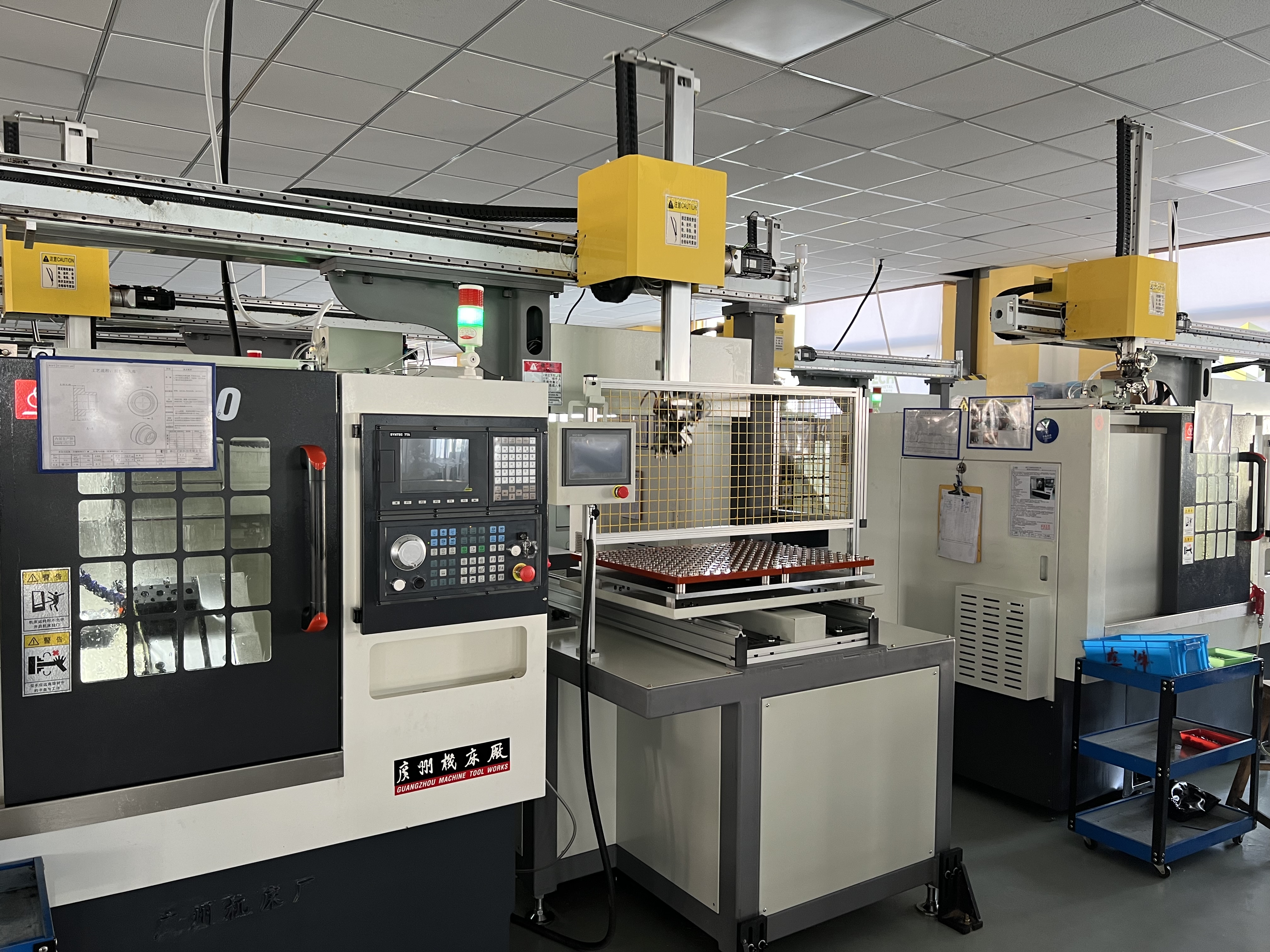
Strategic automation in machining parts production can dramatically reduce labor costs while improving consistency and quality. Automated loading and unloading systems eliminate manual handling time, allowing machines to run continuously and reducing labor requirements. Additionally, automated inspection systems can catch quality issues earlier in the process, preventing costly rework or scrap.
Even partial automation solutions, such as automatic tool changers and pallet systems, can provide significant cost benefits without requiring massive capital investments. These systems reduce setup times between jobs, minimize operator intervention, and allow for lights-out manufacturing during off-hours, maximizing equipment utilization and reducing per-part costs.
Supply Chain and Vendor Management Optimization
Strategic Supplier Partnerships
Developing long-term partnerships with machining parts suppliers creates opportunities for cost reduction through improved planning, volume commitments, and collaborative process improvement. Suppliers are more willing to invest in specialized tooling and process optimization when they have confidence in ongoing business relationships. This collaboration often results in better pricing, improved quality, and shorter lead times.
Implementing supplier development programs helps vendors improve their capabilities while reducing costs for both parties. Technical support, training, and shared best practices can help suppliers optimize their processes, reduce waste, and pass savings along to customers. Additionally, involving suppliers early in the design process allows them to provide input on manufacturability and cost optimization opportunities.
Supply Chain Consolidation
Reducing the number of suppliers while increasing volume with selected partners can result in better pricing and improved service levels for machining parts procurement. Consolidated suppliers can better justify investments in specialized equipment and processes when they have higher volume commitments. This approach also reduces administrative costs associated with managing multiple vendor relationships and quality systems.
However, supply chain consolidation must be balanced against risk management considerations. Maintaining backup suppliers for critical machining parts ensures continuity of supply while still capturing the benefits of preferred supplier relationships. Implementing formal supplier evaluation and monitoring systems helps ensure that consolidated suppliers continue to meet performance expectations over time.
Geographic and Logistics Optimization
Evaluating the total cost of ownership for machining parts sourcing includes transportation costs, lead times, and inventory requirements in addition to piece part pricing. Local suppliers may offer higher unit costs but provide savings through reduced shipping expenses, shorter lead times, and lower inventory requirements. This analysis becomes particularly important for heavy or bulky machining parts where transportation costs represent a significant portion of total acquisition cost.
Implementing just-in-time delivery strategies with nearby suppliers can reduce inventory carrying costs while maintaining production flexibility. However, this approach requires suppliers with proven reliability and quality systems to avoid production disruptions. Balancing cost savings against supply chain risk requires careful evaluation of supplier capabilities and backup planning.
Quality System Integration and Cost Prevention
Preventive Quality Measures
Implementing robust quality systems for machining parts production prevents costly defects and rework that can quickly eliminate any savings achieved through other cost reduction efforts. Statistical process control methods help identify process variations before they result in out-of-specification parts, allowing for corrective action that prevents scrap and rework costs.
First-article inspection protocols ensure that machining parts meet specifications before full production begins, preventing large quantities of defective parts. Similarly, in-process inspection at critical operations catches problems early when correction costs are minimal compared to discovering issues at final inspection or customer receipt.
Supplier Quality Integration
Extending quality system requirements to machining parts suppliers creates a unified approach to defect prevention across the entire supply chain. Supplier quality agreements that specify inspection requirements, documentation standards, and corrective action procedures help ensure consistent quality while reducing incoming inspection costs.
Implementing supplier scorecards that track quality performance, delivery reliability, and cost competitiveness provides data for continuous improvement efforts and supplier selection decisions. Regular supplier audits and quality reviews help identify improvement opportunities and ensure that quality systems remain effective over time.
Continuous Improvement Culture
Establishing continuous improvement programs focused on machining parts production creates ongoing opportunities for cost reduction without quality compromise. Employee suggestion programs, kaizen events, and process improvement teams can identify waste elimination opportunities and process optimization potential that might not be apparent to management.
Measuring and tracking key performance indicators such as scrap rates, rework costs, and cycle times provides data for improvement efforts and helps quantify the impact of cost reduction initiatives. Regular review of these metrics ensures that cost reduction efforts don't inadvertently impact quality or delivery performance.
FAQ
What is the most effective way to reduce machining parts costs without affecting quality?
The most effective approach combines design optimization with supplier partnership development. Start by reviewing part designs to eliminate unnecessary complexity and overly tight tolerances that don't impact functionality. Simultaneously, work with suppliers to optimize manufacturing processes and establish long-term partnerships that enable volume pricing and collaborative improvement efforts. This dual approach typically yields 15-30% cost reductions while maintaining or improving quality standards.
How can I determine if my current machining parts tolerances are too tight?
Conduct a tolerance stack-up analysis to identify which dimensions truly impact part functionality and assembly requirements. Review historical quality data to see if parts consistently achieve much tighter tolerances than specified, indicating potential for relaxation. Consult with manufacturing engineers and suppliers about which tolerances drive the most cost, then evaluate whether those specifications can be loosened without impacting performance. Consider implementing a tolerance review process for all new designs.
What role does material selection play in machining parts cost reduction?
Material selection significantly impacts both raw material costs and machining expenses. Standard grades typically offer better pricing and availability compared to exotic alloys, while materials with good machinability reduce cutting time and tool wear. Evaluate alternative materials that meet performance requirements but offer cost advantages through easier machining, better availability, or lower raw material costs. Work with suppliers to understand the total cost impact of different material choices, including machining time and tooling requirements.
How do I balance cost reduction with supply chain risk management?
Implement a tiered supplier strategy that concentrates volume with preferred partners while maintaining qualified backup suppliers for critical machining parts. Establish clear supplier performance metrics and monitoring systems to ensure that cost reduction efforts don't compromise quality or delivery reliability. Consider geographic distribution of suppliers to balance cost optimization with supply chain resilience. Maintain safety stock levels for critical parts and develop contingency plans for supply disruptions.
Table of Contents
- Design Optimization Strategies for Cost-Effective Machining Parts
- Process Optimization and Manufacturing Efficiency
- Supply Chain and Vendor Management Optimization
- Quality System Integration and Cost Prevention
-
FAQ
- What is the most effective way to reduce machining parts costs without affecting quality?
- How can I determine if my current machining parts tolerances are too tight?
- What role does material selection play in machining parts cost reduction?
- How do I balance cost reduction with supply chain risk management?