Premium Stainless Steel Coil Springs - Corrosion Resistant, High-Performance Springs for Industrial Applications

All Categories

Get a Free Quote

Our representative will contact you soon.
Email
Mobile/WhatsApp
Name
Company Name
Message
0/1000

stainless steel coil springs

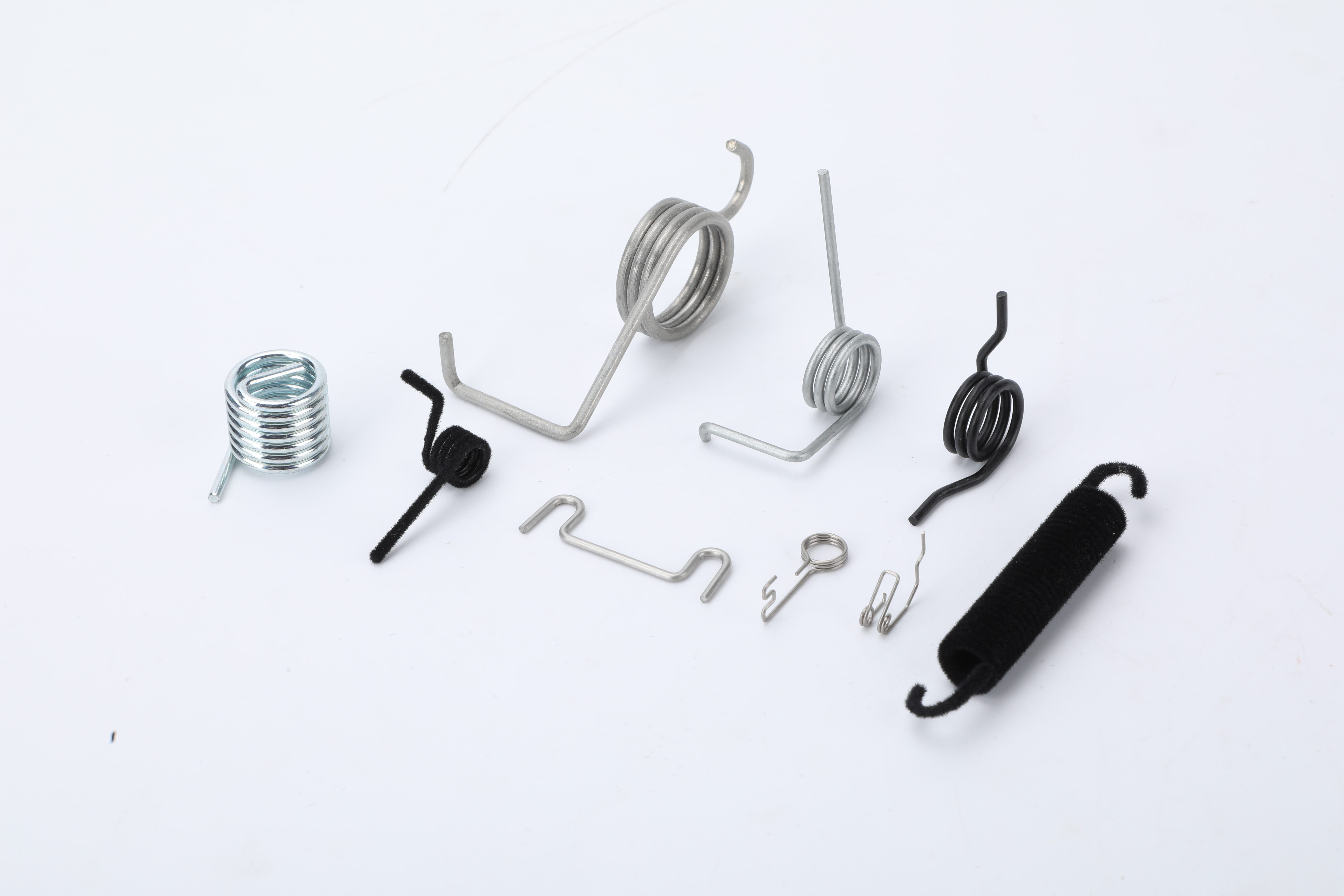
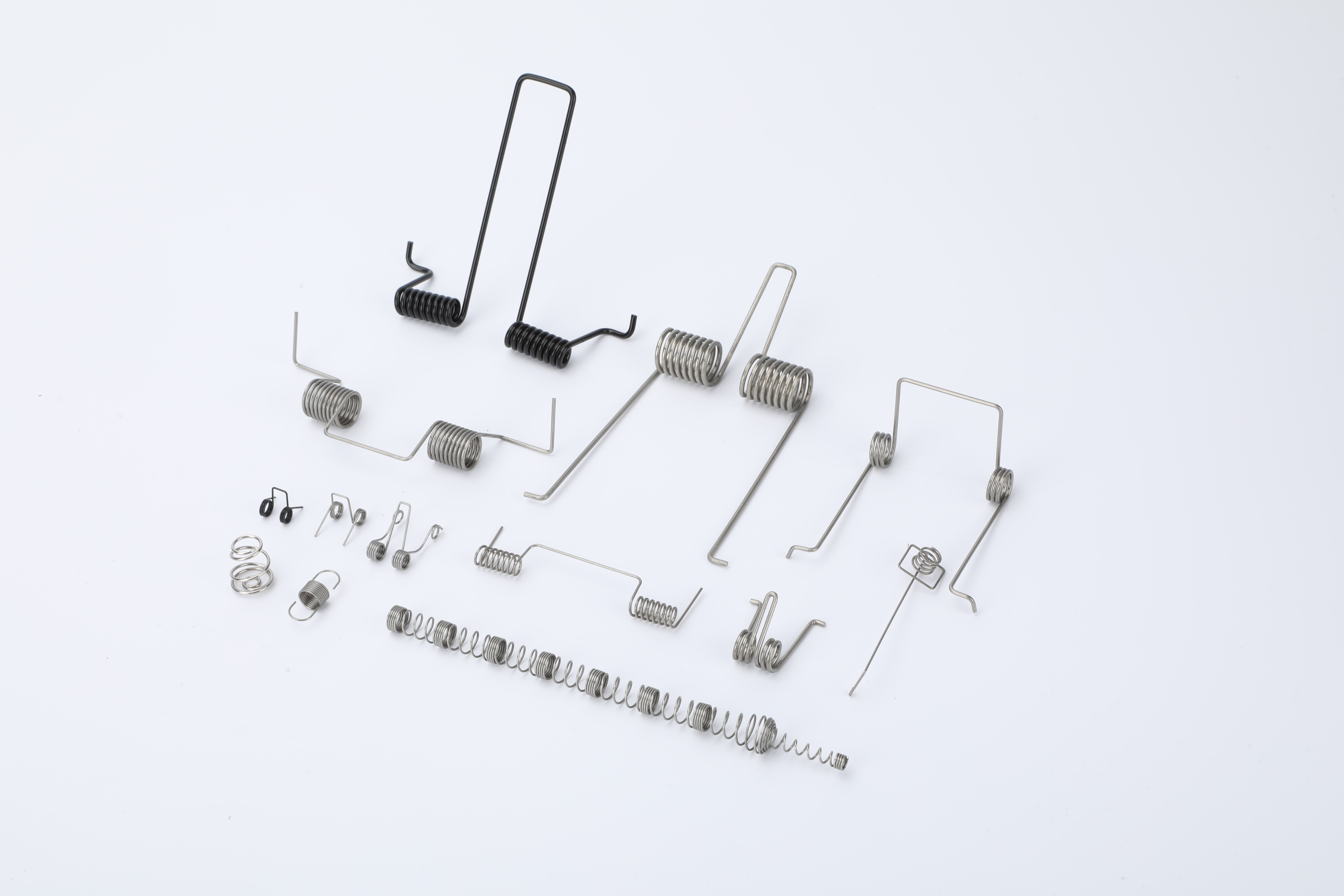
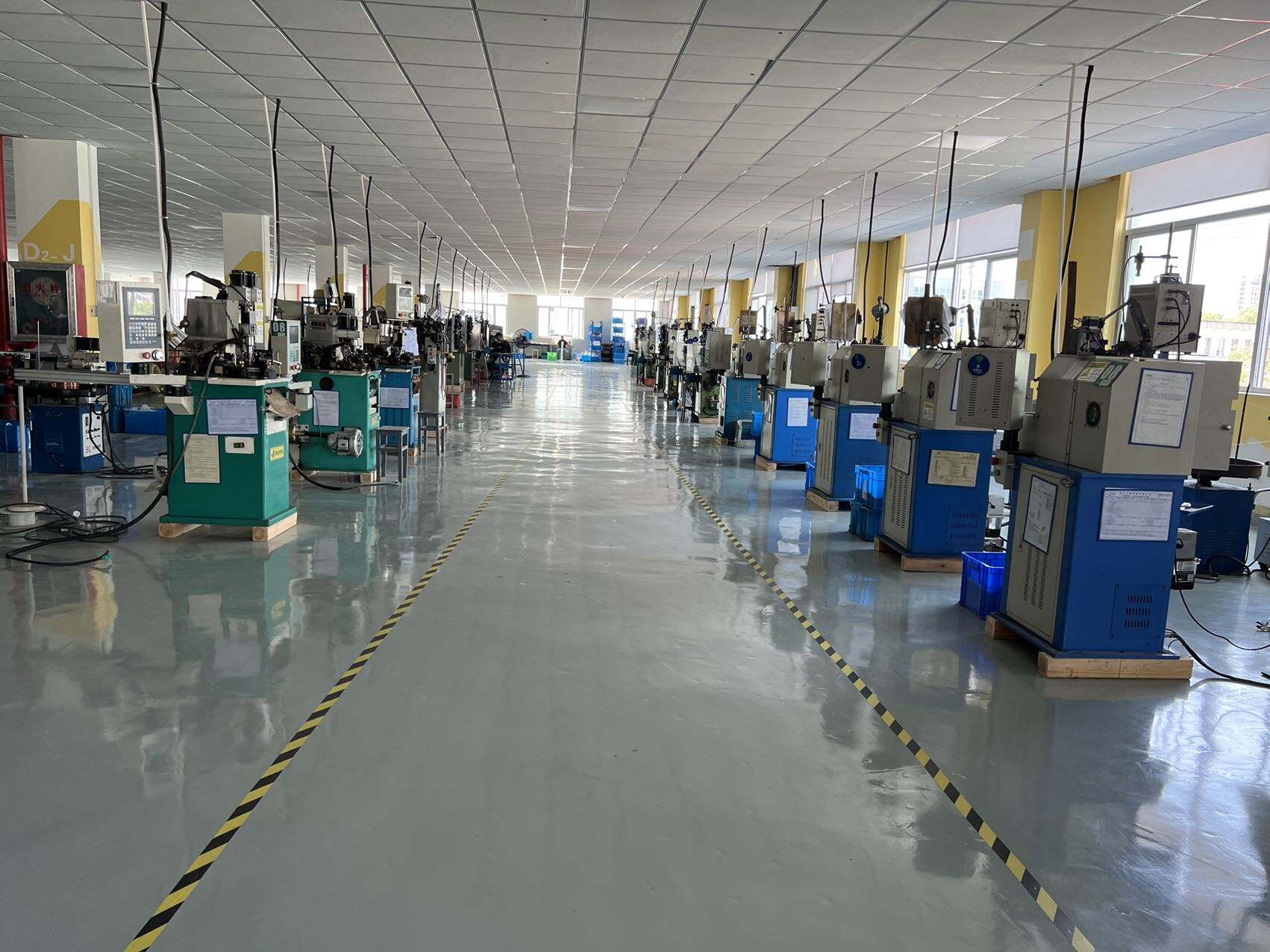
Stainless steel coil springs represent a critical component in countless industrial and consumer applications, offering exceptional performance through their unique combination of mechanical properties and corrosion resistance. These precision-engineered springs are manufactured from various grades of stainless steel alloys, typically including 302, 316, and 17-7 PH stainless steel, each selected for specific performance requirements. The primary function of stainless steel coil springs involves storing and releasing mechanical energy while maintaining consistent force characteristics throughout their operational cycle. Their coiled design allows for compression, extension, or torsional movement depending on the specific application requirements. The technological features of these springs include superior fatigue resistance, excellent temperature stability ranging from cryogenic conditions to elevated temperatures exceeding 500 degrees Fahrenheit, and remarkable corrosion resistance that enables reliable operation in harsh environments including marine, chemical processing, and food production facilities. Manufacturing processes involve precision wire forming, controlled heat treatment, and specialized surface finishing techniques that enhance performance characteristics. Advanced manufacturing technologies enable the production of stainless steel coil springs with precise dimensional tolerances, consistent spring rates, and predictable load-deflection curves essential for critical applications. These springs find extensive applications across diverse industries including automotive systems for suspension components and valve assemblies, aerospace applications requiring lightweight yet durable solutions, medical device manufacturing where biocompatibility is paramount, marine equipment exposed to saltwater environments, food processing machinery requiring sanitary conditions, and electronic devices demanding reliable mechanical interfaces. The versatility of stainless steel coil springs makes them indispensable in applications ranging from simple household items to sophisticated industrial equipment where reliability and longevity are essential for operational success and safety compliance.

New Products

Stainless steel coil springs deliver numerous practical benefits that make them the preferred choice for demanding applications across multiple industries. The most significant advantage lies in their exceptional corrosion resistance, which eliminates the need for protective coatings or frequent replacements that plague conventional steel springs. This corrosion resistance translates directly into reduced maintenance costs and extended service life, particularly valuable in marine environments, chemical processing facilities, and outdoor applications where exposure to moisture and corrosive substances is inevitable. The superior strength-to-weight ratio of stainless steel coil springs enables engineers to design more compact and efficient systems while maintaining required performance levels. This characteristic proves especially beneficial in aerospace and automotive applications where weight reduction directly impacts fuel efficiency and overall performance. Temperature stability represents another crucial advantage, as these springs maintain their mechanical properties across wide temperature ranges without becoming brittle in cold conditions or losing tension at elevated temperatures. This thermal stability ensures consistent performance in applications ranging from refrigeration systems to high-temperature industrial processes. The inherent cleanliness and non-contaminating properties of stainless steel coil springs make them ideal for food processing, pharmaceutical manufacturing, and medical device applications where contamination control is critical. Unlike carbon steel alternatives that may introduce metallic particles or rust contamination, stainless steel springs maintain product purity and comply with strict hygiene standards. Fatigue resistance provides another significant advantage, as stainless steel coil springs can endure millions of compression and extension cycles without failure, reducing downtime and replacement costs in high-cycle applications such as automotive suspensions and industrial machinery. The magnetic properties of certain stainless steel grades offer additional benefits in electronic applications where magnetic interference must be minimized. Cost-effectiveness emerges through reduced total cost of ownership, as the longer service life and lower maintenance requirements offset the higher initial investment. The recyclability of stainless steel aligns with environmental sustainability goals, allowing companies to reduce their environmental footprint while benefiting from material recovery value at the end of the spring's service life. Manufacturing flexibility enables custom designs to meet specific application requirements, ensuring optimal performance in unique or challenging operating conditions.

Latest News

Automotive Armrest Slide Rail Production Factory: The Cradle of Quality and Innovation

10

Mar

Automotive Armrest Slide Rail Production Factory: The Cradle of Quality and Innovation

View More

Get a Free Quote

Our representative will contact you soon.
Email
Mobile/WhatsApp
Name
Company Name
Message
0/1000

stainless steel coil springs

Unmatched Corrosion Resistance for Long-Term Reliability

Unmatched Corrosion Resistance for Long-Term Reliability

The exceptional corrosion resistance of stainless steel coil springs stands as their most distinctive and valuable characteristic, providing unparalleled performance in challenging environments where conventional springs fail prematurely. This resistance stems from the chromium content in stainless steel alloys, which forms a passive oxide layer that self-heals when damaged, creating an impermeable barrier against corrosive agents including saltwater, acids, alkalis, and atmospheric moisture. In marine applications, stainless steel coil springs maintain their structural integrity and mechanical properties even after prolonged exposure to saltwater spray and high humidity conditions that would cause rapid deterioration in carbon steel alternatives. Chemical processing facilities benefit enormously from this corrosion resistance, as these springs can operate safely in contact with aggressive chemicals without contaminating the process stream or requiring frequent replacement due to chemical attack. The food and beverage industry particularly values this characteristic, as stainless steel coil springs eliminate the risk of rust contamination that could compromise product quality and violate food safety regulations. This corrosion resistance extends beyond simple rust prevention to include resistance to pitting, crevice corrosion, and stress corrosion cracking, ensuring reliable operation even under severe operating conditions. The economic impact of this corrosion resistance cannot be overstated, as it dramatically reduces maintenance costs, eliminates unplanned downtime, and extends equipment service life. In outdoor applications such as agricultural equipment, construction machinery, and telecommunications infrastructure, stainless steel coil springs provide reliable operation despite exposure to rain, snow, road salt, and other environmental contaminants. The pharmaceutical industry relies on this corrosion resistance to maintain sterile conditions and prevent contamination of sensitive drug products. Water treatment facilities benefit from springs that maintain their performance while in contact with chlorinated water, wastewater, and various treatment chemicals. This superior corrosion resistance ultimately delivers exceptional value by ensuring consistent performance, reducing total cost of ownership, and eliminating the need for protective coatings or frequent component replacement that adds complexity and expense to system maintenance.

Superior Temperature Stability for Extreme Operating Conditions

Superior Temperature Stability for Extreme Operating Conditions

Stainless steel coil springs demonstrate remarkable temperature stability that enables reliable operation across extreme temperature ranges, from cryogenic applications below minus 200 degrees Fahrenheit to high-temperature environments exceeding 800 degrees Fahrenheit depending on the specific alloy selection. This temperature stability represents a critical advantage in applications where thermal cycling is common or where springs must maintain their mechanical properties under extreme thermal conditions. In aerospace applications, stainless steel coil springs function reliably in the extreme temperature variations encountered during flight operations, from the frigid conditions of high altitude to the heat generated by engine compartments and atmospheric re-entry. Automotive applications benefit significantly from this temperature stability, as engine valve springs must maintain proper tension and spring rates despite the extreme heat generated by internal combustion engines. The springs retain their elastic modulus and yield strength across these temperature ranges, ensuring consistent performance without the brittleness that affects some materials at low temperatures or the softening that compromises spring function at elevated temperatures. Industrial furnace applications utilize stainless steel coil springs for door mechanisms, damper controls, and safety systems that must operate reliably despite exposure to extreme heat. Refrigeration and cryogenic systems depend on springs that remain flexible and maintain their mechanical properties at very low temperatures where carbon steel springs become brittle and prone to fracture. Oil and gas industry applications frequently expose components to temperature extremes, from arctic drilling conditions to the high temperatures found in geothermal and deep well applications, making the temperature stability of stainless steel coil springs invaluable for reliable operation. Power generation facilities, particularly nuclear plants and thermal power stations, require springs that maintain their performance characteristics despite temperature cycling and prolonged exposure to elevated temperatures. The molecular structure of stainless steel alloys provides this temperature stability through controlled grain structure and alloying elements that maintain metallurgical stability across wide temperature ranges. This characteristic eliminates the need for temperature compensation or frequent adjustment of spring-loaded mechanisms, simplifying system design and reducing maintenance requirements while ensuring reliable operation throughout the intended service life.
Exceptional Fatigue Resistance for High-Cycle Applications

Exceptional Fatigue Resistance for High-Cycle Applications

The outstanding fatigue resistance of stainless steel coil springs enables them to withstand millions of compression and extension cycles without failure, making them ideal for high-frequency applications where durability and reliability are paramount. This fatigue resistance results from the inherent metallurgical properties of stainless steel alloys, including their fine grain structure, controlled inclusion content, and optimized chemical composition that resists crack initiation and propagation under cyclic loading conditions. Automotive suspension systems exemplify applications where fatigue resistance is critical, as these springs must endure millions of compression cycles over the vehicle's lifetime while maintaining consistent spring rates and load-carrying capacity. Industrial machinery applications, including reciprocating equipment, vibrating screens, and automated assembly lines, depend on stainless steel coil springs that can handle continuous cycling without degradation or sudden failure that could cause expensive downtime. The fatigue resistance extends beyond simple cycle count to include resistance to fretting fatigue, where small amplitude vibrations can cause surface wear and crack initiation in lesser materials. Aerospace applications demand springs with proven fatigue resistance for landing gear systems, flight control mechanisms, and engine components where failure could have catastrophic consequences. Medical device applications benefit from this characteristic in surgical instruments, prosthetic devices, and diagnostic equipment that must function reliably throughout their intended service life. The testing and validation of fatigue resistance involves sophisticated laboratory procedures that simulate real-world operating conditions, ensuring that stainless steel coil springs meet or exceed specified cycle requirements. Surface finishing techniques, including shot peening and electropolishing, further enhance fatigue resistance by eliminating surface irregularities that could serve as crack initiation sites. Quality control measures during manufacturing ensure consistent fatigue performance through careful attention to material selection, heat treatment processes, and dimensional tolerances that affect stress distribution. The economic benefits of exceptional fatigue resistance include reduced maintenance costs, improved equipment availability, and enhanced safety through reduced risk of unexpected failures. Engineering design guidelines for stainless steel coil springs incorporate safety factors that account for application-specific loading conditions and environmental factors while leveraging the inherent fatigue resistance to optimize spring performance and service life.

Get a Free Quote

Our representative will contact you soon.
Email
Mobile/WhatsApp
Name
Company Name
Message
0/1000