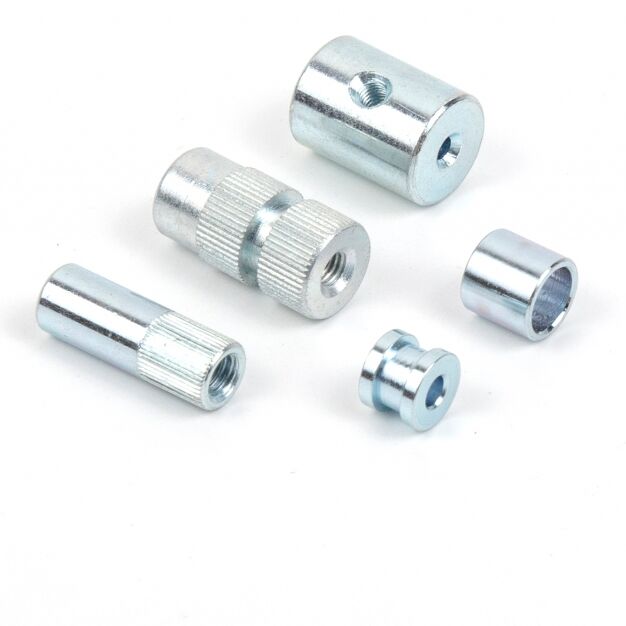
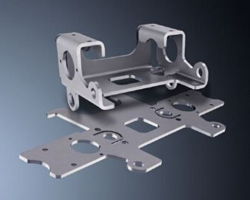
Precision Plastic Machining Services - High-Accuracy CNC Manufacturing Solutions

All Categories

Get a Free Quote

Our representative will contact you soon.
Email
Mobile/WhatsApp
Name
Company Name
Message
0/1000

precision plastic machining

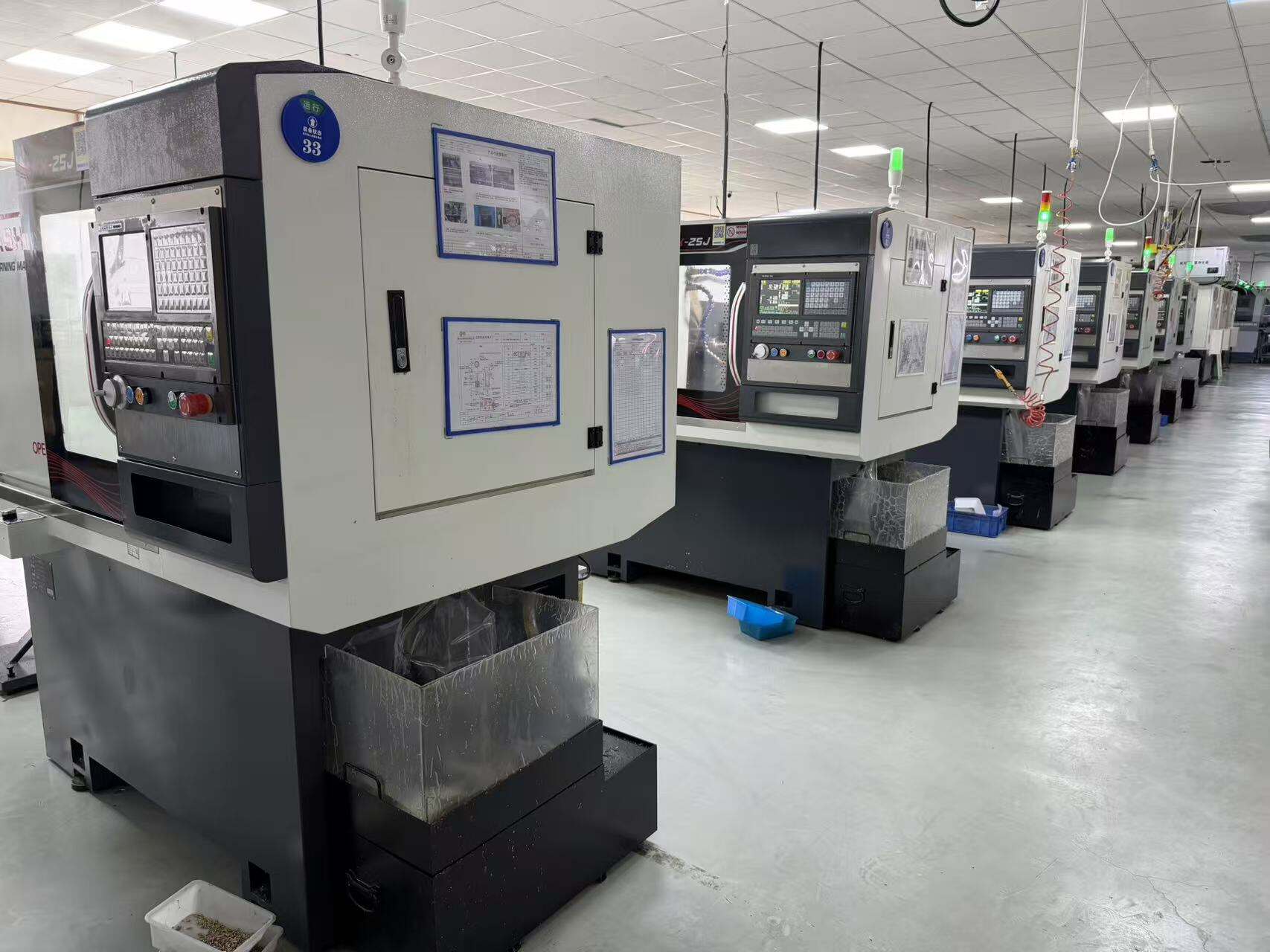
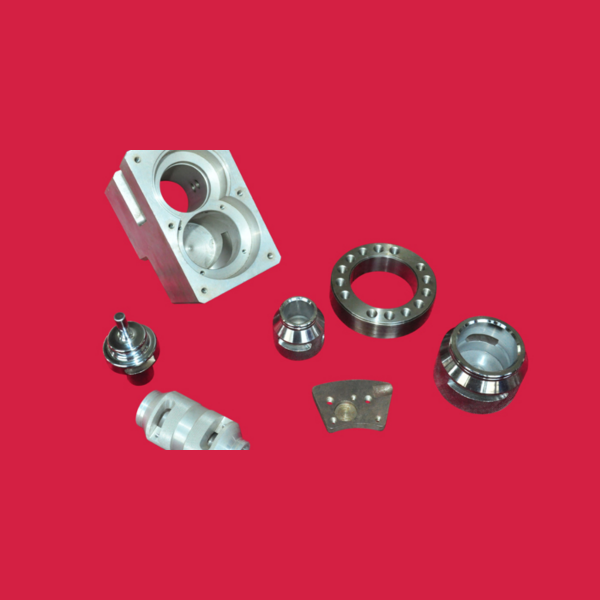
Precision plastic machining represents a sophisticated manufacturing process that transforms raw plastic materials into highly accurate components through computer-controlled cutting, drilling, milling, and turning operations. This advanced technology utilizes state-of-the-art CNC machines, specialized tooling, and precise programming to achieve dimensional tolerances as tight as ±0.001 inches, making it essential for industries requiring exceptional accuracy and consistency. The precision plastic machining process begins with careful material selection, where engineers choose from various thermoplastics and thermosets based on specific application requirements including chemical resistance, temperature stability, and mechanical properties. Modern precision plastic machining centers employ multi-axis capabilities, allowing simultaneous operations that reduce production time while maintaining superior surface finishes and dimensional accuracy. The technological features of precision plastic machining include advanced CAD/CAM software integration, real-time quality monitoring systems, and temperature-controlled environments that prevent thermal expansion during manufacturing. These systems incorporate sophisticated cutting strategies specifically designed for plastic materials, including optimized feed rates, spindle speeds, and coolant applications that prevent melting, chipping, or stress cracking. Applications span numerous industries including aerospace, medical devices, electronics, automotive, and scientific instrumentation. In aerospace applications, precision plastic machining produces lightweight structural components, insulation parts, and interior fittings that meet stringent safety standards. Medical device manufacturing relies on this technology for surgical instruments, implantable components, and diagnostic equipment housings that require biocompatibility and sterile processing capabilities. Electronics manufacturers utilize precision plastic machining for connector housings, circuit board supports, and protective enclosures that demand electromagnetic interference shielding and dimensional stability. The automotive sector benefits from precision machined plastic components in fuel systems, electrical assemblies, and interior trim pieces that withstand harsh environmental conditions while maintaining aesthetic appeal and functional performance over extended service life.
New Product Recommendations

Precision plastic machining delivers exceptional dimensional accuracy that surpasses conventional molding techniques, enabling manufacturers to achieve tolerances within thousandths of an inch consistently. This superior accuracy eliminates the need for secondary finishing operations, reducing overall production costs and lead times significantly. Unlike injection molding, precision plastic machining requires no expensive tooling or lengthy setup procedures, making it ideal for prototyping, low-volume production, and custom applications where flexibility matters most. The process accommodates design changes quickly and cost-effectively, allowing engineers to iterate and refine their concepts without substantial financial commitments or extended delays. Material versatility stands as another compelling advantage, as precision plastic machining works with virtually any machinable plastic, including engineering-grade polymers, high-performance thermoplastics, and specialized composites that cannot be processed through traditional molding methods. This capability enables designers to select optimal materials based purely on performance requirements rather than manufacturing limitations. Surface finish quality achieved through precision plastic machining often eliminates post-processing requirements, delivering components ready for immediate assembly or end-use applications. The controlled cutting environment prevents stress formation and maintains material integrity throughout the manufacturing process, resulting in components with superior mechanical properties and longer service life. Production flexibility allows manufacturers to produce single prototypes, small batches, or medium-volume runs economically, providing scalability that adapts to changing market demands without significant capital investment. Quality consistency remains constant regardless of production quantity, ensuring that first article and final production parts maintain identical specifications and performance characteristics. Environmental benefits include minimal material waste generation compared to subtractive manufacturing alternatives, as precision plastic machining optimizes material utilization through efficient nesting and cutting strategies. The process generates recyclable waste streams, supporting sustainability initiatives while reducing disposal costs. Lead time advantages become particularly significant for urgent projects, as precision plastic machining can begin immediately upon design approval without waiting for tool fabrication or process validation. This rapid turnaround capability enables faster time-to-market for new products and quicker response to customer requirements, providing competitive advantages in dynamic market environments where speed and agility determine success.

Latest News

Automotive Armrest Slide Rail Production Factory: The Cradle of Quality and Innovation

10

Mar

Automotive Armrest Slide Rail Production Factory: The Cradle of Quality and Innovation

View More
Testing Standards For Corrosion Resistance Of Automotive Parts

10

Mar

Testing Standards For Corrosion Resistance Of Automotive Parts

View More

Get a Free Quote

Our representative will contact you soon.
Email
Mobile/WhatsApp
Name
Company Name
Message
0/1000

precision plastic machining

Unmatched Dimensional Precision and Repeatability

Unmatched Dimensional Precision and Repeatability

Precision plastic machining achieves dimensional accuracies that consistently meet the most demanding engineering specifications, with tolerances reaching ±0.001 inches across complex geometries and intricate features. This exceptional precision stems from advanced CNC machine capabilities combined with sophisticated measurement systems that monitor every aspect of the manufacturing process in real-time. The technology employs laser measurement systems, coordinate measuring machines, and statistical process control methodologies that ensure each component meets exact specifications regardless of production volume or complexity. Temperature-controlled manufacturing environments eliminate thermal expansion variables that could affect dimensional stability, while vibration-dampened machine foundations prevent micro-movements that might compromise accuracy. The precision plastic machining process utilizes specially designed cutting tools with optimized geometries and coatings that maintain sharp cutting edges throughout extended production runs, ensuring consistent surface finishes and dimensional accuracy from first part to last. Advanced programming techniques incorporate tool wear compensation algorithms that automatically adjust cutting parameters to maintain precision throughout tool life cycles. Multi-axis machining capabilities enable simultaneous operations that reduce part handling and eliminate cumulative tolerances associated with multiple setups, resulting in superior geometric relationships between features. Quality assurance protocols integrate in-process inspection systems that verify dimensions during machining operations, allowing immediate corrections if deviations occur and preventing defective parts from advancing through production. This comprehensive approach to precision extends beyond basic dimensional control to include surface roughness specifications, geometric tolerancing requirements, and assembly interface compatibility. The repeatability achieved through precision plastic machining ensures that replacement parts manufactured months or years apart will maintain identical fit, form, and function characteristics. This consistency proves invaluable for industries requiring long-term spare parts availability, warranty support, and field service applications where component interchangeability is critical for operational success and customer satisfaction.
Superior Material Compatibility and Performance Optimization

Superior Material Compatibility and Performance Optimization

Precision plastic machining accommodates an extensive range of plastic materials, from commodity thermoplastics to exotic engineering polymers, enabling designers to select optimal materials based purely on performance requirements rather than manufacturing constraints. This versatility includes challenging materials like PEEK, PEI, PTFE, and various filled composites that cannot be processed effectively through conventional molding techniques due to their unique properties or processing requirements. The machining process maintains material integrity by avoiding the high temperatures and pressures associated with injection molding, preventing molecular degradation and preserving inherent material properties such as chemical resistance, electrical characteristics, and mechanical strength. Specialized cutting techniques developed specifically for different plastic families optimize chip formation and heat dissipation, preventing thermal damage that could compromise material performance or dimensional stability. Glass-filled, carbon-filled, and mineral-filled plastics receive particular attention through customized cutting strategies that prevent fiber pullout, delamination, and surface defects while maintaining uniform material distribution throughout machined features. The precision plastic machining process accommodates materials with varying hardness levels, from soft elastomeric compounds to rigid thermosets, adjusting cutting parameters dynamically to achieve optimal results for each material type. Advanced coolant systems and cutting fluid applications prevent heat buildup that could cause material softening, thermal expansion, or stress cracking during machining operations. Surface treatment capabilities extend material performance through techniques like flame polishing, chemical smoothing, and mechanical finishing that enhance appearance, reduce friction, or improve chemical resistance without affecting dimensional accuracy. Material traceability systems ensure that each component can be traced back to specific material lots, providing documentation required for regulated industries and quality certification programs. The ability to machine dissimilar materials in single operations enables the production of multi-material assemblies without secondary bonding or joining operations, reducing complexity and potential failure points. Biocompatible materials receive special handling protocols that maintain sterility and prevent contamination throughout the manufacturing process, supporting medical device applications where patient safety depends on material purity and surface cleanliness.
Rapid Prototyping and Flexible Production Capabilities

Rapid Prototyping and Flexible Production Capabilities

Precision plastic machining enables immediate production capability without the extensive lead times, tooling costs, and setup requirements associated with traditional manufacturing methods, making it ideal for rapid prototyping, custom applications, and low-to-medium volume production runs. This flexibility allows engineers to validate designs quickly, test multiple iterations efficiently, and respond to market demands with unprecedented speed and agility. The technology bridges the gap between initial concept development and full-scale production, providing a seamless transition path that maintains design integrity and performance characteristics throughout the product development lifecycle. Programming flexibility enables complex geometries and intricate features to be modified instantly through software updates, eliminating physical tooling changes and reducing modification costs to nearly zero. This capability proves particularly valuable during design optimization phases where multiple configurations must be evaluated to determine optimal performance characteristics or when customer-specific modifications are required for specialized applications. Production scalability allows manufacturers to produce single prototypes for initial testing, small batches for market validation, or medium-volume runs for specialized applications using identical processes and quality standards. The economic viability of precision plastic machining across different production volumes stems from minimal setup costs, no tooling requirements, and streamlined production workflows that eliminate traditional manufacturing barriers. Just-in-time production capabilities reduce inventory carrying costs while providing immediate response to urgent customer requirements or unexpected demand spikes. The technology supports design for manufacturability principles by enabling early identification of potential production issues and optimization opportunities before committing to high-volume manufacturing investments. Concurrent engineering practices benefit significantly from precision plastic machining capabilities, allowing design and manufacturing teams to collaborate effectively throughout development cycles. Quality validation occurs throughout production rather than at completion, enabling immediate corrective actions and preventing defective components from advancing through supply chains. The ability to produce functional prototypes with identical material properties and manufacturing characteristics as final production parts eliminates the uncertainty associated with scaling from prototype to production, providing confidence in design decisions and performance predictions.

Get a Free Quote

Our representative will contact you soon.
Email
Mobile/WhatsApp
Name
Company Name
Message
0/1000